Harvest
On Dobrolyubova Prospekt in St. Petersburg's Petrograd Side, Harvest occupies a city where Russian seasonal cooking has become the lens through which a new generation of restaurants reexamines local identity. The address places it in a neighbourhood defined by cultural institutions and a quieter pace than the centre, making it a worthwhile detour for those tracking the evolution of contemporary Russian cuisine.
Pearl is the En Primeur Club membership app — saves, bookings, and concierge access live there. Same editors, same standards.
- Address
- Prospekt Dobrolyubova, 11, St Petersburg, Russia, 197198
- Phone
- +7 911 922-27-46
- Website
- harvestduo.ru
- Directions
- Get directions
 Saves & bookings on Pearl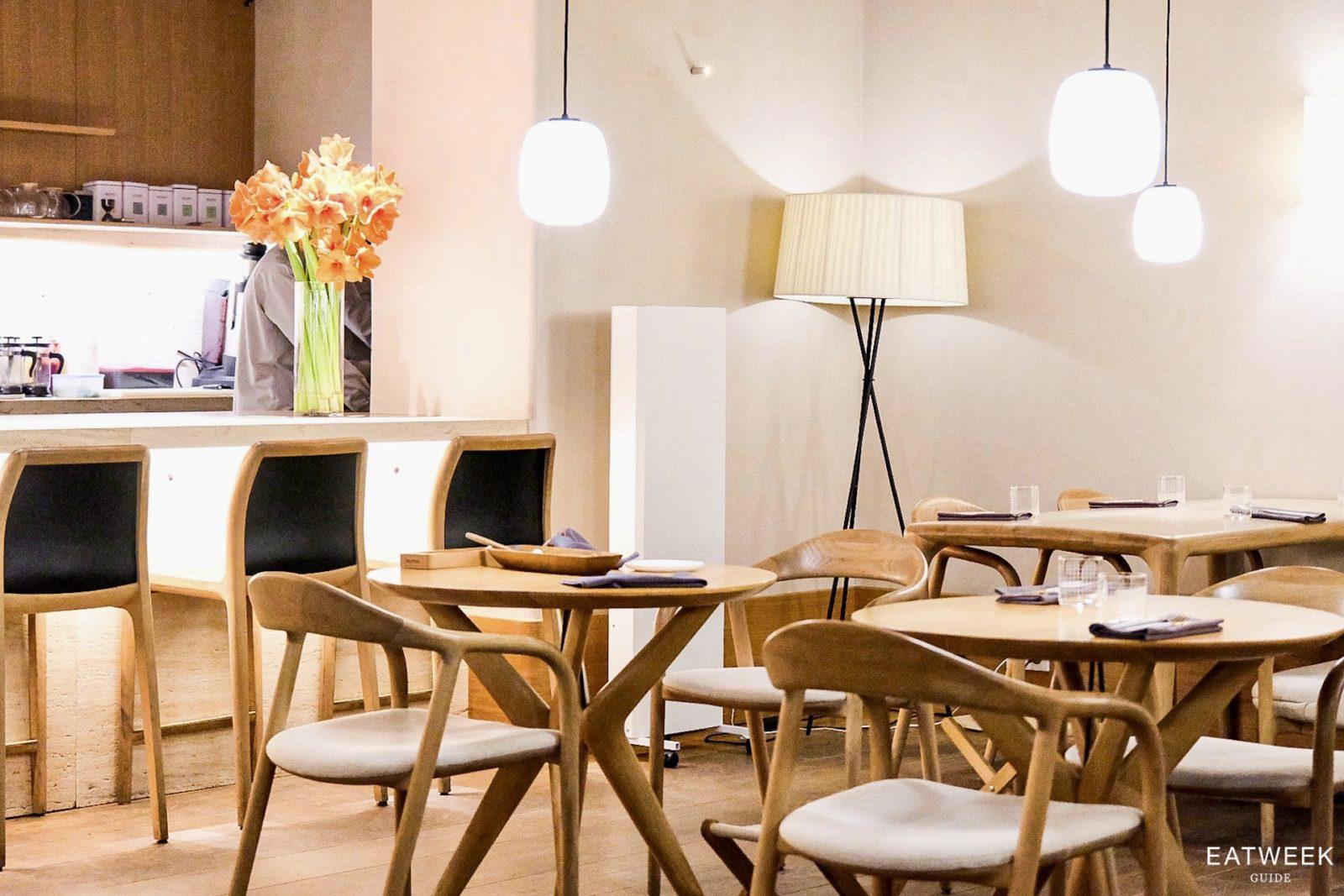
Petrograd Side and the Seasonal Russian Turn
St. Petersburg's restaurant scene has undergone a quiet but consequential shift over the past decade. Where international formats once dominated the aspirational tier, a growing cohort of kitchens has moved toward Russian seasonal produce as their defining framework. This is not nostalgia cooking, it is a recalibration, driven partly by the realities of import substitution and partly by a genuine critical rethinking of what northern Russian ingredients can do when handled with technique rather than habit. Harvest is a restaurant on Dobrolyubova Prospekt in St. Petersburg's Petrograd Side district, serving vegetable-focused European cooking.
The restaurant's address at number 11 puts it within easy reach of the district's broader dining corridor.
What Seasonal Means in a Northern Kitchen
In a city at roughly 60 degrees north latitude, the concept of seasonality operates differently than in Mediterranean or even Central European kitchens. The growing window is compressed. Mushrooms, berries, river fish, root vegetables, and preserved foods carry disproportionate weight in the pantry. The leading kitchens working this tradition, from Cococo in the city centre to smaller neighbourhood operations, have learned to treat fermentation and preservation not as workarounds but as flavour-development tools in their own right.
Harvest's name signals its orientation clearly. The Russian tradition of harvest-based cooking draws from a deep well: the autumn mushroom foraging culture that extends across the country, the summer berry season in the Northwest, the salting and pickling practices that allowed northern communities to eat well through winter. When contemporary kitchens engage this tradition seriously, the results are rarely folkloric. They tend toward restraint, clear broths, disciplined acidity, proteins that carry the weight of good sourcing rather than elaborate preparation.
This places Harvest in a comparable set that is more coherent than it might first appear. Across Russia, a recognisable approach has emerged in which the sourcing story and the seasonal calendar do the heavy lifting, and the kitchen's job is to stay out of the way of good ingredients. Twins Garden in Moscow represents one internationally visible expression of this approach, but St. Petersburg's version tends to be quieter and less performative, which, depending on your preferences, is either a limitation or a virtue.
The City Context: Where Harvest Sits
St. Petersburg has a broader dining ecosystem worth understanding before visiting any single restaurant. The city's upper tier includes venues focused on European fine dining formats, a handful of kitchens working Japanese and pan-Asian cuisines, Jack & Chan, Korean BBQ гриль, and Made in China among them, and a growing number of kitchens focused on Russian regional cooking as a serious subject. 1913 represents the more historically inflected end of that spectrum. Harvest occupies a position in the contemporary seasonal tier.
The Petrograd Side, specifically, has developed a reputation for restaurants that prioritise a local clientele. This tends to produce more honest cooking over time: kitchens that depend on repeat custom calibrate differently than those running on tourist traffic. The neighbourhood's relative remove from the cruise-ship and package-tour circuits means prices tend to track value more closely, and service generally reads as less performative.
Russian Seasonal Cooking in a Wider Frame
It is worth placing what Harvest represents in a national context. Across Russia's cities, the seasonal-Russian framework has produced a genuinely diverse set of kitchens. Kukhterin in Tomsk works with Siberian game and river fish in ways that would be unrecognisable in a St. Petersburg kitchen. Alanskaya Kukhnya in Krasnodar draws from North Caucasian traditions entirely. Dzhani Restorani in Nizhny Novgorod and Lev I Ptichka in St. Petersburg itself represent adjacent points on the same map. What unites them is a turn away from imported references and toward the specific geography of their own regions.
St. Petersburg's version of this movement is shaped by the city's particular history: the imperial capital's long entanglement with French and European cooking, the Soviet period's standardisation, and the post-Soviet opening to global formats. The harvest-oriented restaurant represents, in that lineage, a deliberate return to something that was interrupted rather than an invention of something new.
Planning a Visit
Dobrolyubova Prospekt 11 is a ten-to-fifteen minute walk from Gorkovskaya metro station on the circle-adjacent blue line, which connects efficiently to the city's main arteries. The Petrograd Side is accessible by taxi or rideshare from any central St. Petersburg hotel without difficulty. Reservations are recommended.
A Pricing-First Comparison
Comparable venues nearby, for context on price, style, and recognition.
| Venue | Cuisine | Price | Notes |
|---|---|---|---|
| HarvestThis venue — the venue you are viewing | Petrogradsky, Vegetable-Focused European | $$$ | Not listed |
| Korean BBQ гриль | Not listed | $$ | Northwestern District, Korean Table-Top BBQ Grill |
| Made in China | Admiralteisky, Modern Asian Café & Bar | $$ | Not listed |
| Cococo | Not listed | $$$ | Admiralteysky, Modern Russian Fine Dining |
| Wong Kar Wine | Not listed | $$ | Liteyny, Contemporary Asian (Thai) with Natural Wines |
| Palkin | Not listed | $$$$ | Nevsky Prospekt, Classic Russian Fine Dining |
Continue exploring
More in Saint Petersburg
Restaurants in Saint Petersburg
Browse all →

Bars in Saint Petersburg
Browse all →







At a Glance
- Modern
- Cozy
- Elegant
- Minimalist
- Date Night
- Special Occasion
- Open Kitchen
- Extensive Wine List
- Farm To Table
- Local Sourcing
Current opening hours
- Monday
- 9 AM–12 AM
- Tuesday
- 9 AM–12 AM
- Wednesday
- 9 AM–12 AM
- Thursday
- 9 AM–12 AM
- Friday
- 9 AM–1 AM
- Saturday
- 9 AM–1 AM
- Sunday
- 9 AM–12 AM
Hours can change for holidays and private events. Last verified .
Nordic minimalist interior with natural materials like wood and stone, warm colors, spacious and stylish design allowing quiet conversations amid the open kitchen.