Korean BBQ гриль
Korean BBQ гриль serves Korean Table-Top BBQ Grill in a casual, leisurely format with beer program support and an open kitchen, making it a fit for lunch or dinner plans.
Pearl is the En Primeur Club membership app — saves, bookings, and concierge access live there. Same editors, same standards.
- Address
- Старо-Петергофский просп., 27А, Санкт-Петербург
- Directions
- Get directions
 Saves & bookings on Pearl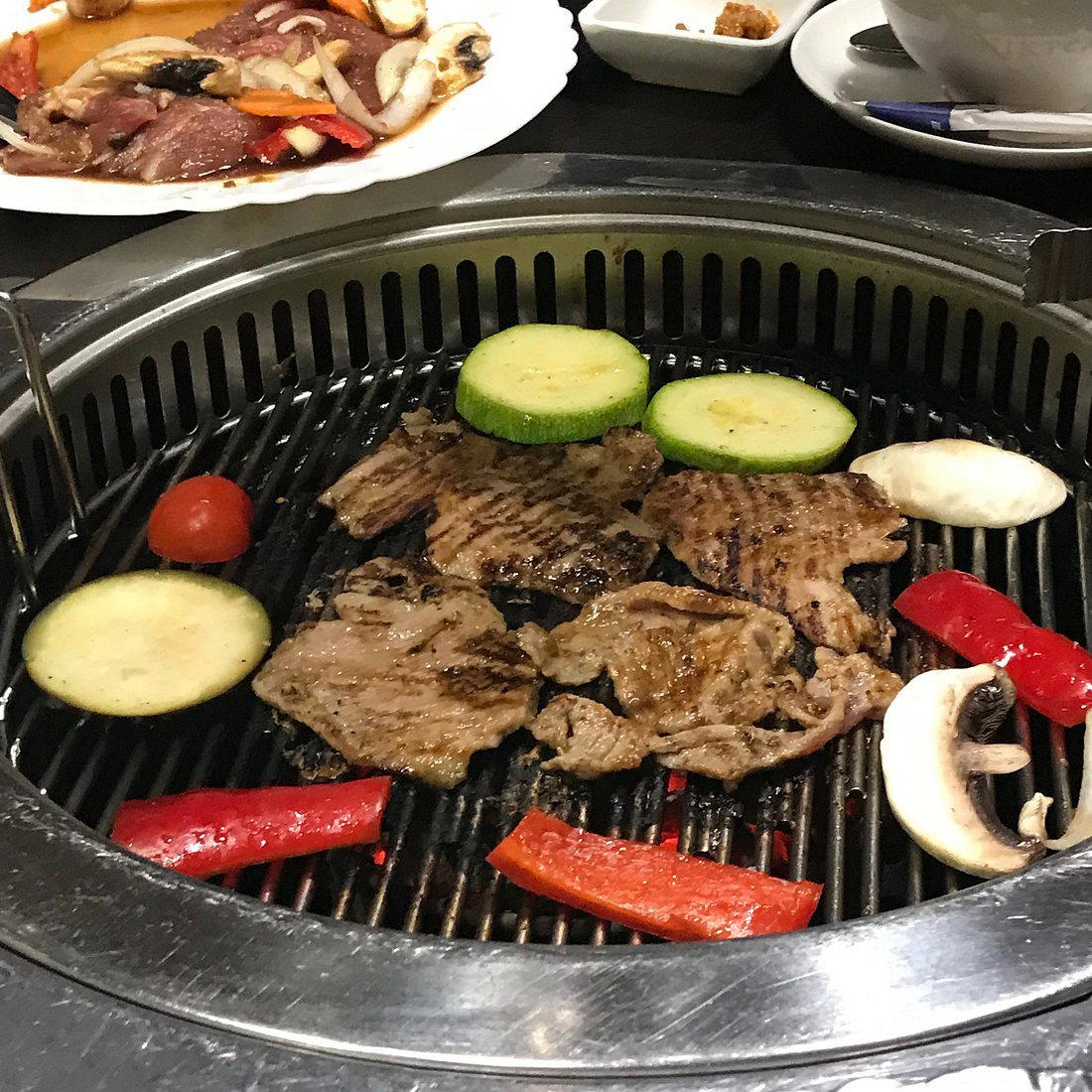
Where the Grill Becomes the Gathering
On Staro-Petergofsky Prospekt, a stretch of the Admiralteysky district that sits quietly outside the tourist circuits of Nevsky and the embankments, Korean BBQ гриль occupies a position that says something about how St. Petersburg eats now. The city's dining scene has, over the past decade, absorbed a wave of Asian formats, ramen counters, pan-Asian fusion rooms, dedicated Japanese concepts, and Korean barbecue has settled into that picture as one of the more communal, participatory options available. Unlike a tasting menu or a chef's counter, the Korean BBQ format puts the cooking in the hands of the table itself, which changes the social dynamic of the meal entirely.
The Ritual at the Center of the Table
Korean barbecue is, before anything else, a dining ritual with its own internal logic. The grill arrives at the table as infrastructure, not ornament. Proteins are portioned raw, marinades vary by cut and preparation, and the pace of eating is determined by the fire rather than the kitchen. In Seoul's barbecue districts, this format has long-standing etiquette: who tends the grill, how banchan (side dishes) are replenished, when to wrap meat in perilla or lettuce, how soju is poured between guests. Russian cities have absorbed that framework with varying degrees of fidelity, and St. Petersburg's Korean dining sector has generally trended toward formats that preserve the interactive core of the meal rather than Europeanizing it into a served format.
The address on Staro-Petergofsky Prospekt places the restaurant in a residential and light-commercial corridor rather than the prestige dining zones further north. That placement matters for understanding the likely positioning of the venue: neighborhood-facing Korean BBQ in Russian cities tends to serve a more regular, repeat-visiting crowd rather than the event-dining demographic that fills the city's destination restaurants. Compare that against options like Cococo, which operates in the high-concept Russian gastronomy space, or Birch, another address in the city's considered dining tier. Korean BBQ гриль occupies a different register entirely, one built around the shared table rather than the curated plate.
How Korean BBQ Works in Practice
The sequencing matters. A typical Korean barbecue meal opens with banchan, small cold preparations that arrive before the grill heats, offering pickled vegetables, seasoned spinach, bean sprouts, and kimchi in rotation. These are not appetizers in the Western sense; they remain on the table throughout and are meant to be eaten alongside grilled proteins at any point in the meal. The grill itself, usually recessed into the table surface and vented through a hood overhead, takes five to ten minutes to reach proper temperature. Proteins follow in an order that often moves from marinated cuts, galbi (short rib), bulgogi (thinly sliced beef), toward unmarinated options like samgyeopsal (pork belly) that benefit from being eaten with accompanying sauces and wraps.
Wrapping is the skill the format rewards. A leaf of perilla or romaine acts as the vehicle: a piece of grilled meat, a smear of fermented soybean paste, a sliver of raw garlic, a pinch of rice. The result is a single bite that compresses the whole table into one mouthful. Korean barbecue restaurants that do this well keep lettuce and perilla stocked without being asked, and replenish banchan at the same pace. The ritual falls apart when the replenishment lags, because the side dishes are structural, not decorative.
For Korean dining in a completely different city context, Jack & Chan and Made in China represent the broader Asian dining category in St. Petersburg, though both operate in formats distinct from live-fire tabletop cooking. For a sense of how Korean and contemporary Asian dining is evolving at the higher end internationally, Atomix in New York City, which holds two Michelin stars and works with Korean tasting-menu format, offers useful contrast with how the cuisine performs at its most refined register.
St. Petersburg's Position in Russia's Asian Dining Scene
Russian cities have developed distinct Asian dining personalities. Moscow's Korean and Japanese sectors skew toward luxury positioning, with some venues competing directly on the terms of international prestige dining. Twins Garden in Moscow exemplifies the capital's appetite for internationally recognized fine dining. St. Petersburg's Asian dining scene has generally developed along more neighborhood-embedded lines, with formats that prioritize regularity of use over occasion dining. That distinction is not a criticism, it reflects different urban demographics and different relationships to food as daily practice versus event.
Korean BBQ as a format is well-suited to the St. Petersburg model: it scales for small groups and large ones, the price per head can be managed across a wide range depending on protein selection, and the communal structure makes it appropriate for both first visits and regular habits. Across Russia's other major cities, comparable neighborhood-Korean positions exist in places like Dzhani Restorani in Nizhny Novgorod and Grisha in Omsk, each representing how non-Moscow cities are building out their own mid-tier dining infrastructure with international formats.
For context on how St. Petersburg's broader dining character shapes the options available, 1913 in Saint Petersburg and Harvest represent the city's more historically rooted and farm-to-table ends of the spectrum respectively, while Lev I Ptichka occupies the casual creative end. Korean BBQ гриль sits outside all of those categories, it is not Russian, not farm-to-table, not fine dining, and that positioning is precisely its function in the city's dining mix.
Planning Your Visit
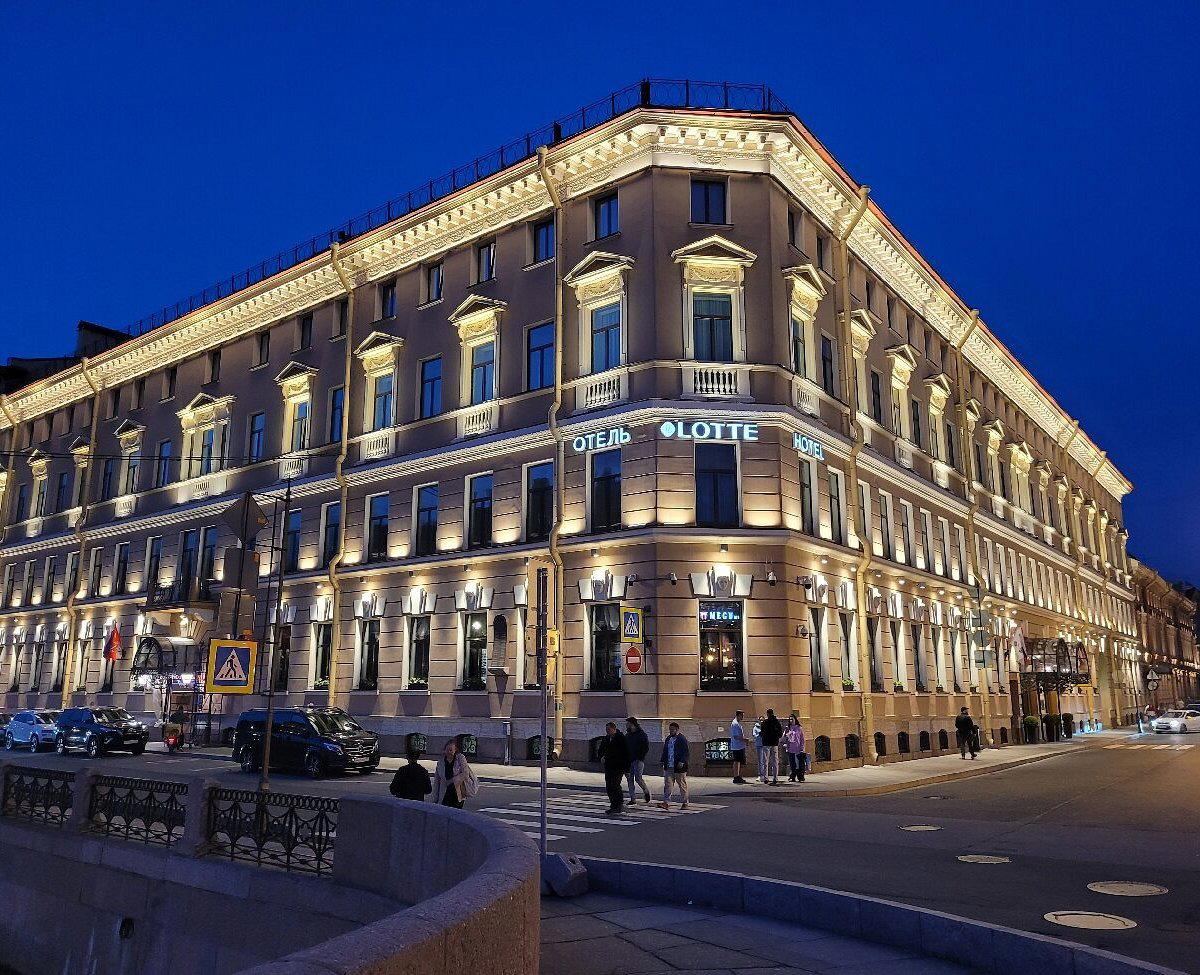
Staro-Petergofsky Prospekt 27A is accessible via the Narvskaya metro station on the Kirovsko-Vyborgskaya line, which puts it roughly fifteen to twenty minutes from the historic center by metro. The Admiralteysky district around this stretch of the prospekt is a working residential neighborhood rather than a tourist zone, which has practical implications: parking is less constrained than in the center, the surrounding streets are quieter in evenings, and the venue operates within a context of local use rather than tourist flow. Reservations are recommended. For reference on how other cities in the region handle Korean dining access, Khmeli Suneli in Yekaterinburg and Kukhterin in Tomsk offer regional comparison points for how neighborhood dining addresses handle the logistics of walk-in versus reservation formats across Russian cities.
Where It Fits
Comparable venues nearby, for context on price, style, and recognition.
| Venue | Cuisine | Price | Notes |
|---|---|---|---|
| Korean BBQ грильThis venue — the venue you are viewing | Korean Table-Top BBQ Grill | $$ | Not listed |
| Wong Kar Wine | Contemporary Asian (Thai) with Natural Wines | $$ | Liteyny |
| Harvest | Vegetable-Focused European | $$$ | Petrogradsky |
| Jack & Chan | Pan-Asian Fusion | $$ | Nevskiy |
| Made in China | Modern Asian Café & Bar | $$ | Admiralteisky |
| Cococo | Modern Russian Fine Dining | $$$ | Admiralteysky |
Continue exploring
More in Saint Petersburg
Restaurants in Saint Petersburg
Browse all →
Bars in Saint Petersburg
Browse all →



At a Glance
- Lively
- Cozy
- Energetic
- Group Dining
- Casual Hangout
- Family
- Open Kitchen
- Beer Program
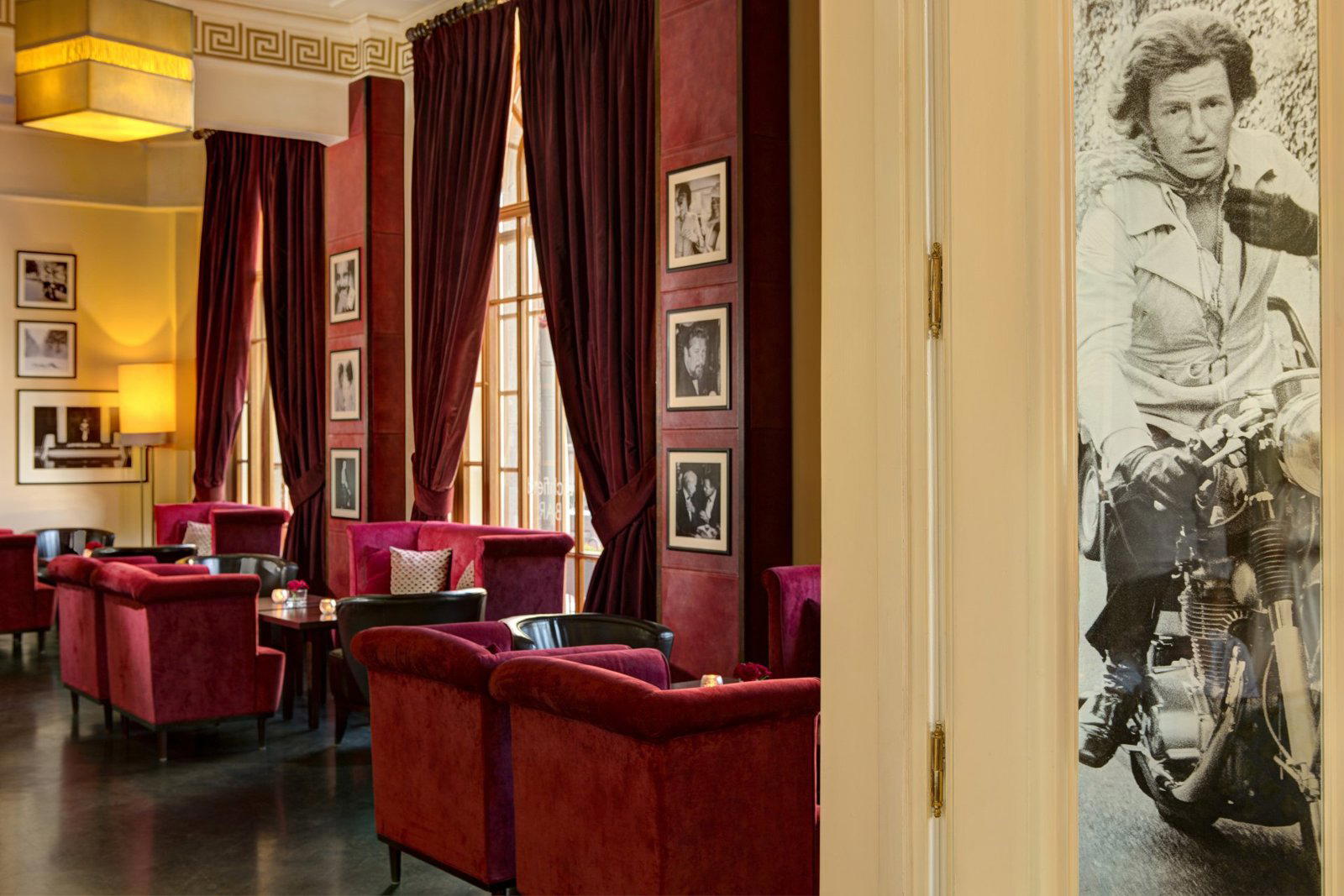
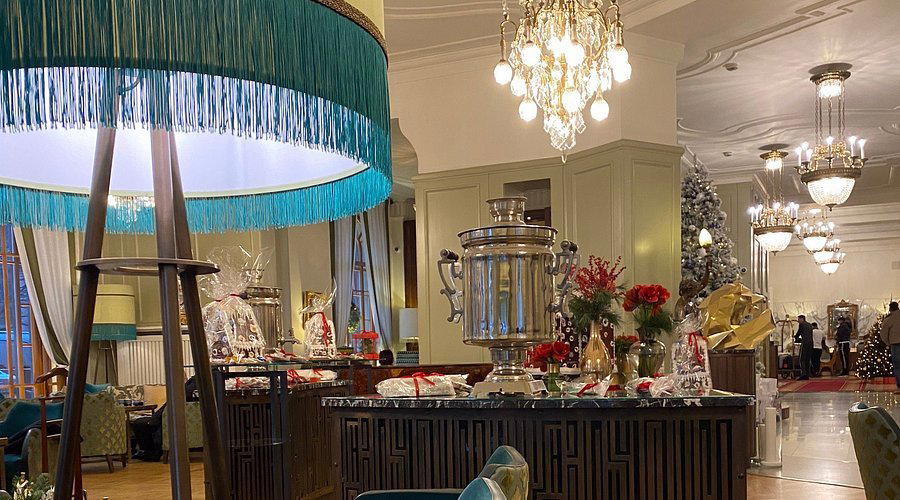
Casual and lively dining atmosphere with functional table-top grills; energetic social environment typical of Korean BBQ restaurants.