Our verdict
A trattoria operating in Takehara's preserved Edo-period merchant quarter, トラットリア M occupies one of Hiroshima Prefecture's quieter dining addresses at a moment when Italian cooking in small Japanese cities has grown considerably more serious. The address — 4 Chome-6-5 Central — places it within walking distance of the town's latticed historical streetscape, where sourcing from the Seto Inland Sea gives Italian formats a distinctly local character.

Pearl is the En Primeur Club membership app — saves, bookings, and concierge access live there. Same editors, same standards.
- Address
- 4 Chome-6-5 Central, Takehara, Hiroshima 725-0026, Japan
- Phone
- +81846489001
- Hours
- Mon ClosedTue 11:30 AM–2:30 PM, 5:30–9 PMWed 5:30–9 PMThu 11:30 AM–2:30 PM, 5:30–9 PMFri 5:30–9 PMSat 11:30 AM–2:30 PM, 5:30–9 PMSun Closed
- Website
- trattoriam.gorp.jp
- Directions
- Get directions
- Booking
- Book on the venue's website
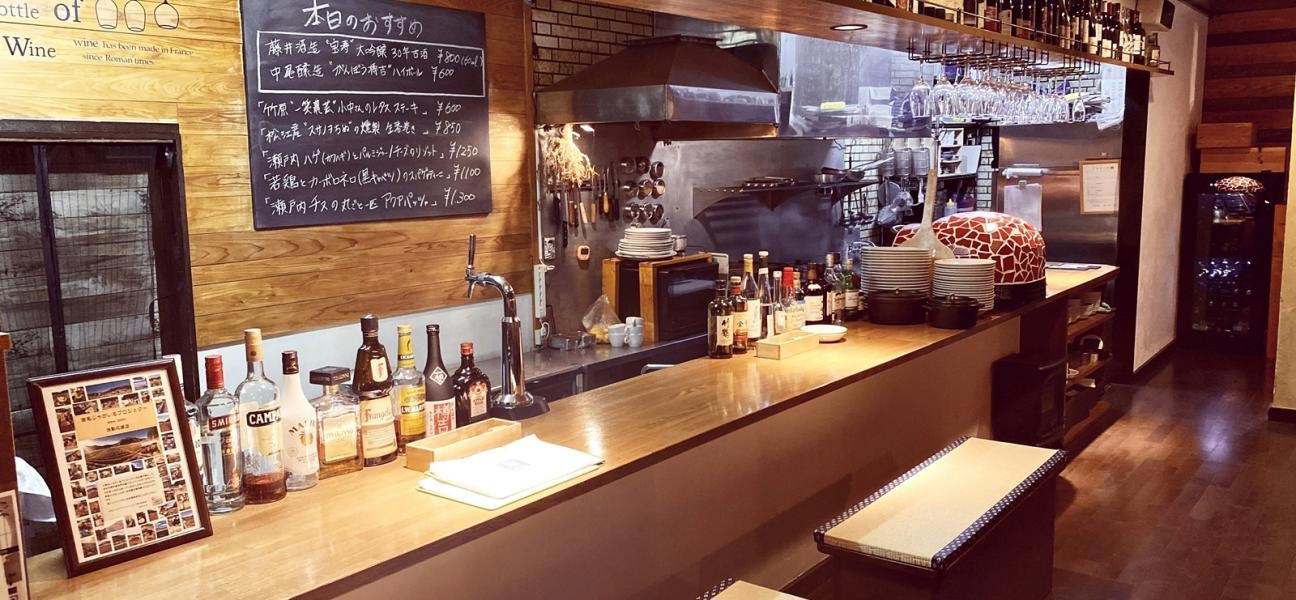
Italian Cooking in a Town That Has Not Changed Much
Takehara is unusual among small Japanese cities. Its central district survived the industrial and wartime disruptions that reshaped much of Hiroshima Prefecture, leaving a compact grid of Edo and Meiji-era merchant houses largely intact. The streets around 4 Chome run narrow, the wooden facades close together, and the pedestrian rhythm is slower than almost anywhere else in the region. It is an environment that tends to attract restaurants with a particular disposition: small rooms, deliberate menus, and an emphasis on what the surrounding water and farmland actually produces rather than what logistics can import. For context on Hiroshima Prefecture's broader dining range, see our full Takehara restaurants guide.
トラットリア M sits inside that character. The name signals Italian, which raises an immediate editorial question: what does Italian cooking look like when the kitchen is this close to the Seto Inland Sea, and this far from the supply chains that metropolitan trattorie depend on? The answer, in towns like Takehara, is typically a negotiation between format and geography — pasta and technique imported from Italy, protein and produce drawn from the water and hills immediately at hand.
The Sourcing Logic of the Seto Inland Sea
The Seto Inland Sea is one of Japan's most productive shallow-water fishing zones, and Hiroshima Prefecture sits along its northern shore with direct access to shellfish, white fish, and the oysters for which the region has been documented as a production centre for several centuries. For a trattoria working in this location, that proximity changes the sourcing calculus in ways that would be immediately legible to any kitchen trained in Italian coastal traditions. The acqua pazza or spaghetti alle vongole logic — where the quality of the cooking depends almost entirely on the quality of the shellfish, translates with unusual fidelity when the shellfish in question was harvested within a day's drive.
This is the pattern that distinguishes the more interesting Italian restaurants operating in smaller Japanese coastal cities from their counterparts in Tokyo or Osaka. Where metropolitan trattorie compete on technique, imported cheese, and cellar depth, see, for example, the complexity of the ingredient networks supporting ambitious French-Italian programs at places like HAJIME in Osaka, smaller coastal operations compete on the proximity and integrity of local ingredients. The gap between sea and plate narrows to hours. That changes what a kitchen can do with very simple preparations.
Hiroshima oysters deserve particular mention. The prefecture produces roughly two-thirds of Japan's farmed oyster output, and the flat, mineral-forward character of oysters grown in the Seto's brackish mixing zones differs markedly from the creamier Pacific oysters farmed in colder northern waters. A trattoria with access to that supply and the sense to use Italian technique lightly, crudo, a quick gratin, or simply on the shell, is working with an ingredient that needs very little intervention to read as sophisticated.
The Trattoria Format in Provincial Japan
Italy's trattoria tradition is, at its core, a provincial format. The original logic was neighbourhood familiarity: a fixed clientele, a menu that changed with what the market offered that morning, and a level of informality that distinguished the category from ristorante dining. That model has proved more adaptable to provincial Japanese settings than fine-dining Italian formats, which require the infrastructure of a large city to sustain. In towns like Takehara, the trattoria framework, small capacity, local sourcing, moderate formality, maps reasonably well onto what the local economy can support and what regular diners actually want.
The comparison set for トラットリア M is not the multi-starred kaiseki rooms of Kyoto or the precision-driven omakase counters of Tokyo. Those are different categories, different price tiers, different dining contracts. The relevant comparison is with other Italian and European-format restaurants operating in mid-sized Japanese cities at a remove from the major urban corridors: places like akordu in Nara, which has built a case for serious European cooking in a historically oriented smaller city, or Bistro Ange in Toyohashi, working a French-leaning format in similarly provincial conditions.
Reading Takehara Against Japan's Broader Dining Moment
Japan's restaurant geography has shifted. For most of the 2000s and 2010s, serious dining in Japan meant Tokyo, Osaka, or Kyoto. The Michelin concentration in those cities was overwhelming: Harutaka in Tokyo, Gion Sasaki in Kyoto, and Goh in Fukuoka represent the kind of credential density that makes metropolitan Japan the reference point for the country's dining reputation internationally. But a quieter pattern has been developing in smaller cities and towns: kitchens that compete not on award accumulation but on the tightness of their local sourcing and the specificity of their setting.
Takehara fits that pattern. The town's preservation status brings a modest but consistent visitor flow, which supports restaurants that might otherwise struggle with the economics of small-city dining. The Seto Inland Sea access provides ingredient quality that is difficult to replicate in cities further from the coast. For other coastal dining reference points in the broader Japanese context, Cafe Naoshima Konichiwa in Naoshima illustrates how island and coastal settings in the Seto region have developed their own dining identities distinct from the mainland urban hierarchy.
Planning a Visit
Takehara is accessible by JR from Hiroshima Station, with the Kure Line running to Takehara Station in approximately 90 minutes. The historical district is a short walk from the station. The most reliable approach is to confirm directly on arrival in Takehara, or to ask accommodation staff in Hiroshima city for current status before making the trip specifically for this address. Denko Sekka in Hiroshima offers a well-documented alternative within the prefecture if plans require adjustment.
Frequently asked questions
What kind of setting is トラットリア M?
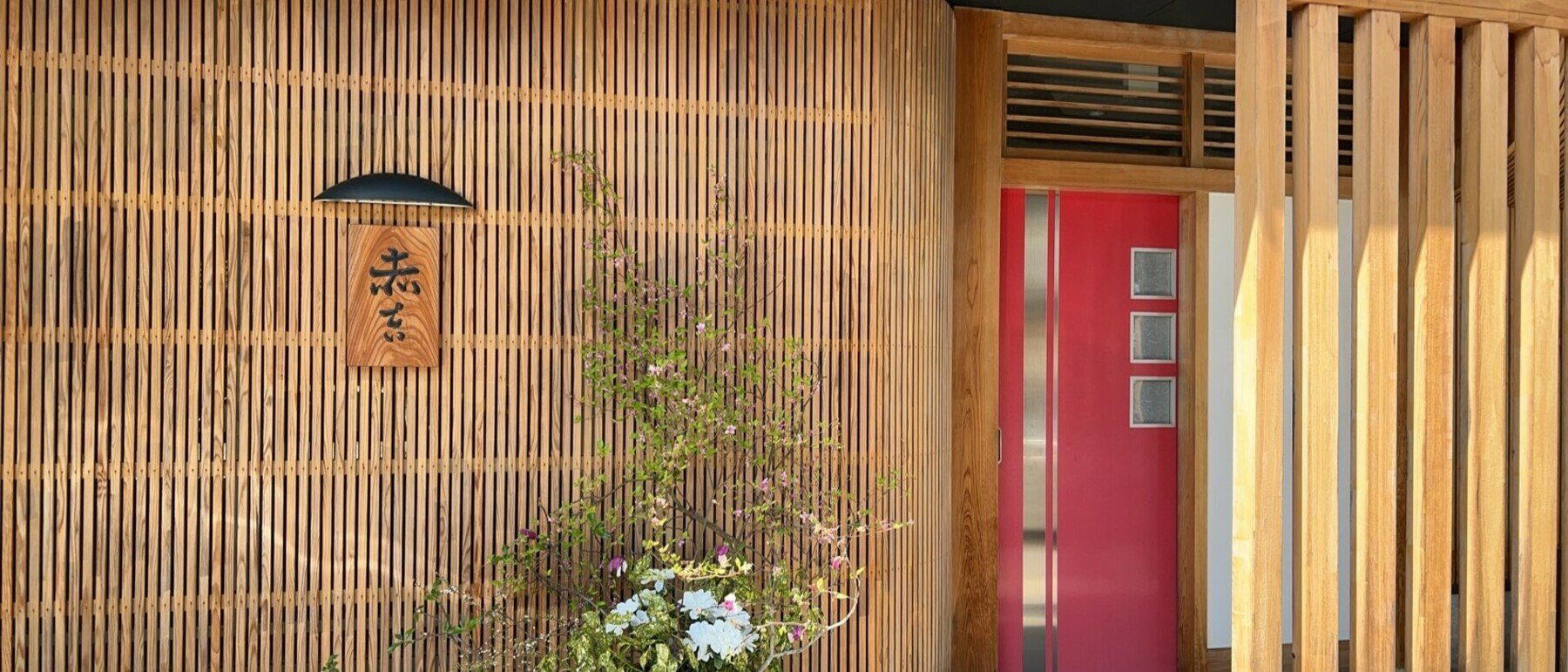
The address places the restaurant in Takehara's central district at 4 Chome-6-5, a preserved quarter whose Edo-period streetscape survived the disruptions that altered most of Hiroshima Prefecture. That physical context shapes the experience: this is provincial Italian dining in a townscape that looks largely unchanged from a century ago, closer in atmosphere to a regional Italian comune than to a Tokyo dining room.
Is トラットリア M worth a detour from Hiroshima city for Italian food?
Takehara Station is approximately 90 minutes from Hiroshima Station via the JR Kure Line, which makes this a deliberate half-day commitment rather than a casual dinner stop. The case for the detour rests on the combination: an intact Edo-period townscape, direct Seto Inland Sea produce access, and a restaurant format — the provincial Italian trattoria — that mirrors Takehara's own neighbourhood-scale character. There are no Michelin listings or award records on file for トラットリア M, so the draw is contextual rather than credential-driven.
What do regulars order at トラットリア M?
In the trattoria tradition, the menu typically follows what is local and seasonal rather than a fixed repertoire, which suggests seafood sourced from that coastline plays a recurring role for returning guests.
Comparable Venues
Comparable venues nearby, for context on price, style, and recognition.
| Venue | Cuisine | Price | Awards | Notes |
|---|---|---|---|---|
| トラットリア MThis venue — the venue you are viewing | Local Takehara Italian Trattoria | $30–50 | Not listed | Not listed |
| SAVOY Tomato & Cheese (SAVOY とまととちーず) | Wood-fired Neapolitan-style pizza | $50–100 | Tabelog 100 #30 | Azabujuban |
| pizzeria 39 | Italian Pizza | Not listed | Not listed | Tobe-cho |
| SAVOY Classic (SAVOY クラシック) | Neapolitan Pizza | $20–30 | Not listed | Azabu Juban |
| DEL SOLE | Authentic Neapolitan Pizza | Not listed | Not listed | Niseko |
| IL PAPPALARDO (イル パッパラルド) | Authentic Italian Pizza and Pasta | $20–30 | Tabelog 100 #47 | Higashiyama-Ku |
Details
- Rustic
- Cozy
- Lively
- Casual Hangout
- Group Dining
- Open Kitchen
- Sake Program
- Local Sourcing
- A La Carte
- Sake Program
Current opening hours
- Monday
- Closed
- Tuesday
- 11:30 AM–2:30 PM, 5:30–9 PM
- Wednesday
- 5:30–9 PM
- Thursday
- 11:30 AM–2:30 PM, 5:30–9 PM
- Friday
- 5:30–9 PM
- Saturday
- 11:30 AM–2:30 PM, 5:30–9 PM
- Sunday
- Closed
Hours can change for holidays and private events. Last verified .
Quietly glamorous with a lively casual atmosphere focused on local flavors and wine.