Lounge Nagomi
Our verdict
Lounge Nagomi sits on the Shiga Kogen plateau in Yamanouchi, a ski and onsen town in Nagano Prefecture where the sourcing logic of mountain hospitality shapes what ends up on the table. The setting places it within a regional dining culture defined by altitude, seasonality, and the particular larder that Nagano's valleys and highlands produce year-round. For those travelling through Shiga Kogen, it anchors the local lounge tradition in the Ichinose Family area.

Pearl is the En Primeur Club membership app — saves, bookings, and concierge access live there. Same editors, same standards.
- Address
- 志賀高原 一の瀬ファミリー通り 下高井郡山ノ内町 志賀高原 一の瀬ファミリー通り, Hirao, Yamanouchi, Shimotakai District, Nagano 381-0401, Japan
- Phone
- +81 269-34-2217
- Hours
- Mon 7:30–9 AM, 11:30 AM–1:30 PM, 6–8:30 PMTue–Thu ClosedFri–Sun 7:30–9 AM, 11:30 AM–1:30 PM, 6–8:30 PM
- Website
- shiga-sanraku.jp
- Directions
- Get directions
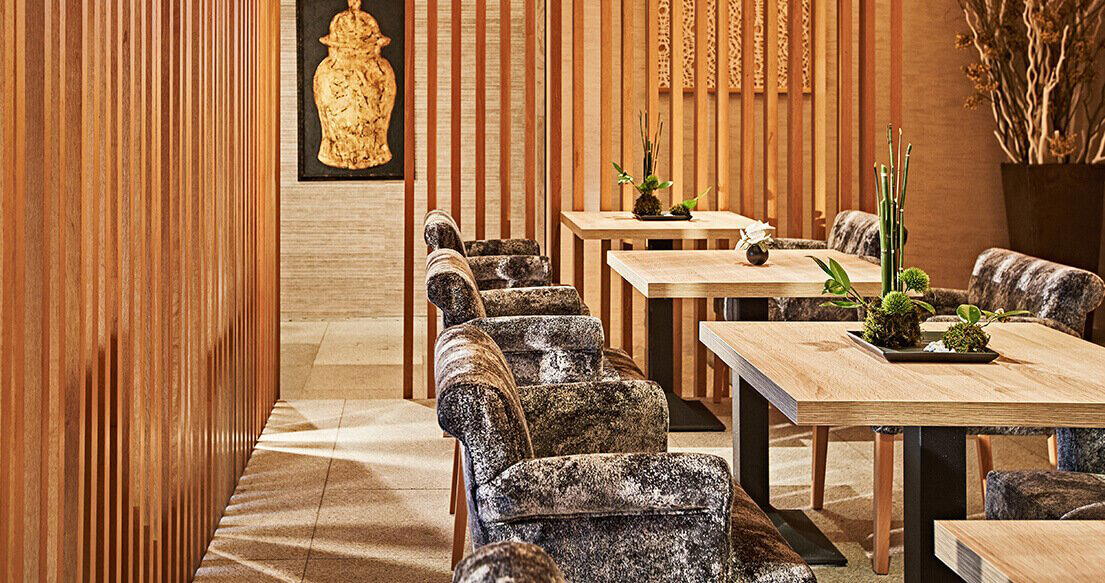
Mountain Altitude and the Sourcing Logic of Nagano's Table
The Shiga Kogen plateau sits at elevations between 1,500 and 2,000 metres above sea level, and that altitude is not incidental to what gets cooked and served up here. Nagano Prefecture has long operated as one of Japan's most self-sufficient food regions: Nozawana pickles, soba from buckwheat grown in the highland basins, Shinshu miso aged in cedar barrels, and an apple and stone-fruit culture that benefits from the wide diurnal temperature swings. Dining in this part of Honshu is shaped by proximity to that larder in ways that urban restaurant culture, however sophisticated, cannot replicate. The ingredients arrive with shorter supply chains and, in winter especially, with the natural preservation logic that cold mountain air provides.
Lounge Nagomi occupies a position within that context, situated along Ichinose Family-dori in Yamanouchi's Shiga Kogen area, a corridor that functions as the social spine of the ski resort zone. The address places it in a part of Nagano that most visitors encounter in winter, arriving for powder skiing at the Shiga Kogen interconnected resort, but the setting has a year-round character shaped by the surrounding beech forests and the onsen culture for which Yamanouchi is equally known. The Jigokudani Monkey Park draws visitors through every season, and the town's hospitality infrastructure reflects that mixed rhythm.
What the Shiga Kogen Lounge Format Represents
In Japanese ski resort culture, the lounge format occupies a specific and understood role. It sits between the stand-up soba counter and the full kaiseki progression, offering a pace and format suited to people who have spent the morning on the mountain or soaking in a rotenburo. Nagano's resort areas have developed this category with more consistency than comparable zones elsewhere in Japan, partly because the clientele mixes domestic skiers familiar with local ingredients and international visitors who arrive with expectations calibrated elsewhere.
The leading examples of the format in this region anchor their menus in what the prefecture actually grows and produces: Shinshu beef, local wild vegetables in spring (warabi, kogomi, taranome), highland mushrooms through autumn, and preserved goods that carry summer flavour into the deep winter months. For a broader picture of what Yamanouchi offers across the dining spectrum, the Our full Yamanouchi restaurants guide maps the range.
Nagano as a Sourcing Region: Why It Matters for Travellers
Japan's mountain prefectures have attracted renewed attention as sourcing regions precisely because altitude and climate produce ingredients that lowland agriculture cannot replicate at the same quality. Nagano's soba is perhaps the clearest example: buckwheat thrives in cold, relatively dry conditions, and the prefecture's output is distinct enough that Tokyo's premium soba restaurants specify Shinshu origin on their menus. The same logic applies to dairy, which has developed steadily in the highland areas around Shiga Kogen, and to the river fish, particularly iwana and yamame, that come from the cold-water streams feeding into the Chikuma River system.
This sourcing geography means that dining in Yamanouchi carries an inherent advantage for ingredients that reward short supply chains. That advantage is most visible in smaller, locally-anchored venues rather than in hotel dining rooms sourcing centrally. Nearby, だるま食堂(ホテルジャパン志賀) represents the hotel-adjacent end of the local dining spectrum. The gap between lounge, casual dining, and full-service kaiseki in this part of Nagano is worth understanding before planning an itinerary around food.
Placing Yamanouchi in the Wider Japan Dining Conversation
The cities that dominate Japan's fine-dining conversation operate at a different register. HAJIME in Osaka and Harutaka in Tokyo represent the urban apex of the country's restaurant culture, with Michelin recognition and reservation systems that function months in advance. Gion Sasaki in Kyoto and Goh in Fukuoka similarly operate within award-tracked frameworks. akordu in Nara shows how regional cities outside the Michelin metro circuits have developed their own credentialed dining culture.
Yamanouchi is not competing in that tier, and that distinction matters for how you approach it. The value here is not in seeking urban fine-dining standards transported to the mountain; it is in the ingredients and setting that the mountain makes possible and that no urban restaurant, however decorated, can provide. Shiga Kogen in February, with fresh snow on the surrounding slopes and a bowl of locally-sourced ingredients in front of you, is a specific and unreproducible experience. It does not require Michelin stars to be worth seeking out.
Elsewhere in Japan's regional dining geography, venues like 一本木 育川製 in Nanao, 湖畔荘 in Takashima, and 鳥羽屋 in Nishikawa Machi illustrate how Japan's non-metropolitan dining culture carries its own coherent logic, often organised around proximity to specific ingredients rather than around chef celebrity or award accumulation. The same is true of 古代山乃 in Sapporo, which operates within Hokkaido's distinct northern sourcing culture. For reference points further afield, Birdland in Sakai, Bistro Ange in Toyohashi, bodai in 那智勝浦町, Cafe Naoshima Konichiwa in Naoshima, and Blue Ocean Steak in Nakagami District each reflect how Japan's regional dining culture rewards itinerary planning that reaches beyond the major city circuits.
Planning a Visit: What to Expect
Yamanouchi and the Shiga Kogen area are most practically reached by Shinkansen to Nagano Station, followed by a bus or taxi connection to the plateau, a journey that takes roughly 90 minutes from Tokyo on the Hokuriku Shinkansen. The peak winter season runs from late December through March, when road conditions on the plateau require attention and venue operating hours tend to align with ski resort rhythms. Summer and autumn see lighter visitor numbers, different menus reflecting the seasonal shift in local produce, and more accessible conditions for those arriving without ski equipment.
Given the resort context, walk-in availability may vary significantly between peak season weekends and midweek periods.
Frequently asked questions
Can I bring kids to Lounge Nagomi?
Lounge Nagomi sits on the Ichinosegawa family trail in Shiga Kogen — the address itself references a family-oriented ski corridor, which suggests the setting is not strictly adult-only. That said, specific age policies are not documented, so contacting the venue directly before visiting with young children is the practical approach.
What's the vibe at Lounge Nagomi?
The lounge format in Japanese ski resorts occupies a deliberate middle register: more settled than a stand-up counter, less ceremonial than a full kaiseki room. At an elevation of roughly 1,500 to 2,000 metres on the Shiga Kogen plateau, Nagomi reads as a place to decompress after the slopes rather than a destination dining room. The Yamanouchi location keeps the frame mountain-casual rather than urban.
Is Lounge Nagomi a good stop after skiing at Shiga Kogen?
Lounge Nagomi is positioned directly on the Ichinosegawa family trail in Yamanouchi, placing it within the Shiga Kogen ski area rather than at a remove from it. The lounge format — as it functions in Japanese mountain resort culture — is structured precisely for post-ski use, offering a seated, warmer alternative to outdoor food stalls or crowded base-lodge counters. Its Nagano plateau setting means any kitchen sourcing from the region has immediate access to Nagano's well-documented alpine produce network.
What do people recommend at Lounge Nagomi?
Visitors to Shiga Kogen generally find that the regional produce speaks louder than any single dish recommendation.
Comparison Snapshot
Comparable venues nearby, for context on price, style, and recognition.
| Venue | Cuisine | Price | Notes |
|---|---|---|---|
| Lounge NagomiThis venue — the venue you are viewing | Traditional Japanese | $30–50 | Not listed |
| レストハウス寺子屋 | Japanese Mountain Comfort Food | $10–20 | 山ノ内町 |
| だるま食堂(ホテルジャパン志賀) | Japanese Donburi | $10–20 | Yamanouchi |
| 中国料理 獅子 | Chinese Restaurant | $20–30 | 志賀高原 (Shiga Kogen) |
| 樺太食堂 | Fresh Hokkaido Seafood Bowls | $20–30 | Noshappu |
| Sonmin Shokudo (村民食堂) | Shinshu Regional Japanese | Not listed | Hoshino Area |
Continue exploring
More in Yamanouchi
Restaurants in Yamanouchi
Browse all →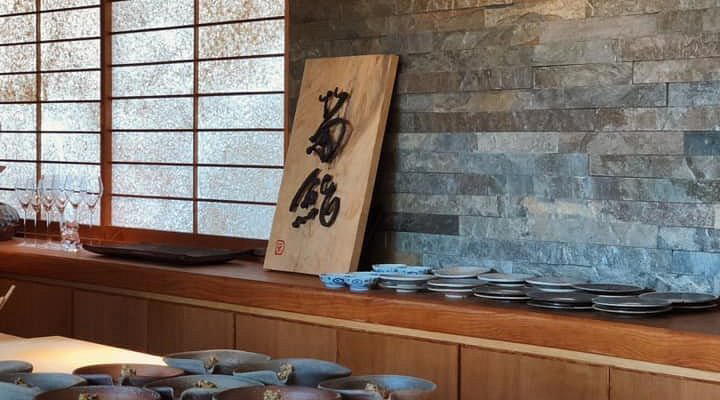
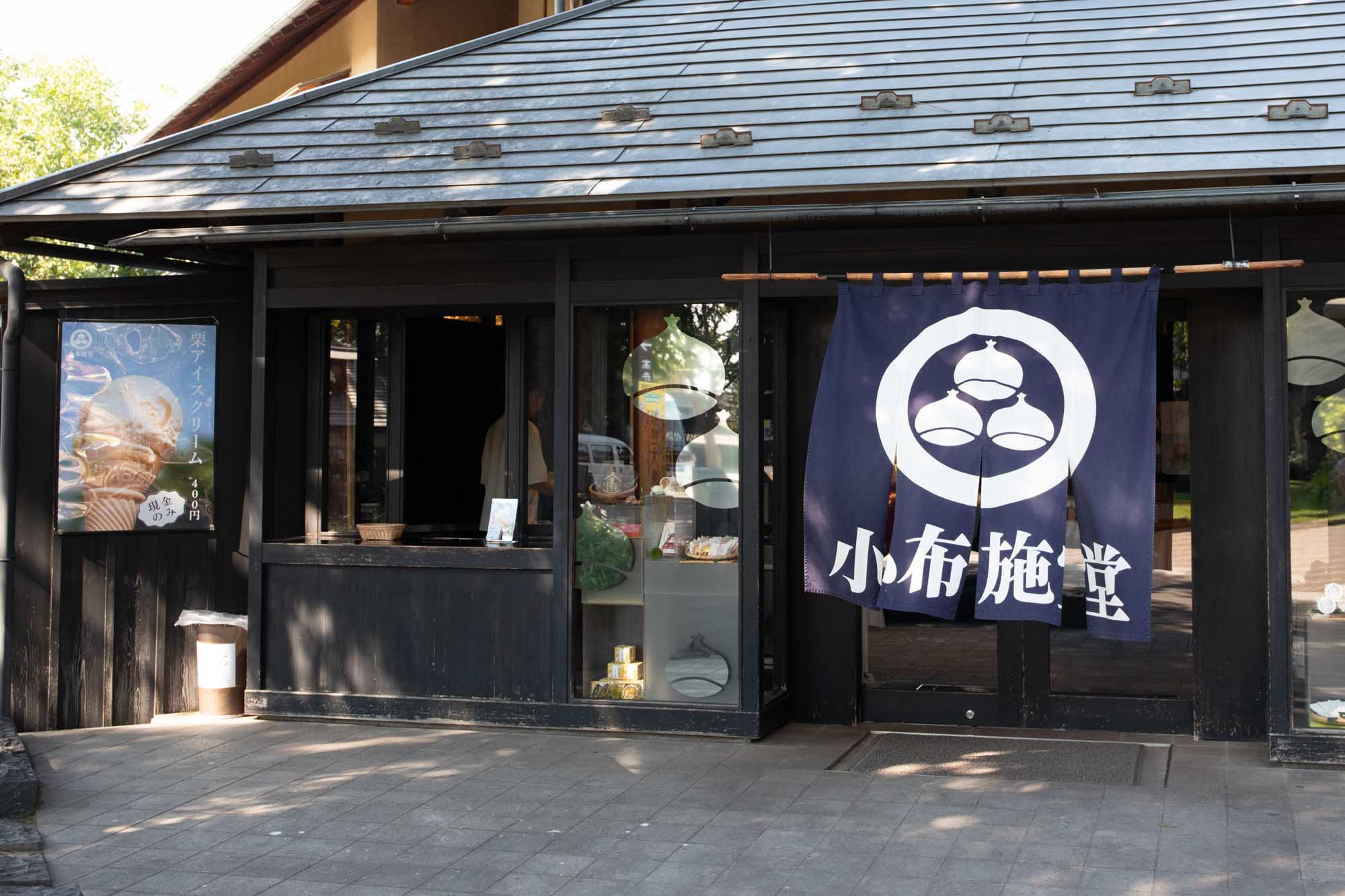
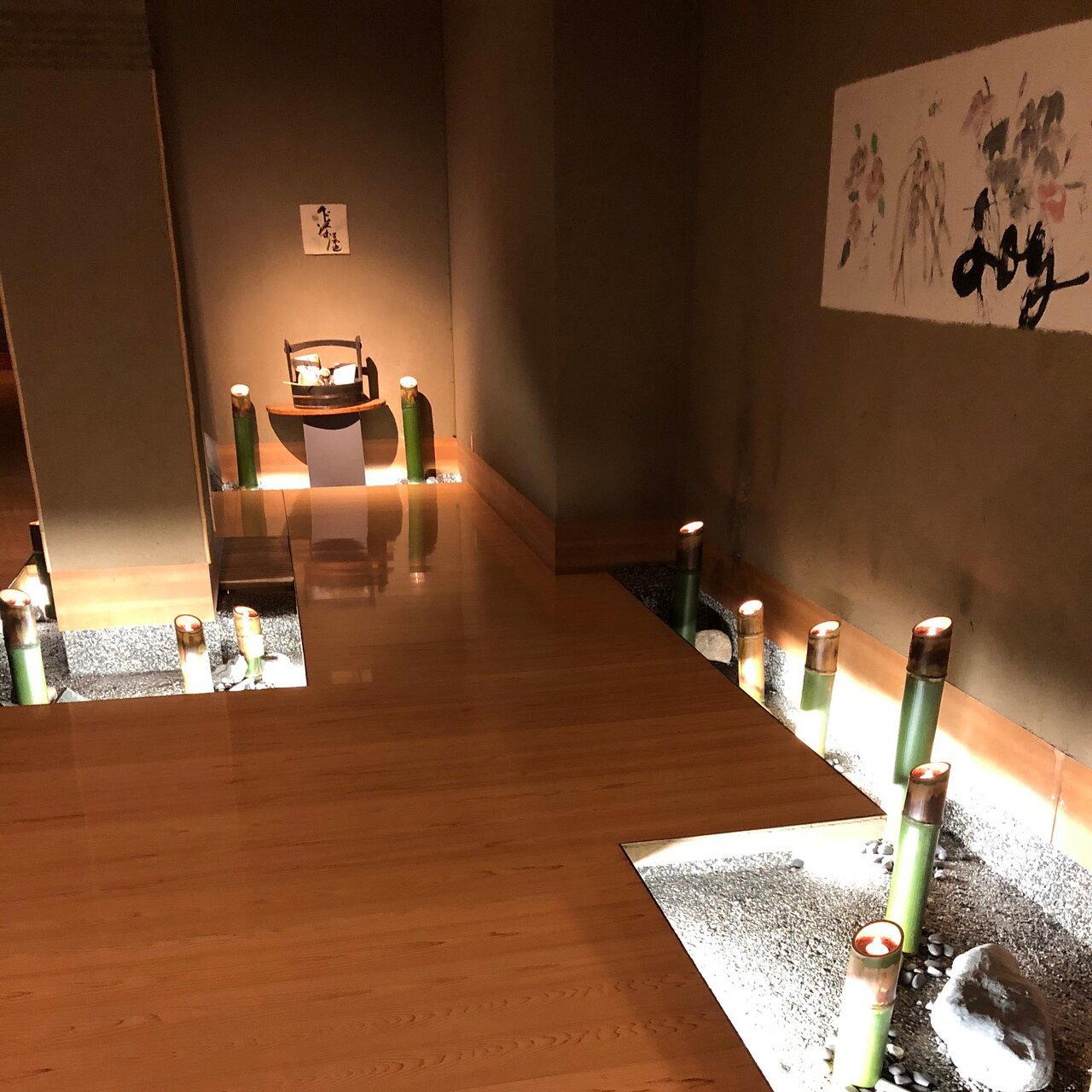
Hotels in Yamanouchi
Browse all →
Wineries in Yamanouchi
Browse all →
Details
- Cozy
- Classic
- Casual Hangout
- Solo
- Hotel Restaurant
- A La Carte
Current opening hours
- Monday
- 7:30–9 AM, 11:30 AM–1:30 PM, 6–8:30 PM
- Tuesday
- Closed
- Wednesday
- Closed
- Thursday
- Closed
- Friday
- 7:30–9 AM, 11:30 AM–1:30 PM, 6–8:30 PM
- Saturday
- 7:30–9 AM, 11:30 AM–1:30 PM, 6–8:30 PM
- Sunday
- 7:30–9 AM, 11:30 AM–1:30 PM, 6–8:30 PM
Hours can change for holidays and private events. Last verified .
Warm and welcoming atmosphere with classic Japanese hospitality, designed for casual dining and relaxation.