
Relais Chateaux Award
Our verdict
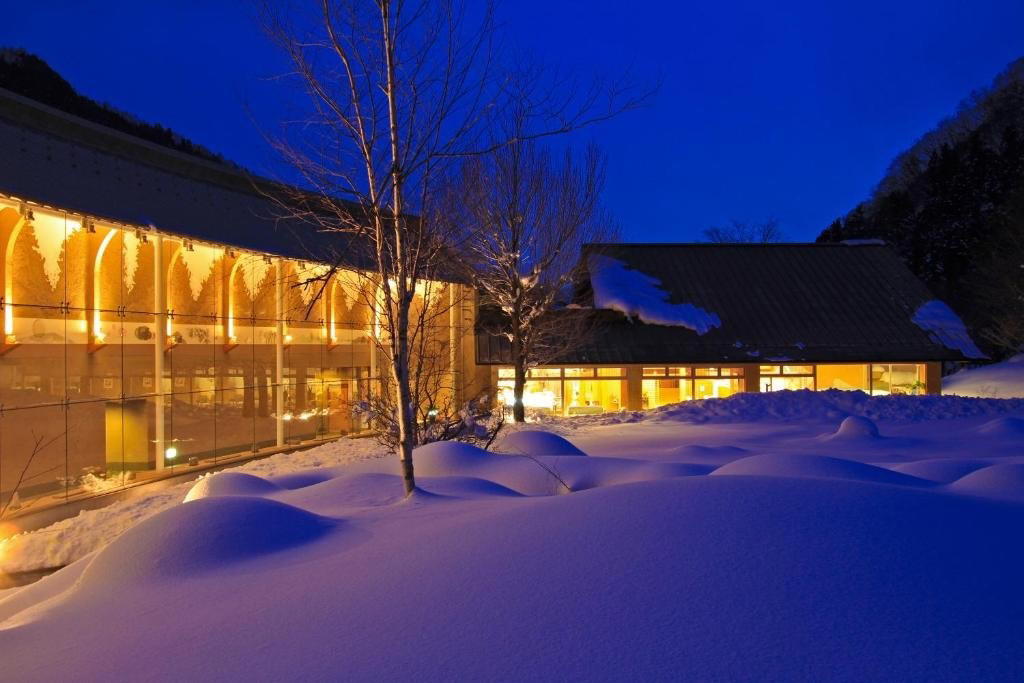
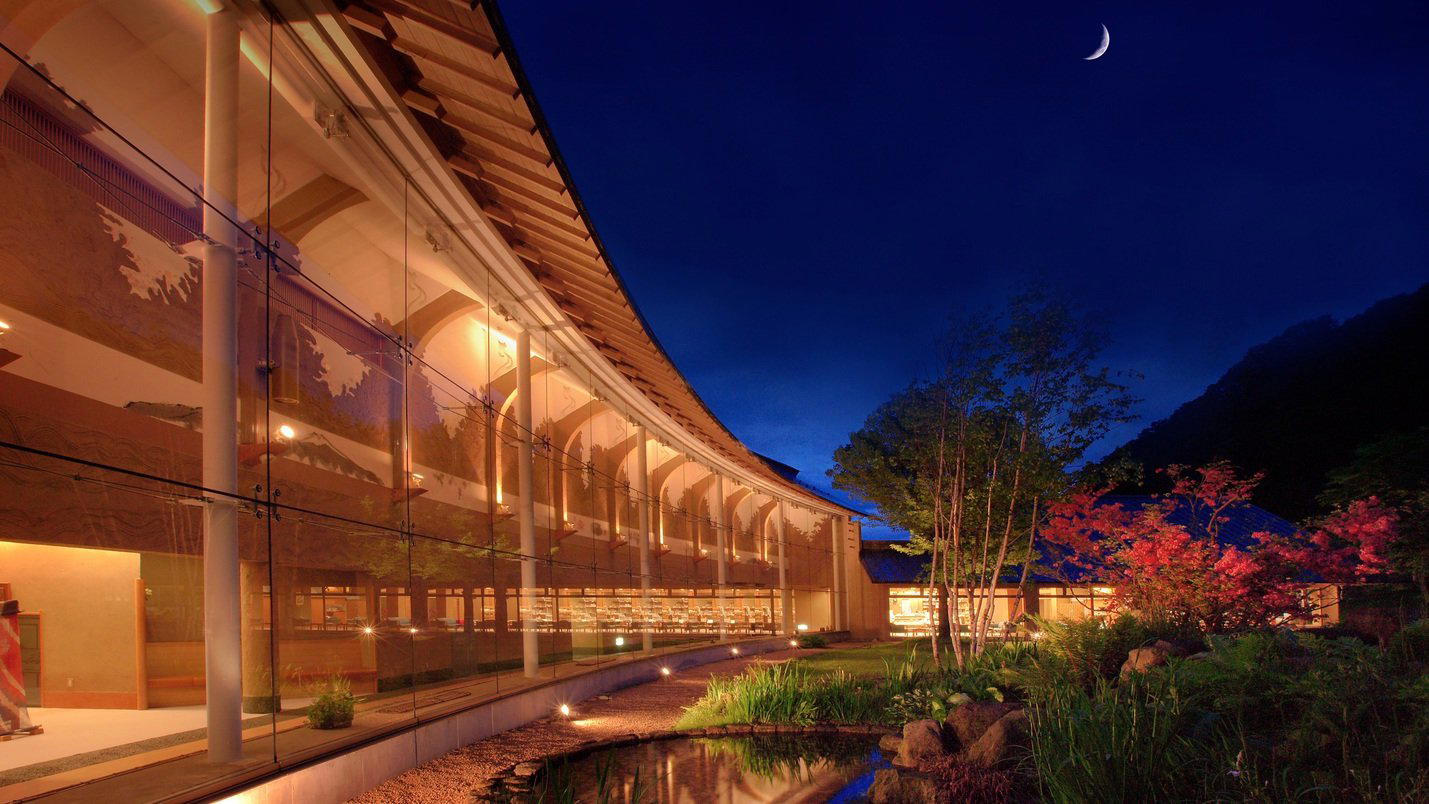
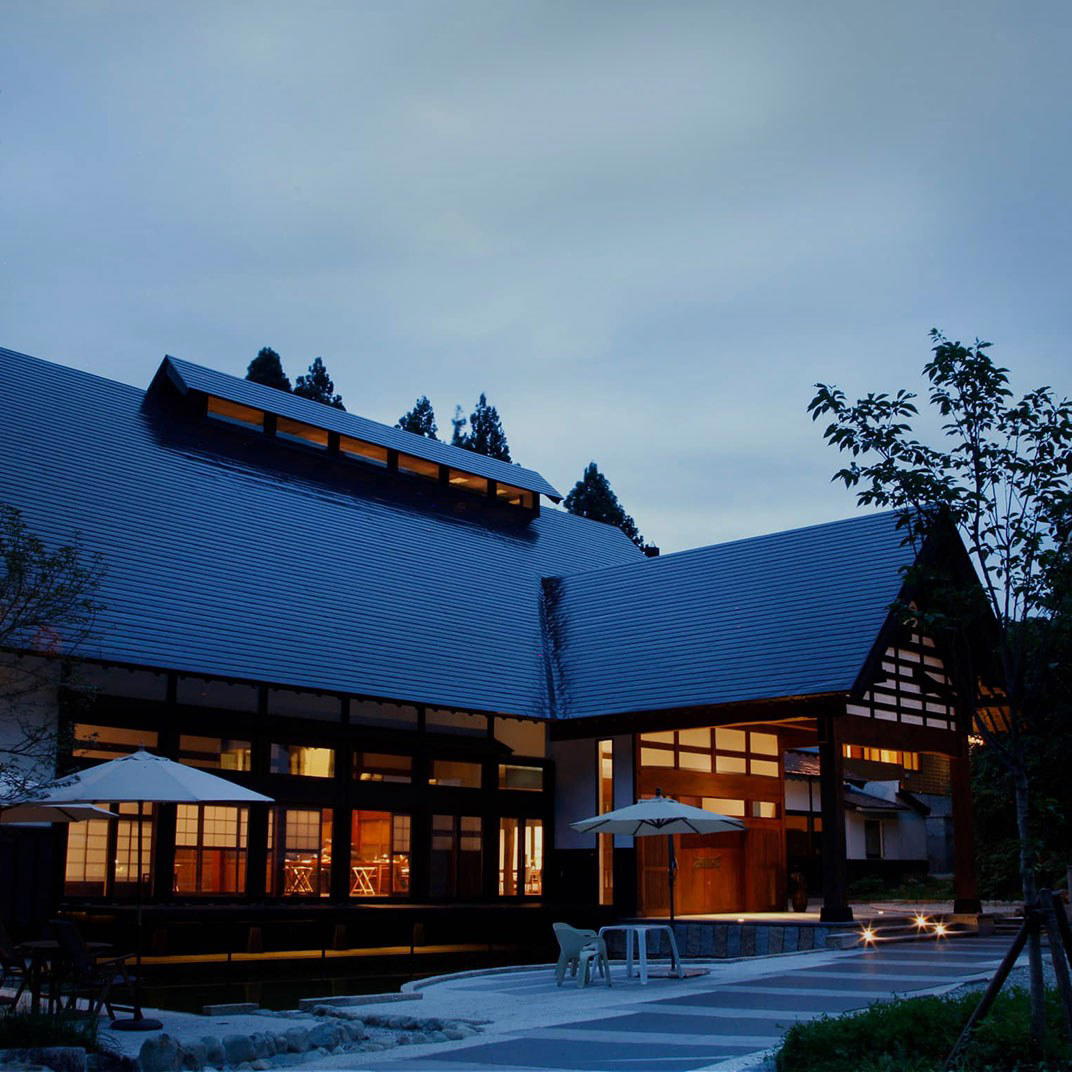
Bettei Senjuan sits in the Tanigawa valley of Gunma Prefecture, roughly 90 minutes from Tokyo by train, combining private onsen access with views of Mount Tanigawa and a Japanese dining program under Chef Mitsuhiro Tomioka. The property's contemporary aesthetic and intimate scale position it within a small cohort of mountain retreat properties that operate as genuine alternatives to urban kaiseki, not merely as scenic add-ons to a hot spring stay.

Pearl is the En Primeur Club membership app — saves, bookings, and concierge access live there. Same editors, same standards.
- Address
- 614 Tanigawa, Minakami, Tone District, Gunma 379-1619, Japan
- Phone
- +81 278-20-4141
- Website
- senjyuan.jp
- Directions
- Get directions
The menu
What to order
- Grilled Conger Eel Soufflé with Red King Crab and Yuba
- Joshu Beef Sushi
- Joshu Beef Roasted with Sansyo Pepper
- Seasonal Sweetfish and Char Preparations
A Mountain Setting That Frames the Meal
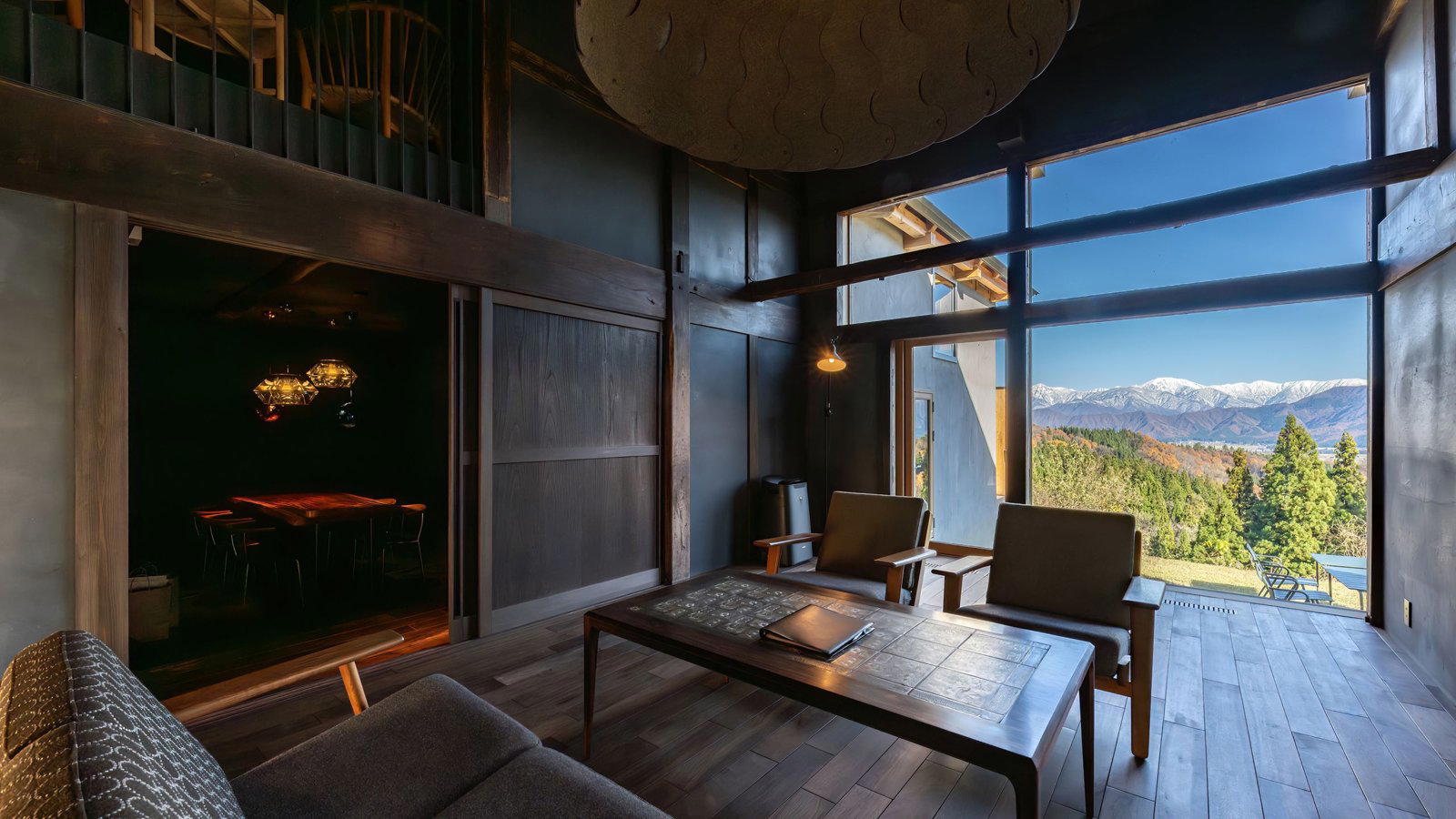
The approach to Tanigawa valley sets the terms before you arrive at the table. The road from central Minakami narrows as it follows the river north, and the ridgeline of Mount Tanigawa comes into view well before the property does. This is not incidental scenery. In kaiseki tradition, the physical environment is considered part of the meal itself — the principle of shizenshou, or the natural world as participant rather than backdrop, shapes everything from the choice of seasonal ingredients to the selection of vessels. At Bettei Senjuan, the mountain views are structural to the experience, not decorative.
That framing matters because it distinguishes this kind of property from the large-format ryokan that dominate Gunma's hot spring belt. Where those properties deliver kaiseki as one component of a standardised overnight package, a smaller mountain retreat built around contemporary aesthetics and private onsen access creates a different hierarchy. The dining is not subordinate to the bathing, nor the reverse. They are complementary elements of a single, time-structured stay — which is precisely how kaiseki was designed to function.
Kaiseki in Context: City Counter vs Mountain Room
Japan's kaiseki tradition spans a wide range of settings and price tiers. At the top of the urban bracket, multi-Michelin-starred counters like Gion Sasaki in Kyoto or Tokyo operations such as Myojaku and Azabu Kadowaki serve as the critical reference points, tightly choreographed, heavily awarded, and priced accordingly. But kaiseki did not originate in cities, and the tradition carries a parallel strand of mountain and coastal retreat dining that operates on different terms. Seasonal produce arrives from a different altitude and climate zone. The pacing of the meal reflects the longer timeline of an overnight stay rather than the two-hour urban counter. The ceramics and lacquerware echo the materials of the surrounding landscape rather than the refined minimalism of Kyoto's machiya.
Bettei Senjuan sits within that mountain retreat strand. Chef Mitsuhiro Tomioka leads the kitchen, and while the property's contemporary aesthetics suggest a degree of departure from classical ryokan conventions, the underlying logic of the meal remains seasonal, sequential, and rooted in place. That positioning is worth understanding before you arrive: this is not a city kaiseki counter that happens to be in the mountains. It is a property where the mountain is the premise.
For comparison, the Tohoku and northern Kanto regions have produced a number of serious dining programs operating outside the major urban circuits. affetto akita in Akita and Ajidocoro in Yubari District both illustrate how regional Japanese properties can build distinctive programs by anchoring entirely to local produce and seasonal rhythms rather than competing directly with urban fine dining on its own terms.
Private Onsen and the Logic of the Overnight
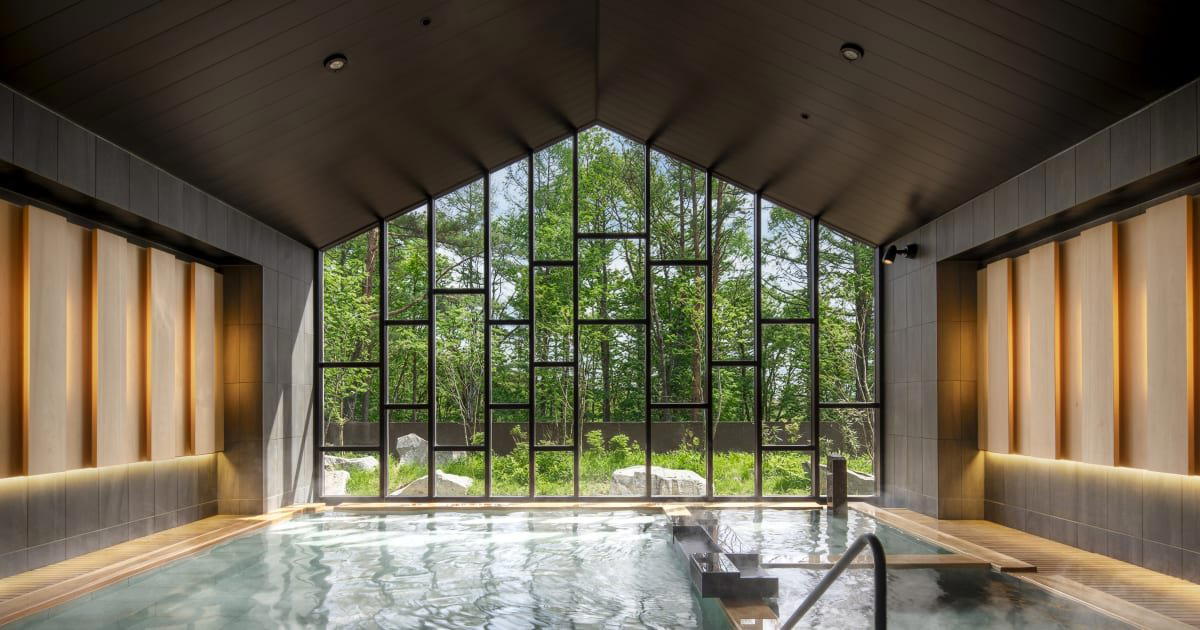
The kaiseki meal makes its fullest sense across a full day. The traditional arc, afternoon arrival, a bath before dinner, the long sequential meal, rest, an early morning bath, and a morning meal that mirrors the previous night's in its attention, is not sentimentalism about old Japan. It is a functional framework for experiencing the same kitchen and the same landscape under different light and bodily conditions. Private onsen access is what makes that arc work without the social management of shared bathing facilities. At Bettei Senjuan, the combination of private onsen and mountain views delivers the conditions for that full sequence.
The distinction between private and shared bathing is not merely comfort-related. In properties with large shared baths, the onsen schedule shapes the guest's movement and timing. Private access returns that control to the individual stay, which in turn allows the meal to take whatever pace the kitchen sets without guests managing competing obligations. For a kaiseki program, that freedom of pace is material, not cosmetic.
Getting Here from Tokyo
Access picture is one of Bettei Senjuan's most practical attributes. The Joetsu Shinkansen from Tokyo connects to Jomo-Kogen Station in roughly 75 minutes, and the nearest JR Minakami Station sits approximately two kilometres from the property's address at 614 Tanigawa. That puts the property well within the range of a weekend departure from central Tokyo without requiring air travel or multi-leg transfers.
Tokyo Haneda lies approximately 190 kilometres away, and Tokyo Narita approximately 250 kilometres, making either international gateway viable for visitors arriving from outside Japan. For those building a longer Japan itinerary, Minakami works as a single-night or two-night detour from the Tokyo-to-Kyoto corridor without requiring significant routing compromises. For further context on how Minakami fits into a broader Japan dining itinerary, see our full Minakami restaurants guide, our full Minakami hotels guide, and our full Minakami experiences guide.
Where Bettei Senjuan Sits in the Wider Japanese Fine Dining Circuit
The Japanese restaurant circuit that international visitors typically follow runs through Tokyo, Kyoto, and Osaka, with occasional detours to Fukuoka (see Goh in Fukuoka) or further afield to Nara (akordu in Nara). Innovative multi-course programs at venues like HAJIME in Osaka or precision sushi counters like Harutaka in Tokyo represent the urban end of that circuit.
The contemporary aesthetics noted in the property's profile are worth flagging as a differentiator within the mountain retreat tier. Many onsen properties lean heavily on traditional architectural conventions, which is a legitimate and often beautiful choice. Properties that maintain the kaiseki framework while updating the spatial and visual language occupy a smaller niche, appealing to guests who want the substance of the tradition without the full theatre of classical ryokan formality. For reference points at the more experimental end of Japanese fine dining, 1000 in Yokohama, 6 in Okinawa, and Abon in Ashiya each illustrate different ways Japanese chefs are pushing the multi-course format beyond its classical boundaries.
Planning Your Visit
Advance reservations are advisable, particularly for weekend stays and the peak autumn foliage period, when Gunma's mountain properties see concentrated demand. Spring, when snowmelt feeds the Tanigawa river and the valley landscape shifts from winter grey to early green, represents a quieter entry point with full access to the onsen. For information on bars and wineries in the wider Minakami area, see our full Minakami bars guide and our full Minakami wineries guide.
Frequently asked questions
What's Bettei Senjuan's location?
Bettei Senjuan is located at 614 Tanigawa, Minakami, Tone District, Gunma 379-1619, Japan, Minakami.
Which chef is Bettei Senjuan associated with?
The chef associated with Bettei Senjuan is Mitsuhiro Tomioka.
Side-by-Side Snapshot
Comparable venues nearby, for context on price, style, and recognition.
| Venue | Cuisine | Price | Awards | Notes |
|---|---|---|---|---|
| Bettei SenjuanThis venue — the venue you are viewing | Contemporary Kaiseki with Local Gunma Ingredients | $500+ | Relais Chateaux Award | Not listed |
| Sushi Inomata (鮨 猪股) | Edomae-style Omakase Sushi | $300–500 | Not listed | 幸町 |
| Yukimoto | Modern Japanese Kaiseki with Wild Game | $200–300 | La Liste Top Restaurants · Tabelog Gold #36 | Iida |
| 久丹 | Modern kaiseki "Tokyo washoku" tasting menu | $300–500 | Black Pearl 1 Diamond | Shintomicho, Chuo |
| Inoue (井上) | Modern Yakiniku | $150–200 | Not listed | Ginza |
| 寿司 健 | High-End Edo-Mae Sushi Omakase | $300–500 | Black Pearl 1 Diamond | Ginza |
Recognition history
Dated appearances from independent guides and award organizations, with the underlying list record or original source where available.
Relais Chateaux Award
Relais Chateaux
Continue exploring
More in Minakami
Restaurants in Minakami
Browse all →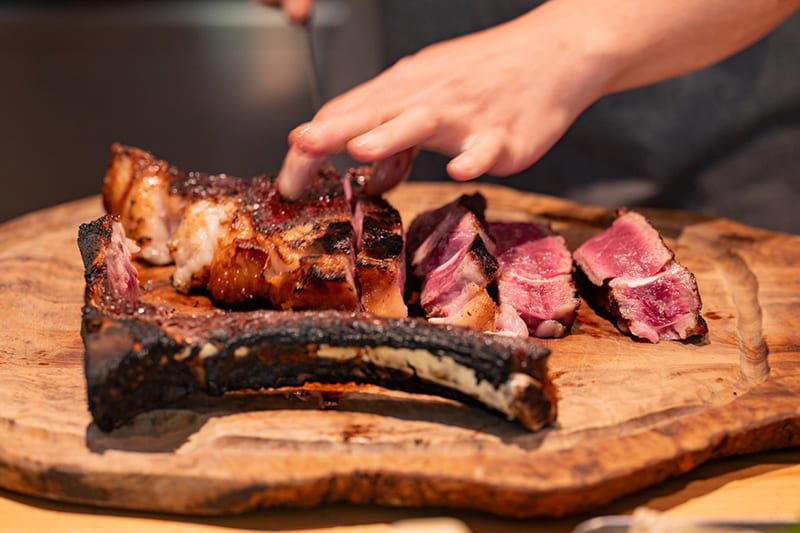
Details
- Romantic
- Quiet
- Elegant
- Scenic
- Sophisticated
- Date Night
- Special Occasion
- Celebration
- Romantic Getaway
- Private Dining
- Garden
- Panoramic View
- Hotel Restaurant
- Design Destination
- Waterfront
- Sake Program
- Sommelier Led
- Local Sourcing
- Farm To Table
- Mountain
- Garden
- Set Menu
- Tasting Menu
- Local Sake
- Local Wine
- Plum Wine
- Shochu
- Allergy Accommodating
- Vegetarian Friendly
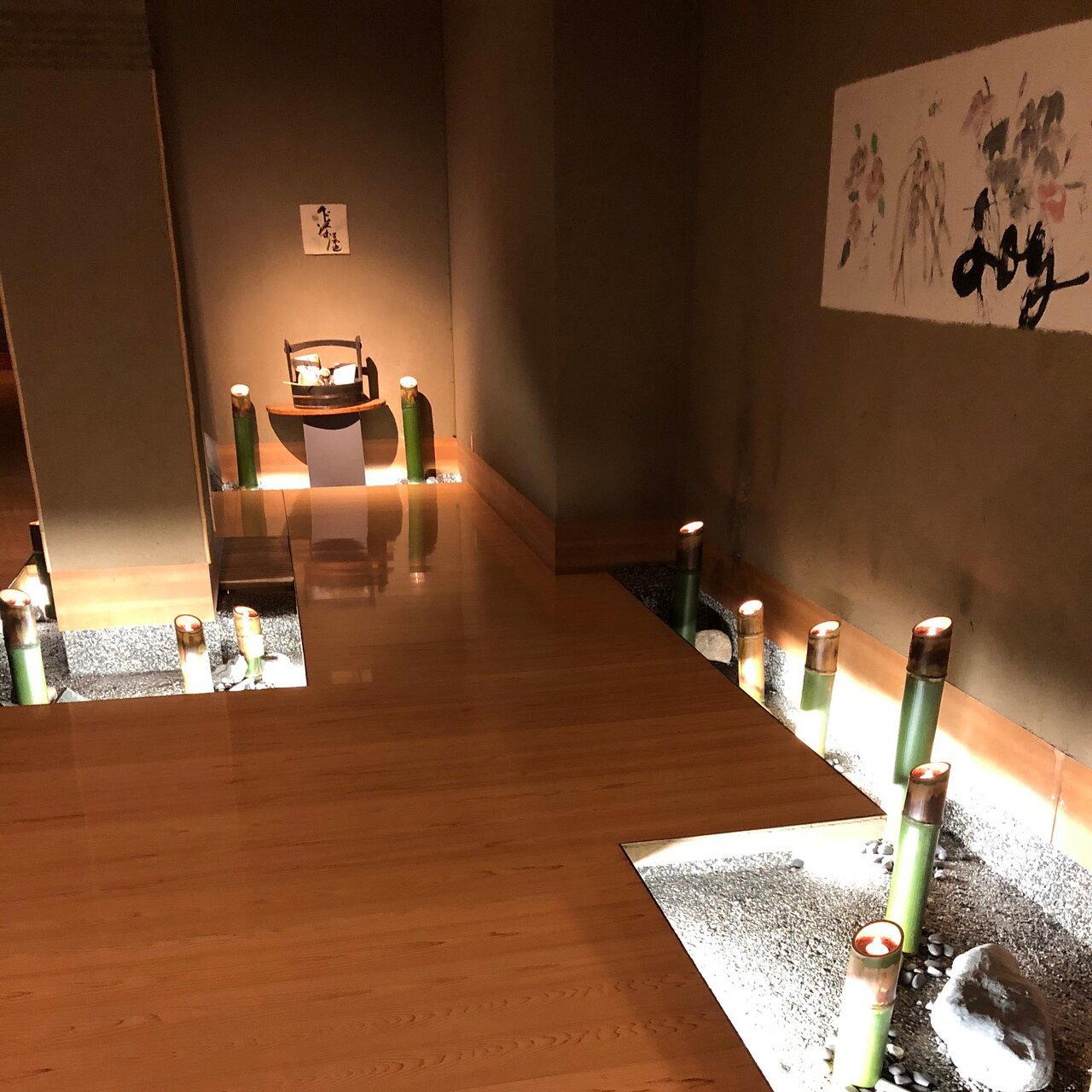
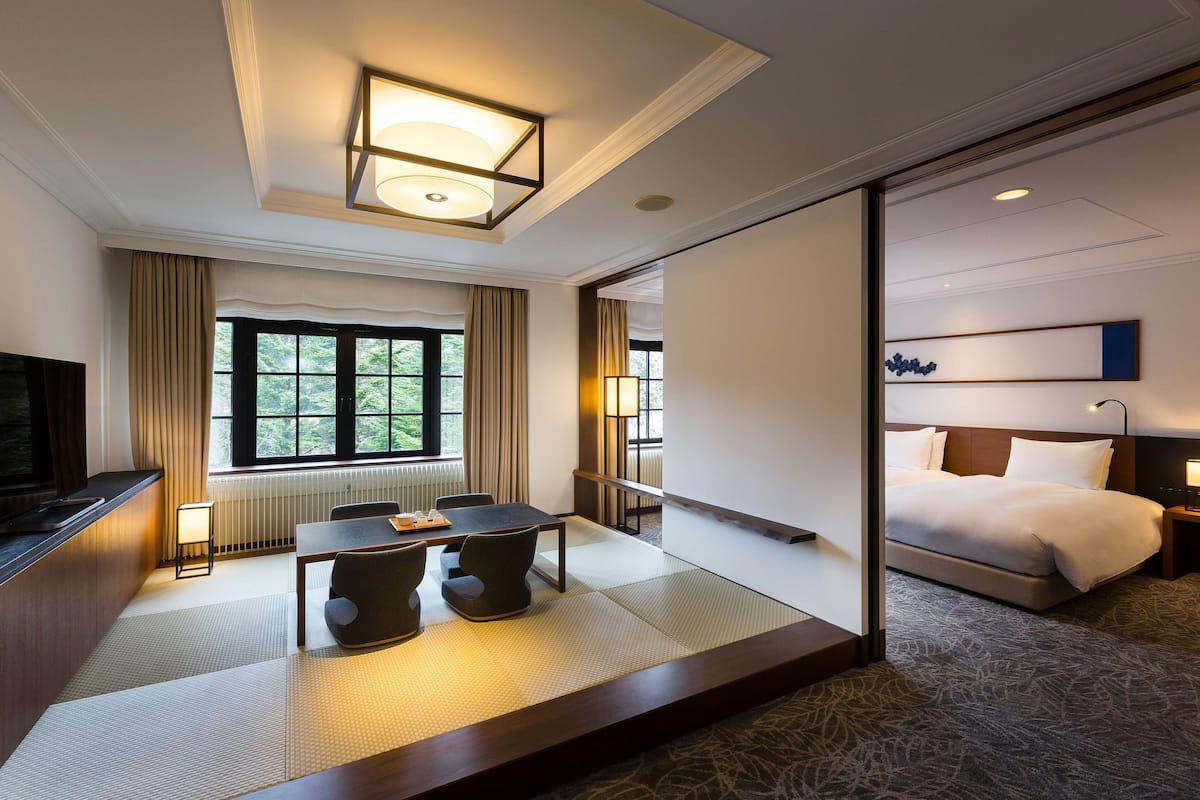
Serene and refined with zen-inspired interiors, floor-to-ceiling windows, traditional tatami spaces, artistic wooden sliding doors, candlelit corridors with bamboo accents, and calligraphy throughout; designed to evoke tranquility and natural beauty.