


The Best Chef Two Knives
Our verdict
Satoyama Jujo occupies a converted farmhouse in the rice-growing valleys of Minamiuonuma, where chef Keiko Kuwakino builds her cooking around the ingredients and traditions of rural Niigata. The kitchen draws on the region's celebrated Koshihikari rice, mountain vegetables, and river fish to produce a form of satoyama cuisine rooted in the relationship between farming communities and the land they tend.

Pearl is the En Primeur Club membership app, where members save venues, book tables and use the concierge.
The menu
What to order
- Clay_pot_rice
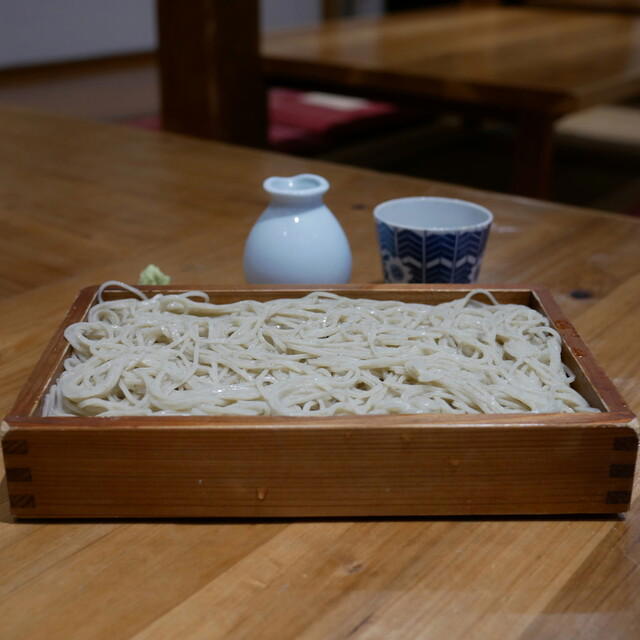
- Wild_mushroom_soba
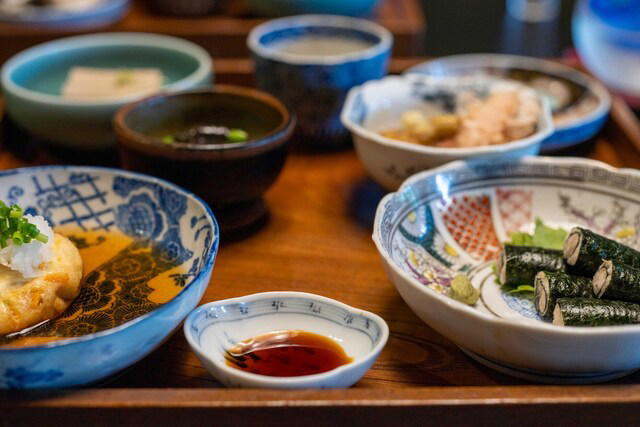
- Vegetable-focused_kaiseki_dishes
Rice Country, Farmhouse Table
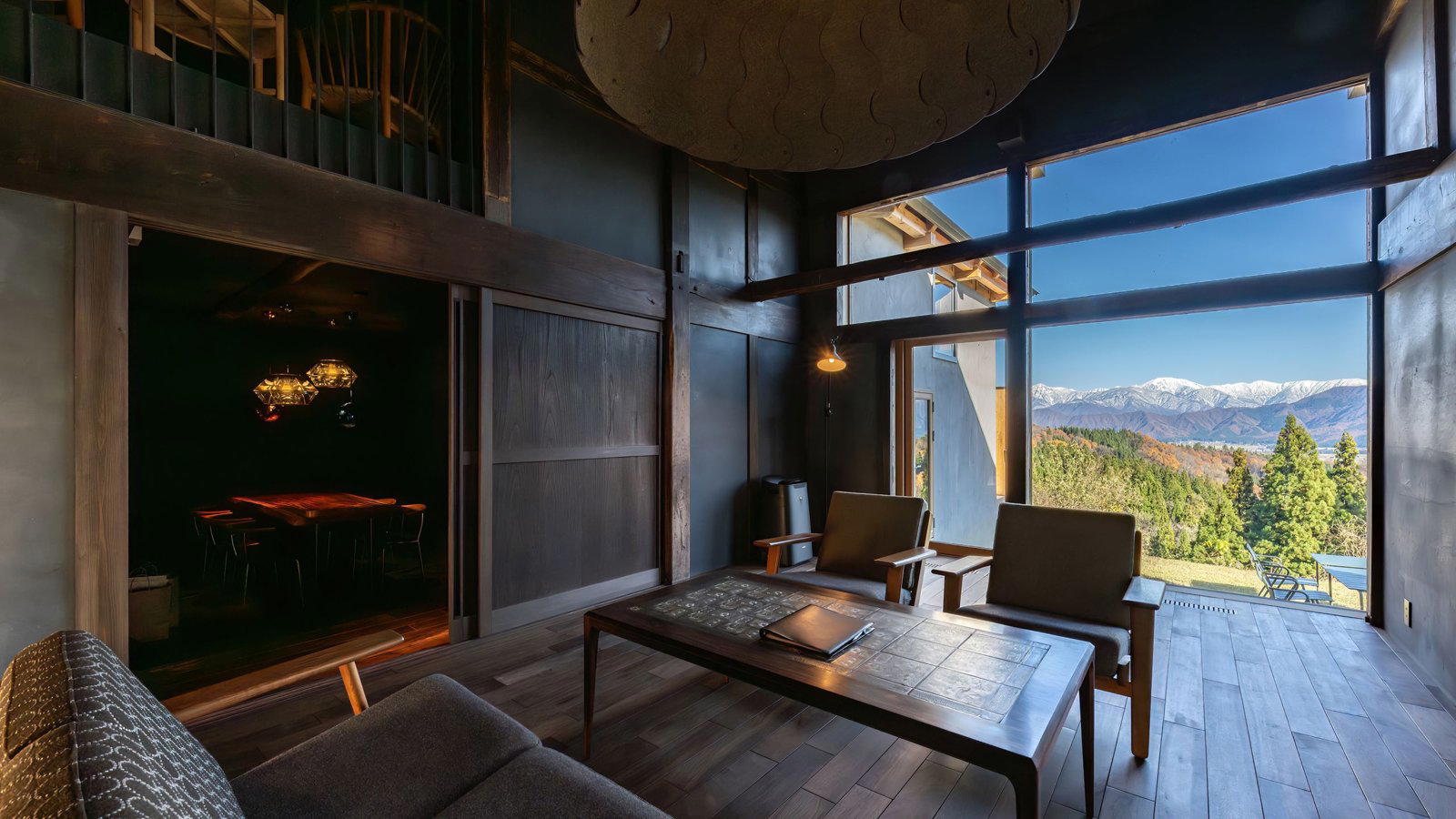
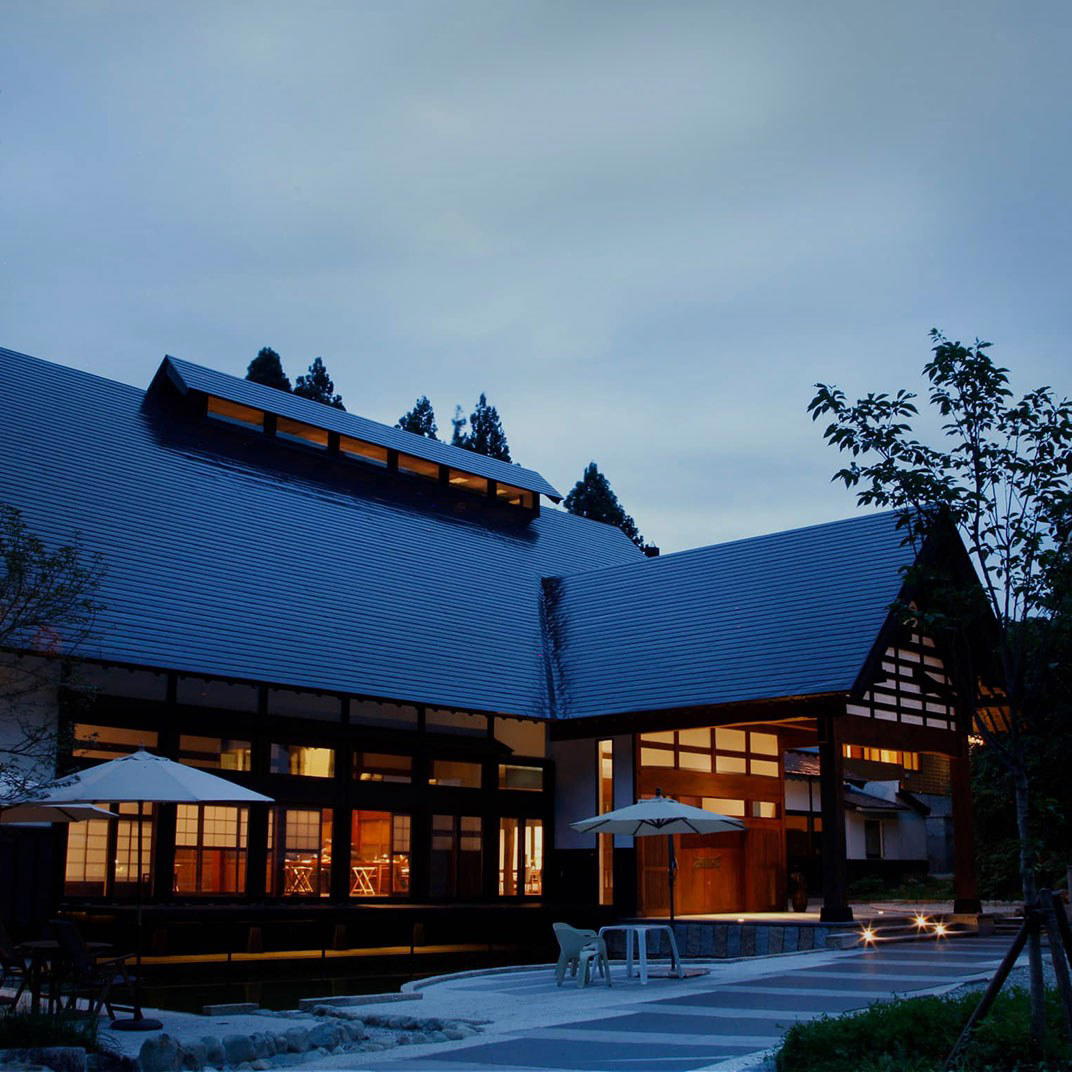
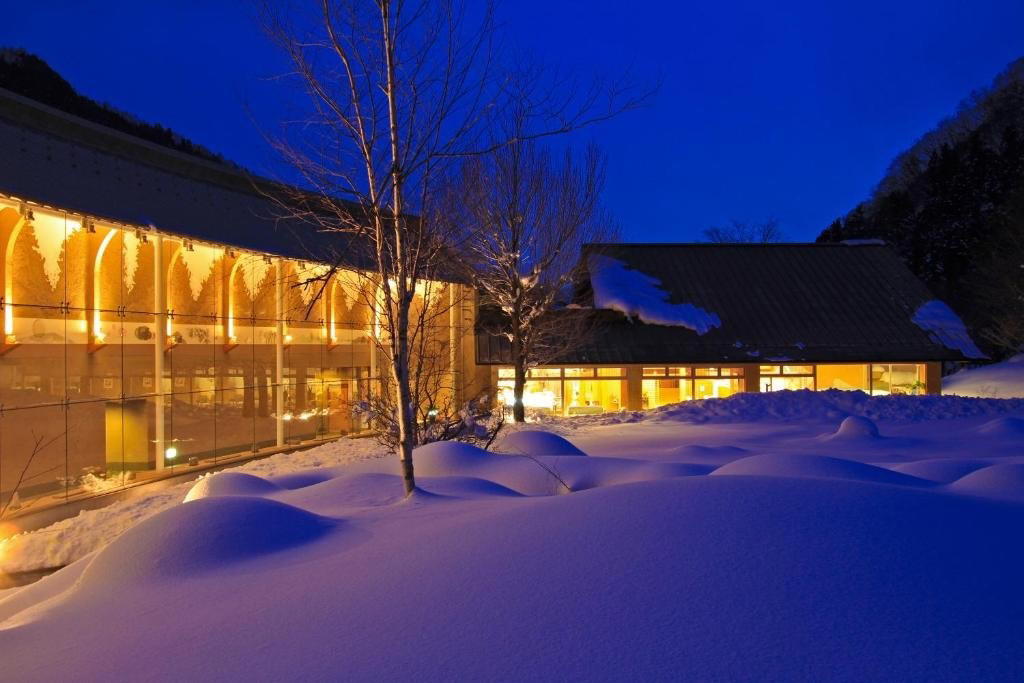
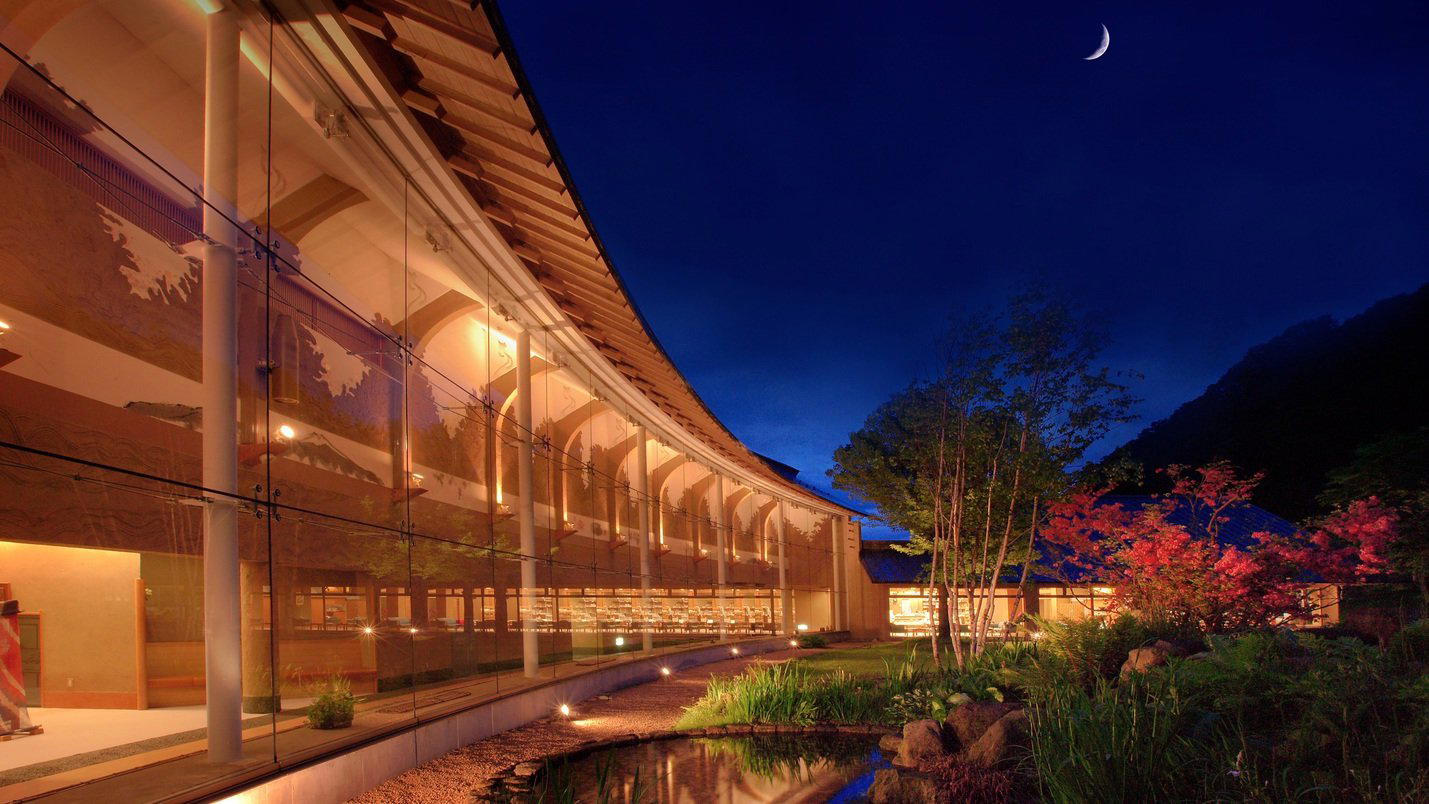
The approach to Satoyama Jujo prepares you for what the kitchen is about to argue. Minamiuonuma sits in a basin ringed by the Echigo Mountains, where the combination of snowmelt water and wide temperature swings between day and night produces the conditions that have made Niigata's Koshihikari rice the most closely watched short-grain variety in Japan. The converted farmhouse that holds the restaurant carries the architectural logic of this landscape: heavy timber, thick walls built against snowfall that can exceed two metres in winter, and a stillness that belongs to a working agricultural region rather than a destination dining circuit. This is not a rural retreat styled for city visitors. It is a place that takes its coordinates seriously.
Satoyama as a Culinary Framework
The term satoyama describes the transitional zone between cultivated lowland and mountain wilderness, the edge territory where Japanese rural communities have historically gathered food, managed forests, and maintained a working relationship with wild and cultivated ecosystems. As a culinary framework, it has attracted increasing attention from chefs across Japan over the past two decades, partly as a response to the dominance of coastal and urban fine dining, and partly as a genuine re-examination of what regional cooking can mean when it is anchored in agricultural practice rather than in abstraction.
Niigata is unusually well-positioned for this approach. The prefecture produces sake at a volume and variety that rivals Kyoto, grows rice varieties that command premium prices in Tokyo supermarkets, and maintains fishing communities along a Sea of Japan coastline that delivers yellowtail, snow crab, and smaller species largely absent from Pacific-facing menus. The satoyama tradition here is not a marketing category. It is the actual economic and ecological basis of the region, and a kitchen that takes it seriously has access to ingredients with genuine provenance depth.
At the broader level of Japanese fine dining, the satoyama framing at Satoyama Jujo places it in a different conversation than the Michelin-dense kaiseki counters of Kyoto, the precision tasting menus of Tokyo, see Harutaka in Tokyo for an example of that register, or the technically ambitious formats represented by HAJIME in Osaka. The reference point is closer to the ingredient-first logic of restaurants like Gion Sasaki in Kyoto or Goh in Fukuoka, where regional specificity is the primary argument and technique operates in its service.
Chef Keiko Kuwakino and the Kitchen's Position
Female chefs leading serious Japanese kitchens outside the major cities remain a minority, and that context matters when reading Satoyama Jujo's position. Chef Keiko Kuwakino runs a kitchen whose identity is built around its location rather than around a lineage traced back to a celebrated Tokyo master. That is a deliberate positioning within Japanese fine dining, where provenance of training often functions as a form of credentialing. The alternative credential here is place: the ability to articulate what this particular stretch of Niigata prefecture tastes like across seasons.
The satoyama format is demanding in ways that are less visible than technique-driven tasting menus. It requires deep sourcing relationships with local farmers, foragers, and fishers, precise knowledge of seasonal availability in a region with pronounced climate variation, and the editorial discipline to let an ingredient's character lead rather than subordinate it to a predetermined course structure. The comparison restaurants in Niigata's dining scene, Kyodaizushi, Shintaku, and Restaurant UOZEN, each address different dimensions of the prefecture's food culture. Satoyama Jujo's argument is the most geographically specific of those, anchored not in Niigata city's dining strip but in the rice-farming heartland an hour south.
The Cultural Weight of Niigata Rice
Any serious engagement with Satoyama Jujo requires understanding what rice means in this context. Koshihikari from Uonuma, the sub-region in which Minamiuonuma sits, is classified separately from standard Niigata Koshihikari and commands a price premium that reflects measured differences in grain quality, texture, and flavour. The rice is the centrepiece of the meal in a way that has no equivalent in most European fine dining traditions, where starches are supporting elements. Here, the quality of the rice is the primary argument the kitchen is making about its location and its sourcing.
That framing shapes how the rest of the meal reads. Mountain vegetables, fermented preparations, river and sea fish, and local sake are not accompaniments to a protein-led tasting structure. They are elements in a seasonal composition organised around what the surrounding land and water produce at a given point in the year. In winter, the snowbound quality of the landscape expresses itself in preserved and fermented ingredients, root vegetables, and warming broths. In summer, the same valley produces a completely different register of flavours. The seasonal shift at a satoyama kitchen is more pronounced than at most restaurants, because the sourcing radius is tight enough that the menu cannot substitute away from local seasonality.
Dining in the Context of Niigata's Wider Food Scene
Minamiuonuma is not easily reached from central Niigata city, and the distance is part of the point. The Joetsu Shinkansen connects Tokyo to Echigo-Yuzawa in approximately 75 minutes, and Minamiuonuma is accessible from there, making the journey from Tokyo more direct than a day trip from Niigata city itself. The restaurant's location in an agricultural valley, rather than in a city centre, signals that the visit is the occasion.
Within Niigata's dining map, the city's sushi offer is its most internationally legible category, Tokiwa Sushi Nigata Ten and Tokiwa represent the coastal catch tradition, with Tokiwa Sushi operating at a dinner price point in the JPY 30,000–39,999 range. Satoyama Jujo occupies a different tier of the region's food culture: one that points inward toward the mountains and rice fields rather than outward toward the Sea of Japan. The two registers are complementary rather than competing, and a considered visit to Niigata's food culture benefits from engaging both.
For those planning a broader Japan itinerary, restaurants with a similar commitment to regional ingredient depth include akordu in Nara and 1000 in Yokohama. International parallels, where sourcing philosophy rather than technique drives the menu, are found in format-adjacent restaurants such as Atomix in New York City and Le Bernardin in New York City, though the register and tradition are entirely different.
For planning, EP Club's full guides to Niigata restaurants, Niigata hotels, Niigata bars, Niigata wineries, and Niigata experiences provide the broader context for building a trip around the prefecture's food and drink culture.
Planning a Visit
The address, 1209-6 Osawa, Minamiuonuma, places Satoyama Jujo outside any walkable dining cluster, and arrival by car or arranged transfer is the practical approach. The farmhouse setting and the agricultural calendar both suggest that visits timed to specific seasonal transitions will yield the most pronounced version of what the kitchen is arguing. Winter, when preserved and fermented preparations dominate and the snowscape outside becomes part of the sensory context, is particularly worth considering. Booking well in advance is advisable for a restaurant of this type, where capacity is constrained by the farmhouse format and demand comes from both domestic and international visitors with a specific interest in Japanese regional food culture.
What to Order at Satoyama Jujo
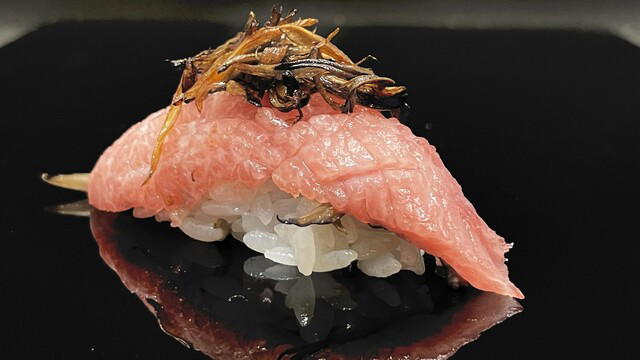
Given the kitchen's satoyama framework, the rice course is the anchor of any meal here. Minamiuonuma Koshihikari, served as part of a seasonally composed menu by chef Keiko Kuwakino, is the primary expression of what Satoyama Jujo argues about its location. The supporting courses follow the agricultural and foraging calendar of the Echigo Mountains, mountain vegetables in spring, river fish and preserved preparations through winter, rather than a fixed tasting structure. There are no known signature dishes in the conventional sense, because the menu's defining logic is seasonal and locational rather than dish-led. The correct approach is to arrive in a season that interests you and to trust the kitchen's reading of what that season produces in this particular valley.
Frequently asked questions
What's the address for Satoyama Jujo?
Satoyama Jujo is located at 1209-6 Osawa, Minamiuonuma, Niigata 949-6361, Japan, Niigata.
What kind of recognition has Satoyama Jujo received?
Satoyama Jujo has received recognition including: Chef: Keiko Kuwakino.
What should I order at Satoyama Jujo?
The rice course is the structural centre of the meal: Minamiuonuma Koshihikari, grown in one of Japan's most closely watched rice sub-regions, served as part of a seasonally composed menu under Chef Keiko Kuwakino. The kitchen operates within the satoyama framework, meaning foraged and cultivated ingredients from the transitional zone between the Echigo Mountain slopes and the lowland paddies anchor each course. Given the menu's seasonal rotation, no fixed dish is guaranteed, but arriving with the rice course as the reference point for everything else on the table is the correct orientation.
Who is the chef connected to Satoyama Jujo?
The chef associated with Satoyama Jujo is Keiko Kuwakino.
What It’s Closest To
| Venue | Cuisine | Price | Awards |
|---|---|---|---|
| Satoyama JujoThis venue (the venue you are viewing) | Natural Japanese Kaiseki | $150–200 | The Best Chef Two Knives |
| Kyodaizushi | Niigata-style Omakase Sushi | Not listed | Tabelog Silver #66 |
| Shintaku | Japanese Cuisine | Not listed | Not listed |
| Restaurant UOZEN | Innovative Local French | $150–200 | Tabelog Silver #110 · We're Smart World 1 Radish |
| Tokiwa Sushi Nigata Ten | Niigata Local Omakase Sushi | $200–300 | Tabelog Bronze #460 |
Recognition history
Dated appearances from independent guides and award organizations, with the underlying list record or original source where available.
Opinionated About Dining Top Restaurants in Japan Recommended
Opinionated About Dining
The Best Chef Two Knives
The Best Chef
The Japan Times Destination Restaurants Destination Restaurants Selection #5
The Japan Times Destination Restaurants
Continue exploring
More in Niigata
Details
- Rustic
- Elegant
- Cozy
- Scenic
- Sophisticated
- Special Occasion
- Date Night
- Open Kitchen
- Historic Building
- Sake Program
- Local Sourcing
- Farm To Table
- Mountain
- Garden
- Tasting Menu
- Sake Program
- Vegetarian Friendly
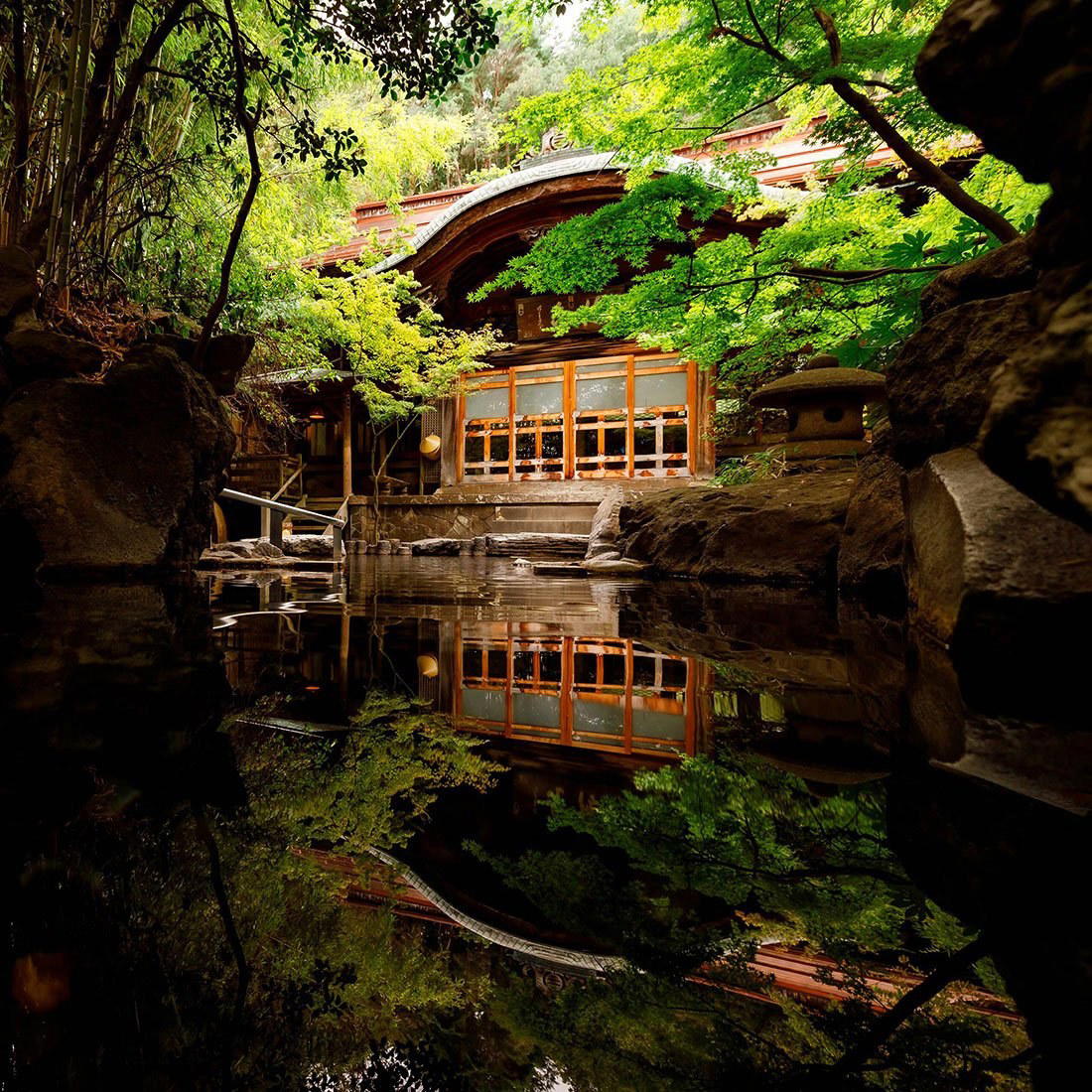
Gentle lighting in a blend of traditional wooden architecture and modern design, creating a serene, nature-immersed atmosphere with rolling hill views.