だるま食堂(ホテルジャパン志賀)
Our verdict
Daruma Shokudo at Hotel Japan Shiga sits inside the Shiga Kogen highlands of Nagano Prefecture, operating as the in-house dining room for Hotel Japan Shiga in the mountain resort town of Yamanouchi. The restaurant serves as a grounding point for guests arriving after days on the slopes or in the onsen circuit, where local Shinshu ingredients and traditional shokudo cooking meet the rhythms of a working ski and hot-spring destination.

Pearl is the En Primeur Club membership app — saves, bookings, and concierge access live there. Same editors, same standards.
- Address
- Yamanochi, 長野県
- Directions
- Get directions
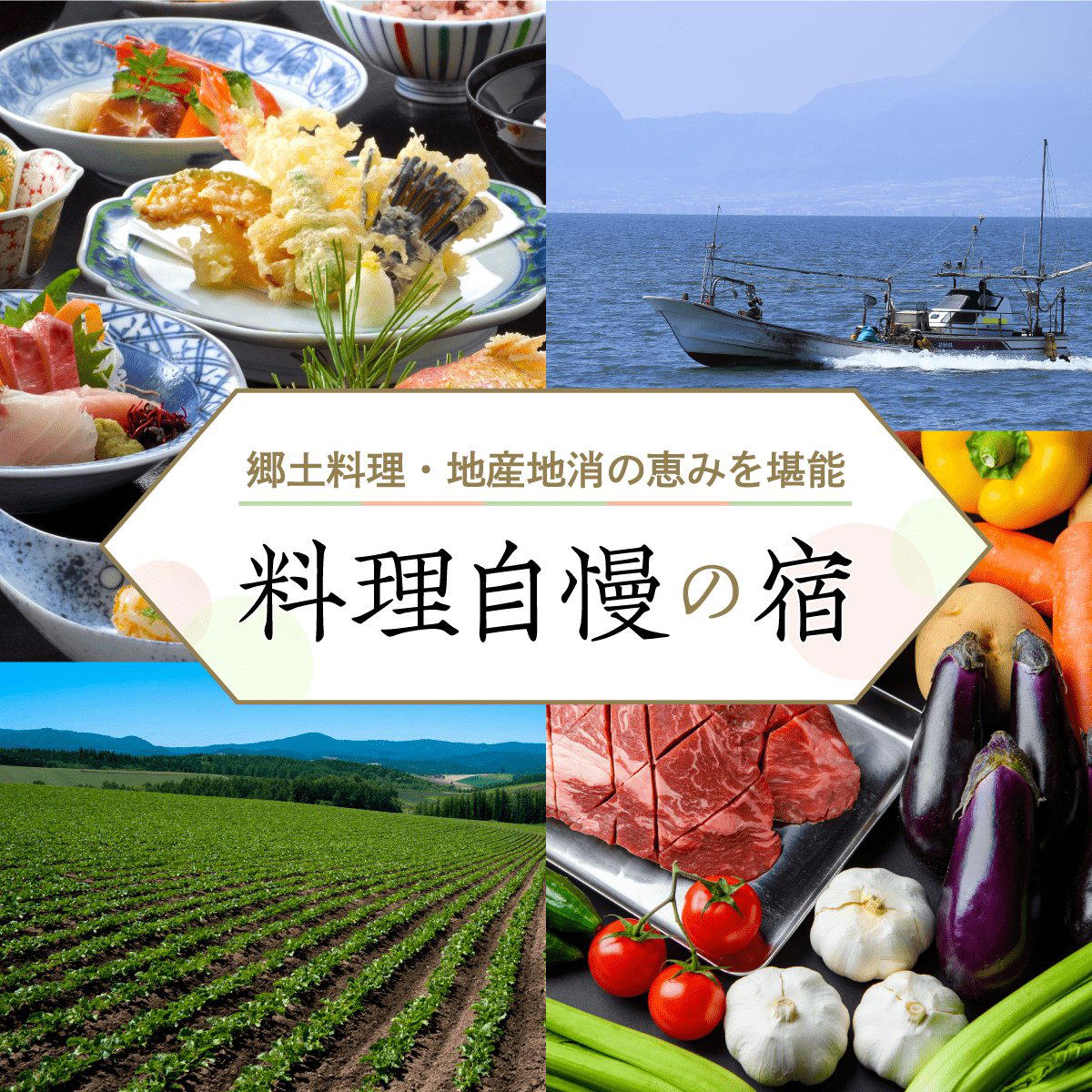
The menu
What to order
- Shinshu beef donburi
- Shinshu pork donburi
- Shinshu chicken donburi
Mountain Dining in the Shiga Kogen Tradition
In Japan's ski-resort hotel circuit, the dining room attached to a mountain lodge occupies a specific and often underestimated role. These spaces rarely compete with the kaiseki counters of Kyoto or the omakase rooms of Tokyo — venues like Gion Sasaki in Kyoto or Harutaka in Tokyo operate in an entirely different register — but that misses the point of what they do. A well-run hotel shokudo in the Japanese alps functions as a cultural document of place: the ingredients grown at altitude, the cooking traditions of the Shinshu region, the communal energy of a dining room where skiers, onsen travelers, and multigenerational Japanese families share the same tables after dark.
Daruma Shokudo, the restaurant inside Hotel Japan Shiga in Yamanouchi, sits precisely within that tradition. Yamanouchi itself is one of Nagano Prefecture's most distinctive destinations, home to Shiga Kogen, one of the largest ski areas in Japan, and to Jigokudani Monkey Park, where Japanese macaques descend to bathe in natural hot springs during winter. The town draws visitors who are, in the main, after an experience rooted in the natural environment. The dining room at a property like Hotel Japan Shiga serves that expectation directly.
Shinshu Ingredients and the Logic of Regional Cooking
Nagano Prefecture has one of the most coherent regional food identities in Japan. Known historically as Shinshu, the region produces soba that is cited among Japan's most serious, the cold climate and clean mountain water produce buckwheat with distinct mineral edge, alongside miso with a deep, earthy fermentation profile that differs meaningfully from the lighter Kyoto varieties or the salty Sendai styles. Trout and char from the mountain rivers, wild mountain vegetables (sansai) foraged in the shoulder seasons, and Shinshu beef all figure prominently in the local cooking grammar.
Hotel dining rooms in this part of Nagano typically work within that grammar. The shokudo format, a term that translates roughly as "eating hall" and implies accessible, generous, unpretentious service, is deliberately different from the formal kaiseki approach you encounter at high-end ryokan. Where kaiseki at a place like 湖隣庵 in Takashima or the innovative precision of HAJIME in Osaka commands extended tasting sequences, the shokudo is built around comfort, volume, and recognizability. That is not a lesser ambition, it is a different one, and in a ski and onsen destination it is often the more appropriate one.
The Hotel Japan Shiga Context
Hotel Japan Shiga operates in the Shiga Kogen plateau area of Yamanouchi, one of several properties that have served as bases for guests accessing the ski terrain and hot-spring infrastructure of the broader region. The Shiga Kogen plateau sits at elevations between roughly 1,500 and 2,000 meters, and the resort area spreads across a network of interconnected ski fields that collectively make it one of the most extensive lift-served areas in Asia. This scale means the hospitality infrastructure in the region ranges from small family minshuku to larger hotel-style properties, Hotel Japan Shiga occupies the latter category.
Daruma Shokudo, as the in-house dining room, operates in service of that guest profile: international skiers, Japanese families on winter holidays, onsen travelers using the property as a base. The name itself carries cultural weight, the daruma is a traditional Japanese talisman doll associated with perseverance and good fortune, a figure deeply embedded in Japanese popular culture and often invoked in contexts where warmth, luck, and community are the intended register. For travelers seeking a comparison point on the broader Japanese dining spectrum, the contrast with urban fine dining is instructive: the mission here is recovery, nourishment, and place, not performance.
For context on how regional Japanese dining outside the major cities functions within the country's broader culinary architecture, properties in comparable mountain and rural settings, from the intimate counters of 夫佐呂久 in Sapporo to the locally focused approach at 庄羽屋 in Nishikawa Machi, reflect the same principle: that regional identity in Japanese cuisine is strongest at altitude, away from the urban centers where international influences and prestige formats dominate.
Planning a Visit: What to Know Before You Go
Yamanouchi is accessible by Shinkansen to Nagano Station followed by the Nagano Electric Railway to Yudanaka Station, the gateway stop for the Shiga Kogen area and Jigokudani. Journey time from Tokyo by bullet train runs to roughly 90 minutes to Nagano, with the final rail leg adding around 40 minutes. Road access from Nagano is also viable, particularly for guests arriving with ski equipment. Winter is the dominant travel season, with the ski fields typically operating from late November through early May depending on snowfall, though the onsen and Jigokudani monkey park draw visitors year-round.
Because Daruma Shokudo operates as a hotel dining room, meal access is typically tied to hotel stays rather than independent walk-in traffic, a structural feature common to mountain lodge restaurants throughout Japan. Guests planning to dine here should factor accommodation at Hotel Japan Shiga into their itinerary accordingly.
Those building a broader Nagano dining itinerary around this visit can cross-reference Lounge Nagomi, also in Yamanouchi, for a different register within the same destination. For a wider view of what the town and its surroundings offer, our full Yamanouchi restaurants guide maps the local dining picture in detail.
Travelers arriving from international dining contexts, those who have recently eaten at Atomix in New York City or Le Bernardin in New York City, should calibrate expectations accordingly. The value here is not technical ambition or global prestige; it is proximity to an honest regional food tradition in one of Japan's most atmospherically compelling mountain settings.
Frequently asked questions
Where is だるま食堂(ホテルジャパン志賀) located?
だるま食堂(ホテルジャパン志賀) is located at Yamanochi, 長野県, Yamanouchi.
Is だるま食堂(ホテルジャパン志賀) suitable for visitors staying outside the hotel during a Shiga Kogen trip?
Hotel Japan Shiga operates in Yamanouchi, the base town for guests accessing the Shiga Kogen plateau, and だるま食堂 functions as the property's in-house dining space in that context. Mountain lodge restaurants in this area commonly give seating priority to hotel residents, especially across the winter and spring onsen seasons. Visitors based elsewhere in Yamanouchi or the Yudanaka area should confirm access and hours directly with the hotel before making the trip.
What's the best thing to order at だるま食堂(ホテルジャパン志賀)?
The kitchen sits within a mountain lodge tradition that follows Shinshu regional logic, so dishes built around Nagano's well-documented local produce are the safest guide. Nagano Prefecture is known for buckwheat soba, locally grown vegetables, and freshwater fish from the surrounding highland rivers.
Do I need a reservation for だるま食堂(ホテルジャパン志賀)?
Dining rooms attached to ski-area hotels in the Shiga Kogen zone tend to prioritise in-house guests, particularly during the winter ski season and the onsen travel period. Contacting Hotel Japan Shiga directly when booking your accommodation is the practical approach, as seating arrangements for non-guests at mountain lodge restaurants in Yamanouchi vary by season and occupancy.
Budget and Context
Comparable venues nearby, for context on price, style, and recognition.
| Venue | Cuisine | Price | Notes |
|---|---|---|---|
| だるま食堂(ホテルジャパン志賀)This venue — the venue you are viewing | Japanese Donburi | $10–20 | Not listed |
| Lounge Nagomi | Traditional Japanese | $30–50 | Yamanouchi, Traditional Japanese |
| レストハウス寺子屋 | Japanese Mountain Comfort Food | $10–20 | 山ノ内町, Japanese Mountain Comfort Food |
| 中国料理 獅子 | Chinese Restaurant | $20–30 | 志賀高原 (Shiga Kogen), Traditional Chinese Cuisine |
| Anpuku Ikebukuro ten | Not listed | Not listed | Toshima, Creative Udon / Japanese Izakaya |
| Dan Dan | Not listed | Not listed | Hachinohe City, Traditional Japanese Izakaya |
Continue exploring
More in Yamanouchi
Restaurants in Yamanouchi
Browse all →
Hotels in Yamanouchi
Browse all →
Wineries in Yamanouchi
Browse all →
Details
- Casual
- Modern
- Casual Hangout
- Family
- Group Dining
- Hotel Restaurant
- Local Sourcing
- A La Carte
Casual, modern dining space with 40 seats; newly renovated and clean according to guest feedback.