
Lou Wai Lou on Gushan Road is one of Hangzhou's oldest and most recognised Hangzhou cuisine restaurants, holding a Michelin Plate (2024) and occupying a lakeside position on Gushan Island with views across West Lake. The ¥¥ price range makes it accessible relative to the city's upper-tier Zhejiang dining options, and its longevity and continued recognition reflect a deep-rooted place in the local culinary record.
Pearl is the En Primeur Club membership app — saves, bookings, and concierge access live there. Same editors, same standards.
- Address
- 30 Gushan Rd, Xihu, Hangzhou, Zhejiang, China, 310007
- Phone
- +86 571 8796 9682
- Directions
- Get directions
 Saves & bookings on Pearl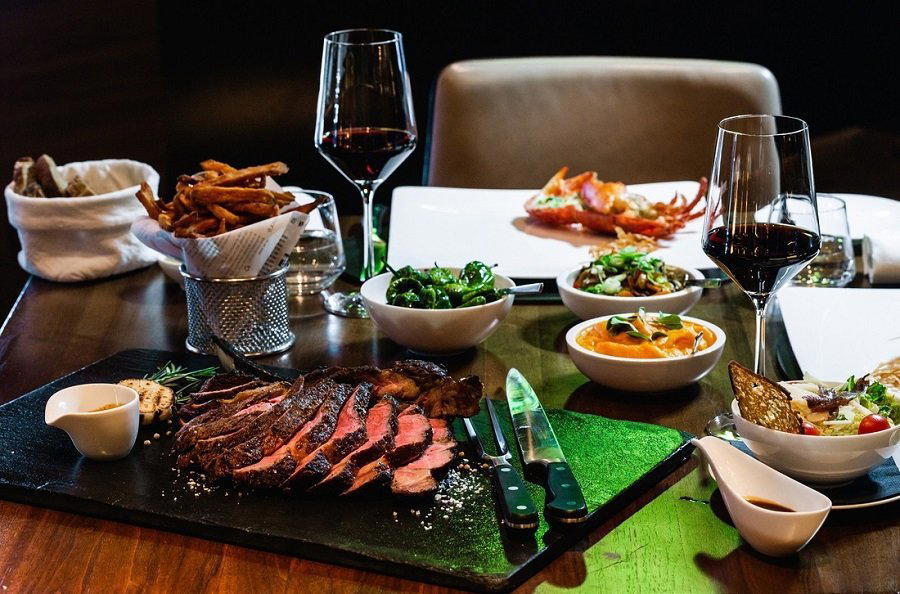
Where West Lake Becomes a Dining Room
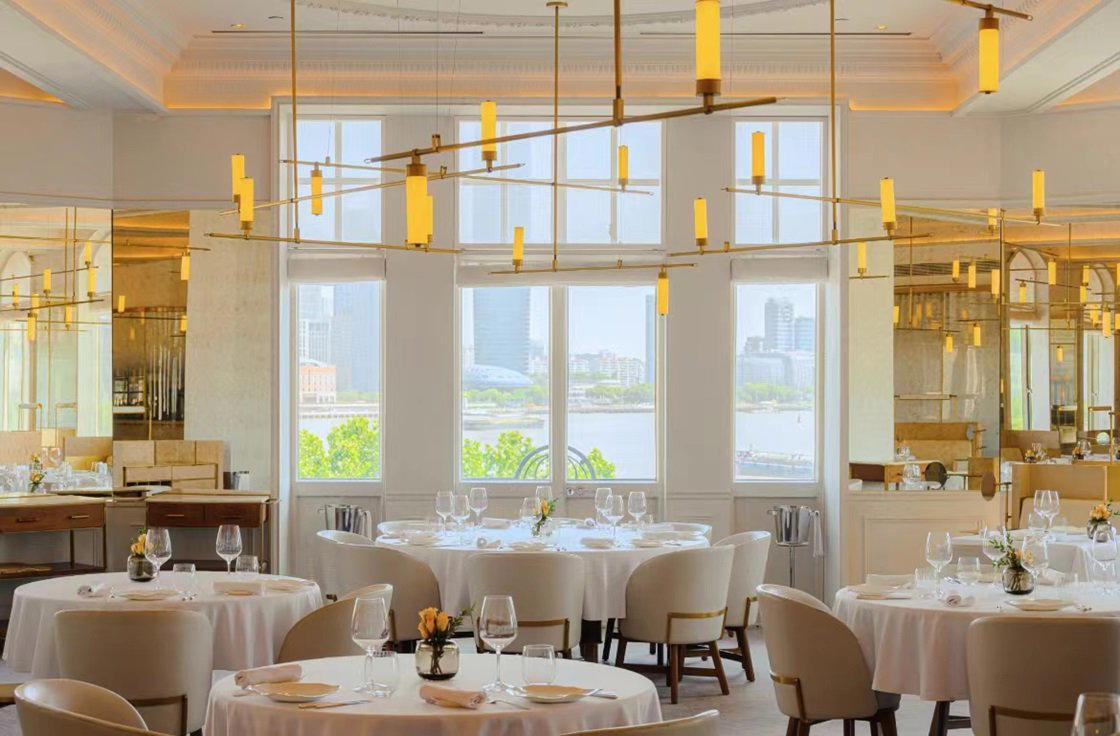
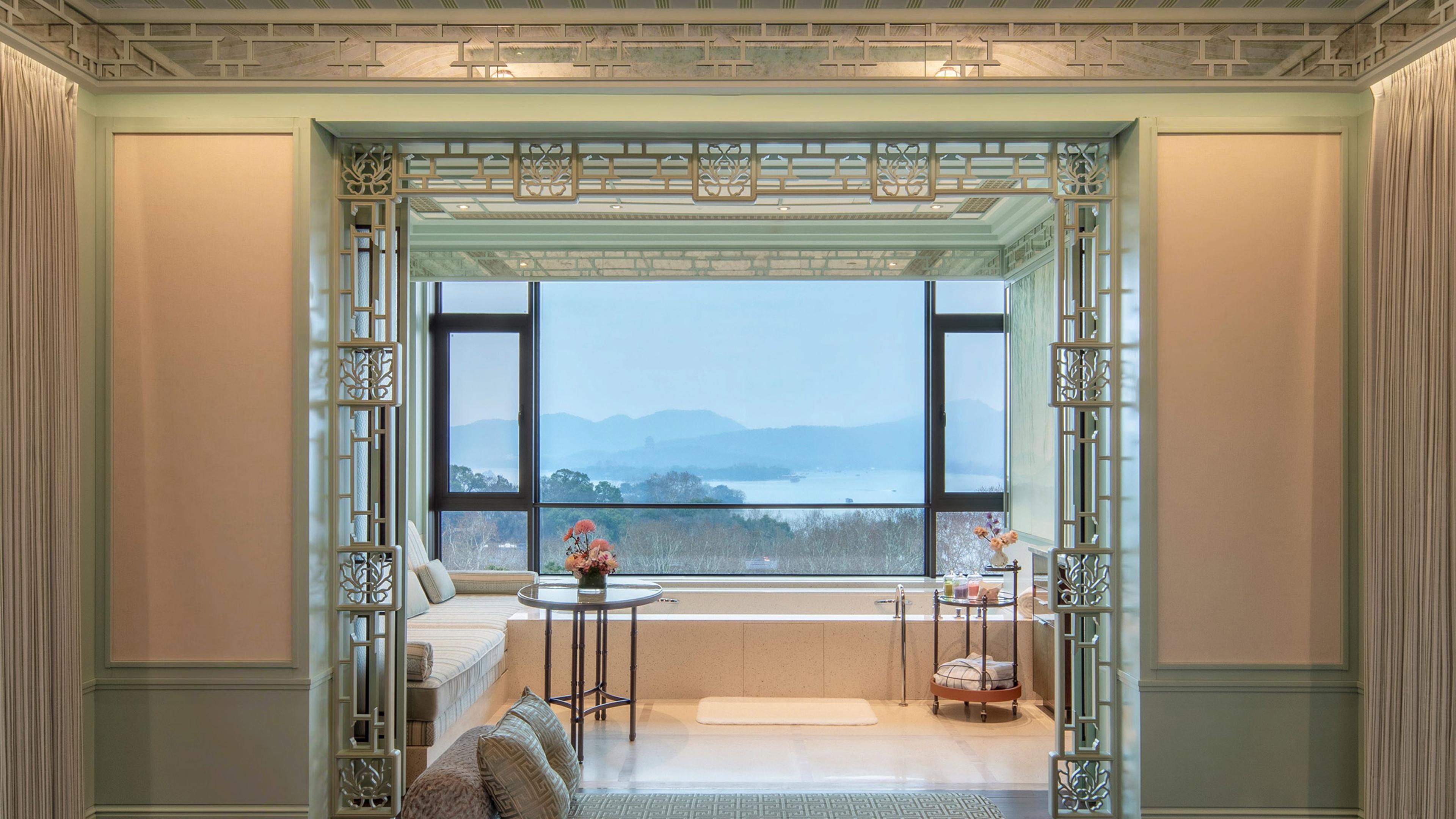
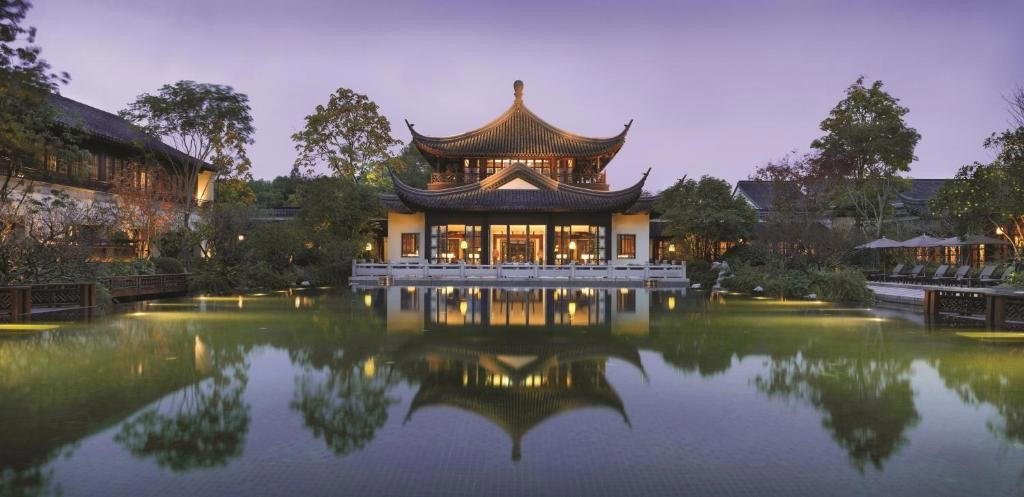
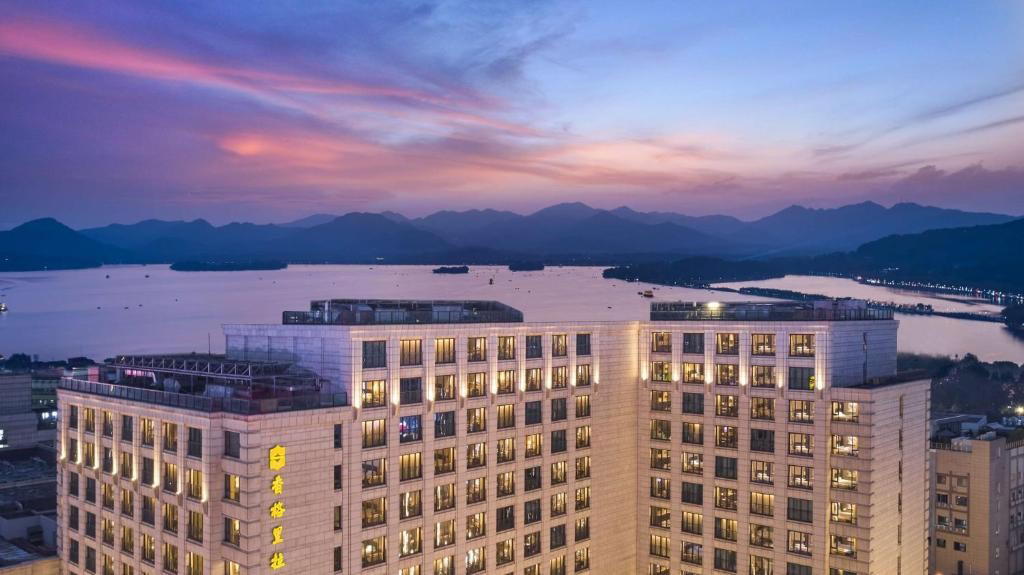
On Gushan Island, where the northern causeway deposits visitors into a cluster of pavilions, gardens, and carved stone paths, the physical setting does considerable work before a single dish arrives. Lou Wai Lou sits at 30 Gushan Road in this context, and the view across West Lake is not incidental to the experience, it is structurally part of it. Hangzhou's historic dining culture has always treated the lake as backdrop, and Lou Wai Lou represents one of the longest-running expressions of that relationship. The dining rooms look outward, and on clear days the water and the distant hills of the Lingyin foothills frame the meal in a way that few lakeside restaurants in China can replicate with the same historical continuity.
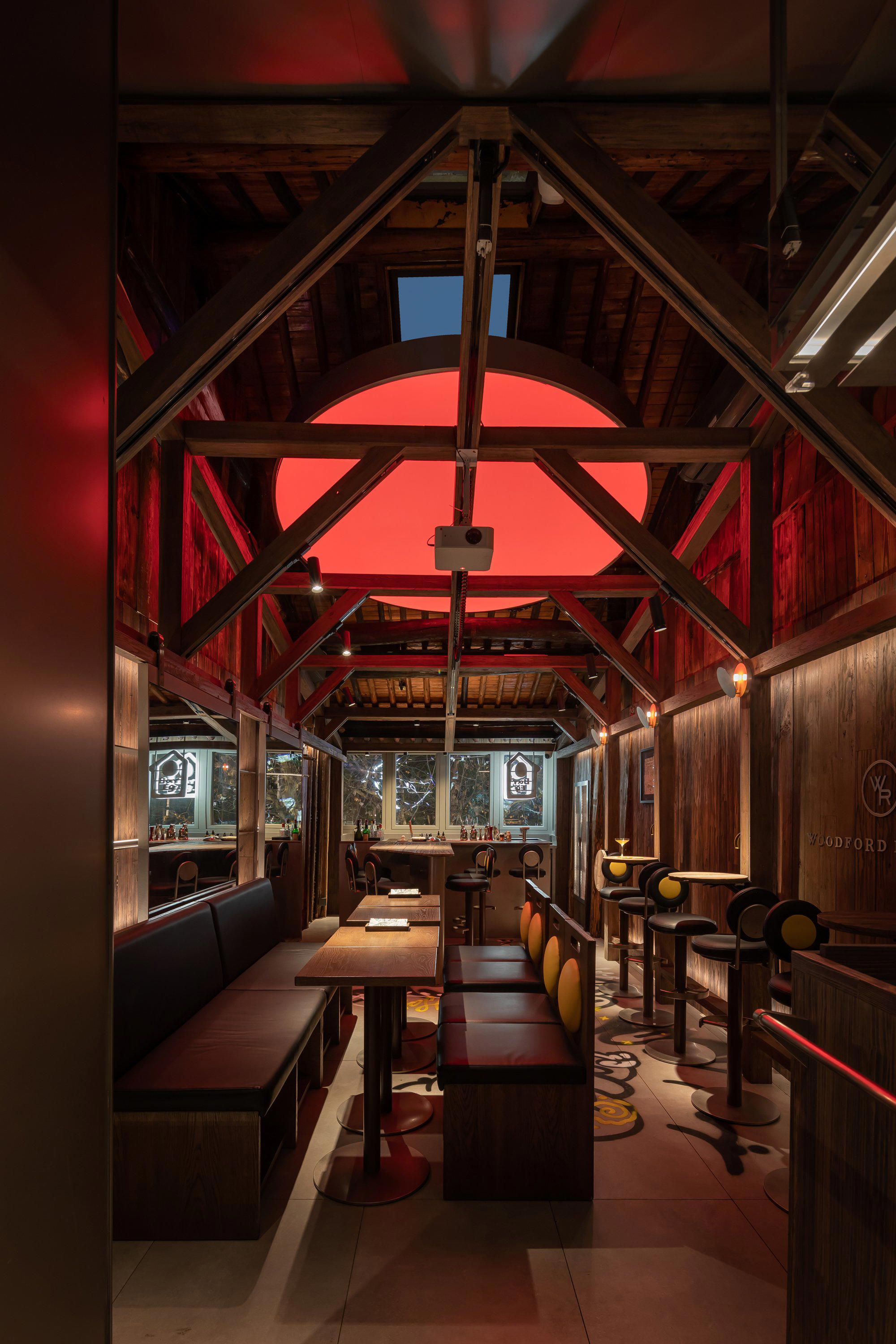
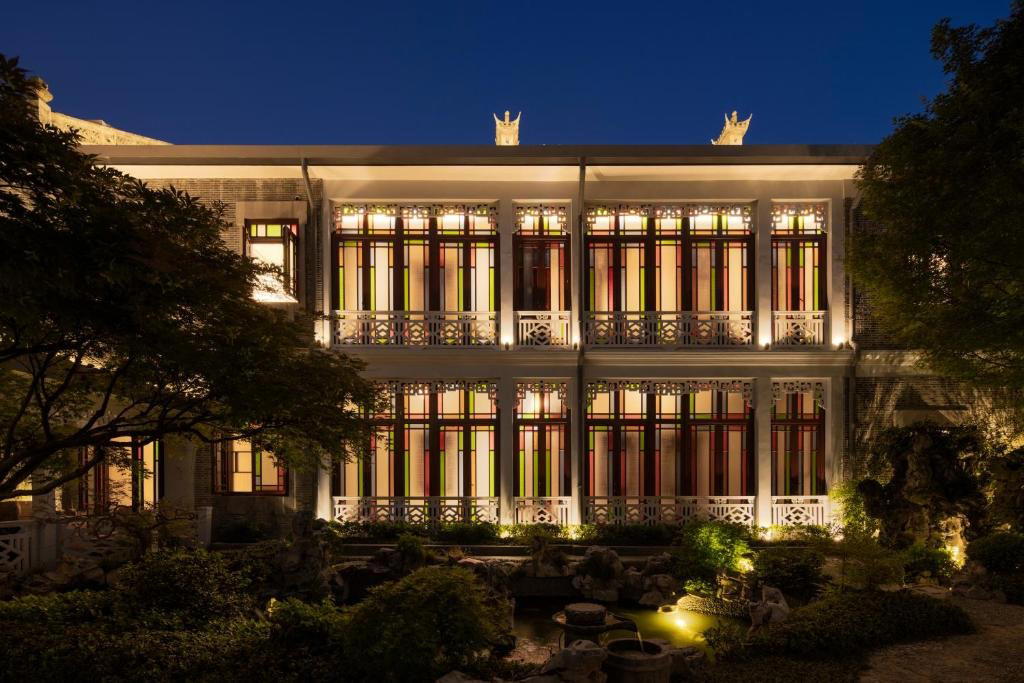
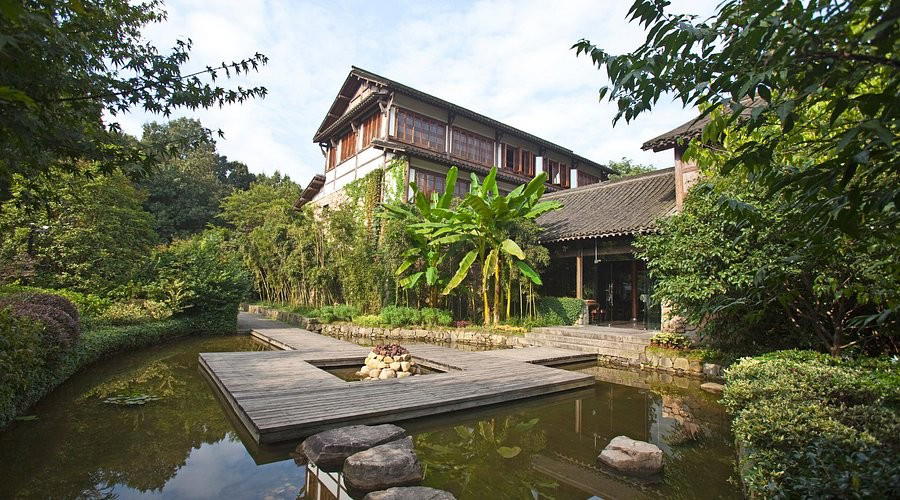
Gushan Island's architecture is formally planned: the site historically housed imperial gardens, and the buildings that occupy it today carry residual seriousness of form. Lou Wai Lou's physical container reflects that inheritance. The interiors lean toward the classical Jiangnan register, restrained wood elements, natural light over the water, banquet rooms positioned to maximise the lake-facing aspect. It is a room that prioritises orientation over ornament, which places it in a different register from the design-forward restaurants that have opened across Hangzhou in recent years.
Hangzhou Cuisine and What This Address Represents
Hangzhou cuisine, sometimes categorised under the broader Zhejiang umbrella but genuinely distinct in its emphasis on freshness, subtle sweetness, and lake-sourced ingredients, has a formal canon of dishes that any serious restaurant must account for. West Lake vinegar fish, Dongpo pork, Longjing shrimp, beggar's chicken: these are not simply menu items but cultural markers that carry expectation precisely because they have been cooked and judged for generations. In this environment, a restaurant's position in the local hierarchy is partly determined by how faithfully and how well it executes this repertoire.
Lou Wai Lou's Michelin Plate recognition in 2024 places it inside the category of restaurants that Michelin's inspectors consider worth acknowledging. The ¥¥¥ pricing positions it below the ¥¥¥¥ tier occupied by comparison venues such as 28 Hubin Road and Ru Yuan, which means it functions at a different point in the city's dining structure: accessible enough for regular use by local diners, recognised enough to draw visitors who want a credentialed introduction to the cuisine. The ¥¥¥ pricing positions it below the ¥¥¥¥ tier occupied by comparison venues such as 28 Hubin Road and Ru Yuan, which means it functions at a different point in the city's dining structure: accessible enough for regular use by local diners, recognised enough to draw visitors who want a credentialed introduction to the cuisine. That combination is relatively rare in a city where traditional-format restaurants at this recognition level sometimes price themselves into the upper tiers. For context on how this fits into the wider Hangzhou dining scene, see our full Hangzhou restaurants guide.
The Physical Container: Space, Seating, and Orientation
The editorial angle most relevant to Lou Wai Lou is the space itself, because the space is inseparable from the restaurant's function. Gushan Road is a narrow, tree-lined corridor that runs along the island's perimeter, and arriving on foot from the Bai Causeway side places you in a genuine transition from the city's commercial density to something quieter and more deliberately composed. The approach matters: the building does not announce itself aggressively. It is located rather than displayed.
Inside, the arrangement follows the Chinese banquet-restaurant model: a mix of private rooms and larger shared dining spaces, calibrated for family groups and business meals rather than the counter-style intimacy of omakase formats or the two-leading precision of a European fine-dining room. This is a room built for shared plates, longer tables, and the social architecture of the Jiangnan meal. The format suits the cuisine: Hangzhou cooking arrives in multiples, with dishes timed for the table rather than the individual, and the physical layout supports that rhythm.
The lakeside orientation is the defining spatial feature. Afternoon light across the water shifts the quality of the room in ways that make timing your visit relevant, the difference between a midday meal with the lake in full sun and an early evening seating as the light falls across the pagoda on Xiao Ying Island is considerable. Seasonal conditions matter too: spring, when Longjing tea is being harvested in the hills above Hangzhou, represents the period when the cuisine's most prized ingredient is at its freshest, making a visit in March or April particularly well-timed for Longjing-based dishes.
Position in Hangzhou's Dining Structure
Hangzhou's restaurant market has developed in several directions simultaneously. A newer generation of destination restaurants competes on design, tasting menu format, and wine list depth. Traditional Hangzhou cuisine restaurants occupy a separate tier, where the evaluation criteria centre on ingredient sourcing, technique fidelity, and institutional credibility. Lou Wai Lou operates in the latter category, and its longevity, the restaurant has been in operation for well over a century, making it one of the oldest continuously operating restaurants in the city, gives it a different kind of authority than a newer entrant could claim.
Within Hangzhou's traditional cuisine tier, comparisons are instructive. Hang's Delicacy (Xihu) and Fu Yuan Ju (Shangcheng) represent other formal expressions of Hangzhou cooking at varying price points. Datou Yingshi Xiaoguan and Bao Zhong Bao Shi Fu sit at more casual registers. 1913 approaches the heritage dimension from a different angle. Lou Wai Lou's specific distinction is the combination of its Gushan Island location, its Michelin Plate recognition, and its pricing discipline, a configuration that places it as one of the more accessible credentialed options for anyone wanting to understand the canonical form of Hangzhou cuisine.
Across the wider Chinese dining circuit, the Hangzhou kitchen has received serious attention. Xin Rong Ji (Xinyuan South Road) in Beijing and Xin Rong Ji in Chengdu have brought Taizhou-style Zhejiang cooking to broader audiences. 102 House in Shanghai approaches the Jiangnan tradition from a more contemporary angle. For refined Chinese dining in other major cities, Chef Tam's Seasons in Macau, Imperial Treasure Fine Chinese Cuisine in Guangzhou, and Dai Yuet Heen in Nanjing provide useful reference points across different regional traditions. Tien Hsiang Lo in Taipei has historically been one of the few places outside mainland China where Hangzhou-style cooking receives serious institutional investment. For something at a different scale entirely, Le Bernardin in New York City offers a reference point for how seafood-focused precision translates into a Western fine-dining context.
Planning Your Visit
Lou Wai Lou is located at 30 Gushan Road on Gushan Island, accessible on foot from the Bai Causeway or by boat from the lake's western shore. The ¥¥ price range positions it as a mid-tier option in Hangzhou's dining structure, well below the ¥¥¥¥ ceiling but above the informal lunch-counter register. Booking ahead is advisable, particularly for lakeside-facing rooms and during high-season periods: the May Golden Week, the autumn foliage season in October and November, and the spring Longjing harvest window in March and April all drive significant visitor volumes to the West Lake area.8 from 128 reviews suggests a mixed response among international visitors, which is worth noting as context, the restaurant's home audience and institutional standing in Hangzhou carry more weight than its score among tourists navigating unfamiliar cuisine expectations.
Cost Snapshot
Comparable venues nearby, for context on price, style, and recognition.
| Venue | Cuisine | Price | Awards |
|---|---|---|---|
| Lou Wai Lou (Gushan Road)This venue — the venue you are viewing | Hang Zhou | $$$ | Michelin Plate |
| Ming Kitchen | Hangzhoushi, Refined Zhejiang Dim Sum | $$$ | Michelin Plate |
| Wan Li | Xiaoshanshi, Modern Zhejiang & Cantonese | $$$ | Michelin Plate |
| Guan Yan Liu Jin | Hangzhoushi, Chaozhou Cuisine | $$$ | Michelin Plate |
| Shui Mo Hui | Hangzhoushi, Hui Cuisine | $$$ | Michelin Plate |
| Chic 1699 | Hangzhoushi, Chinese | $$$ | Michelin Plate |
Recognition history
Dated appearances from independent guides and award organizations, with the underlying list record or original source where available.
Michelin Plate
Michelin
At a Glance
- Classic
- Well Known
- Scenic
- Elegant
- Special Occasion
- Celebration
- Group Dining
- Waterfront
- Historic Building
- Private Dining
- Terrace
- Sake Program
- Local Sourcing
- Waterfront
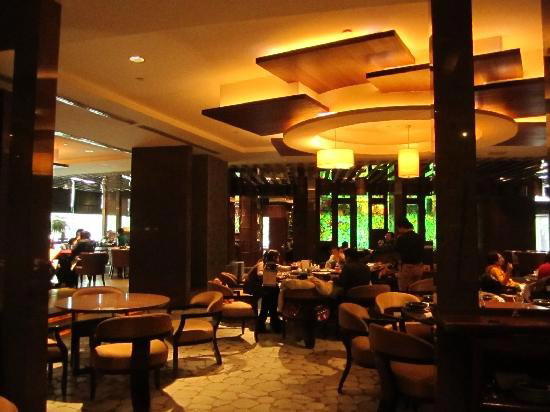
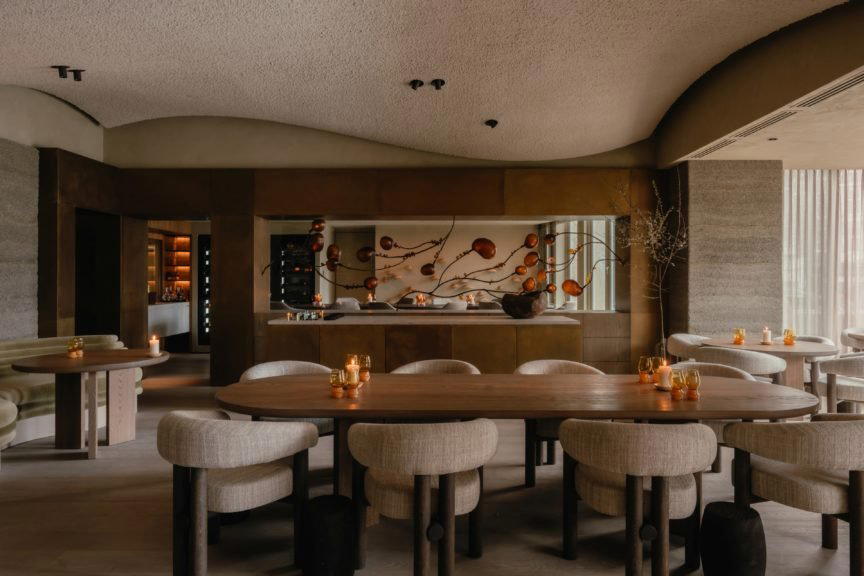
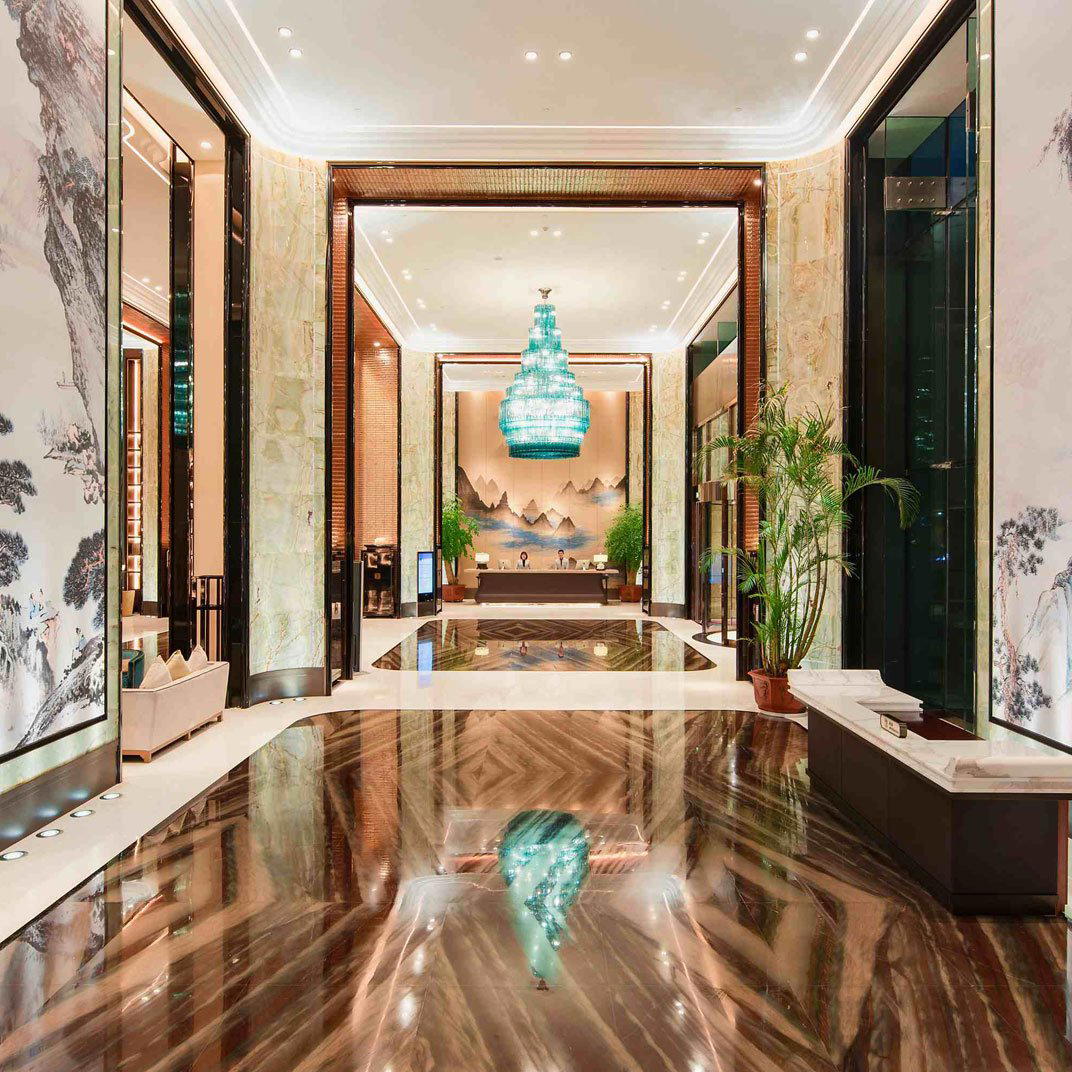
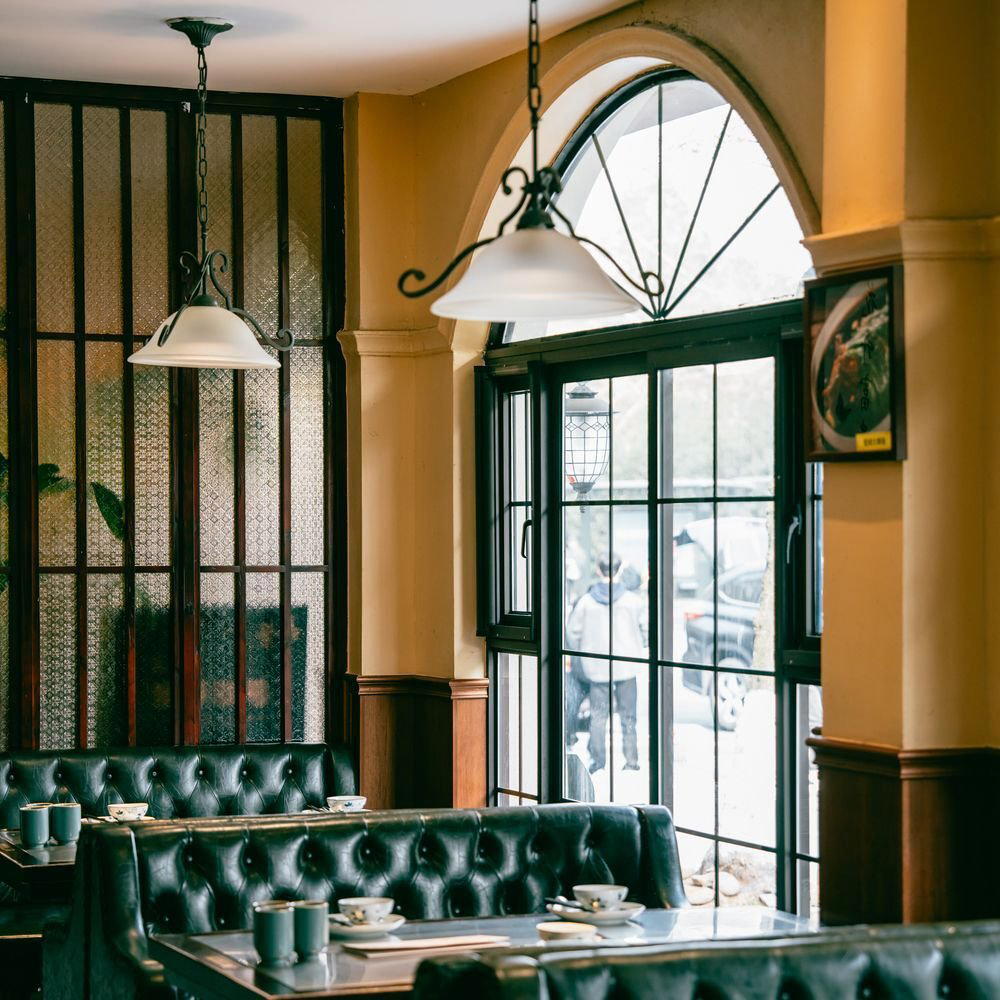
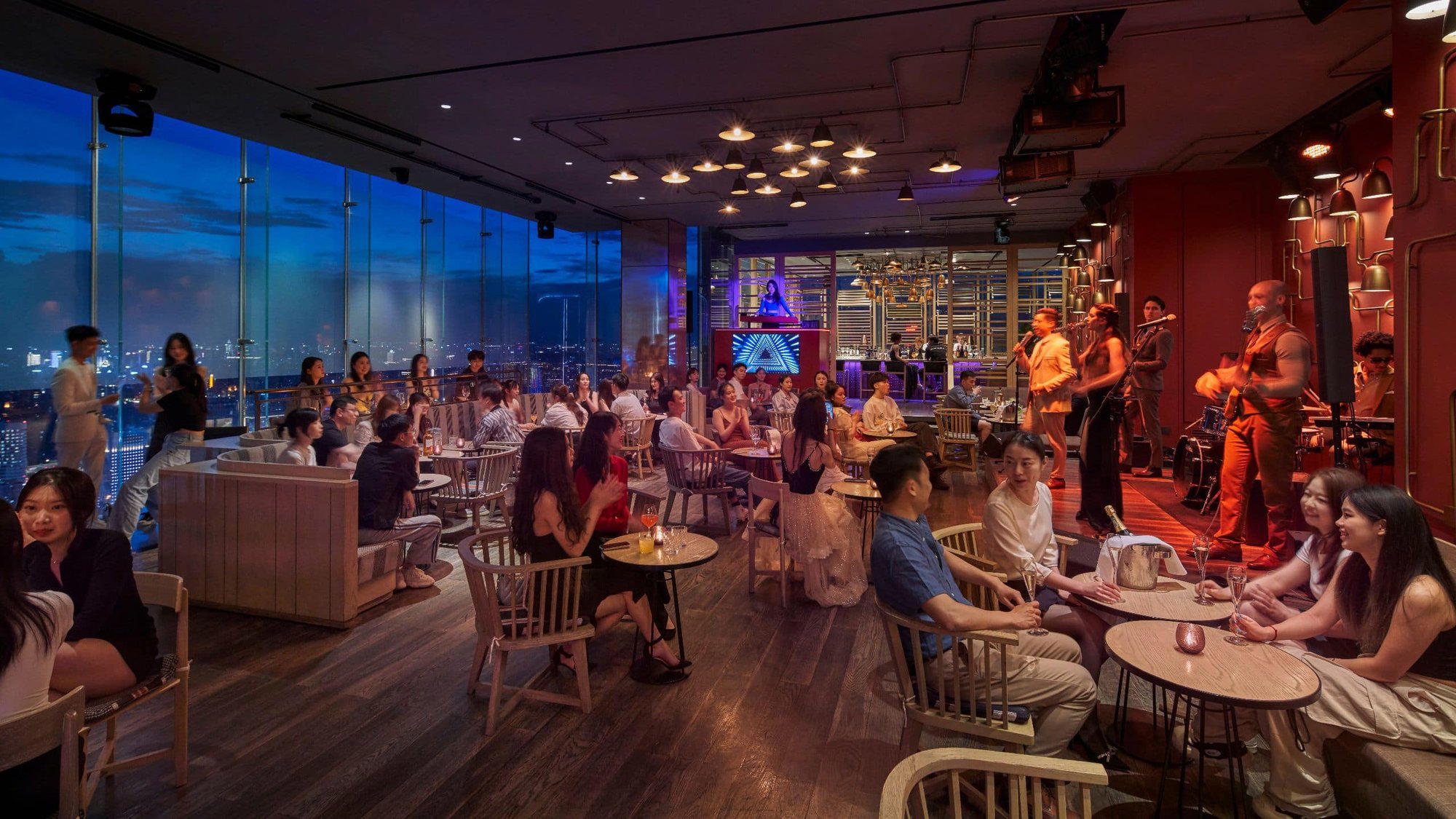
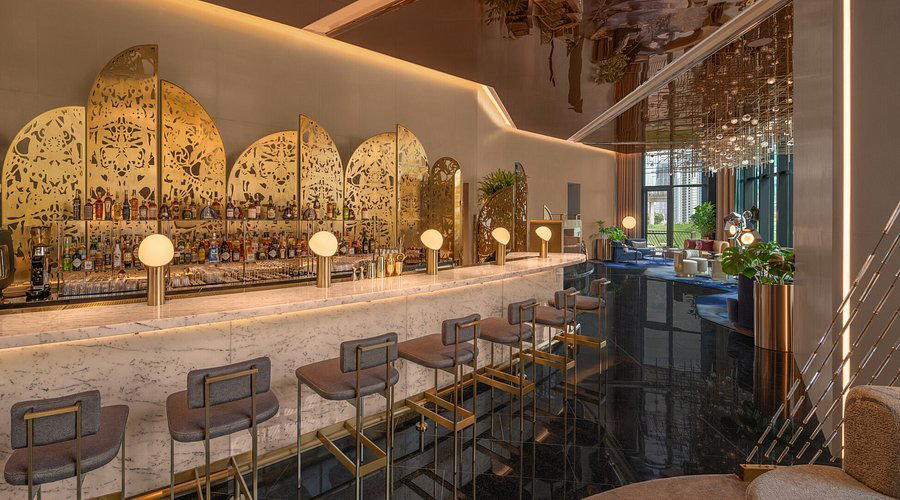
Tranquil and elegant atmosphere with lakeside scenery, featuring spacious lobbies, terraces, and historic decor.