
Michelin Plate
Our verdict
Shui Mo Hui brings Hui cuisine, the cooking tradition of Anhui province, to Hangzhou's mid-range dining scene, earning a Michelin Plate in 2025. The restaurant occupies a position that few Hangzhou addresses hold: a dedicated focus on a regional Chinese tradition distinct from the dominant Zhejiang canon, offered at accessible price points without sacrificing the craft that Michelin recognition implies.

Pearl is the En Primeur Club membership app, where members save venues, book tables and use the concierge.
The menu
What to order
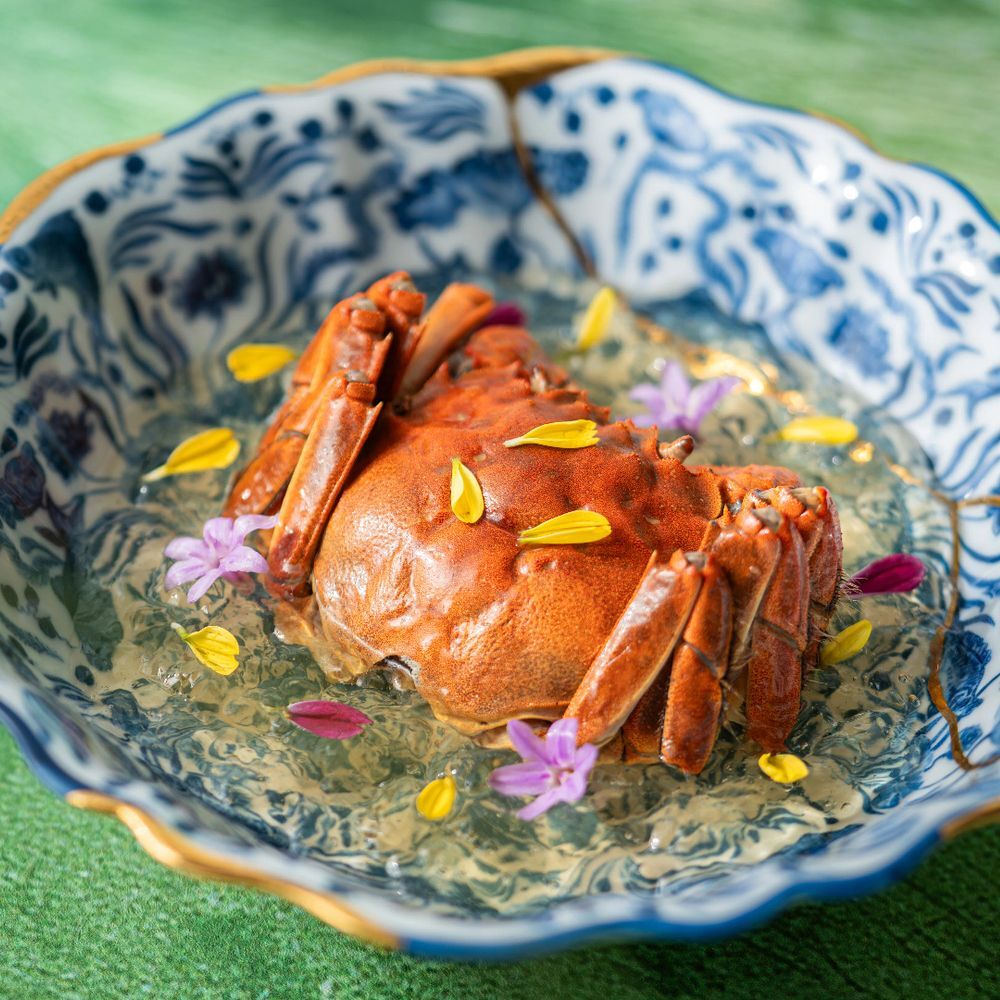
- Fermented mandarin fish
- Wild bracken
- Sliced cured pork on camphor wood
- Anhui dim sum
Hui Cuisine in a Zhejiang City
Hangzhou's restaurant scene is, by default, a Zhejiang story. The city's culinary reputation rests on West Lake fish, Dongpo pork, and the broader canon of Jiangnan cooking that has defined the region's tables for centuries. Within that context, a dedicated Hui cuisine address occupies an interesting position: it draws from a neighbouring tradition, the cooking of Anhui province, that shares certain temperamental qualities with Zhejiang food (a preference for slow-braising, an emphasis on preserved and cured ingredients, a restrained approach to heat) while arriving at distinctly different results.
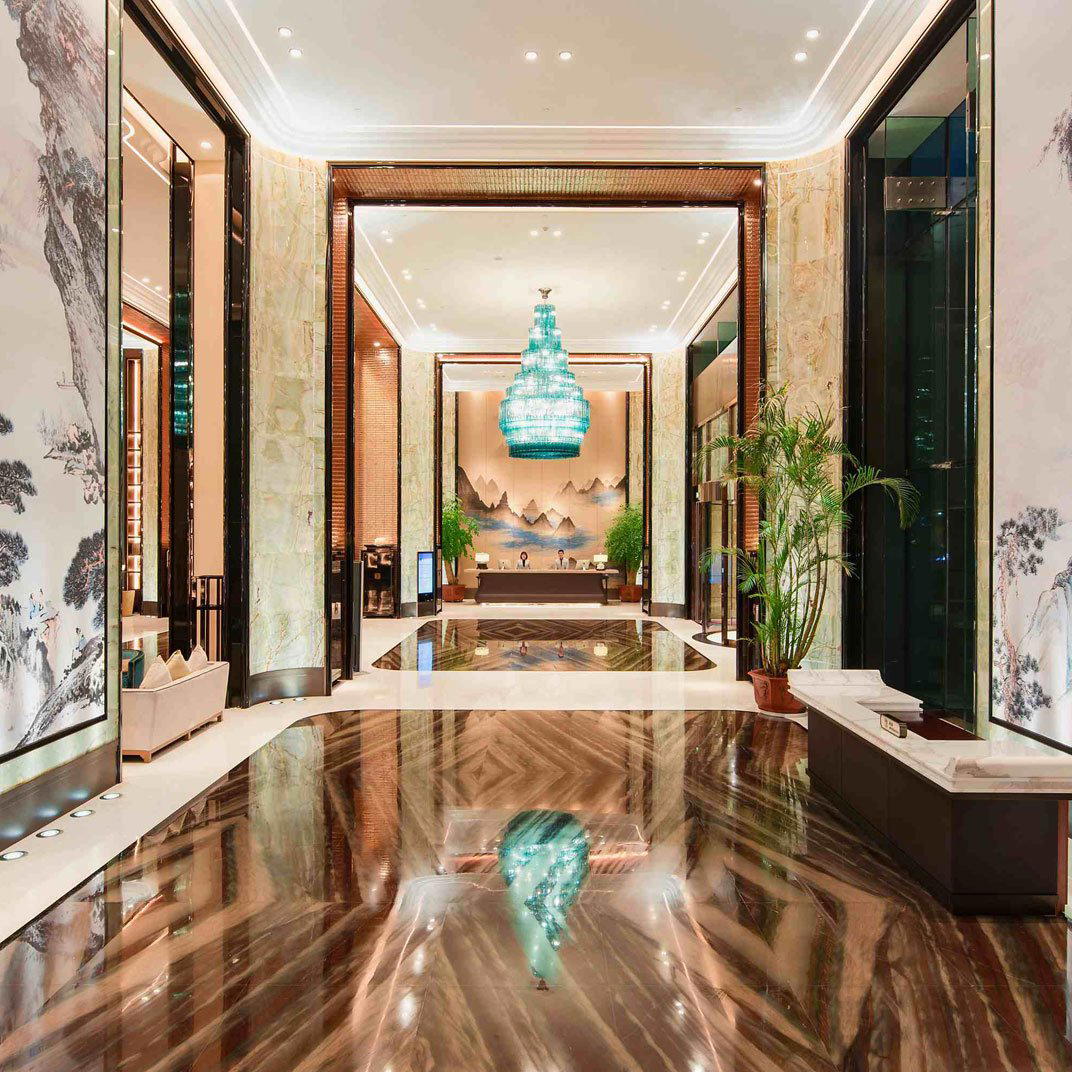
The name itself gestures toward ink-wash painting, the monochrome brush tradition associated with both Anhui's Huizhou culture and, more broadly, with the literati aesthetic that defines much of this part of China. Whether that framing manifests in the room's design or the plating approach, it sets an expectation: this is a restaurant interested in restraint and cultural specificity, not in the louder registers of contemporary Chinese fine dining.
What Hui Cuisine Actually Means at the Table
Hui cuisine, one of the eight recognised regional cuisines of China, is far less exported than its Cantonese, Sichuan, or Shanghainese counterparts, which gives it a relative obscurity outside of Anhui itself and the cities where Hui migrants historically settled. Its defining characteristics include a heavy reliance on preserved ingredients (pickled vegetables, salted meats, air-dried fish), long-braised preparations that develop deep colour and concentrated flavour, and a pronounced use of mountain products: bamboo shoots, wild mushrooms, tofu skins, fern fronds. Fat is not avoided; it is used deliberately, often as the structural element of a dish rather than a finishing note.
In a Hangzhou context, this means Shui Mo Hui is working in a register that local diners may recognise as adjacent to their own food culture without being identical to it. The Huizhou merchant class historically moved between Anhui and Zhejiang, and their culinary influence on cities like Hangzhou is real if underacknowledged. A Hui restaurant here is not an import from a foreign tradition; it is a recovery of a connection that already existed.
For comparison, the Zhejiang-focused addresses that dominate Hangzhou's Michelin selection, Ru Yuan (Zhejiang) at the ¥¥¥¥ tier, Guiyu (Xihu) (Zhejiang), Hangzhou House (Zhejiang), and Jie Xiang Lou (Zhejiang), operate within a well-established critical and commercial framework. Shui Mo Hui enters from a different angle, offering a cuisine with its own preserved-ingredient logic and long-fire techniques rather than competing directly in the Zhejiang lane. Ambré Ciel (Innovative) represents yet another orientation entirely, toward French-influenced contemporary cooking. The Michelin Plate, which signals quality cooking without the starred hierarchy above it, positions Shui Mo Hui as a serious address without placing it in direct competition with the city's starred Zhejiang restaurants.
The Service Architecture of a Mid-Tier Specialist
The editorial angle that matters here is not the kitchen alone. At the mid-range price point (¥¥ on a four-tier scale), the collaboration between kitchen, floor, and the guest's own understanding of the cuisine determines whether a meal lands as intended. Hui cooking relies on techniques and ingredients that benefit from explanation: a guest unfamiliar with the tradition might read a long-braised pork belly or a dish built around stinky tofu as miscalibrated, when in fact it is precisely calibrated to tradition. Front-of-house work at a restaurant like this carries real interpretive weight.
Across the broader Hui cuisine category in mainland China, this dynamic shows up consistently. Meng Du Hui, Hui Cuisine in Beijing and Meng Du Hui, Hui Cuisine in Nanjing both operate within the same regional tradition and face the same interpretive challenge: how to present a cuisine that is geographically and historically coherent but commercially underrepresented, in cities where guests may default to more familiar regional benchmarks. The team dynamic at Shui Mo Hui, how the floor staff position dishes, how the kitchen's approach to preserved ingredients is communicated, is as much a part of the dining proposition as the food itself.
This is not unique to Hui cuisine. Across China's fine dining tier, restaurants working in minority regional traditions increasingly invest in front-of-house education as a competitive differentiator. At Xin Rong Ji (Xinyuan South Road) in Beijing and Xin Rong Ji in Chengdu, the Taizhou cuisine format depends heavily on a floor team that can contextualise the tradition for guests outside Zhejiang. The same logic applies here.
Positioning in Hangzhou's Broader Scene
Hangzhou has, over the past decade, built a serious claim as one of mainland China's most interesting dining cities. The proximity to Shanghai drives quality expectations; the city's own culinary identity gives local restaurants a heritage framework that purely trend-driven cities lack. Within this environment, a mid-priced Michelin Plate recipient working in Hui cuisine occupies a niche that has both commercial logic and genuine critical interest. It is accessible enough (¥¥ pricing) to attract regular local custom, specific enough (a recognisably distinct regional tradition) to hold the attention of the Michelin inspectors who gave it a Plate in 2025.
For readers planning wider China itineraries, the Hui tradition appears in other cities too. 102 House in Shanghai, Chef Tam's Seasons in Macau, Imperial Treasure Fine Chinese Cuisine in Guangzhou, and Dai Yuet Heen in Nanjing each represent different points on the spectrum of regional Chinese cooking at the recognised end of the market. Shui Mo Hui's value, in that comparative frame, is its specificity: a single regional tradition, delivered at a price point that makes it a low-barrier entry into a cuisine most visitors to Hangzhou will not encounter elsewhere on their itinerary.
For the full scope of what Hangzhou offers, see our full Hangzhou restaurants guide, hotels guide, bars guide, wineries guide, and experiences guide.
Know Before You Go
- Address: Hua Zhong Nan Lu, Xia Cheng District, Hangzhou, Zhejiang, 310022
- Cuisine: Hui cuisine (Anhui regional tradition)
- Price range: ¥¥ (mid-range, accessible relative to Hangzhou's starred tier)
- Recognition: Michelin Plate, 2025
- Booking: Contact details not currently listed; recommend checking local platforms (Dianping, Meituan) for reservations and current hours
- Leading for: Guests seeking regional Chinese cooking outside the Zhejiang mainstream; value-conscious diners who want Michelin-recognised quality at mid-tier pricing
Frequently asked questions
What's Shui Mo Hui known for in terms of accolades?
Shui Mo Hui has received recognition including: Michelin Plate (2025).
Is Shui Mo Hui expensive?
Pricing at Shui Mo Hui is listed as ¥¥.
Where is Shui Mo Hui in Hangzhou?
Shui Mo Hui is located at 86F2+VJ6, Hua Zhong Nan Lu, Xia Cheng Qu, Hang Zhou Shi, Zhe Jiang Sheng, China, 310022, Hangzhou.
Comparable Venues
Comparable venues nearby, for context on price, style, and recognition.
| Venue | Cuisine | Price | Awards | Notes |
|---|---|---|---|---|
| Shui Mo HuiThis venue (the venue you are viewing) | Hui Cuisine | Not listed | Michelin Plate | Not listed |
| Shuiyang | Refined Zhejiang Cuisine | $50–100 | Michelin Plate | Hangzhoushi |
| Junxihui | Classic Cantonese | Not listed | Michelin Plate | Hangzhoushi |
| 1913 | Modern Hangzhou Cuisine | $50–100 | Michelin Plate | Yuhangxian |
| Kui Yuan Guan (Jiefang Road) | Hangzhou-style Noodles | $10–20 | Michelin Plate | Hangzhoushi |
| Hang's Delicacy (Xihu) | Hangzhou Cuisine | Not listed | Michelin Plate | Yuhangxian |
Recognition history
Dated appearances from independent guides and award organizations, with the underlying list record or original source where available.
Michelin Plate
Michelin
Continue exploring
More in Hangzhou
Restaurants in Hangzhou
All restaurants in Hangzhou →
Bars in Hangzhou
All bars in Hangzhou →
Details
- Elegant
- Scenic
- Cozy
- Special Occasion
- Courtyard
- Local Sourcing
- Garden
- A La Carte
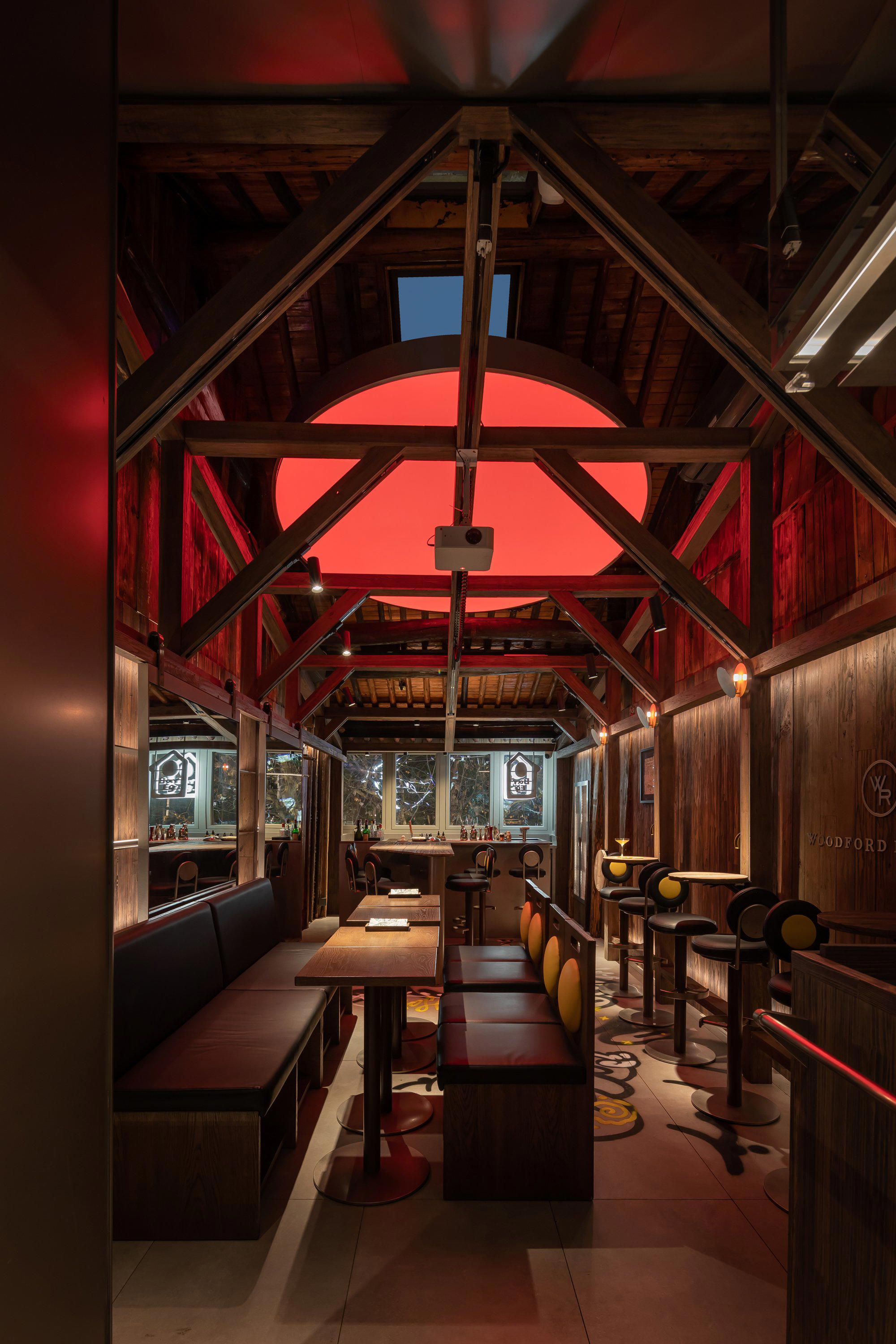
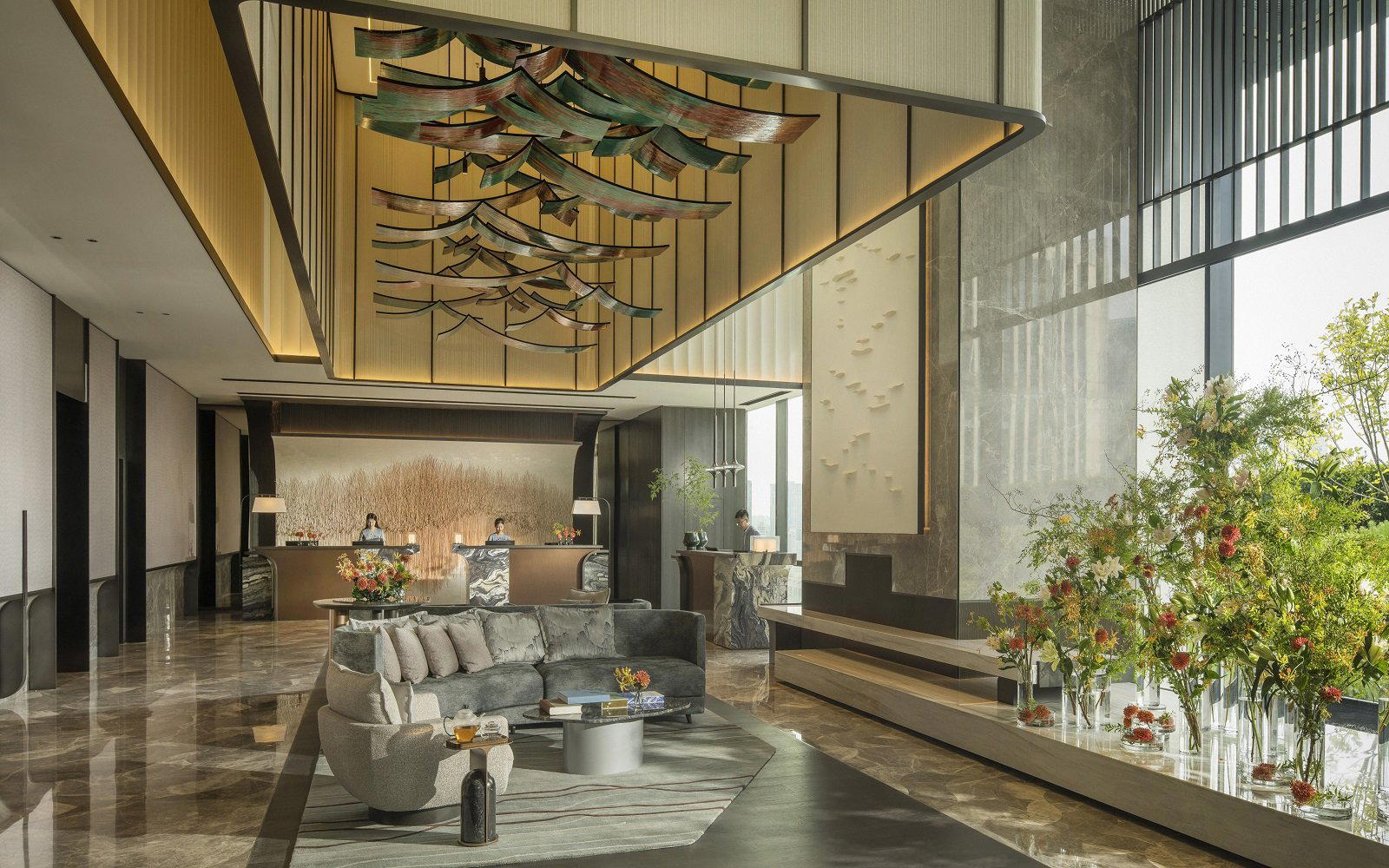
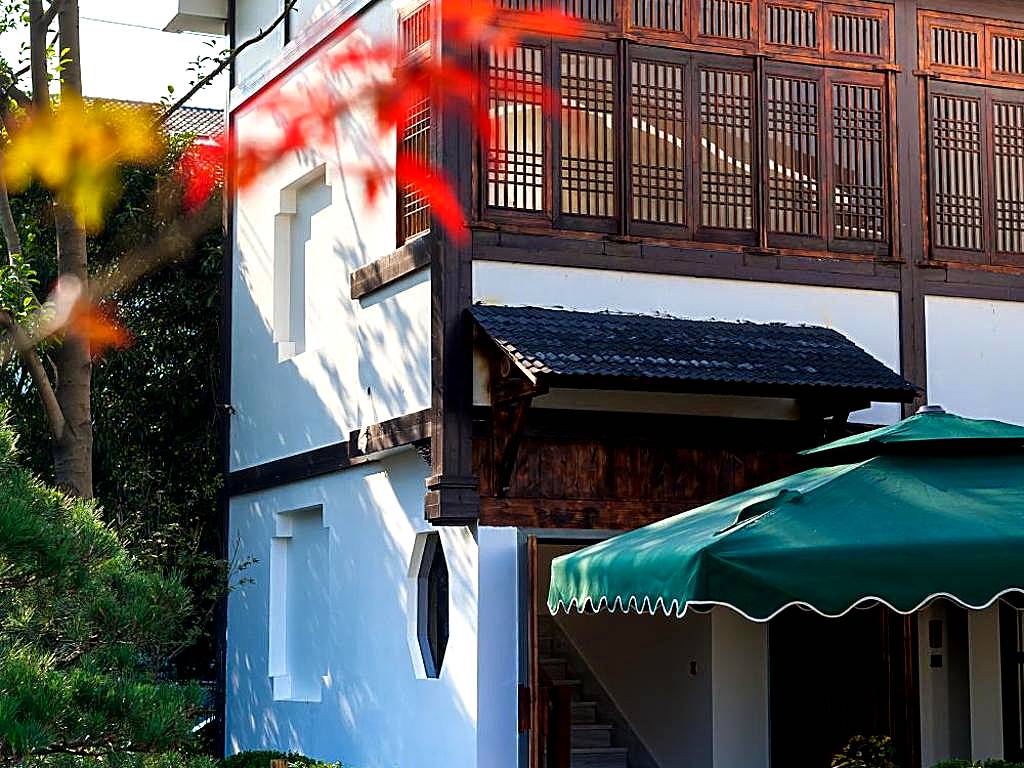
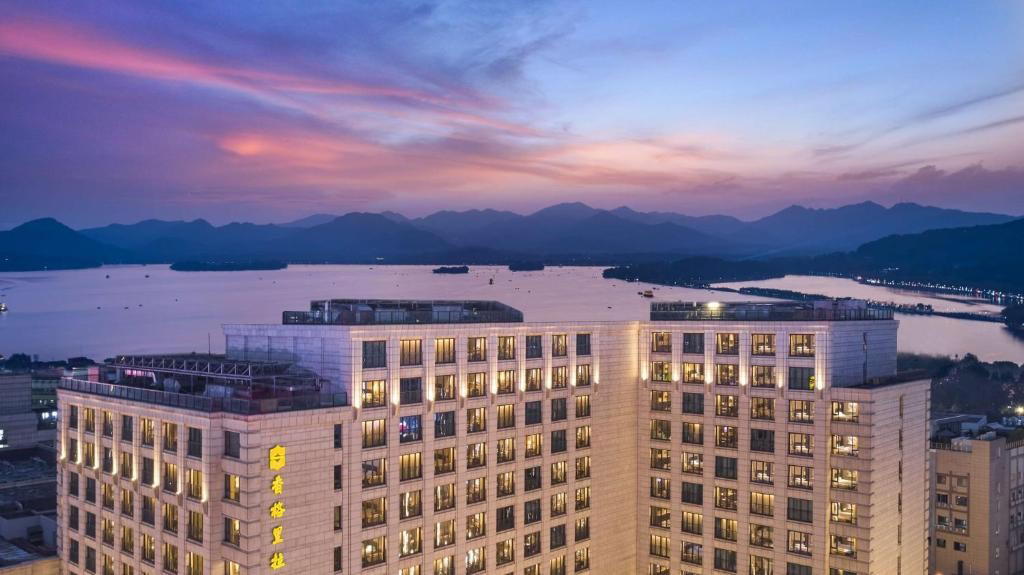
Serene oasis styled after ancient Anhui residences, featuring courtyard dining with scenic views.