
A Michelin Plate-recognised Fujian restaurant in Hangzhou's Xiacheng District, Chic 1699 brings the coastal cooking traditions of southeastern China into a city more associated with Zhejiang's freshwater and lotus-root repertoire. Rated 4.6 on Google across 26 reviews and priced at the mid-to-upper tier (¥¥¥), it occupies a distinct niche in a dining scene otherwise dominated by local Hangzhou and broader Zhejiang preparations.
Pearl is the En Primeur Club membership app — saves, bookings, and concierge access live there. Same editors, same standards.
- Address
- China, Zhejiang, Hangzhou, Xiacheng District, 六号路 邮政编码: 310022
- Phone
- +86 571 8812 1899
- Directions
- Get directions
 Saves & bookings on Pearl
Fujian Cooking in a Zhejiang City
Hangzhou's dining identity has long been anchored to West Lake and the Zhejiang canon: dongpo pork, steamed freshwater fish, and the sugar-forward, soy-braised preparations that define the region's culinary signature. Against that backdrop, a Chinese restaurant with Michelin recognition represents a deliberate departure. Chic 1699 brings the coastal cooking of southeastern China, a tradition built on slower braises, fermented sauces, and a different relationship with seafood and pork, into a city that rarely showcases it at this level.
The broader pattern is worth noting: across Chinese cities, cuisine imports from neighbouring or coastal provinces have gained traction at the premium tier, with diners increasingly seeking out the specificity of a regional tradition served with the polish of a serious kitchen. Hangzhou's scene has a handful of Michelin-recognised addresses, and most of them, including Ru Yuan (Zhejiang) at two stars and Guiyu (Xihu) (Zhejiang), operate within the local Zhejiang tradition. Chic 1699 is positioned differently: it draws from Fujian's distinct pantry and technique set, placing it in a different competitive conversation than the West Lake-facing establishments.
The Roasting Tradition Fujian Brings to the Table
Any serious discussion of Fujian cooking eventually arrives at its relationship with fire and char. Unlike the Cantonese roasting tradition, which produced the lacquered, honey-glazed char siu and Peking-style roast duck that now defines the popular image of Chinese barbecue, Fujian's roasted preparations tend toward earthier, more fermented flavour profiles. Red fermented tofu (nanru), rice wine, and long marinades create a different kind of depth on pork and poultry. The char is a byproduct of the process rather than its centrepiece.
This distinction matters when situating Chic 1699 within the broader roast-and-grill conversation happening at premium Chinese restaurants across the country. In cities like Guangzhou, where Imperial Treasure Fine Chinese Cuisine operates at the Cantonese roasting apex, or in Macau, where Chef Tam's Seasons applies classical technique at the highest level, the roasting tradition is primarily Cantonese in lineage. Fujian's approach, by contrast, is underrepresented at the Michelin-recognised tier, which makes its appearance in Hangzhou notable. For comparison, Hokklo in Xiamen, Fujian's provincial capital, represents what the tradition looks like in its home context.
Where Chic 1699 Sits in Hangzhou's Recognised Tier
The Michelin Plate designation, awarded in 2025, places the restaurant at the entry level of Michelin recognition. In Hangzhou's context, that positions it below the two-star mark held by Ru Yuan and the single-star addresses, but above the undifferentiated mid-market. It shares price territory (¥¥¥) with several well-regarded local addresses, including Hangzhou House and Jie Xiang Lou, though both of those operate within the Zhejiang tradition.
In either case, the signal is directional: the people who have dined here rate it well.
For context on how Fujian cuisine performs at the Michelin level elsewhere, Hokkien Cuisine in Chengdu provides a mainland comparison point, while Xin Rong Ji in Chengdu and Xin Rong Ji in Beijing demonstrate what Eastern Chinese coastal cuisine can achieve at the star level in inland and northern cities respectively. The pattern suggests appetite for regional specificity at the premium tier is not confined to coastal diners.
The Xiacheng Address and What It Implies
The restaurant is located on 六号路 in Hangzhou's Xiacheng District, the city's commercial and business core rather than its tourist-facing West Lake perimeter. That address situates it within the working dining culture of the city rather than the scenic-adjacent restaurant belt that tends to attract more casual visitor traffic. Premium Fujian cooking in a business district context is a familiar format elsewhere in Chinese cities, where regional specialists often anchor themselves to corporate lunch and dinner demand before building a broader dining reputation.
Xiacheng's restaurant density means competition at the mid-to-upper tier is substantive. Addresses like Ambré Ciel, operating in the innovative contemporary space, occupy the same general price and recognition tier while pursuing a different culinary direction. In that sense, the restaurant is competing less on cuisine category and more on the quality signal the Michelin Plate provides in a city where guide recognition is the primary sorting mechanism for premium dining decisions.
What Fujian's Culinary Tradition Offers the Hangzhou Diner
Fujian cooking's most distinctive contribution to China's broader culinary map is its handling of preserved and fermented ingredients alongside high-quality fresh produce. The province's coastline and mountainous interior create a pantry that spans dried seafood, preserved vegetables, and fresh catches, combined with techniques that favour long, patient cooking. At the premium tier, this often translates to clear, deeply flavoured broths, slow-braised meats, and preparations where the fermentation component adds complexity without dominating.
For a Hangzhou diner more accustomed to the clean sweetness of Zhejiang cooking, or the rich fat-rendered notes of dongpo pork, Fujian's flavour register offers genuine contrast. That contrast is part of what makes Michelin-recognised Fujian addresses at this tier worth tracking across Chinese cities. For broader context on how Shanghai-adjacent dining has engaged with regional Chinese cooking at a similar price point, 102 House in Shanghai and Dai Yuet Heen in Nanjing offer reference points for premium regional Chinese positioning in Yangtze Delta cities.
Planning a Visit
The restaurant is located in Hangzhou's Xiacheng District at 六号路, postcode 310022. The ¥¥¥ pricing places it at the serious dinner tier for Hangzhou, where a comparable spend at peer-level addresses like Jie Xiang Lou would be expected. Given the modest review count and the Michelin Plate recognition from 2025, table availability may be more accessible than at the city's starred addresses, though booking ahead is advisable for weekend evenings.
Price and Positioning
Comparable venues nearby, for context on price, style, and recognition.
| Venue | Cuisine | Price | Awards | Notes |
|---|---|---|---|---|
| Chic 1699This venue — the venue you are viewing | Hangzhoushi, Chinese | $$$ | Michelin Plate | Not listed |
| Ming Kitchen | Hangzhoushi, Refined Zhejiang Dim Sum | $$$ | Michelin Plate | Not listed |
| Nature's Own | Hangzhoushi, Plant-Based Vegetarian | $$ | Michelin Plate | Not listed |
| Amanfayun | Not listed | $$$$ | Not listed | Hangzhoushi, Traditional Hangzhou Chinese with Western Options |
| Guan Yan Liu Jin | Hangzhoushi, Chaozhou Cuisine | $$$ | Michelin Plate | Not listed |
| Fu Quan Shu Yuan | Yuhangxian, Zhejiang Vegetarian | $$ | Michelin Plate | Not listed |
Recognition history
Dated appearances from independent guides and award organizations, with the underlying list record or original source where available.
Michelin Plate
Michelin
At a Glance
- Modern
- Elegant
- Sophisticated
- Business Dinner
- Group Dining
- Family
- Special Occasion
- Design Destination
- Standalone
- Local Sourcing
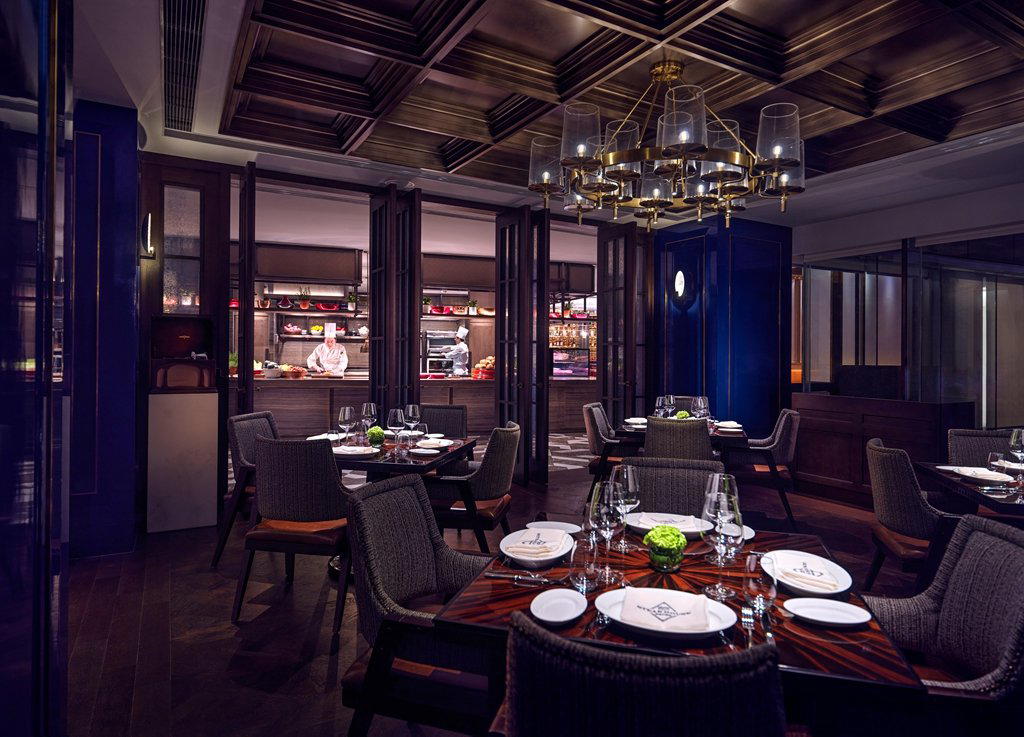
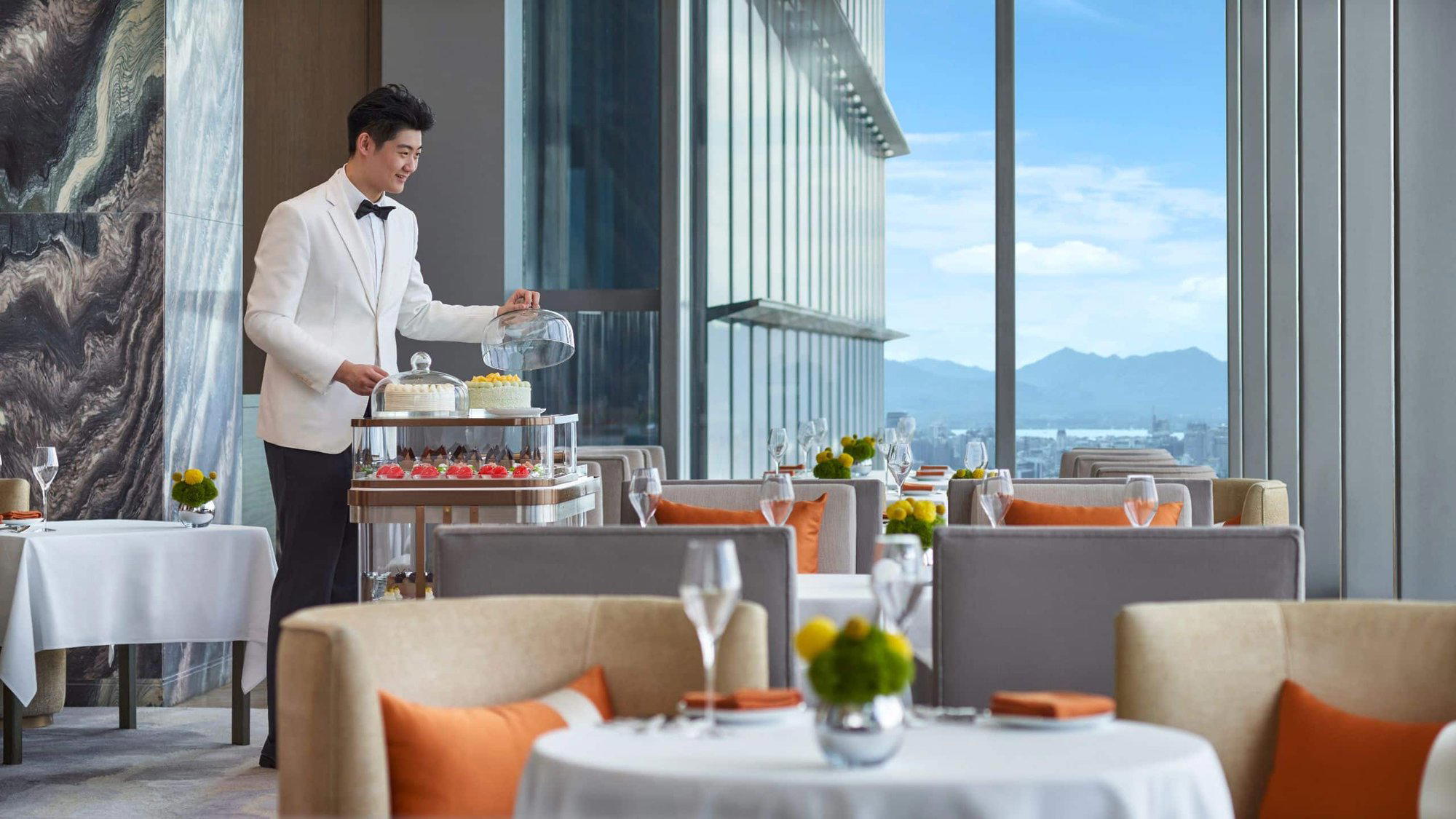
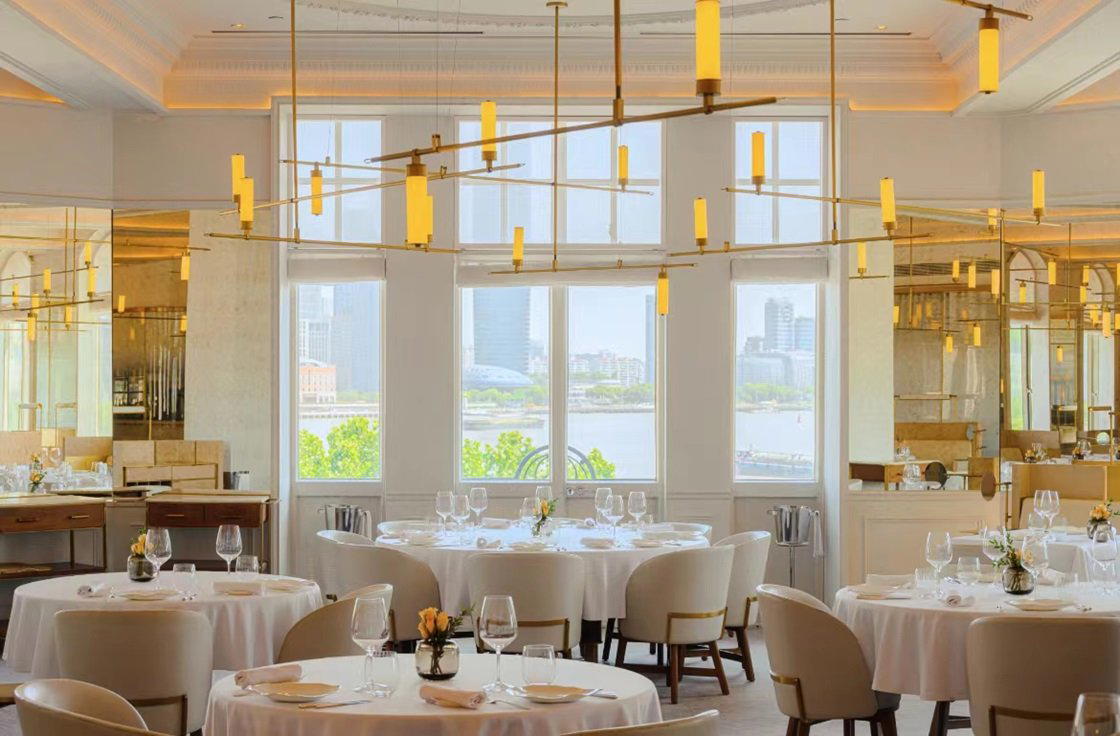
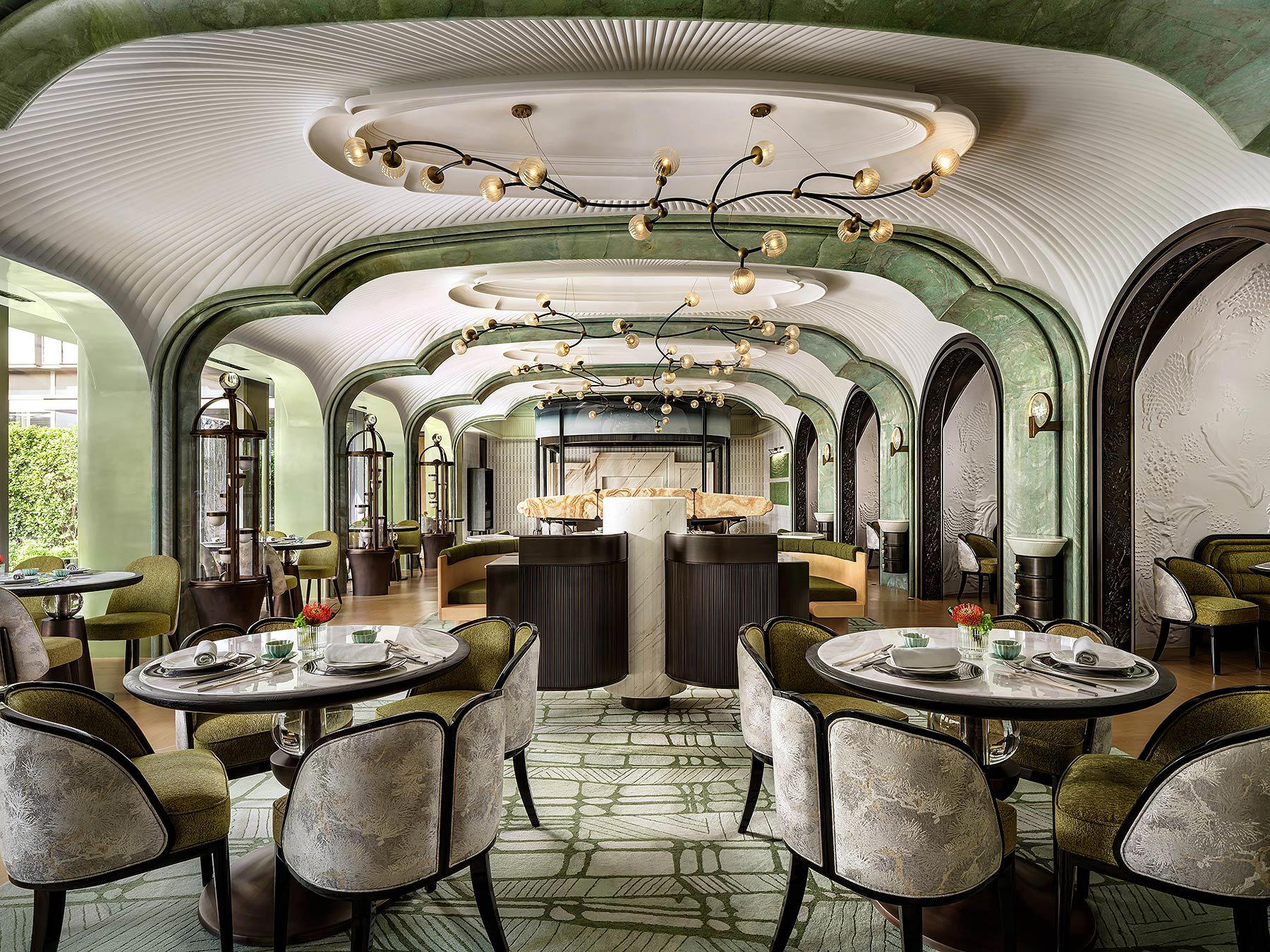
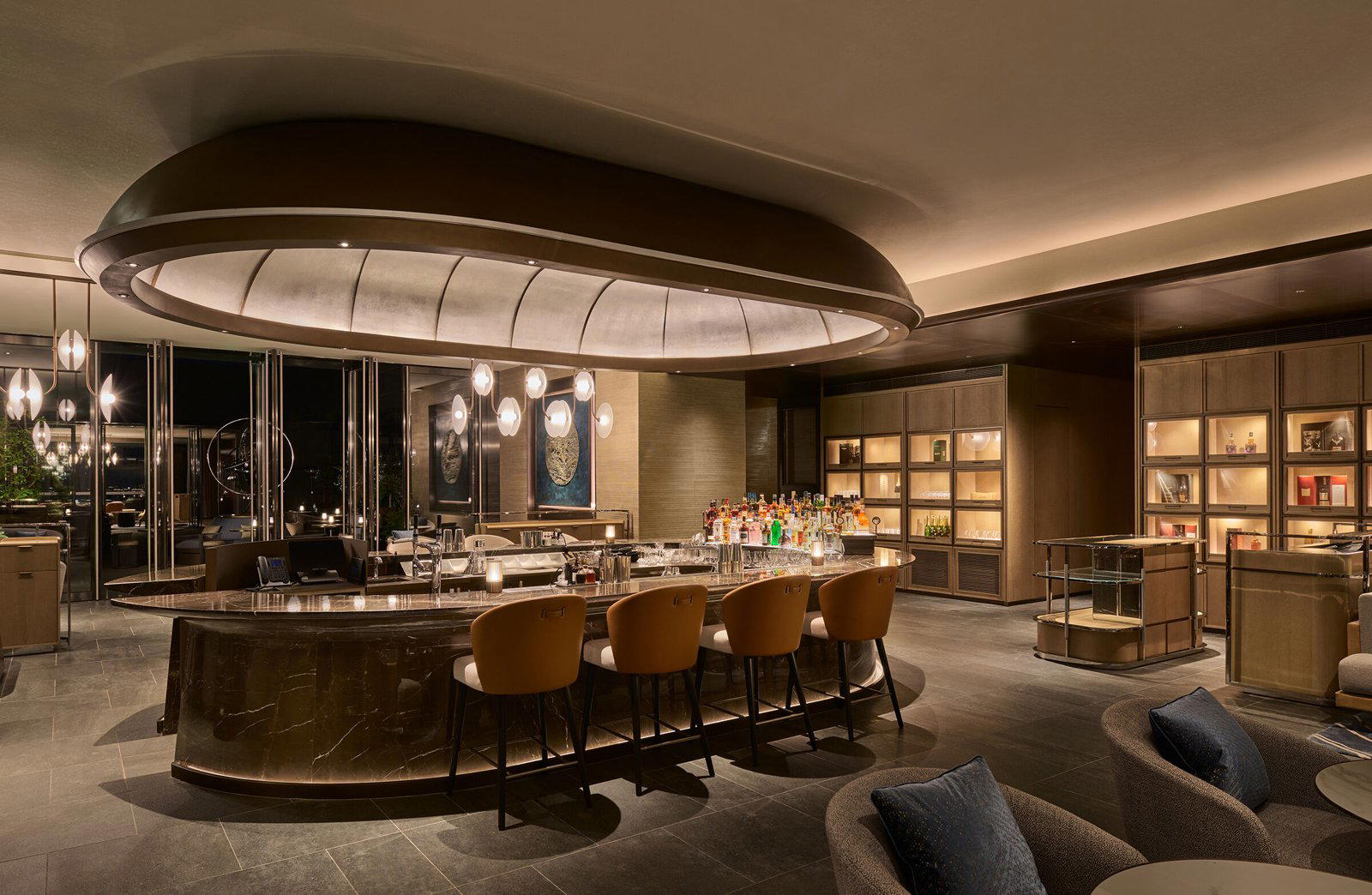
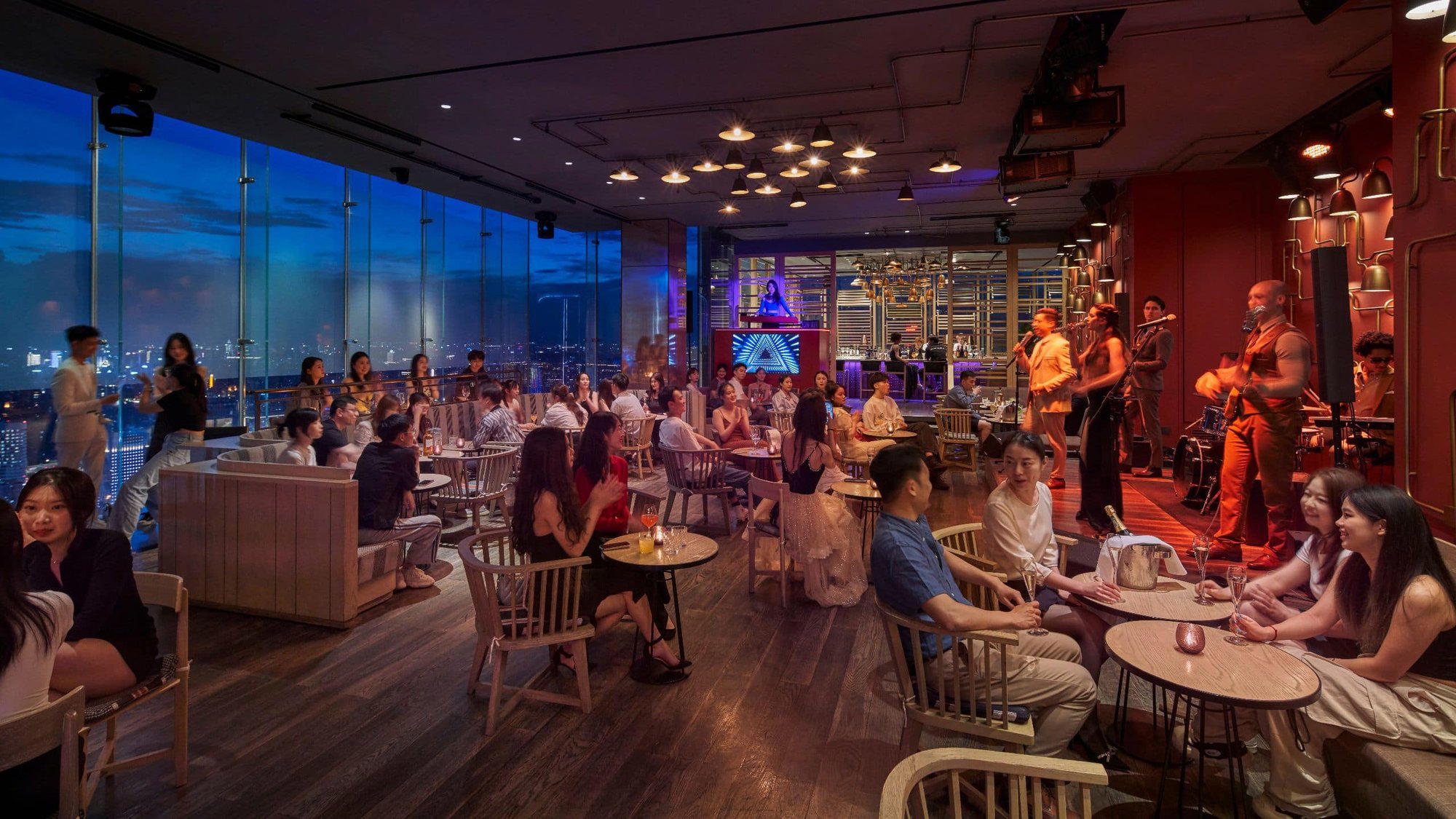
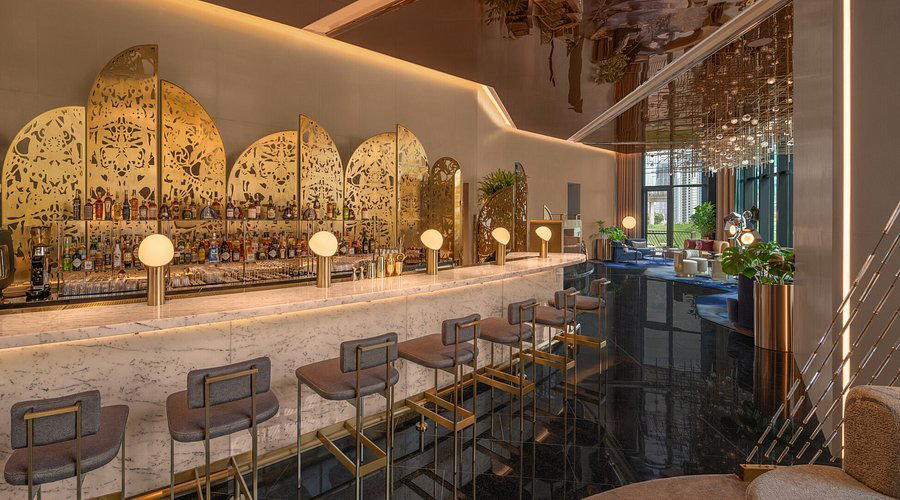
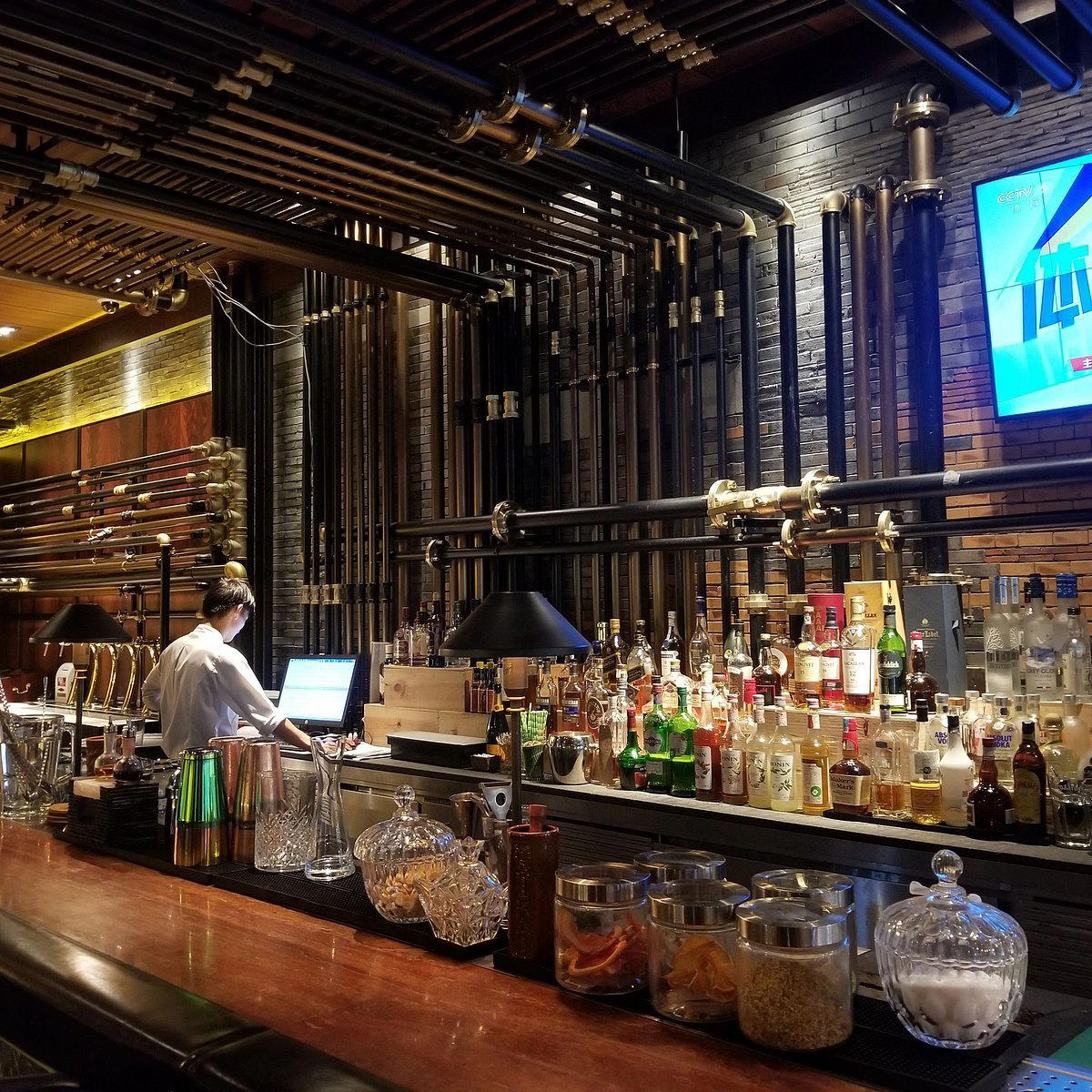
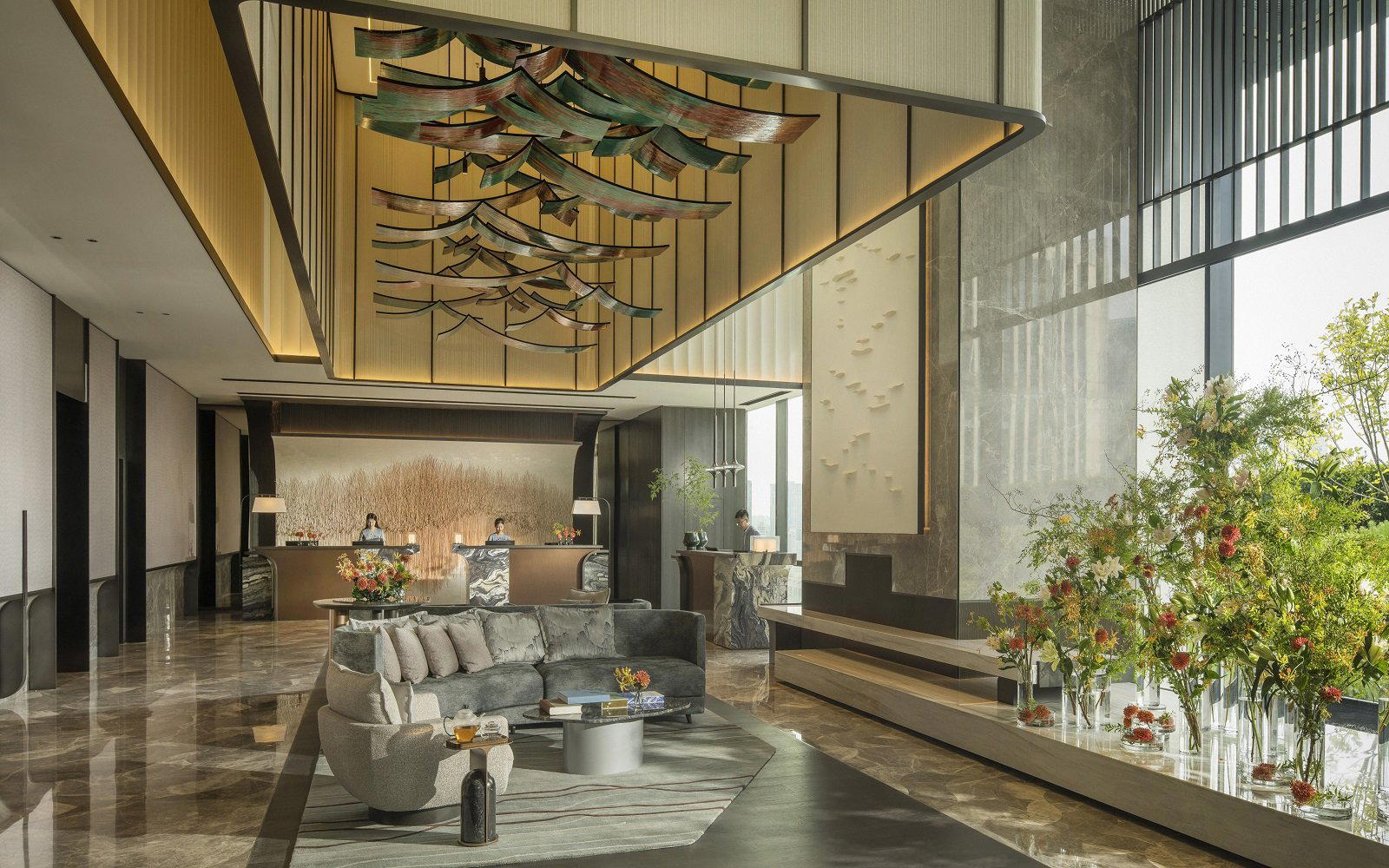
Dimly lit, modern, and chic with bare concrete, glass, and metal; guest coverage also describes a stylish, elegant, underwater-like atmosphere.