Michelin Plate
Our verdict
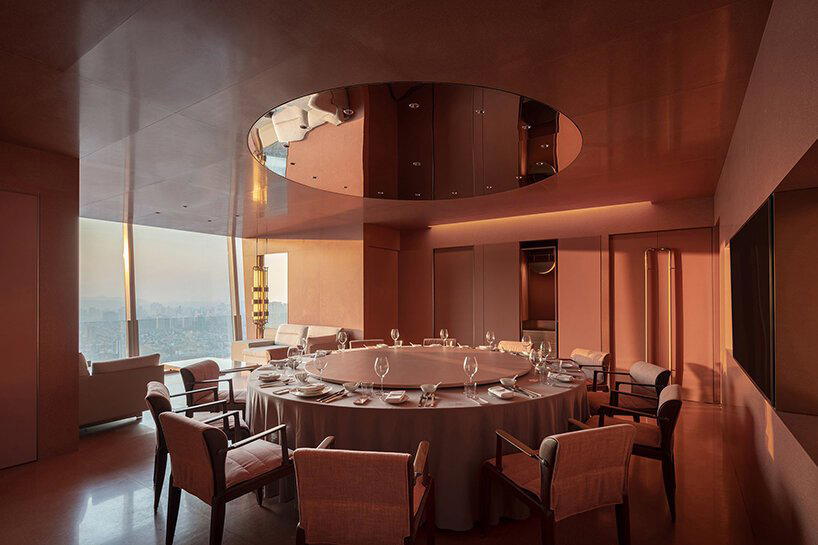
Guan Yan Liu Jin is one of Hangzhou's few dedicated Chao Zhou restaurants operating at Michelin Plate recognition level, recognised in both the 2024 and 2025 guides. Situated in the Xihu district, it serves a cuisine with its own distinct ritual logic, braised, slow-cooked, and precisely portioned, that sits apart from the dominant Zhejiang tradition shaping most of the city's fine-dining scene.

Pearl is the En Primeur Club membership app, where members save venues, book tables and use the concierge.
The menu
What to order
- Marinated meat platter
- Bombay duck omelette
- Crispy Pigeon with Smilax Glabra
- Chaoshan Yellow Croaker Jelly
A Different Dining Register in the Xihu District
Most of Hangzhou's recognised restaurants trace their identity to the Zhejiang canon: West Lake fish, Dongpo pork, longjing-inflected broths. Guan Yan Liu Jin departs from that frame entirely. It serves Chao Zhou cuisine, a tradition rooted in the coastal Chaoshan region of eastern Guangdong, and in doing so occupies a distinct niche in a city where Zhejiang cooking dominates at almost every price tier. The Xihu district address places it within one of Hangzhou's most visited urban quarters, yet the cuisine on offer reads as a deliberate counter-programme to the region's defaults.
Chao Zhou cooking is one of China's most disciplined regional traditions. It prizes clarity of flavour over intensity, restraint over richness, and the long, unhurried process of braising and marinating over high-heat technique. Coming to this table expecting the Zhejiang register, the sweetness, the silk-braised textures, the freshwater emphasis, will produce the wrong frame of reference. The relevant comparison is not Ru Yuan or Guiyu (Xihu), both of which carry the Zhejiang tradition forward at higher price points. It is, instead, restaurants like Chao Shang Chao in Beijing or Fleurs Et Festin in Xiamen that define the reference class.
The Ritual Logic of a Chao Zhou Meal
Understanding how a Chao Zhou meal is structured is more useful than any individual dish description. The tradition organises a table through balance rather than progression: cold marinated dishes (lu wei) anchor the opening; soups, often slow-simmered to a translucent, concentrated clarity, run through the middle; seafood, treated with minimal intervention to preserve its inherent sweetness, appears in the central courses; and the meal closes with congee or thin rice porridge, a gesture of restraint that signals the kitchen's priorities. Richness is earned through patience in the braising pot, not through butter, cream, or heavy reduction.
That structure implies a particular pacing. A Chao Zhou table does not rush. The braised goose or pork that defines the lu wei cold plate category requires hours of preparation before service begins. Soups demand similar lead times. This is cooking that rewards a table willing to settle in rather than move through courses efficiently. At Guan Yan Liu Jin, the Michelin Plate recognition in both the 2024 and 2025 guides signals that the kitchen executes this tradition at a level worth a deliberate visit, even if it sits below the starred tier occupied by venues like Ru Yuan (Zhejiang) in Hangzhou's recognition hierarchy.
Where It Sits in the Hangzhou Scene
Hangzhou's Michelin-recognised dining scene at the ¥¥¥ price tier is populated mostly by Zhejiang-cuisine specialists and a small number of pan-Chinese or innovative format restaurants. Guan Yan Liu Jin is unusual at this tier in committing fully to the Chao Zhou tradition rather than blending it with local Zhejiang influence or softening it for the local palate. That specificity is what the Michelin Plate designation reflects: recognition of a kitchen doing one thing with consistency rather than chasing a broader audience.
The ¥¥¥ price range places it in the same general tier as Xi Xi Liang Chen and Yan Zhu Chao, both of which operate in the Zhejiang tradition. For diners who have already covered that ground, or who are specifically seeking the Chao Zhou register, Guan Yan Liu Jin represents a substantively different proposition at a comparable spend level.
For those building a wider picture of Hangzhou's dining range, the contrast with Michelin-starred Zhejiang venues like Jin Sha and Ru Yuan is instructive. Zhejiang cooking at its recognised peak tends toward refined presentations of local ingredients within a historically documented tradition. Chao Zhou cooking at the same recognition level operates from a different set of reference points: the quality of preserved and marinated proteins, the depth of long-braised stocks, the precision with which seafood freshness is protected from over-handling. Neither tradition is a subset of the other.
Chao Zhou Cuisine Beyond Hangzhou
The tradition Guan Yan Liu Jin represents is more visible in other Chinese cities. In Macau, Chef Tam's Seasons represents the haute end of the broader Cantonese-adjacent fine-dining spectrum. In Shanghai, venues like 102 House demonstrate how regional Chinese cooking can occupy a premium modern format. Xin Rong Ji in Beijing and Xin Rong Ji in Chengdu show how Taizhou cuisine, a near-neighbour to the Zhejiang tradition, holds its own across Chinese cities. Against this broader map, a dedicated Chao Zhou kitchen operating at Michelin Plate level in Hangzhou occupies a specific gap in the city's offer that other venues in the guide do not fill.
Diners who have encountered Chao Zhou cooking through its diaspora expression in Southeast Asian cities, or through the higher-end Chaoshan-focused restaurants of Shenzhen and Guangzhou, will find Guan Yan Liu Jin a legible point of reference. Those new to the tradition may benefit from approaching the menu with a guide or with some pre-reading on the lu wei and congee conventions that structure a proper Chao Zhou sitting. Imperial Treasure Fine Chinese Cuisine in Guangzhou or Dai Yuet Heen in Nanjing can offer broader comparison points within the Cantonese-adjacent segment across the region.
Planning a Visit
Guan Yan Liu Jin sits in the Xihu district at an address approximately 140 metres northeast of a point on the eastern edge of the West Lake area (postal code 310007), which places it within walking distance of the lake's northern reaches and the network of streets that connect the lakefront to Hangzhou's older urban core. The ¥¥¥ price tier implies a mid-to-upper spend per head in Hangzhou's context, in line with comparable recognised venues in the district but below the ¥¥¥¥ tier of Hangzhou's starred restaurants.
For a full picture of what Hangzhou's dining scene offers across cuisine types and price tiers, see our full Hangzhou restaurants guide. Those planning a broader stay can also reference our Hangzhou hotels guide, bars guide, wineries guide, and experiences guide for a complete picture of the city.
Among Hangzhou's other Michelin-recognised venues, Ambré Ciel represents the innovative format end of the recognised dining tier, offering a useful contrast in approach and reference tradition to Guan Yan Liu Jin's disciplined regional commitment.
Frequently asked questions
Is Guan Yan Liu Jin expensive?
Pricing at Guan Yan Liu Jin is listed as ¥¥¥.
Has Guan Yan Liu Jin won any awards?
Guan Yan Liu Jin has received recognition including: Michelin Plate (2025); Michelin Plate (2024).
What's the signature dish at Guan Yan Liu Jin?
Chao Zhou cooking as a tradition centres on slow-braised meats, cold crab preparations, and delicate congees, the kitchen's identity is built around the structure of the meal rather than a single centrepiece. The ¥¥¥ pricing suggests a multi-course format consistent with Michelin Plate-recognised Chao Zhou restaurants elsewhere in China.
What cuisine category does Guan Yan Liu Jin fall under?
Where exactly is Guan Yan Liu Jin?
Guan Yan Liu Jin is located at China, Zhejiang, Hangzhou, Xihu, 61, 东北方向140米 邮政编码: 310007, Hangzhou.
Is Guan Yan Liu Jin reservation-only?
No booking contact or policy is publicly listed for Guan Yan Liu Jin. Given its Michelin Plate recognition in both 2024 and 2025 and its position at the ¥¥¥ tier in Hangzhou's Xihu district, securing a table in advance through the restaurant directly or via a hotel concierge is the practical approach.
A Tight Comparison
Comparable options at a glance, pulled from our tracked venues.
| Venue | Cuisine | Price | Awards | Notes |
|---|---|---|---|---|
| Guan Yan Liu JinThis venue (the venue you are viewing) | Chaozhou Cuisine | $50–100 | Michelin Plate | Not listed |
| Xin Rong Ji | Taizhou Cuisine | $50–100 | 1 Michelin Star · La Liste Top Restaurants | Taizhou |
| 28 Hubin Road | Modern Zhejiang Fine Dining | $50–100 | Michelin Plate · La Liste Top Restaurants | Zhejiang |
| Ru Yuan | Modern Hangzhou Fine Dining | $150–200 | 2 Michelin Stars · World's 50 Best #10 | Zhejiang |
| L'éclat 19 | French-Chinese Fusion Fine Dining | Not listed | 1 Michelin Star | French Contemporary |
| Song | Ningbo Chinese Fine Dining | Not listed | 1 Michelin Star | Ningbo |
Recognition history
Dated appearances from independent guides and award organizations, with the underlying list record or original source where available.
Michelin Plate
Michelin
Full recognition history (2 entries)
Michelin Plate
Michelin