Set inside Hong Kong Park in Admiralty, LockCha occupies a gallery building surrounded by greenery, an unusual address for one of the city's most deliberate Chinese tea house experiences. The format centres on traditional gongfu tea service paired with dim sum, placing it apart from both the hotel tea lounges and the casual cha chaan teng circuit. It is the kind of place that rewards patience over speed.
Pearl is the En Primeur Club membership app — saves, bookings, and concierge access live there. Same editors, same standards.
- Address
- 地下層, 香港公園, The K.s.lo Gallery, Admiralty, Hong Kong
- Phone
- +852 2801 7177
- Website
- lockcha.com
- Directions
- Get directions
 Saves & bookings on Pearl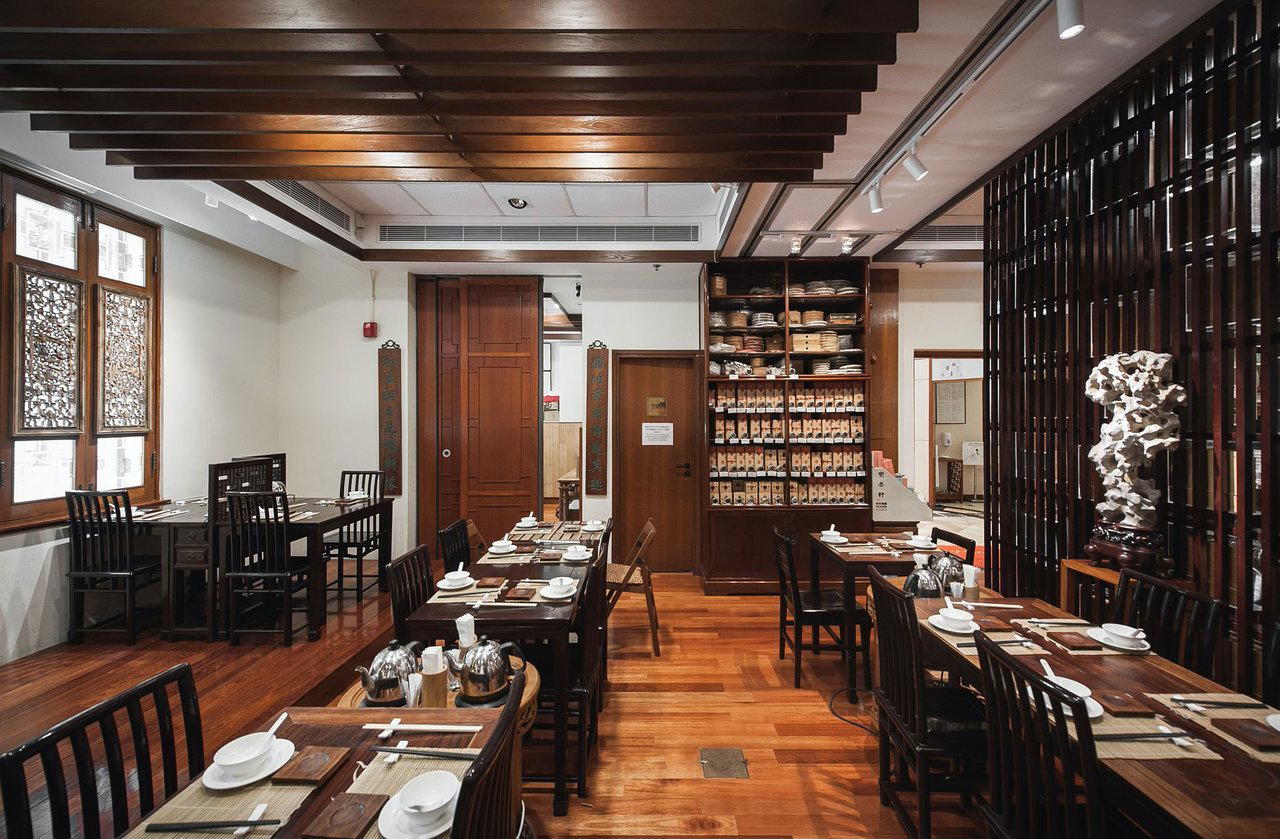
A Quiet Room in a Loud City
Hong Kong Park sits at the administrative seam between Admiralty and Central, hemmed in by towers on every side yet managing, against the odds, to feel removed from the surrounding density. LockCha occupies the K.S. Lo Gallery at the park's lower level, in Admiralty, Hong Kong, a setting that already signals what kind of experience this will be. The walk in from the street involves passing aviaries, a conservatory, and the kind of deliberate landscaping that slows your pace before you've decided to slow it. By the time you arrive at the entrance, the shift in register has already happened.
That physical approach matters, because LockCha operates in a category where environment and ritual carry as much weight as what ends up in the cup. Traditional Chinese teahouse culture, at its most considered, is not primarily about the tea as a beverage. It is about the ceremony of preparation, the sequence of infusions, and the discipline of attention that gongfu cha service imposes on both host and guest. A venue that placed this format in a mall food court would be telling you something. A venue that places it in a colonial-era gallery building inside a public park is telling you something else entirely.
Where This Fits in Hong Kong's Tea Culture
Hong Kong's relationship with tea is layered and sometimes contradictory. The cha chaan teng, the working-class milk tea counter, is the city's democratic baseline, fast and functional, with a devoted following that crosses every income bracket. At the other end, hotel afternoon teas at properties like Le Salon de Thé de Joël Robuchon Hong Kong (ifc mall) in Central or the lobby lounges of five-star Admiralty hotels translate the English afternoon format through a luxury hospitality lens, where the tea is often secondary to the pastry display.
LockCha occupies a third position that neither of those categories touches. The gongfu cha tradition it draws from is southern Chinese in origin, associated with Chaozhou and Fujian practice, and involves small-batch brewing in clay teapots with short, repeated steepings rather than a single long infusion. Each steep draws out different compounds and flavours, making the session cumulative rather than static. This is a format that presupposes a guest who has time and interest enough to notice the difference between the second and the fifth infusion of the same leaves. In Hong Kong's compressed, transactional dining culture, that presupposition is itself a quiet editorial statement.
The dim sum that accompanies the tea service here falls within a vegetarian tradition, which differentiates LockCha from the Cantonese banquet model that dominates the city's most celebrated dim sum addresses. Institutions like Forum (Cantonese) built their reputation on Cantonese roast and seafood technique. LockCha's kitchen works from a different brief entirely, one closer to the tea-house food of monastic or scholarly tradition than to the yum cha halls of Kowloon or Sheung Wan.
The Setting's Role in the Experience
The K.S. Lo Gallery is a heritage building, which means the room itself carries a materiality that newer venues in the city's commercial districts cannot replicate. Stone floors, high ceilings, and the ambient sound of the park rather than the ambient sound of a shopping centre air-handling system produce a sensory baseline that is genuinely different from most of Hong Kong's dining environments. AMMO in Central And Western is another example of a venue that has found resonance by pairing heritage architecture with a contemporary food and drink program, the instinct to let an old building do atmospheric work that a new build would have to manufacture is one that Hong Kong's more thoughtful operators have learned to apply.
Park location also means that LockCha sits outside the logic of commercial rental pressure that shapes most of the city's restaurant decisions. Venues in IFC, K11 Musea, or Landmark operate in real estate environments where footfall targets and hourly table turns are structural realities. A venue in a public park gallery operates under different constraints, and that shows in the pace the room maintains and the format it can sustain.
Placing LockCha in a Broader Hong Kong Dining Week
Visitors constructing a serious Hong Kong eating itinerary tend to concentrate their Michelin-weighted choices in Central and Wan Chai: Amber (French Contemporary), Caprice, Ta Vie (Japanese - French, Innovative), and 8 1/2 Otto e Mezzo Bombana (Hong Kong) (Italian) represent the city's tasting-menu tier, where kitchen technique and sourcing credibility are the primary measures. LockCha does not compete in that register and would not want to. It occupies a cultural function that those venues cannot fulfil: a direct, unhurried encounter with among the more formally developed tea traditions in the world, served in a room that reinforces rather than contradicts the experience.
For comparison, consider what the broader Hong Kong dining circuit offers in terms of cultural specificity beyond Cantonese fine dining. The Former Jumbo Floating Restaurant in Aberdeen represented one kind of Hong Kong food history, theatrical and export-facing. LockCha represents another: inward-looking, rooted in scholarly Chinese aesthetic traditions, and resistant to spectacle. Across the wider city, addresses like Lei Garden in Sha Tin deliver technically accomplished Cantonese cooking for a local audience; Block 18 Doggie's Noodle in Yau Tsim Mong, Chin Sik in Tsuen Wan, and King Of Soybeans in Wong Tai Sin anchor the working-class food culture that keeps the city honest. LockCha answers a different question about what Hong Kong's food identity contains.
Venues like Hoi Tin Garden in Tuen Mun, Enchanted Garden Restaurant in Islands, and Habib's Indian and Middle Eastern Food in Kwun Tong each reflect the city's demographic and geographic breadth. LockCha's contribution to that breadth is the representation of a specifically Chinese cultural practice that the city's colonial-era institutions largely left out of their account of what Hong Kong dining was.
For context on what premium tea-focused dining looks like in comparison to tasting menus at the highest price tier, the contrast with destinations like Le Bernardin in New York City or Lazy Bear in San Francisco is instructive. Both of those operate within the Western fine dining framework, where the critical vocabulary of technique, sourcing, and progression applies. LockCha asks its guests to use a different vocabulary entirely.
Planning Your Visit
LockCha is located at the K.S. Lo Gallery on the lower level of Hong Kong Park, accessible from the Admiralty MTR station via the park's main entrance. The walk from the station takes around ten minutes through the park itself. Given the setting, arriving early enough to spend time in the park before your tea session adds considerably to the experience, the contrast between the surrounding city and the room you eventually sit down in is part of what the venue trades on. Given the format and the setting, this is not a quick lunch address; build at least ninety minutes into any visit.
Side-by-Side Snapshot
Comparable venues nearby, for context on price, style, and recognition.
| Venue | Cuisine | Price | Notes |
|---|---|---|---|
| LockCha (Admiralty)This venue — the venue you are viewing | Vegetarian Chinese Tea House Dim Sum | $$ | Not listed |
| Kasa | Modern Cantonese Fusion | $$ | Wan Chai |
| Bee Cheng Hiang (美珍香) | Singaporean Bakkwa Specialist | $ | Tsim Sha Tsui |
| Keung Kee Dai Pai Dong | Cantonese Dai Pai Dong | $ | Sham Shui Po East |
| Putien | Authentic Fujian Cuisine | $$ | Wan Chai |
| Rú | Modern Cantonese Fine Dining | $$$ | Tsuen Wan |
Continue exploring
More in Hong Kong
Restaurants in Hong Kong
Browse all →
Bars in Hong Kong
Browse all →
At a Glance
- Quiet
- Cozy
- Elegant
- Classic
- Brunch
- Casual Hangout
- Garden
- Sake Program
- Garden
Current opening hours
- Monday
- 10 AM–8 PM
- Tuesday
- 10 AM–8 PM
- Wednesday
- 10 AM–8 PM
- Thursday
- 10 AM–8 PM
- Friday
- 10 AM–8 PM
- Saturday
- 10 AM–8 PM
- Sunday
- 10 AM–8 PM
Hours can change for holidays and private events. Last verified .
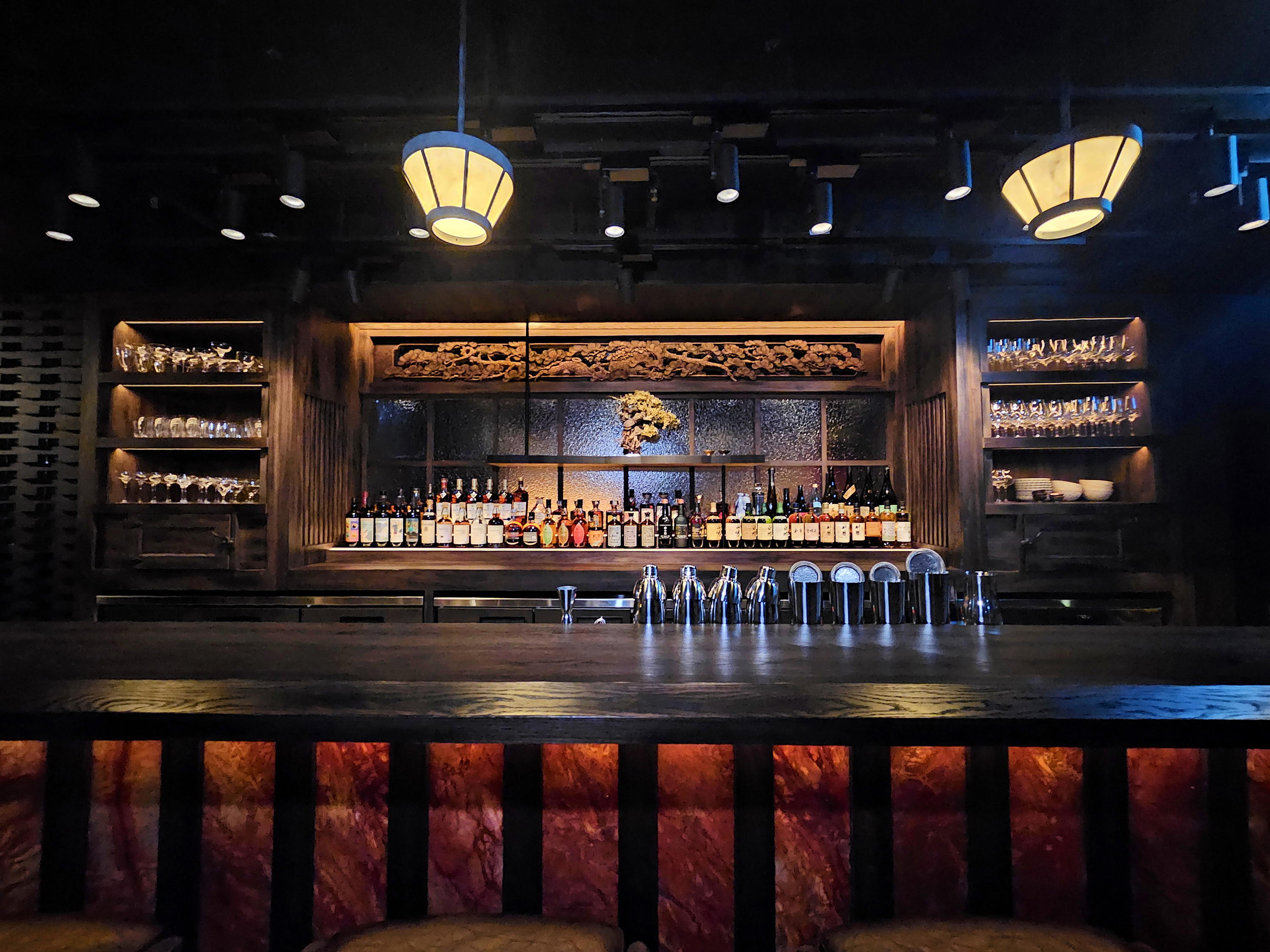
Soothing and cultured oasis with captivating ambience amid urban surroundings.