Keung Kee Dai Pai Dong occupies a strip of pavement on Ki Lung Street in Sham Shui Po, one of Hong Kong's oldest working-class districts, where the dai pai dong format has survived decades of urban pressure. Set against a neighbourhood defined by garment stalls and wet markets, it represents the kind of low-overhead, high-turnover street cooking that the city's food culture was built on, and that urban planners have spent years trying to phase out.
Pearl is the En Primeur Club membership app — saves, bookings, and concierge access live there. Same editors, same standards.
- Address
- 219 Ki Lung St, Sham Shui Po, Hong Kong
- Directions
- Get directions
 Saves & bookings on Pearl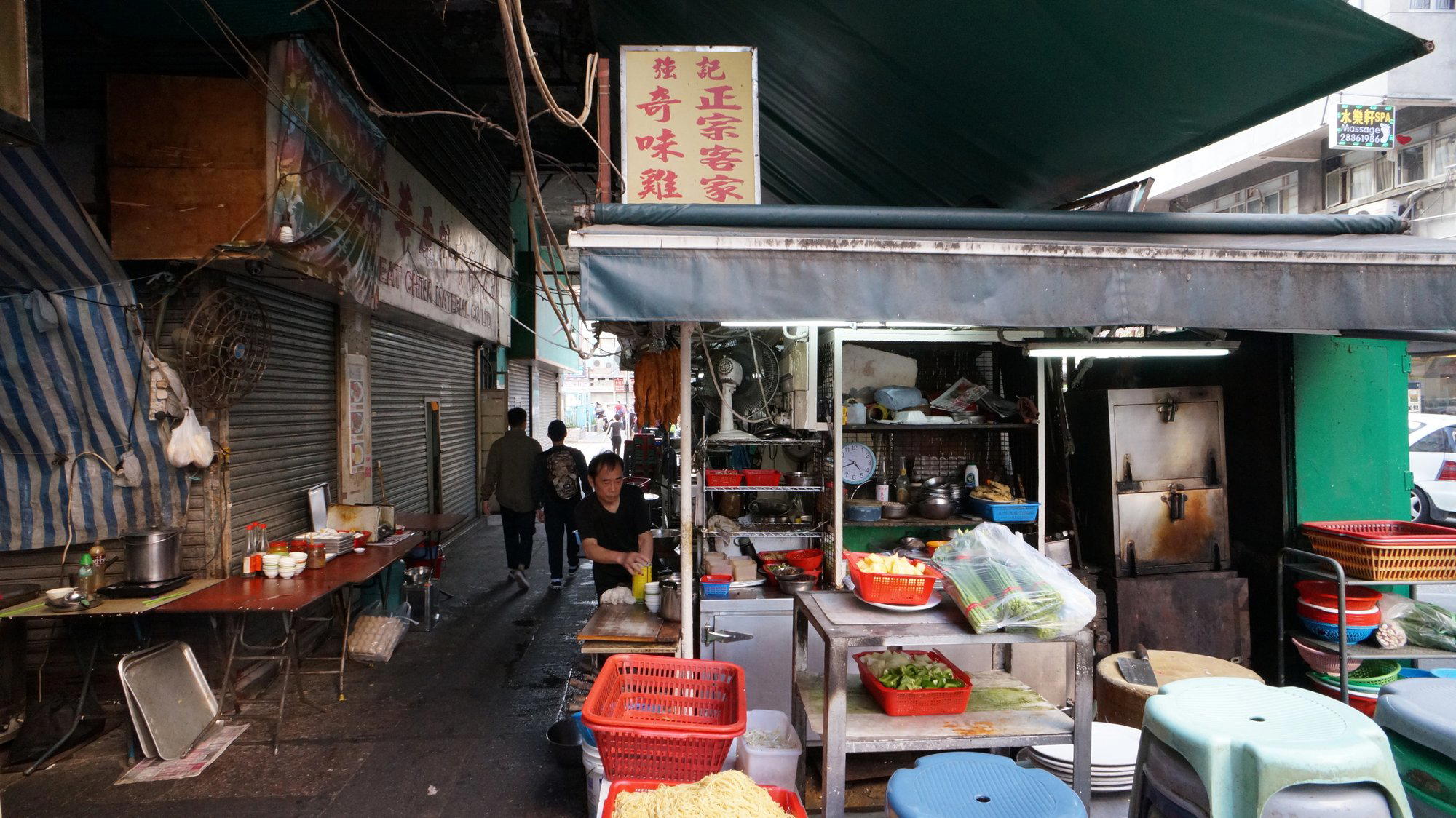
Sham Shui Po and the Survival of Street Eating
Hong Kong's relationship with the dai pai dong is, at this point, a story of attrition. The government began phasing out street stall licences in the 1970s, initially by freezing new issuances, then by allowing existing licences to lapse rather than be transferred. The result: a format that once defined the city's democratic food culture has contracted to a handful of districts. Sham Shui Po is one of them. The neighbourhood, which runs west from the MTR station along Ki Lung Street and its surrounding lanes, has resisted the kind of gentrification that hollowed out similar working-class pockets in Wan Chai or Sheung Wan. That resistance is partly economic, rents here have not kept pace with Central or Causeway Bay, and partly cultural, rooted in a community that still shops at the nearby Apliu Street flea market and eats at plastic-table restaurants rather than places with reservation systems.
Keung Kee Dai Pai Dong sits at 219 Ki Lung Street inside that ecology. That context matters when you're trying to understand what a dai pai dong actually is: not a style of food, but a model of food production, fast, communal, open to the street, with minimal infrastructure and maximum throughput. The cooking changes depending on what the operator knows and what the market supplies. The format is the constant.
The Dai Pai Dong Model and What It Actually Costs the Planet
There is an argument, made more frequently now that sustainability has become a formal frame for evaluating restaurants, that the dai pai dong is one of the more resource-efficient food production formats in any Asian city. The economics enforce it. Low margins mean low waste. Purchasing is typically done daily from wet markets, which means no industrial cold storage, no extended supply chains, and no separation between what is seasonally available and what ends up on the table. At a street stall operating in a neighbourhood like Sham Shui Po, the ingredient list on any given evening is a close reflection of what arrived at the nearby market that morning.
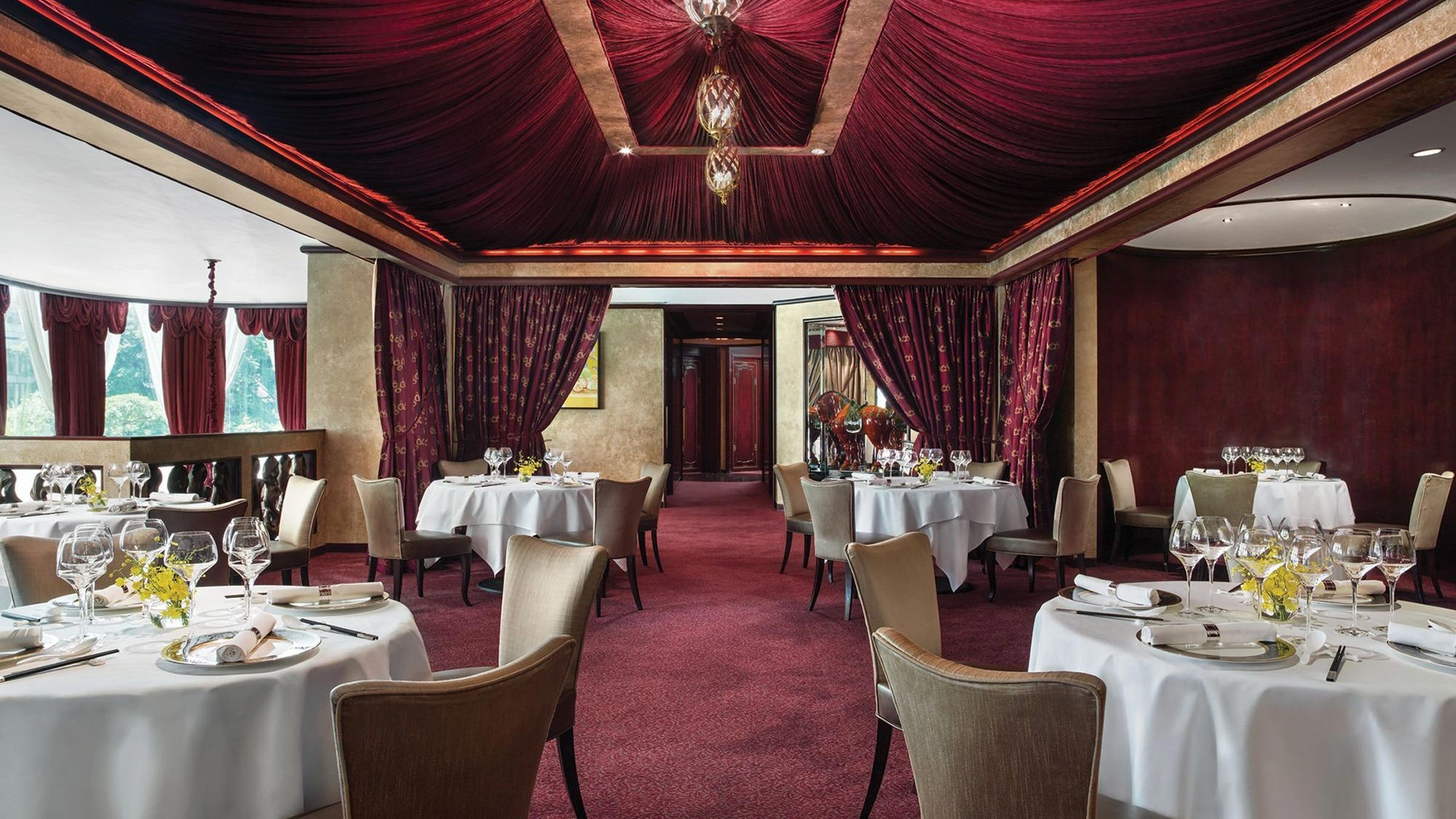
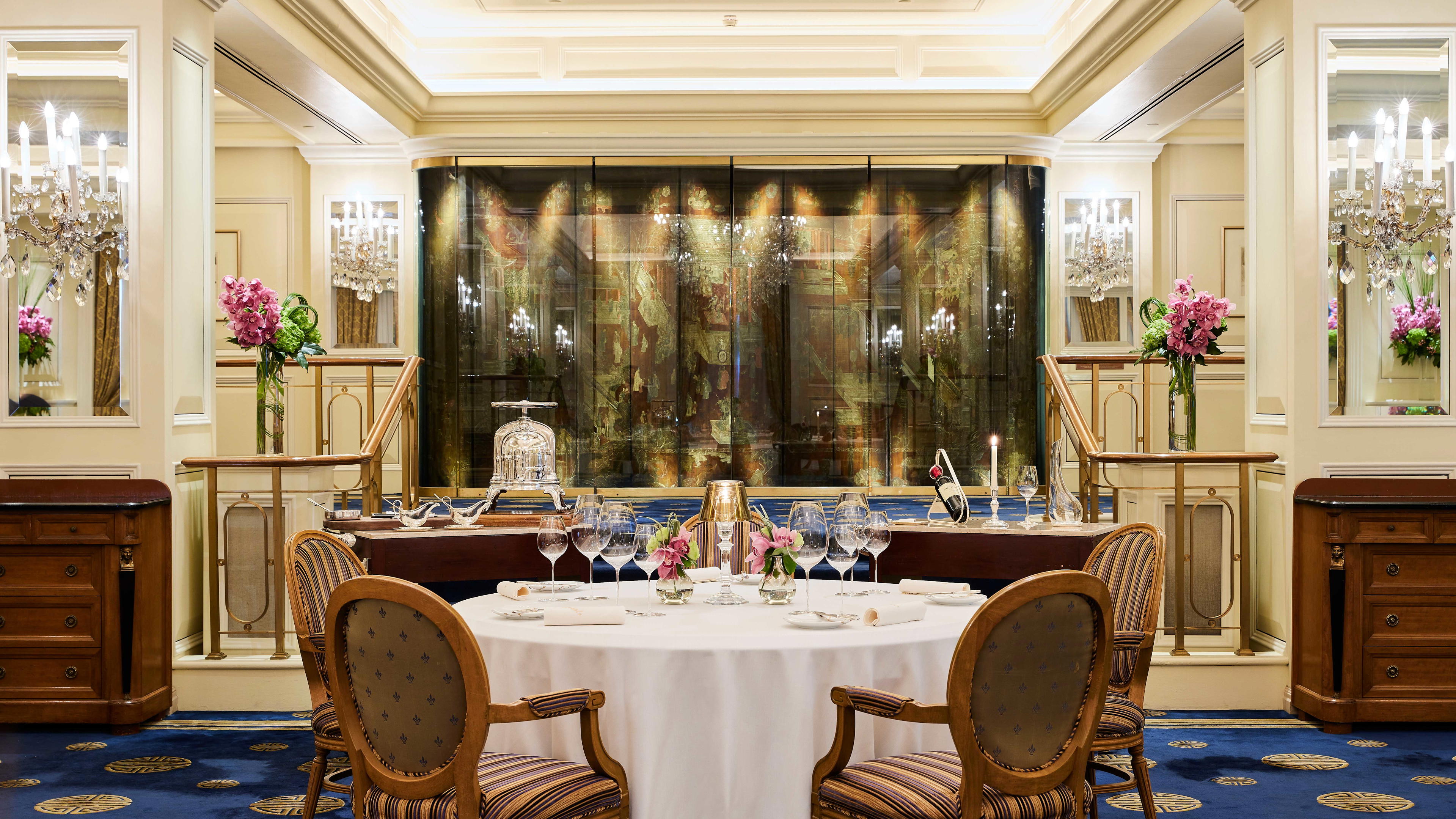
Compare this to the procurement systems of, say, Hong Kong's Michelin-starred French or Italian kitchens, Caprice, 8 1/2 Otto e Mezzo Bombana, or Amber, where imported proteins, flown-in produce, and speciality ingredients from three continents are standard operating procedure. The carbon calculus of those meals sits at the other end of the spectrum from a dai pai dong that sources within a five-kilometre radius. This is not an argument that one is morally superior to the other. It is an observation that the sustainability conversation in Hong Kong's food press tends to focus on certified producers and fine-dining procurement policies while ignoring formats that have operated on low-waste, short-supply-chain principles by structural necessity for decades.
The single-use plastics issue is where the format is more complicated. Dai pai dong operators have historically relied on styrofoam containers, plastic bags, and disposable chopsticks, materials chosen for speed and cost, not environmental impact. Some operators have moved toward reusable dishware or compostable packaging, driven less by ideology than by municipal waste initiatives and rising material costs. What is verifiable is the structural dynamic: the smallest-margin operators in Hong Kong's food system are simultaneously the resource-efficient in sourcing and the exposed to packaging criticism. That tension has not yet produced a coherent policy response.
What the Neighbourhood Frames
Sham Shui Po's food identity is not singular. The district runs from congee shops and roast meat specialists near the MTR to Vietnamese and South Asian kitchens further north, reflecting a community that has absorbed successive waves of immigration since the 1950s. The dai pai dong sits within that plurality as one format among many, not a relic, exactly, but also not the dominant mode of eating in the neighbourhood anymore. Indoor restaurants now outnumber street stalls significantly. The stalls that remain do so because they have a customer base that predates the surrounding changes, and because the economics of a fully outdoor, low-rent operation can still make sense on a busy pedestrian street.
For a sense of how Sham Shui Po's food scene compares to other outer-district eating in Hong Kong, the contrast with Block 18 Doggie's Noodle in Yau Tsim Mong or Lei Garden in Sha Tin is instructive. Both represent different points in the spectrum of working-class and mid-market Cantonese eating outside the central district. Keung Kee operates at a different register entirely from the Michelin-tracked and innovation-led rooms that define Central's dining identity, venues like Ta Vie or Forum. The comparison is not invidious; it simply maps the range. Hong Kong's food culture has always operated across an unusually compressed price spectrum, from street stalls charging under HK$50 per head to omakase rooms charging fifty times that. The dai pai dong occupies the basement of that pyramid, and does so without apology.
For broader orientation across the city's eating options, examples include Le Salon de Thé de Joël Robuchon at ifc mall, AMMO in Central and Western, and further-afield options like Enchanted Garden Restaurant on the Islands or Habib's Indian and Middle Eastern Food in Kwun Tong. The contrast between Keung Kee's model and destinations like the Former Jumbo Floating Restaurant in Aberdeen, a tourism-oriented eating experience with a completely different infrastructure logic, underscores how many distinct food cultures operate simultaneously in this city.
Getting There and Practical Notes
Ki Lung Street is a short walk from Sham Shui Po MTR station on the Tsuen Wan Line. The area is most active in the evenings, when the street stalls tend to set up and the district's market culture is most visible. Keung Kee is walk-in friendly. Payment is typically cash, though this varies by operator. Dress is entirely casual, the outdoor setting and plastic-table format make anything else impractical. The restaurant is open Monday through Saturday from 6:30 AM to 10 PM and closed on Sunday. Those seeking points of comparison in the district should note that Sham Shui Po's eating options extend well beyond the street stall tier, with indoor Cantonese and Southeast Asian restaurants running along the same streets.
At a Glance
Comparable venues nearby, for context on price, style, and recognition.
| Venue | Cuisine | Price | Notes |
|---|---|---|---|
| Keung Kee Dai Pai DongThis venue — the venue you are viewing | Not listed | $ | Not listed |
| Ap Lei Chau Market | Ap Lei Chau, Hong Kong Cantonese Seafood | $ | Not listed |
| Tak Yu Restaurant (德如茶餐廳) | Wan Chai, Hong Kong Cha Chaan Teng | $ | Not listed |
| Kung Wo Dou Ban Chong | Not listed | $ | Sham Shui Po, Traditional Hong Kong Tofu Specialty |
| Bee Cheng Hiang (美珍香) | Not listed | $ | Tsim Sha Tsui, Singaporean Bakkwa Specialist |
| Wing Kee Noodle | Wan Chai, Hong Kong Cart Noodles | $ | Not listed |
Continue exploring
More in Hong Kong
Restaurants in Hong Kong
Browse all →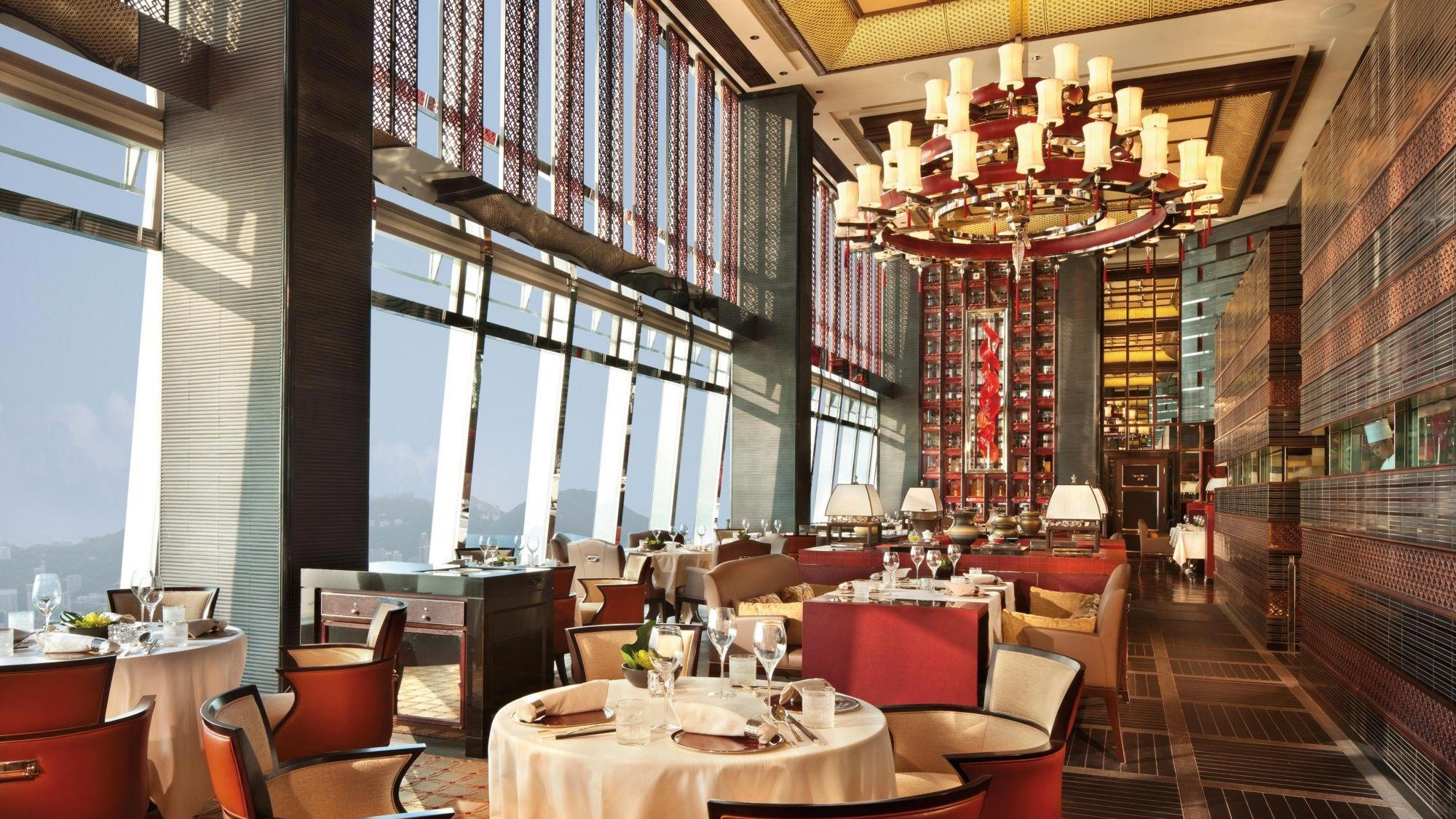
At a Glance
- Lively
- Energetic
- Rustic
- Well Known
- Casual Hangout
- Late Night
- Open Kitchen
- Historic Building
- Street Scene
Current opening hours
- Monday
- 6:30 AM–10 PM
- Tuesday
- 6:30 AM–10 PM
- Wednesday
- 6:30 AM–10 PM
- Thursday
- 6:30 AM–10 PM
- Friday
- 6:30 AM–10 PM
- Saturday
- 6:30 AM–10 PM
- Sunday
- Closed
Hours can change for holidays and private events. Last verified .