Kasa sits inside Shui On Centre on Harbour Road, Wan Chai, occupying a mid-tier position in a district better known for its office lunch trade than its evening dining credentials. The address places it within reach of the Convention Centre corridor, where the lunch and dinner divide plays out differently than in Central or Tsim Sha Tsui. A practical choice for the neighbourhood, with a character that shifts noticeably between service periods.
- Address
- Shui On Centre, 1 樓 103 號 舖, 6-8 Harbour Rd, Hong Kong
- Phone
- +852 2659 9189
- Website
- facebook.com
- Directions
- Get directions
Wan Chai's Harbour Road Corridor: Where the Office Clock Still Governs
Wan Chai's dining identity has always been split along the MTR line. On one side, the grid of side streets around Johnston Road and Stone Nullah Lane runs independent Cantonese operators, old-school cha chaan tengs, and the occasional wine bar that survived the post-2019 compression. On the Harbour Road side, closer to the Convention Centre and the cluster of corporate towers that includes Shui On Centre, the rhythm is set by office hours. Lunch fills rooms quickly; dinner is quieter, more negotiable, and often a different proposition in both atmosphere and value. Kasa is a casual Modern Cantonese Fusion restaurant in Hong Kong at Shop 103 on the first floor of Shui On Centre at 6-8 Harbour Road.
That address matters. In a city where location functions as shorthand for competitive set, Harbour Road places Kasa alongside a clientele that is largely professional, often time-pressured at lunch, and looking for something more considered in the evening. The contrast is familiar across Hong Kong's business districts: the same room, the same kitchen, but two different social contracts depending on the hour.
The Lunch and Dinner Divide in Practice
Across Hong Kong's mid-tier dining tier, the lunch-versus-dinner split is one of the more reliable structural facts about how rooms actually operate. Lunch in office-adjacent locations like Harbour Road tends to run on efficiency: set menus, quicker pacing, tables turned within an hour. The economics of lunch service in this part of Wan Chai are shaped by a captive corporate audience that wants quality but operates within a time constraint that evening diners simply do not face.
Evening service in the same rooms typically slows, and with that deceleration comes a different kind of attention. The kitchen has more room to work; the floor has fewer covers to manage simultaneously. For a venue like Kasa, this temporal split is worth factoring into any visit decision. If the goal is to understand what the kitchen can do without the pressure of a turned lunch service, the evening slot is the more revealing one. If the goal is value and speed, the lunch window, when it exists, typically delivers the better price-to-execution ratio in this category of Hong Kong restaurant.
This pattern is not distinctive to Kasa. It runs through much of the Convention Centre corridor and echoes in comparable business-district dining rooms across Admiralty and Quarry Bay. What distinguishes venues in this tier from the Michelin-tracked rooms further west in Central, such as Amber, Caprice, or 8 1/2 Otto e Mezzo Bombana, is that the lunch trade is not incidental to the business model; it is often central to it.
Situating Kasa in Hong Kong's Broader Dining Map
Hong Kong's restaurant scene in the post-pandemic period has stratified more sharply than before. At the upper end, tasting-menu formats with significant price points, such as Ta Vie with its Japanese-French precision, have held their position partly because their model depends less on volume. The middle tier, where venues like Kasa operate, has faced more pressure: rising costs, a workforce that increasingly values hybrid schedules, and a lunch trade that has not fully recovered to pre-2019 density in some office districts.
That context is worth holding when assessing what Wan Chai's Harbour Road corridor can offer. The Forum in Causeway Bay has long demonstrated that serious Cantonese cooking can anchor a room without requiring a hotel address. Across the water, the former Jumbo Floating Restaurant in Aberdeen showed how dramatically context can shape a dining experience. Neither comparison is direct, but both illustrate how Hong Kong diners read location as part of the proposition.
For a venue at Shui On Centre, the immediate neighbourhood context is less about culinary destination than about functional convenience. That is not a criticism; it is an accurate read of what the address delivers. Venues that succeed in this corridor tend to do so by executing a specific register consistently: reliable mid-market cooking, service calibrated to the office rhythm, and a room that works for a two-person business lunch as readily as a small group dinner.
What the Convention Centre Neighbourhood Rewards
The stretch of Harbour Road between Wan Chai Ferry Pier and the Convention Centre has never developed the independent dining character of, say, Sheung Wan's ground-floor shophouses or the lane restaurants of Sham Shui Po. It functions primarily as a service corridor for the towers above it and the convention trade around it. Venues in this strip, including those inside centres like Shui On, tend to attract a mix of in-building tenants and delegates from nearby events, a clientele that values consistency over discovery.
That dynamic is worth naming because it shapes the lens through which Kasa should be assessed. It is not competing directly with the wine-forward rooms of AMMO in Central and Western or the refined French salon format of Le Salon de Thé de Joël Robuchon at ifc mall. Its competitive set is narrower and more local: the other first-floor operators in the same building and the lunch trade from the surrounding office floors.
Across Hong Kong, other districts demonstrate what happens when neighbourhood character actively supports a dining room's identity. Lei Garden in Sha Tin benefits from a catchment that includes serious Cantonese diners who have been regulars for decades. Block 18 Doggie's Noodle in Yau Tsim Mong draws on a neighbourhood identity that is entirely distinct from the Convention Centre corridor. Location, in Hong Kong, is rarely neutral.
Planning a Visit: What to Consider
Because no verified booking data, hours, or pricing is confirmed in the public record for Kasa at Shui On Centre, specific logistics should be confirmed directly with the venue before visiting. The address at Shop 103, 1/F, Shui On Centre, 6-8 Harbour Road, Wan Chai, is accessible from Wan Chai MTR station on the Island Line, and the Convention Centre area is well-served by the Wan Chai Ferry terminal for cross-harbour options. The first-floor location within a commercial centre suggests walk-in access is likely feasible outside peak lunch hours, but for larger groups or evening visits, verifying availability in advance is the practical approach.
Chin Sik in Tsuen Wan, Enchanted Garden in the Islands, Habib's in Kwun Tong, Hoi Tin Garden in Tuen Mun, and King of Soybeans in Wong Tai Sin. The range of that map is part of what makes Hong Kong's dining scene worth understanding at the district level rather than only at the Michelin-starred peaks.
Category Peers
Comparable venues nearby, for context on price, style, and recognition.
| Venue | Cuisine | Price | Notes |
|---|---|---|---|
| KasaThis venue — the venue you are viewing | Modern Cantonese Fusion | $$ | Not listed |
| Hong Zhou Restaurant | Authentic Hangzhou Chinese | $$ | Wan Chai |
| Tasty Congee & Noodle Wantun Shop | Traditional Cantonese Congee & Wonton Noodles | $$ | Wan Chai |
| Tung Po Kitchen | Hong Kong Dai Pai Dong | $$ | Wan Chai |
| Rte Twisk | Traditional Cantonese Dim Sum | $$ | Tsuen Wan Northwest |
| Fu Sing Shark Fin Seafood Restaurant | Chinese Dim Sum and Shark Fin Seafood | $$ | Wan Chai |
Continue exploring
More in Hong Kong
Restaurants in Hong Kong
Browse all →
Bars in Hong Kong
Browse all →
At a Glance
- Modern
- Trendy
- Cozy
- Casual Hangout
- Open Kitchen
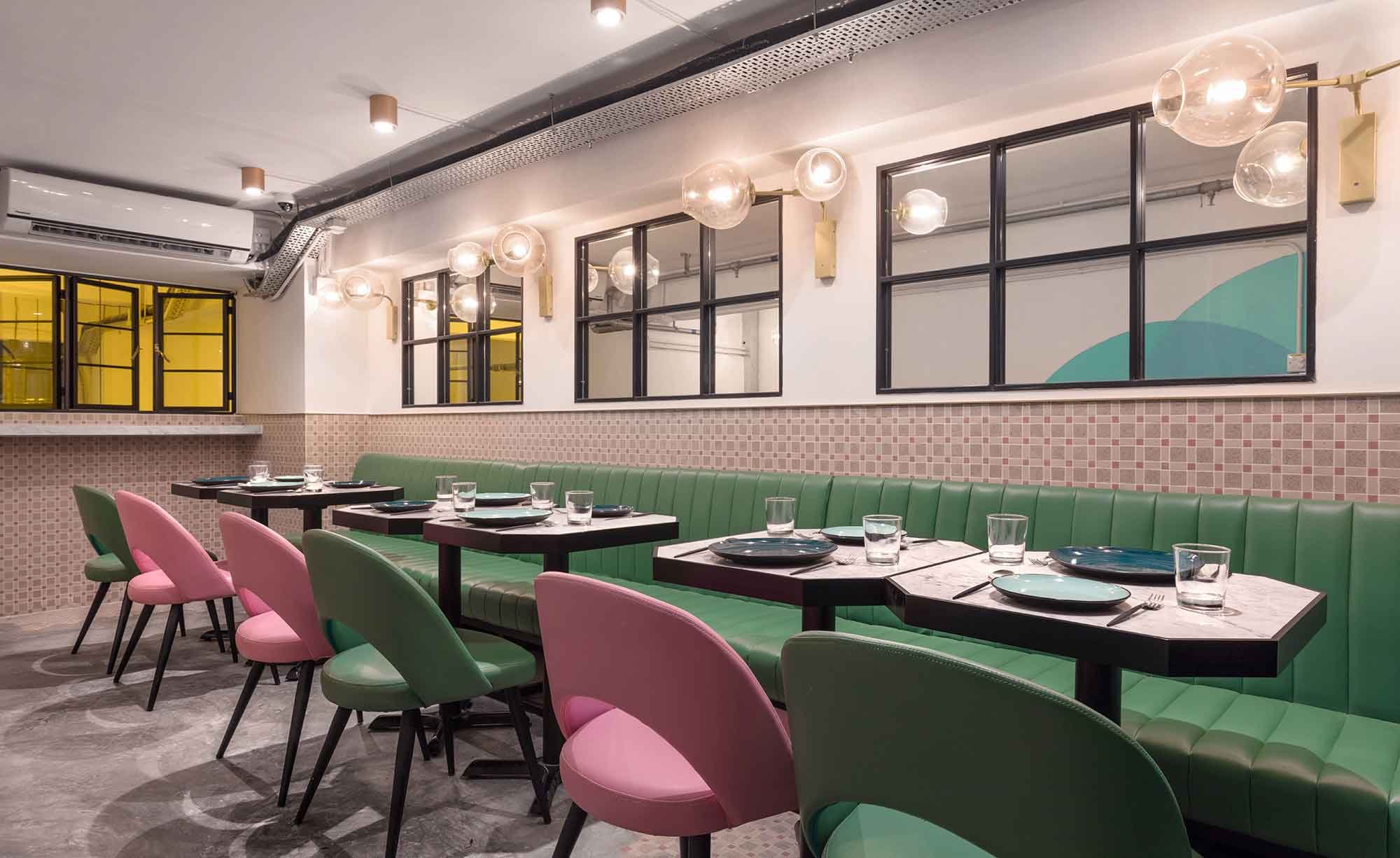
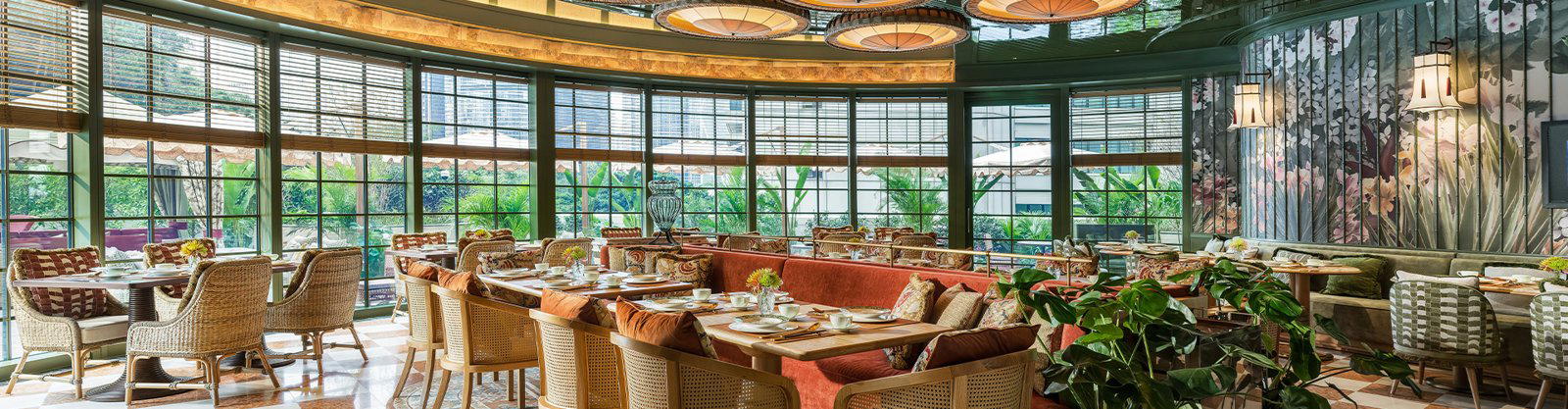
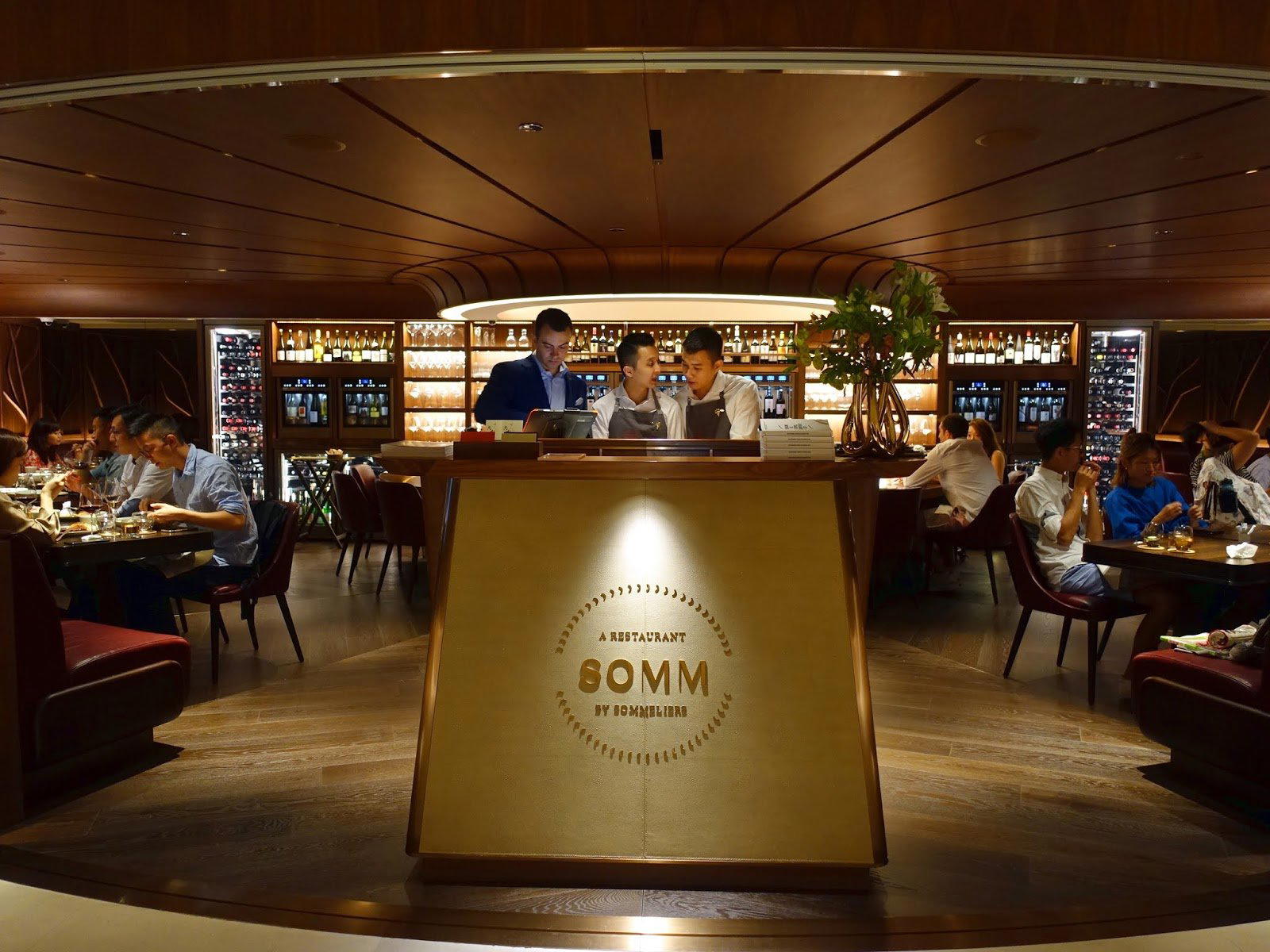
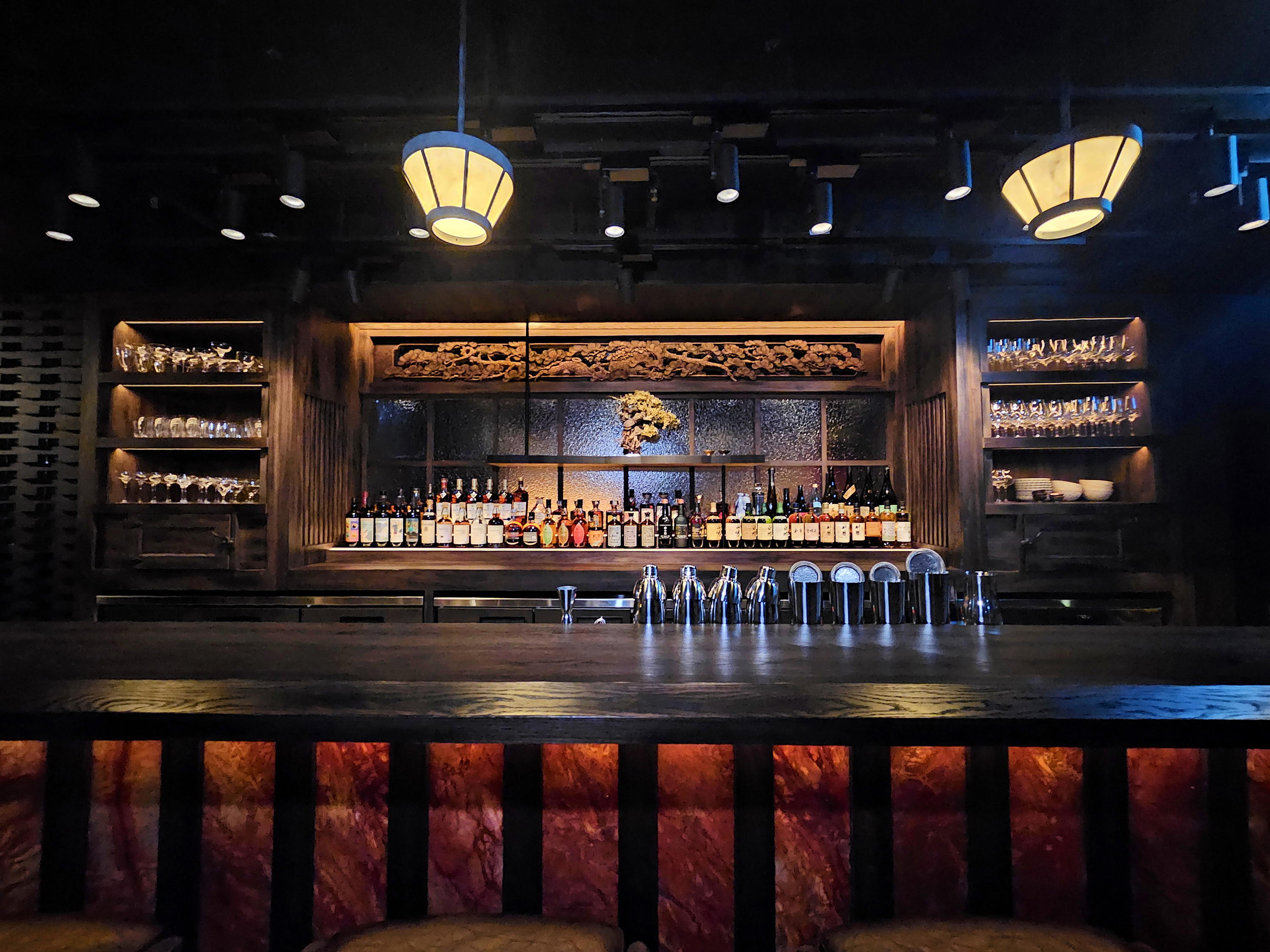
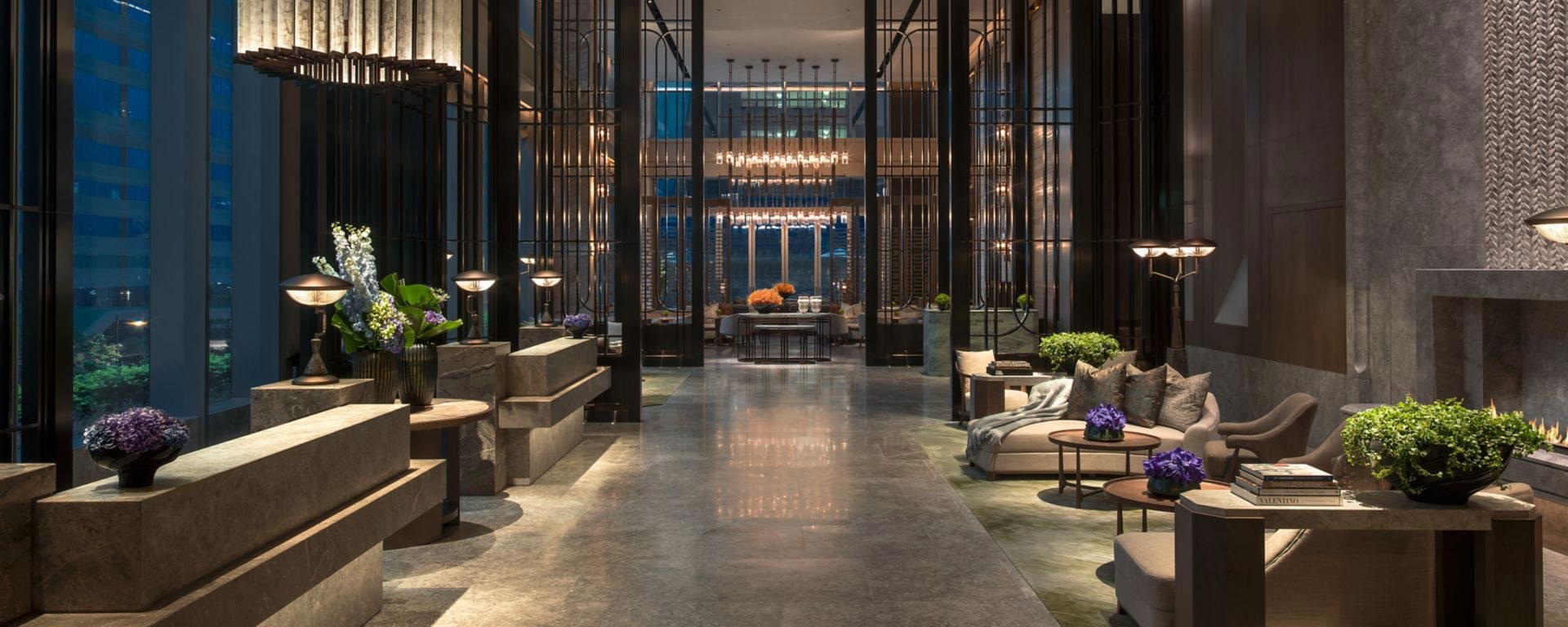
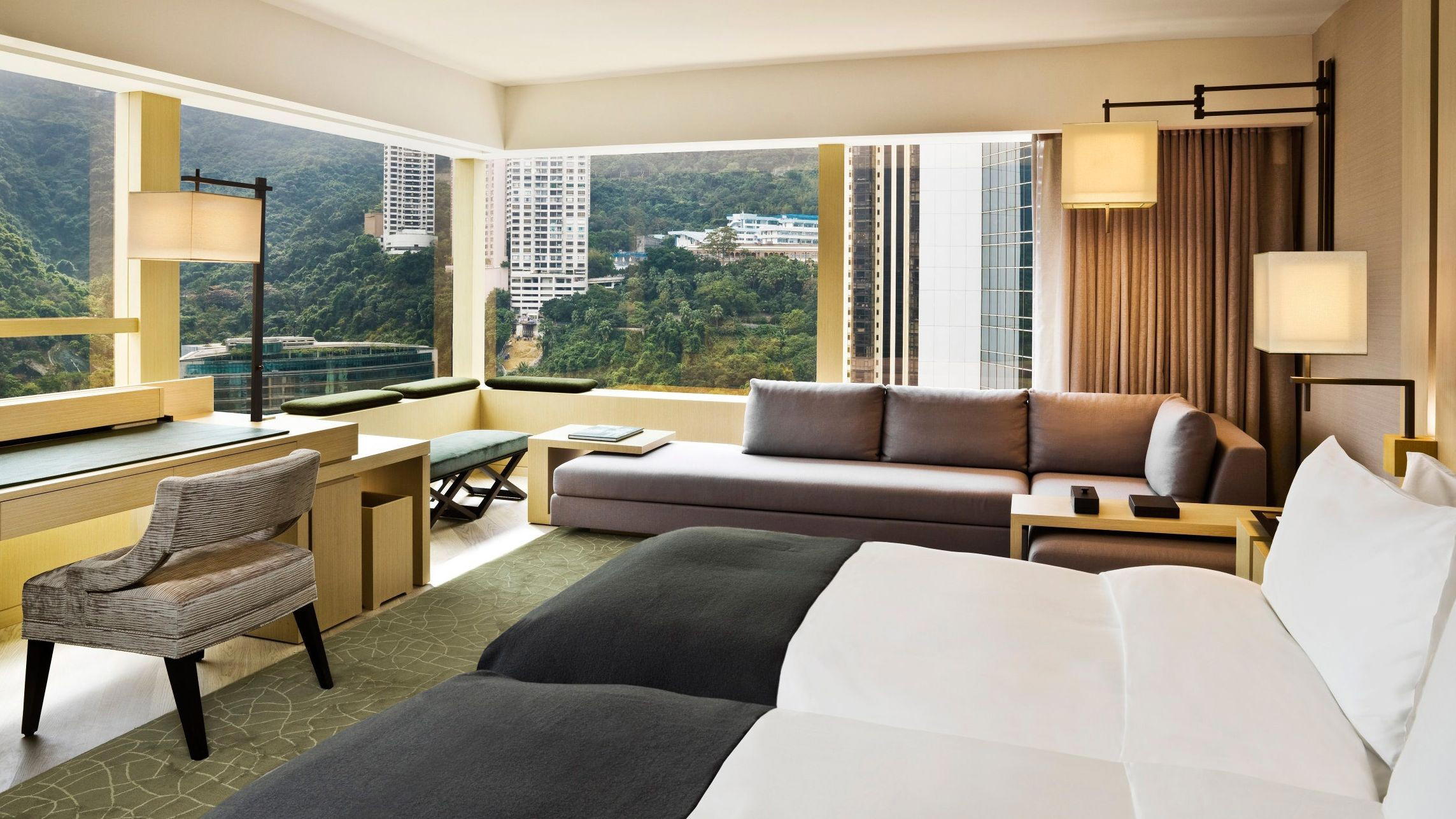
Industrial East-meets-West design with neon lights, vinyl booths, marble tables, and pink-green tiles creating a nostalgic yet contemporary cha chaan teng atmosphere.