Little V
Little V occupies a compact address on Rabbijn Maarsenplein in The Hague, bringing Southeast Asian cooking into a city whose restaurant scene has steadily sharpened its focus on ingredient-led, culturally grounded food. The kitchen works within a tradition that prizes balance, between heat, acid, sweetness, and umami, and the neighbourhood setting keeps the experience grounded rather than performative.
Pearl is the En Primeur Club membership app — saves, bookings, and concierge access live there. Same editors, same standards.
- Address
- Rabbijn Maarsenplein 21, 2512 HJ Den Haag, Netherlands
- Phone
- +31850876013
- Website
- littlev.nl
- Directions
- Get directions
 Saves & bookings on Pearl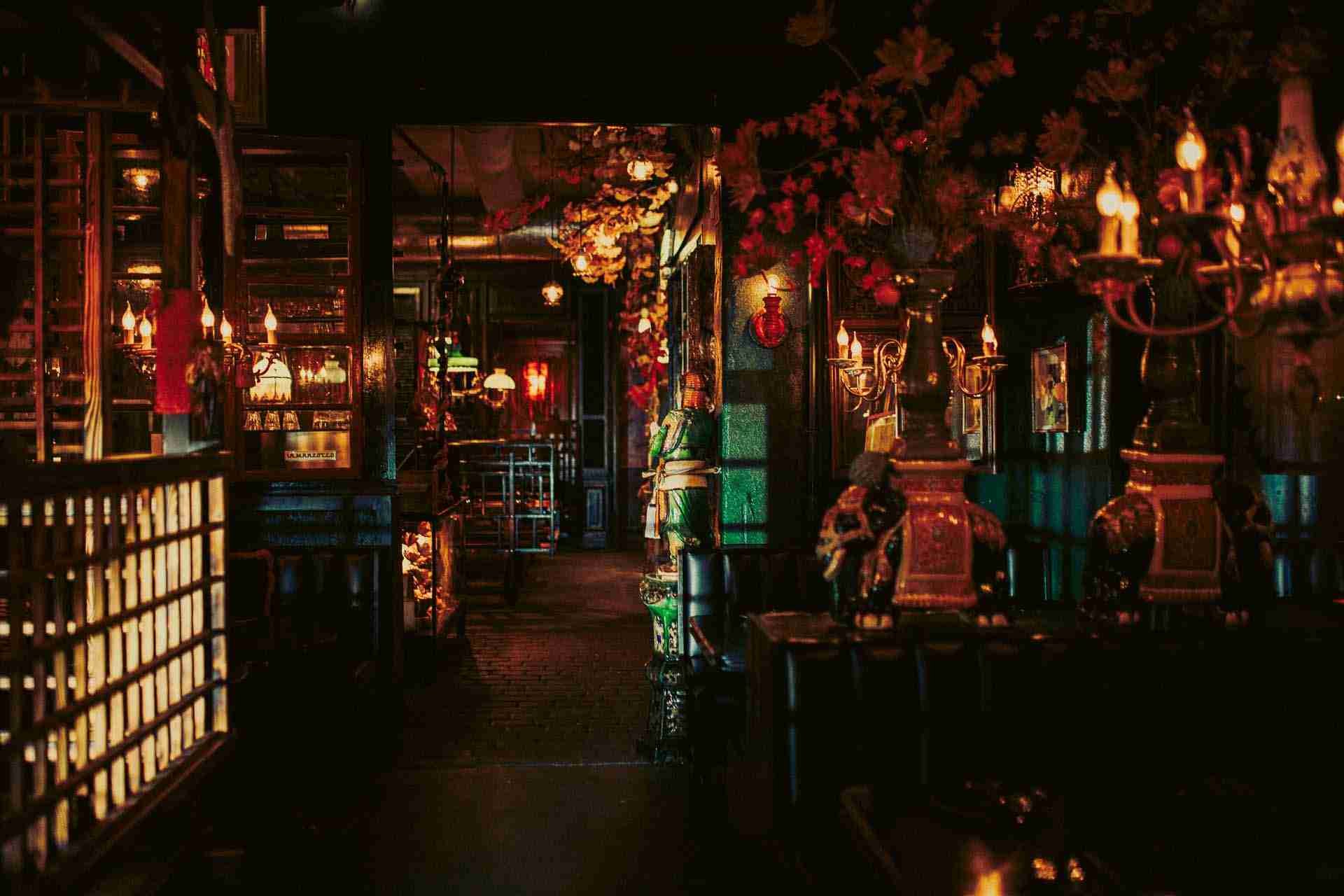
Southeast Asian cooking in a city that takes its food seriously
The Hague's dining scene has developed along two tracks over the past decade. One leads toward the kind of refined European cooking represented by venues like Calla's (€€€€ · Creative French) and 6&24 (€€€ · Modern Cuisine); the other runs through the city's long-established international food culture, rooted partly in the Netherlands' colonial history with Indonesia and the broader Southeast Asian diaspora that followed. Little V sits on that second track, on Rabbijn Maarsenplein 21 in the city centre, and serves authentic Vietnamese cooking at a mid-market price point in The Hague.
Vietnam's food culture is among the more codified in Southeast Asia. Regional distinctions between the north, centre, and south of the country produce meaningfully different flavour profiles, the cleaner, less sweet broths of Hanoi versus the herb-heavy, sweeter preparations of Saigon, the spiced complexity of Hue's imperial-court cuisine. A kitchen working seriously within this tradition is not simply offering a menu of familiar dishes; it is making choices about which regional register to occupy and how faithfully to hold to it. The name Little V signals orientation toward this Vietnamese frame, and the address in The Hague places it in a city with genuine appetite for exactly that.
The address and what surrounds it
Rabbijn Maarsenplein is a square in the old city centre, a short walk from the central legal and governmental districts that define The Hague's civic character. The area draws an eclectic daily crowd, professionals, residents, visitors to the city's museums and institutions. It is not a dedicated restaurant quarter in the way that some European capitals concentrate dining into a single zone; instead, The Hague distributes its food culture across neighbourhoods, with spots like Basaal (€€ · Seasonal Cuisine), Bistro Veen, and Botanica scattered through the centre and surrounding streets. Little V's position on a square rather than a high-traffic dining strip keeps the atmosphere from tipping into tourist-circuit familiarity.
The city's international character, shaped by the presence of the International Court of Justice and numerous foreign embassies, creates a population accustomed to food from across the world, and that familiarity raises the standard expected of international kitchens.
The cultural weight of Vietnamese food in the Netherlands
The Netherlands has one of the larger Vietnamese communities in Western Europe, a diaspora with roots in the post-1975 refugee movements and subsequent migration. That history means Vietnamese cooking in Dutch cities is not a novelty import but a long-embedded presence, and it means Dutch diners in cities like The Hague often have a relatively sophisticated baseline for what the food should taste and smell like. This context works both as an advantage and a pressure for any Vietnamese kitchen: the audience is informed, and a kitchen that cuts corners on the aromatics, the balance of fish sauce and lime, or the quality of herbs will be noticed.
Across the Netherlands, a parallel conversation about culinary rigour is happening at a higher price point, at addresses like Ciel Bleu in Amsterdam and De Librije in Zwolle, where Dutch fine dining has pursued its own form of precision. At De Nieuwe Winkel in Nijmegen, plant-based cooking has been taken to a technical level that draws international attention. These are different registers from what a Vietnamese neighbourhood restaurant occupies, but they reflect a national food culture that has moved steadily toward specificity and seriousness. A city that produces that kind of dining ambition also produces an audience that notices the difference between a careful Vietnamese kitchen and a generic one.
How Little V fits the local comparable set
Within The Hague's mid-market international dining category, the restaurant occupies a niche that the city's more European-focused kitchens do not cover. Venues like Basaal work in the seasonal European mode; Tapisco addresses the Iberian segment; De Basiliek holds a modern European position. Southeast Asian cooking, and Vietnamese specifically, fills a different cultural and flavour space. The cooking traditions of the Mekong delta and the streets of Ho Chi Minh City, pho, banh mi, fresh spring rolls, caramelised fish, rely on a set of techniques and ingredients that European kitchens almost never replicate: long-simmered bone broths built on charred ginger and onion, the particular funk of aged fish sauce, the brightness of perilla, mint, and sawtooth coriander laid fresh at the table.
For diners exploring the wider Netherlands beyond The Hague, the EP Club directory covers strong kitchens at different registers: Aan de Poel in Amstelveen, Brut172 in Reijmerstok, De Bokkedoorns in Overveen, De Groene Lantaarn in Staphorst, De Lindehof in Nuenen, De Lindenhof in Giethoorn, and 't Nonnetje in Harderwijk. If the frame of comparison extends globally, the standard for Vietnamese-influenced modern cooking at the summit of the market is illustrated by the kind of precision found at Atomix in New York City or the classical rigour of Le Bernardin in New York City, each benchmarks in their own tradition for how cooking rooted in a specific cultural heritage can be executed with full seriousness.
Planning your visit
The restaurant is located at Rabbijn Maarsenplein 21, 2512 HJ Den Haag. The square is reachable on foot from Den Haag Centraal station in around 15 minutes, and the city centre is well-served by tram connections throughout the day.
Price Lens
Comparable venues nearby, for context on price, style, and recognition.
| Venue | Cuisine | Price | Notes |
|---|---|---|---|
| Little VThis venue — the venue you are viewing | Chinatown, Authentic Vietnamese | $$ | Not listed |
| Restaurant Bogor | Not listed | $$ | quiet neighbourhood, Authentic Indonesian |
| Waroeng Padang Lapek | Not listed | $$ | The Hague Centre (Kortenbos), Authentic Sumatran Padang Cuisine |
| Walter Benedict | Denneweg, French Bistro & Brasserie | $$ | Not listed |
| Full Moon City | Chinatown, Authentic Cantonese Dim Sum | $$ | Not listed |
| Bistro Veen | Veenkade, French-Dutch Bistro | $$ | Not listed |
Continue exploring
More in The Hague
Restaurants in The Hague
Browse all →
Bars in The Hague
Browse all →
Hotels in The Hague
Browse all →
Wineries in The Hague
Browse all →
At a Glance
- Cozy
- Trendy
- Modern
- Date Night
- Casual Hangout
- Group Dining
- Terrace
- Craft Cocktails
Current opening hours
- Monday
- Closed
- Tuesday
- 12–10:30 PM
- Wednesday
- 12–10:30 PM
- Thursday
- 12–10:30 PM
- Friday
- 12–11 PM
- Saturday
- 12–11 PM
- Sunday
- 12–10 PM
Hours can change for holidays and private events. Last verified .
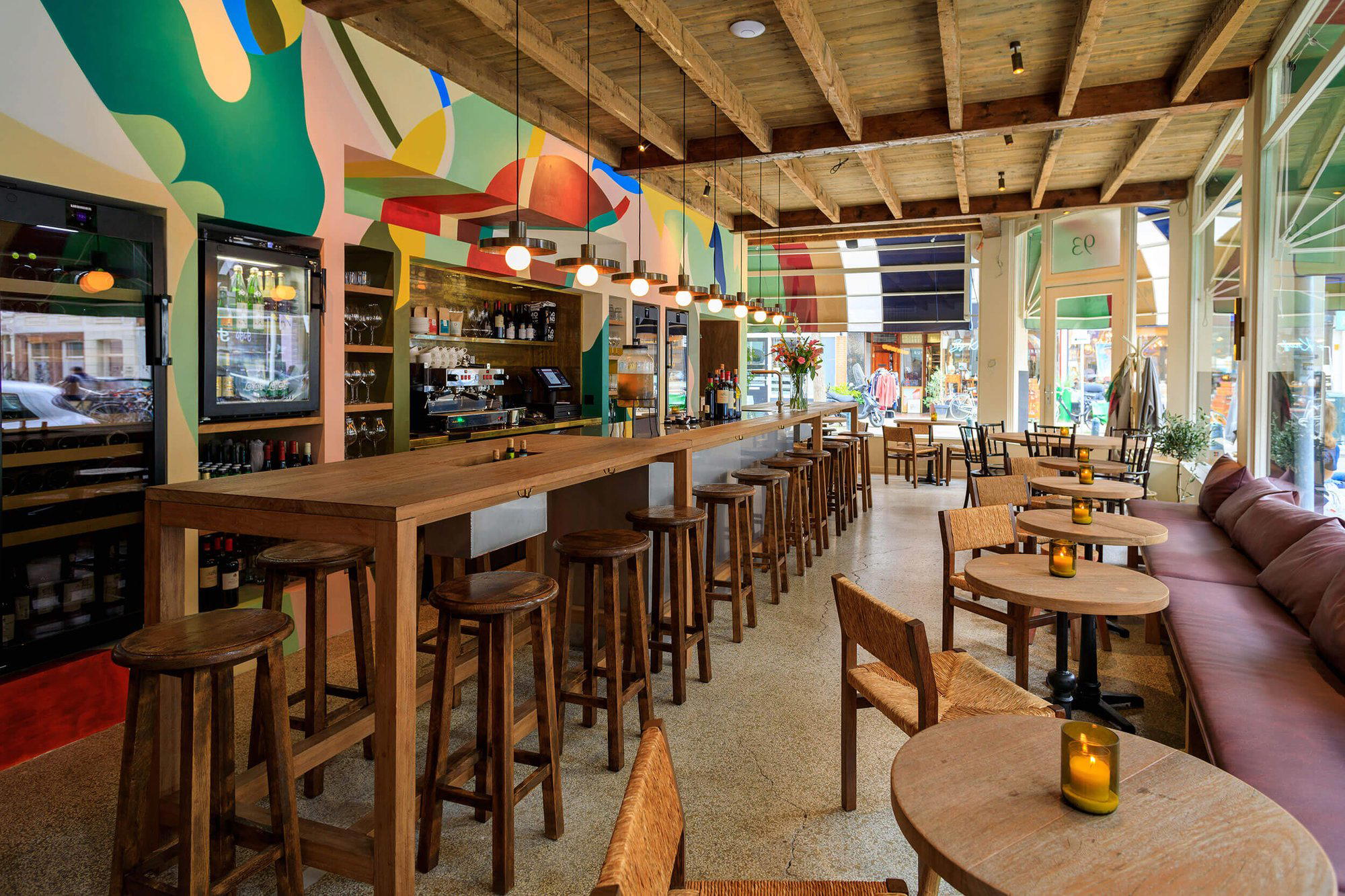
Warm and charming interior with lively colors, rich textures, soft lighting, traditional lanterns, bamboo decor, and industrial elements creating a serene yet lively tropical atmosphere.