Walter Benedict

Walter Benedict sits at the far end of Denneweg, The Hague's most concentrated stretch of wine-serious addresses, operating as part of a loose collective that includes Bouzy and the storied Gouden Ton wine shop. The address alone signals intent: this is a corner of the city where wine is treated as the primary language, not an afterthought to the food. Expect a room shaped by that conviction.
Pearl is the En Primeur Club membership app — saves, bookings, and concierge access live there. Same editors, same standards.
- Address
- Denneweg 69A, 2514 CE Den Haag, Netherlands
- Phone
- +31 70 785 3745
- Website
- walterbenedict.nl
- Directions
- Get directions
 Saves & bookings on Pearl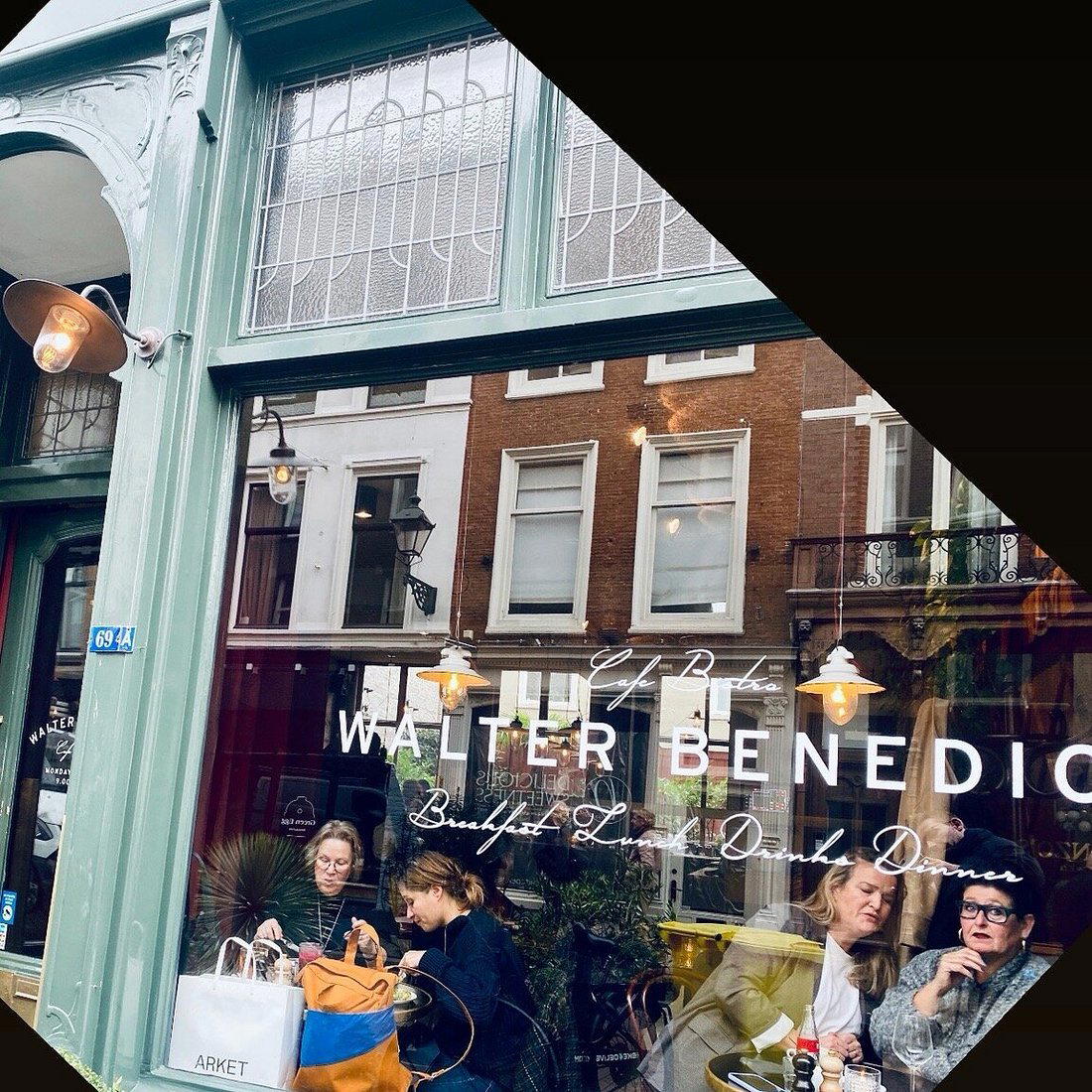
The End of Denneweg, Where Wine Becomes the Point
Approach Denneweg from the centre of The Hague and the street does something unusual for a Dutch city: it narrows its ambitions rather than broadening them. The further you walk, the more deliberately wine-focused the addresses become, until you reach the far end where Walter Benedict, a French Bistro & Brasserie in The Hague, occupies its position at number 69A. By that point, you are already inside what functions as an informal collective of wine-obsessed operators. Bouzy is nearby. The Gouden Ton wine shop, one of the city's earliest and most respected specialist retailers, sits in the same stretch. Walter Benedict reads as a natural extension of that concentration rather than a standalone destination.
This matters as context. Denneweg has a reputation across The Hague as a carefully curated restaurant street, a distinction built over years rather than through any single arrival. Venues here tend to attract guests who are already oriented toward producer-led wine lists, seasonal thinking, and rooms where the conversation at the next table is as likely to be about a specific Burgundy village as it is about anything else. Walter Benedict fits that profile. Its position at the end of the street, rather than the middle, gives it a slightly separate character: a place you reach when you mean to, not one you stumble into.
A Room Shaped by Wine Logic
The sensory character of spaces like Walter Benedict is shaped less by design decisions than by operational ones. When wine is the organizing principle rather than a supporting element, rooms tend toward a particular register: quieter, more deliberate, with lighting calibrated for reading a list rather than for spectacle. Glassware carries more weight than table decoration. The smell of a room like this on a winter evening, bottles open, small plates arriving at intervals, is specific to this kind of address and not easily replicated by venues where wine is secondary.
The Hague's dining scene has long split along a recognizable axis. On one side sit the larger creative tasting-menu operations: Calla's at the €€€€ tier represents that pole, with ambitious Creative French cooking that places it in conversation with the more formal end of Dutch fine dining. On the other side are the mid-range venues built around a specific ingredient philosophy or drinking culture, places like Basaal, where seasonal produce and a more relaxed format define the experience. The restaurant operates in a different register from both: its competitive comparable set is not defined by cuisine category or price bracket so much as by the primacy it places on the bottle.
That positioning aligns it more closely with Bøg, another address in the city where the wine program carries as much editorial weight as the kitchen, and with 6&24, which operates in the Modern Cuisine tier with its own version of considered hospitality. But within The Hague, the Denneweg cluster is a specific micro-scene, and the restaurant is its furthest outpost.
The Dutch Wine Bar in European Context
The Netherlands has developed a credible natural and low-intervention wine culture over the past decade, with Amsterdam leading and The Hague following at a pace that reflects its more conservative civic character. The wine bar format that has reshaped dining in Paris, London, Copenhagen, and Barcelona has arrived here in a form that tends toward the quieter and more scholarly rather than the raucous. You are more likely to encounter a producer from the Jura or a skin-contact Georgian wine poured without ceremony than you are to find the format deployed as a theatrical concept.
This places venues like Walter Benedict in a European conversation that extends well beyond the Netherlands. The same instinct toward small production, regional specificity, and food designed to accompany rather than compete with the glass can be found at a different scale in places like Brut172 in Reijmerstok, one of the more singular wine-first addresses in the Dutch south, or at the formal end of the spectrum in Amsterdam at Ciel Bleu, where the wine program operates at a different tier of ambition. At the three-star level in the Netherlands, venues like De Librije in Zwolle demonstrate what happens when wine culture reaches stronger examples from the formal dining hierarchy. The restaurant operates in a different register from all of these, but it belongs to the same underlying current.
Planning a Visit
Denneweg 69A is reachable on foot from the centre of The Hague in under fifteen minutes, or by tram to the nearby stops that serve the Denneweg corridor. The street is at its most atmospheric in the colder months, when the concentration of lit windows and the pace of a wine-focused evening make the walk down from the centre feel purposeful. A visit pairs naturally with a stop at Gouden Ton before or after, depending on whether you want context before you sit down or something to take home afterward.
For context on what the Dutch dining scene looks like at its formal extreme, 't Nonnetje in Harderwijk, Aan de Poel in Amstelveen, and De Bokkedoorns in Overveen each represent the Michelin-starred tier in different parts of the country. Internationally, the wine-and-food pairing philosophy that underpins addresses like Walter Benedict finds a rigorous expression at places like Le Bernardin in New York City, where wine program discipline operates at a high level, or at Emeril's in New Orleans, which represents a different tradition of hospitality entirely. The comparison is useful precisely because it shows how much the format changes depending on which city and which set of assumptions the room is built around.
Peers Worth Knowing
Comparable venues nearby, for context on price, style, and recognition.
| Venue | Cuisine | Price | Notes |
|---|---|---|---|
| Walter BenedictThis venue — the venue you are viewing | French Bistro & Brasserie | $$ | Not listed |
| De Kwartel | Dutch Beach Pavilion with Seafood | $$ | Zuiderstrand |
| Oogst | Modern French Bistro | $$ | Buurtschap Centrum 2005 |
| Café Restaurant Flora | Seasonal Modern European | $$$ | Den Haag (The Hague) |
| Waroeng Padang Lapek | Authentic Sumatran Padang Cuisine | $$ | The Hague Centre (Kortenbos) |
| The Gyros Club | Greek Gyros and Cocktails | $$ | City Center |
Recognition history
Dated appearances from independent guides and award organizations, with the underlying list record or original source where available.
Star Wine List
Star Wine List
Continue exploring
More in The Hague
Restaurants in The Hague
Browse all →
Bars in The Hague
Browse all →
Hotels in The Hague
Browse all →
Wineries in The Hague
Browse all →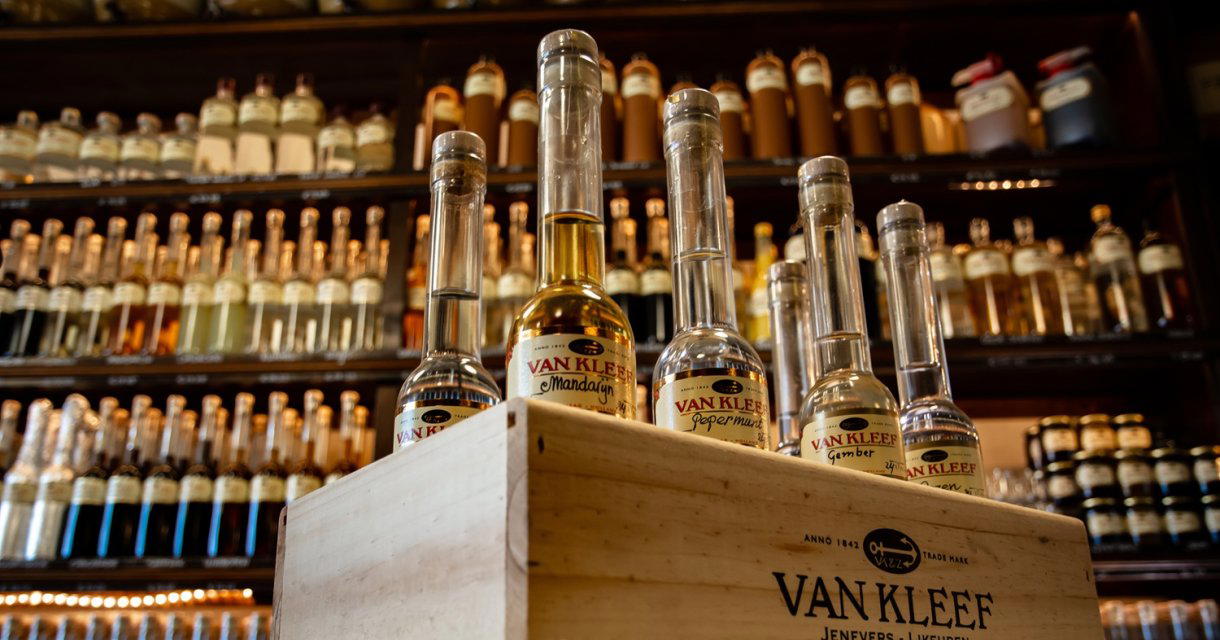
At a Glance
- Cozy
- Modern
- Industrial
- Trendy
- Sophisticated
- Brunch
- Casual Hangout
- Date Night
- Business Dinner
- Group Dining
- Terrace
- Courtyard
- Wine Cellar
- Extensive Wine List
- Sommelier Led
- Street Scene
- Garden
Current opening hours
- Monday
- 9 AM–11 PM
- Tuesday
- 9 AM–11 PM
- Wednesday
- 9 AM–11 PM
- Thursday
- 9 AM–11 PM
- Friday
- 9 AM–11 PM
- Saturday
- 9 AM–11 PM
- Sunday
- 9 AM–11 PM
Hours can change for holidays and private events. Last verified .
Warm and chic with bare brick walls, a large Persian rug, contemporary French design elements, and a cozy courtyard; bright during day, intimate in evening with a hip, welcoming atmosphere.