Lievità occupies a quiet address on Via Pasquale Sottocorno in Milan's Porta Venezia neighbourhood, positioning itself within the city's growing cohort of ingredient-focused, format-conscious restaurants that sit outside the formal fine-dining circuit. The name itself signals intent: lievità, meaning lightness or levity in Italian, points toward a cooking register defined by restraint rather than spectacle. It draws a local crowd that treats the room as a regular rather than a destination.
Pearl is the En Primeur Club membership app — saves, bookings, and concierge access live there. Same editors, same standards.
- Address
- Via Pasquale Sottocorno, 17, 20129 Milano MI, Italy
- Phone
- +39240701653
- Website
- pizzeria-lievita.com
- Directions
- Get directions
 Saves & bookings on Pearl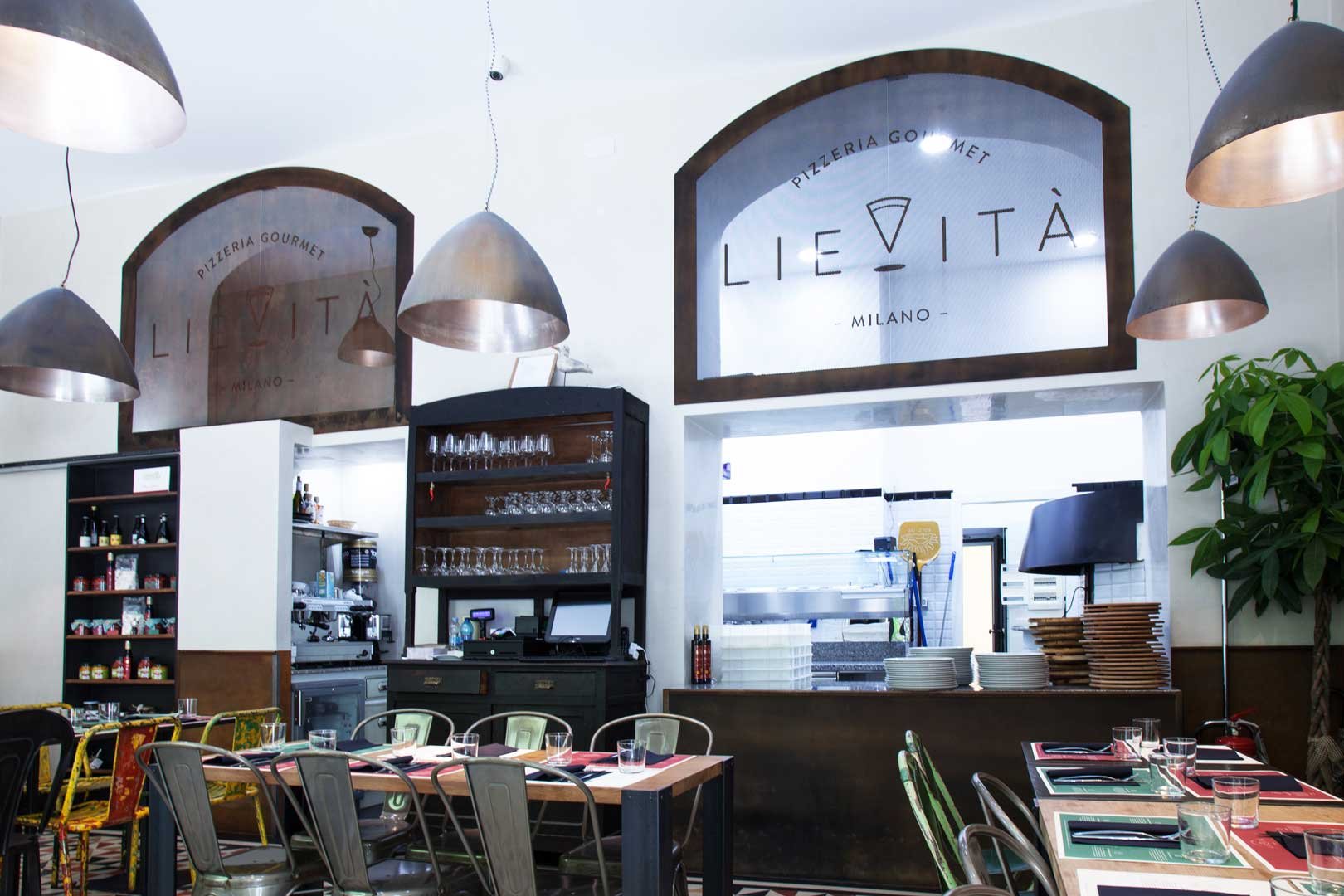
Where Milan's Neighbourhood Dining Culture Finds Its Register
Lievità is a restaurant in Milan, Italy, serving Gourmet Neapolitan Pizza and priced around $25 per person. Unlike the Brera district's self-conscious design culture or the Navigli's post-work energy, this quarter runs quieter, denser with apartment buildings and daily commerce. Via Pasquale Sottocorno sits inside that texture, and Lievità reads correctly against it: a room that doesn't signal ambition through theatrical design, but through the kind of considered restraint that a certain tier of Milanese dining has learned to value over spectacle.
That positioning matters as context. Milan's restaurant culture has long been bifurcated between the formal fine-dining circuit, anchored by addresses like Enrico Bartolini, Cracco in Galleria, and Seta, and a more fluid lower tier of trattorie and casual neighbourhood spots. What has emerged in the last decade, across Italian cities but with particular clarity in Milan, is a middle register: places that apply fine-dining rigour to approachable formats, where the cooking technique is serious but the room doesn't require ceremony. Lievità operates in that register.
The Cultural Weight of Lievità in Italian Cooking
The word lievità in Italian carries a specific weight. It refers to lightness, to the quality of being airy or buoyant, but it also echoes lievito, meaning yeast or leaven, the agent of fermentation that underlies bread, pizza, and a significant portion of Italian baking culture. Naming a restaurant after this concept is an editorial choice about cooking philosophy, placing fermentation, texture, and natural processes at the conceptual centre before a dish is described.
In Italian culinary tradition, this territory is serious. The country's relationship with fermented grain products, from the slow-rise Neapolitan pizza dough to the sourdough bread traditions of Altamura and Ferrara, represents centuries of accumulated regional knowledge. When contemporary Italian restaurants in northern cities engage with this tradition, they're entering a conversation that runs considerably deeper than trend. Strong examples among them, including addresses like Osteria Francescana in Modena and Piazza Duomo in Alba at the formal end, treat Italian culinary heritage as living material rather than museum reference.
Lievità, operating at a different scale and register, participates in the same broader project: the re-articulation of Italian food culture through a contemporary lens that doesn't abandon its roots in favour of internationalism. Milan's position as Italy's most globally connected city creates a specific pressure on this question. The city's fine-dining addresses often look outward, toward French technique and international reference points. The neighbourhood-level restaurants that take Italian tradition seriously perform a different, sometimes more valuable function.
Milan's Neighbourhood Restaurant Tier: A Competitive Frame
To understand where Lievità sits, it helps to map the Milanese restaurant categories with some precision. The formal tasting-menu circuit, represented by Andrea Aprea and Verso Capitaneo alongside the established names, operates on multi-course formats with extended service times and pricing that reflects both kitchen labour and room investment. Below that, the trattoria tradition persists, though with increasing pressure from rising rents and changing Milanese eating habits.
The tier Lievità occupies is defined less by price than by intent: restaurants where the cooking is the primary communication, the format is flexible enough to accommodate different visit purposes, and the room isn't performing luxury. Across Italy, this category has produced some of the country's most interesting recent restaurant work, at places like Reale in Castel di Sangro and Quattro Passi in Marina del Cantone, where the dining format matches the geography and culture rather than importing a metropolitan template.
In a city like Milan, neighbourhood addresses in this tier carry a particular social function. They serve as the restaurants that locals return to regularly, that absorb business lunches and informal dinners without the logistical weight of a reservation three months out. They're the part of any city's dining culture that doesn't make international lists but defines the daily texture of how a place eats. Italy has produced notable versions of this model at every scale, from Dal Pescatore in Runate to Uliassi in Senigallia, each deeply embedded in its local context.
What to Eat, and How to Think About the Menu
What the name and positioning suggest, consistently, is a kitchen oriented around dough, fermentation, and the Italian baking tradition applied with contemporary attention. In this category across Milan and northern Italy, the strongest menus tend to anchor around a central product, a particular bread programme or pizza format or fermented base, and build outward from there with seasonal ingredient sourcing.
The more useful frame is to approach the menu with attention to whatever the kitchen anchors around structurally: the bread, the base product, the central technique. In restaurants named for the concept of lightness and fermentation, those foundational elements are usually where the cooking is most considered.
Internationally, the restaurants that have made this territory most legible to a global audience, from Le Bernardin in New York City to Atomix, demonstrate that format clarity and conceptual consistency are what separate serious cooking from competent cooking. Lievità's naming choice suggests the same clarity of intent, applied to Italian tradition.
Planning a Visit: Practical Notes
Lievità is located at Via Pasquale Sottocorno 17 in the 20129 postcode, placing it in the Porta Venezia area, accessible from the Porta Venezia or Lima metro stops on Line 1. The neighbourhood is walkable from the eastern edge of the city centre, and the address is residential enough that arriving by foot from nearby hotels is direct.
On the question of reservations: at this tier of Milanese neighbourhood restaurant, booking ahead is advisable rather than optional, particularly for weekend evenings when Milanese dining patterns concentrate. Midweek lunch is typically more available. Regular hours are Monday through Sunday, 12:00 to 2:30 PM and 7:00 to 11:00 PM, and reservations are recommended. For the broader Milan dining picture, including where Lievità sits relative to the city's full range of options, see our full Milan restaurants guide.
The standout characteristic of Lievità, as its name and positioning communicate, is conceptual coherence: a clear point of view about what Italian ingredients and fermentation tradition can do when applied with contemporary rigour in a neighbourhood format. That's a different value proposition from the formal tasting rooms at Enoteca Pinchiorri in Florence or Le Calandre in Rubano, and not a lesser one. It's the kind of restaurant that rewards knowing what you're coming for and reading the menu with that frame in mind. For visitors to Milan with a serious interest in how the city eats at the neighbourhood level, it represents the category worth understanding, even if the formal fine-dining circuit is where the international conversation concentrates. The Atelier Moessmer Norbert Niederkofler model in northern Italy, and similarly Casa Perbellini 12 Apostoli in Verona, both demonstrate that considered Italian cooking doesn't always operate at the highest price tier. Lievità makes the same argument in a quieter key, from a side street in Porta Venezia.
A Pricing-First Comparison
Comparable venues nearby, for context on price, style, and recognition.
| Venue | Cuisine | Price | Notes |
|---|---|---|---|
| LievitàThis venue — the venue you are viewing | Xxii Marzo, Gourmet Neapolitan Pizza | $$$ | Not listed |
| MARTINI | Not listed | $$$ | Duomo, Modern Sicilian with Mediterranean influences |
| Bianca | Porta Magenta, Modern Italian Seafood | $$$ | Not listed |
| Ristorante Caruso | Not listed | $$$ | Brera, Modern Neapolitan-Milanese Bistrot |
| La Scaletta | Not listed | $$$ | Porta Ticinese - Conchetta, Seasonal Italian with Mediterranean influences |
| Belle Donne Bistrot | Not listed | $$$ | Porta Genova, Modern Italian Mediterranean Bistro |
Continue exploring
More in Milan
Restaurants in Milan
Browse all →
Bars in Milan
Browse all →
Hotels in Milan
Browse all →

At a Glance
- Modern
- Cozy
- Trendy
- Casual Hangout
- Family
- Open Kitchen
- Local Sourcing
Current opening hours
- Monday
- 12–2:30 PM, 7–11 PM
- Tuesday
- 12–2:30 PM, 7–11 PM
- Wednesday
- 12–2:30 PM, 7–11 PM
- Thursday
- 12–2:30 PM, 7–11 PM
- Friday
- 12–2:30 PM, 7–11 PM
- Saturday
- 12–2:30 PM, 7–11 PM
- Sunday
- 12–2:30 PM, 7–11 PM
Hours can change for holidays and private events. Last verified .
Pleasant environment blending modern and vintage elements with friendly service.