On Via Croce Rossa in central Milan, Ristorante Caruso occupies a position in the city's traditional Italian dining tier, where the pace of service and the logic of the menu reflect a commitment to the rituals of the seated meal rather than to avant-garde spectacle. For those tracing the lineage of Milanese restaurant culture, Caruso represents the category where craft and continuity matter more than constant reinvention.
Pearl is the En Primeur Club membership app — saves, bookings, and concierge access live there. Same editors, same standards.
- Address
- Via Croce Rossa, 20121 Milano MI, Italy
- Phone
- +39272314039
- Website
- grandhoteletdemilan.it
- Directions
- Get directions
 Saves & bookings on Pearl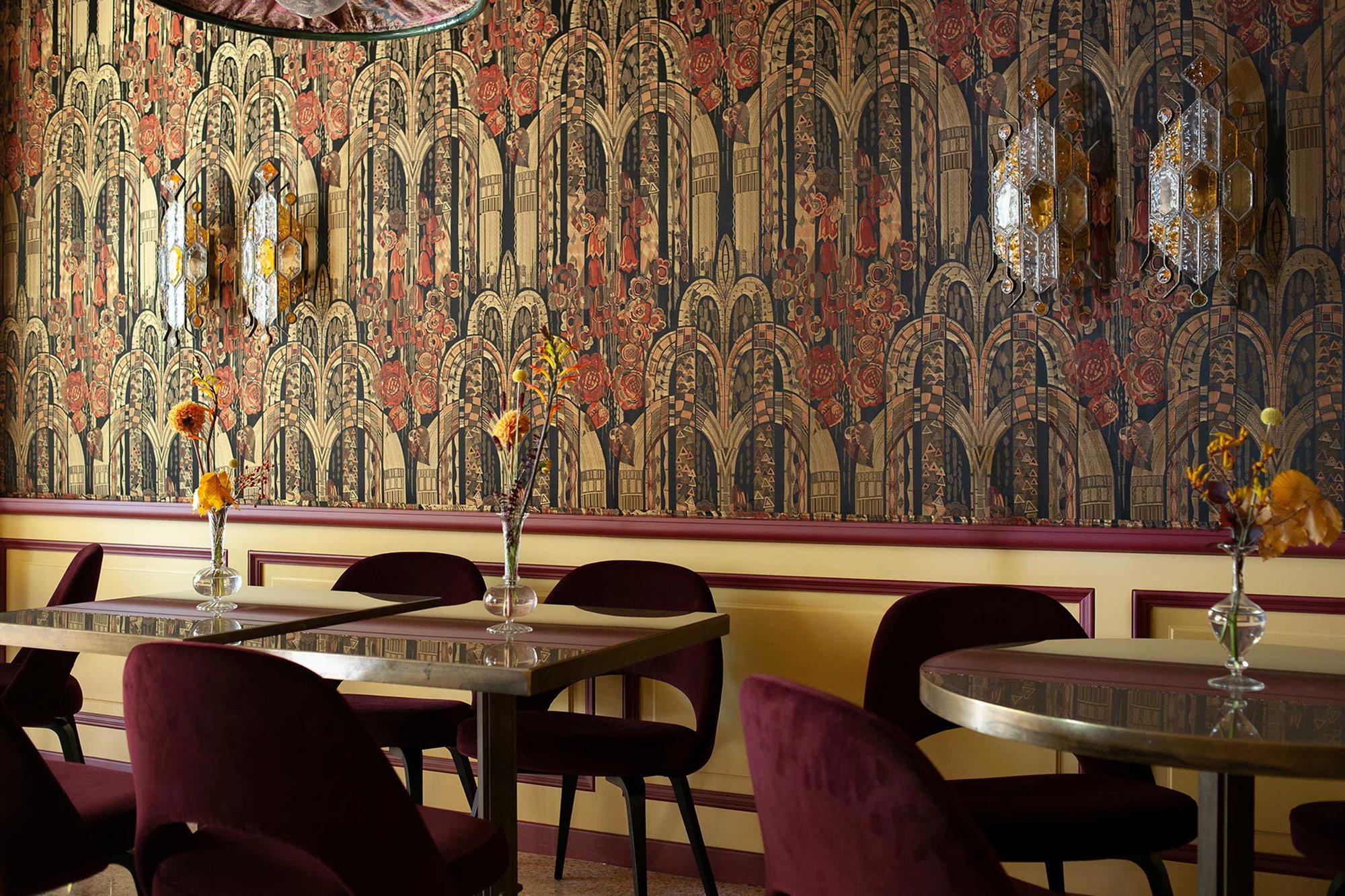
The Address and What It Signals
Via Croce Rossa sits in the dense residential and commercial grid of central Milan, a neighbourhood where the dining room is still expected to carry the weight of an occasion. In this part of the city, a restaurant address is a signal in itself: proximity to the financial district and the fashion quarter means the room will be filled, at lunch, with people conducting business the Italian way, through food, and at dinner, with a more considered crowd that has made a deliberate reservation rather than a spontaneous walk-in. This is not the Milan of aperitivo bars and quick cicchetti. It is the Milan of the long table, the linen-covered silence between courses, and the expectation that an evening here will have a structure and a pace.
That structure is worth understanding before you arrive. Milan's traditional dining tier, which sits below the Michelin-decorated creative houses like Enrico Bartolini or Cracco in Galleria and above the casual trattoria, is defined less by tasting menu theatrics and more by the discipline of the classical Italian meal: antipasto, primo, secondo, dolce, with a wine list that respects the logic of the food rather than competing with it. Ristorante Caruso operates in this bracket, and visitors who arrive expecting the format of a modern Italian tasting counter will need to recalibrate.
The Ritual of the Milanese Meal
In cities like New York, where the tasting menu format has become the dominant frame for fine dining, with venues like Atomix and Le Bernardin each building their identity around a prescribed sequence, there is often a single authorial voice running from first course to last. Milan's more traditional restaurants work differently. The authority is distributed: the waiter who knows when to suggest the risotto and when to steer toward the pasta, the sommelier who understands that the guest at table four wants to spend on wine but not be lectured, the kitchen that reads the room's pace rather than imposing one. This is service as craft, not as performance.
At Ristorante Caruso, the logic of the Italian meal is the product. That means the guest's role is participatory in a way that differs from a tasting menu format. You are expected to make choices, to order in stages if you wish, to linger between courses without the kitchen pushing the next plate to clear a slot. The Milanese long lunch is not a relic; it remains the format by which the city's professional class conducts its most consequential conversations, and restaurants in this tier are built to support exactly that rhythm.
How Caruso Sits in Milan's Wider Restaurant Scene
Milan's restaurant map has bifurcated sharply in the past decade. On one side, creative tasting-menu houses have pushed toward technical ambition: Andrea Aprea and Seta both hold Michelin recognition and operate in the €€€€ tier, where the kitchen's intellectual program is as much a draw as the food itself. On the other, a quieter cohort of traditional Italian rooms has maintained its audience precisely by not chasing that competition. These are places where the legitimacy of the offer rests on continuity, sourcing, and the competence of the classic canon rather than on novelty.
Ristorante Caruso belongs to the latter group. It is not in direct conversation with Verso Capitaneo's contemporary format or with the creative programs that have defined Milan's international profile. Its comparable set is the city's established Italian dining rooms, and within that group, its central address and consistent positioning give it a recognisable place. Italy's most decorated kitchens, from Osteria Francescana in Modena to Piazza Duomo in Alba, have built their identities around a specific geographical and culinary argument. Milan's traditional tier makes a different argument: that the city's role as a commercial and cultural centre generates a dining culture that prizes reliability and context over experimentation. Caruso sits inside that argument.
The Italian Dining Tradition It Draws On
The name Caruso carries weight in Italian culture, most obviously the operatic legacy of Enrico Caruso, whose association with the pleasures of the table is well documented in Italian popular memory. Whether intentional or not, a restaurant carrying that name in a northern Italian city of Milan's character is making a claim about a certain kind of Italianness: warm, generous, grounded in tradition rather than innovation. The restaurants that last in Milan's traditional tier are those that understand their guests are not coming for surprises. They are coming for a specific experience delivered with consistency.
This positions Caruso within a long lineage of Italian rooms that have prioritised the pleasure of the meal as a social act over the prestige of the kitchen as a laboratory. Restaurants like Dal Pescatore in Runate and Enoteca Pinchiorri in Florence each occupy their own tier within Italian fine dining, but they share with traditional Milanese rooms a commitment to hospitality as the primary discipline. Further afield in Italy, kitchens like Uliassi in Senigallia, Reale in Castel di Sangro, Le Calandre in Rubano, Quattro Passi in Marina del Cantone, Casa Perbellini 12 Apostoli in Verona, and Atelier Moessmer Norbert Niederkofler in Brunico each represent a different resolution of the same tension between regional identity and modern ambition. The restaurant resolves that tension on the side of continuity.
Planning Your Visit
Via Croce Rossa, 20121 Milano places Caruso within easy reach of the city's central metro network and within walking distance of the fashion district, making it a practical choice before or after the business of the city. Reservations are recommended, and the smart casual dress code suits the room. Reservations should be made directly and in advance, particularly for weekend evenings when this tier of Milan's dining rooms fills through local clientele rather than tourist walk-in. Dress in this part of the city tilts toward smart rather than casual; the Milanese take the room seriously, and the room takes them seriously in return.
Comparable Spots, Quickly
Comparable venues nearby, for context on price, style, and recognition.
| Venue | Cuisine | Price | Notes |
|---|---|---|---|
| Ristorante CarusoThis venue — the venue you are viewing | Modern Neapolitan-Milanese Bistrot | $$$ | Not listed |
| Il Marchese Milano | Contemporary Roman Cuisine | $$$ | Brera |
| La Scaletta | Seasonal Italian with Mediterranean influences | $$$ | Porta Ticinese - Conchetta |
| Ristorante Erba Brusca | Farm-to-Table Italian | $$$ | Stadera - Chiesa Rossa - Q. Re Torretta - Conca Fallata |
| FIVE | Contemporary Italian Mediterranean | $$$ | Porta Venezia |
| La Ca' di Tencitt | Italian Speakeasy Bistro | $$$ | Duomo |
Continue exploring
More in Milan
Restaurants in Milan
Browse all →
Bars in Milan
Browse all →
Hotels in Milan
Browse all →
Wineries in Milan
Browse all →
At a Glance
- Elegant
- Sophisticated
- Classic
- Date Night
- Business Dinner
- Special Occasion
- Terrace
- Hotel Restaurant
- Street Scene
Current opening hours
- Monday
- 12:30–10 PM
- Tuesday
- 12:30–3:30 PM
- Wednesday
- 12:30–10 PM
- Thursday
- 12:30–10 PM
- Friday
- 12:30–10 PM
- Saturday
- 12:30–10 PM
- Sunday
- 12:30–10 PM
Hours can change for holidays and private events. Last verified .
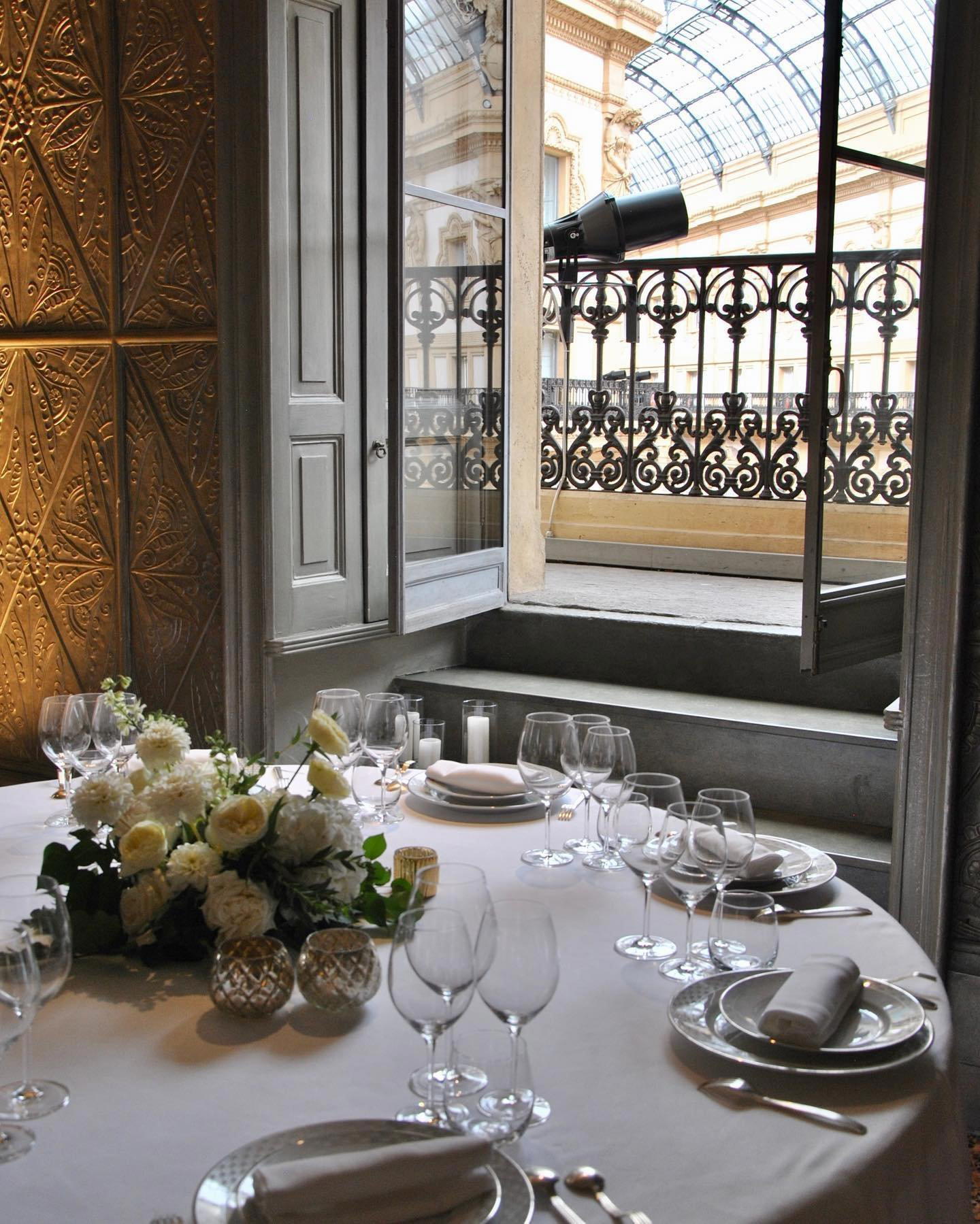
Sophisticated yet convivial ambiance fusing classic aesthetics with contemporary elements, featuring a pleasant veranda overlooking Piazzetta Croce Rossa.