La Scaletta serves seasonal Italian cooking with Mediterranean influences in a historic building in Milan, with garden and terrace seating and an extensive wine list.
Pearl is the En Primeur Club membership app — saves, bookings, and concierge access live there. Same editors, same standards.
- Address
- Piazzale Stazione Genova, 3, 20144 Milano MI, Italy
- Phone
- +39243986316
- Website
- lascalettarestaurant.com
- Directions
- Get directions
 Saves & bookings on Pearl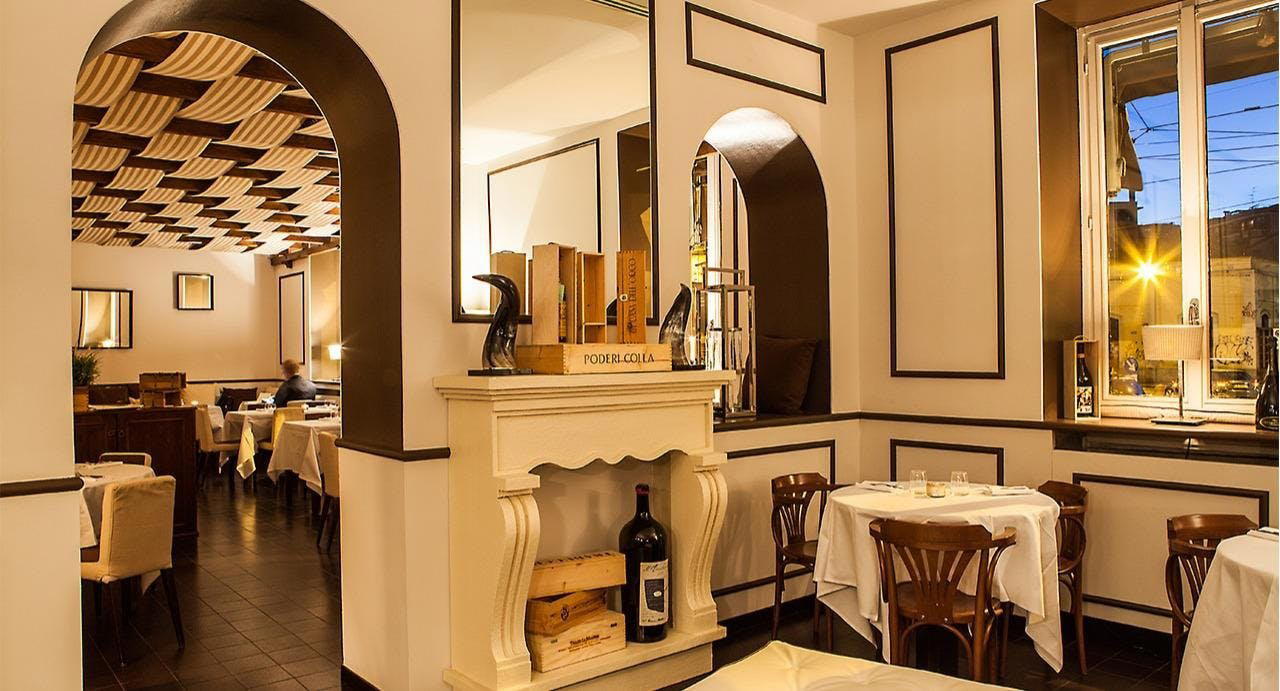
Where Navigli Meets the Table
Piazzale Stazione Genova sits at the edge of the Navigli district, where Milan's canal-side streets shift from aperitivo crowds to something quieter and more residential. La Scaletta occupies this threshold, a position that shapes both its character and its clientele. The address is somewhere you go because you know to go there. That self-selection tends to produce a room with a specific gravity, populated less by spectacle-seekers and more by people with a considered interest in what ends up on the plate.
In a city where the premium dining tier has consolidated around a handful of highly publicised addresses, including Enrico Bartolini, Cracco in Galleria, Andrea Aprea, and Seta, the Navigli end of the dining map operates at a different register. The neighbourhood restaurants here earn their standing through repetition and word-of-mouth rather than awards press cycles, and La Scaletta follows that logic.
The Sourcing Argument
Milan's better restaurants have spent the past decade arguing, implicitly or explicitly, through the provenance of their ingredients. The question of where a product comes from has become the central credential in serious Italian kitchens, more so than technique alone. This is not simply fashion. It reflects a structural truth about Italian cooking: at its foundation, the produce is the argument. A kitchen that can trace its tomatoes to a specific smallholder in Campania, its aged cheese to a particular alpine producer, or its freshwater fish to a named lake is making a different kind of promise than one sourcing from a broad catering supplier, even if the technical execution appears similar from the outside.
La Scaletta's position in the Navigli zone places it within reach of Lombardy's strongest agricultural networks, from the Po Valley's rice and dairy producers to the lake fish traditions of Como and Garda. Northern Italian cooking, at its most serious, has always been built on this proximity, on seasonal ingredients that rarely travel far before reaching the kitchen. That logic runs through the restaurants in this tier and distinguishes them from the hotel dining rooms that must source at scale to maintain consistency across hundreds of covers. Verso Capitaneo operates in a similar mode on Milan's independent restaurant scene, where kitchen identity is constructed around ingredient relationships rather than formula.
Broader Italian precedents are instructive here. Dal Pescatore in Runate built its three-star reputation over decades on exactly this kind of tight agricultural relationship, sourcing from the surrounding Mantuan countryside with a specificity that defined its identity long before provenance became a marketing point. Atelier Moessmer Norbert Niederkofler in Brunico has taken the sourcing argument further than almost anywhere in Italy, restricting the kitchen to an Alpine regional footprint with documentary rigour. These are not the only models, but they establish the frame within which sourcing-led restaurants across Italy, including those in Milan, make their case.
The Navigli Dining Context
Understanding the restaurant requires understanding what the Navigli district is not. It is not the address that Milan's fashion and finance crowds default to for client dinners. Those occasions tend to migrate toward the gold-lit interiors of Brera or the spectacle of Cracco in Galleria's Vittorio Emanuele setting. Navigli has its own social economy, built around the canal-side bars that fill from 18:00 onward and the trattorias that have survived property pressure because they serve a local clientele that actually eats dinner there, not just drinks.
Within that neighbourhood economy, a restaurant positioned at the Piazzale Stazione Genova end occupies slightly more formal territory than the canal strip itself. The address is residential enough that a kitchen can operate without competing against the aperitivo noise, and that separation tends to attract the kind of regular who makes a reservation a week in advance rather than walking in on impulse. The pattern holds across Italian cities: particularly durable neighbourhood restaurants operate just off the main tourist arteries, where the economics allow for slower, more attentive service.
Comparable neighbourhood anchors in other Italian cities include Casa Perbellini 12 Apostoli in Verona and the long-established Enoteca Pinchiorri in Florence, both of which built authority through sustained quality in residential or semi-residential contexts before the broader dining public caught up with them. The pattern is consistent: depth before breadth, repetition before spectacle.
Milan in Wider Italian Context
Milan's restaurant scene sits in a productive tension with the rest of Italy's serious kitchens. The city's economic weight draws chefs and investors who want access to a wealthy, internationally travelled clientele, producing a tier of technical, often ambitious restaurants that benchmark themselves against European peers. Osteria Francescana in Modena, Le Calandre in Rubano, Piazza Duomo in Alba, Uliassi in Senigallia, and Reale in Castel di Sangro all sit in that same Italian premium tier, and all share a commitment to sourcing specificity that Milan's better independent restaurants must mirror to be taken seriously by the same audience.
On a global scale, the ingredient-first argument is made at venues like Le Bernardin in New York City, where sourcing chain transparency is treated as a structural element of the kitchen's identity, and Atomix in New York City, where provenance documentation becomes part of the service ritual. The same logic travels: when technique is universally high, the differentiator becomes the raw material. Quattro Passi in Marina del Cantone makes the coastal version of this argument in Campania, tying its kitchen directly to the Amalfi fishing boats. The restaurant, operating in a landlocked northern city, makes the equivalent case through Lombardy's agricultural and dairy traditions.
Planning a Visit
The restaurant is located at Piazzale Stazione Genova, 3, in the 20144 postcode, a short walk from the Porta Genova FS metro and tram interchange. The surrounding Navigli streets are walkable from the city centre but feel removed from it, which means evenings here tend to run at the neighbourhood's pace rather than the city's. Booking ahead is advisable given the size and the regulars who claim their tables with some consistency.
Comparison Snapshot
Comparable venues nearby, for context on price, style, and recognition.
| Venue | Cuisine | Price | Notes |
|---|---|---|---|
| La ScalettaThis venue — the venue you are viewing | Seasonal Italian with Mediterranean influences | $$$ | Not listed |
| Belle Donne Bistrot | Modern Italian Mediterranean Bistro | $$$ | Porta Genova |
| Hostaria Borromei | Traditional Milanese Trattoria | $$$ | Duomo |
| Antica Trattoria della Pesa | Traditional Lombard Trattoria | $$$ | Porta Garibaldi - Porta Nuova |
| Costa Sigieri | Sardinian Seafood | $$$ | Pta Romana |
| Garden Loft | Modern Lombardy Regional Italian | $$$ | Bovisa |
Continue exploring
More in Milan
Restaurants in Milan
Browse all →
Bars in Milan
Browse all →
Hotels in Milan
Browse all →
At a Glance
- Elegant
- Romantic
- Sophisticated
- Classic
- Date Night
- Special Occasion
- Celebration
- Garden
- Historic Building
- Standalone
- Terrace
- Extensive Wine List
- Garden
Current opening hours
- Monday
- 12:30–2:30 PM, 8–11 PM
- Tuesday
- 12:30–2:30 PM, 8–11 PM
- Wednesday
- 12:30–2:30 PM, 8–11 PM
- Thursday
- 12:30–2:30 PM, 8–11 PM
- Friday
- 12:30–2:30 PM, 8–11 PM
- Saturday
- 8–11 PM
- Sunday
- Closed
Hours can change for holidays and private events. Last verified .
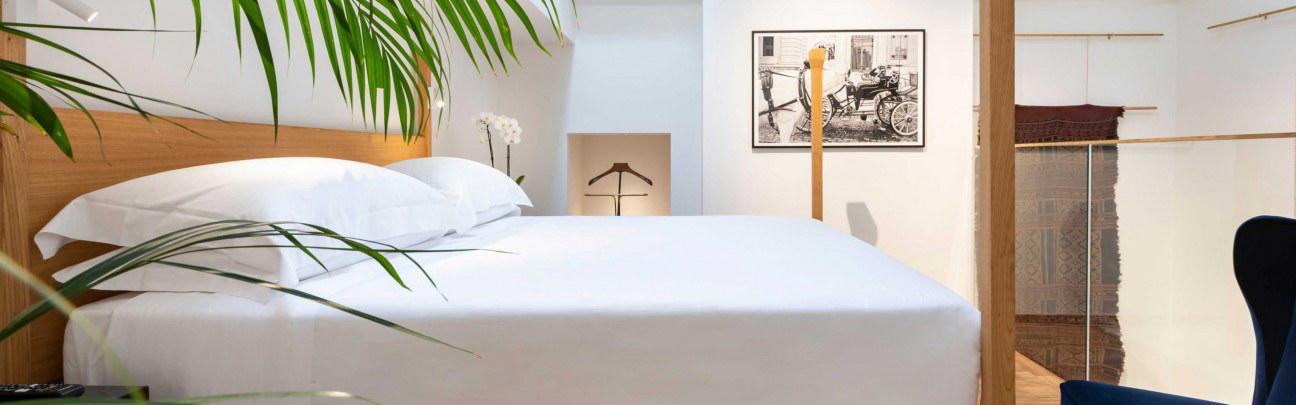
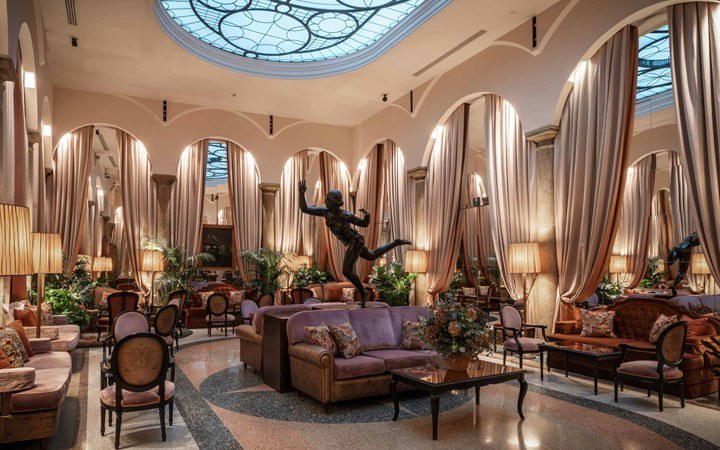
Refined interior in natural tones with white paneling and light wood evoking an elegant Milanese lounge; soft lighting and comfortable seating create a warm, timeless atmosphere; summer garden features lanterns and soft cushions for intimate evenings.