Our verdict
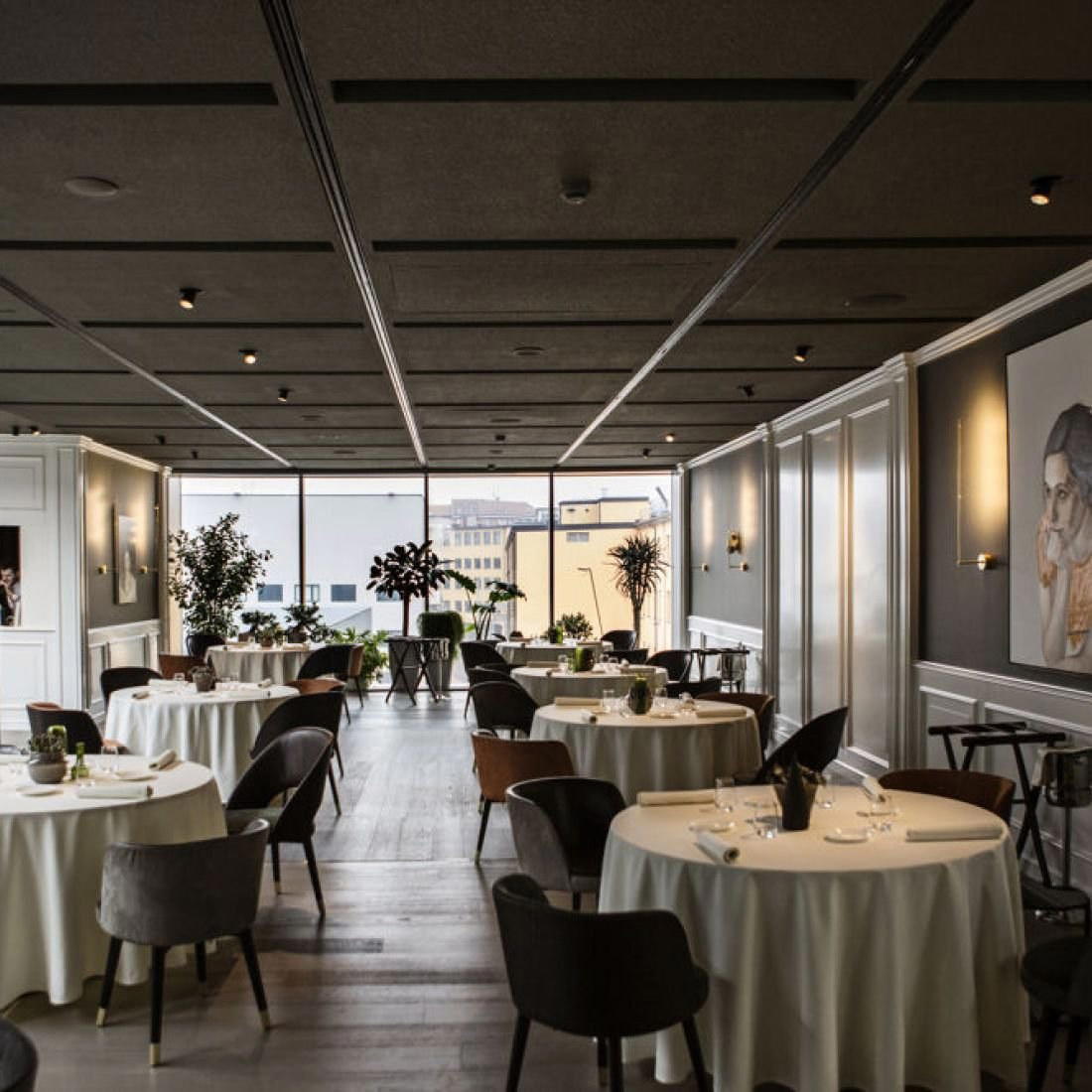
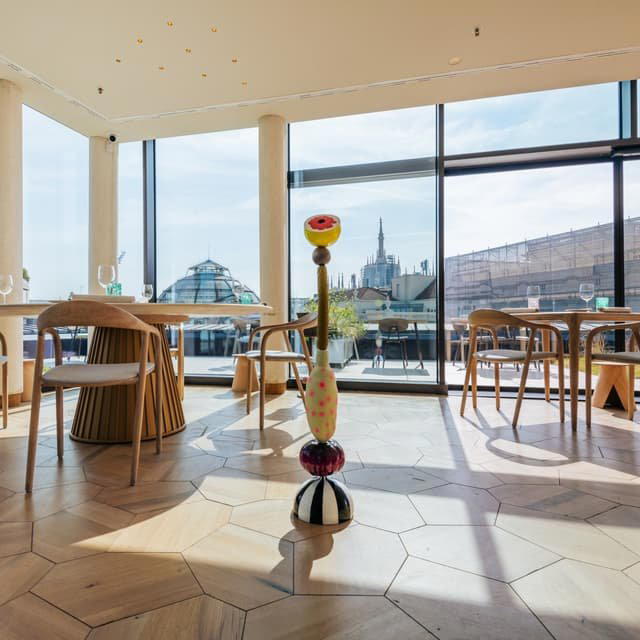
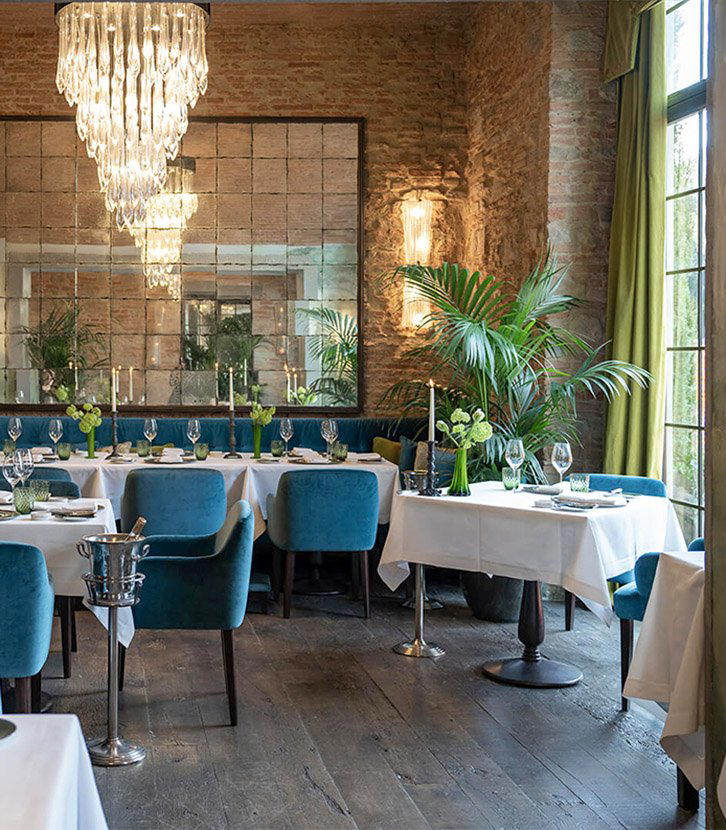
On a quiet residential street in Milan's Zona Magenta, Bianca occupies a different register from the city's trophy-dining circuit. Where Milan's top modern Italian tables trend toward elaborate tasting architecture and formal ceremony, Bianca reads as a considered counterpoint, a neighbourhood address with enough substance to draw diners from well beyond its arrondissement.

Pearl is the En Primeur Club membership app, where members save venues, book tables and use the concierge.

The menu
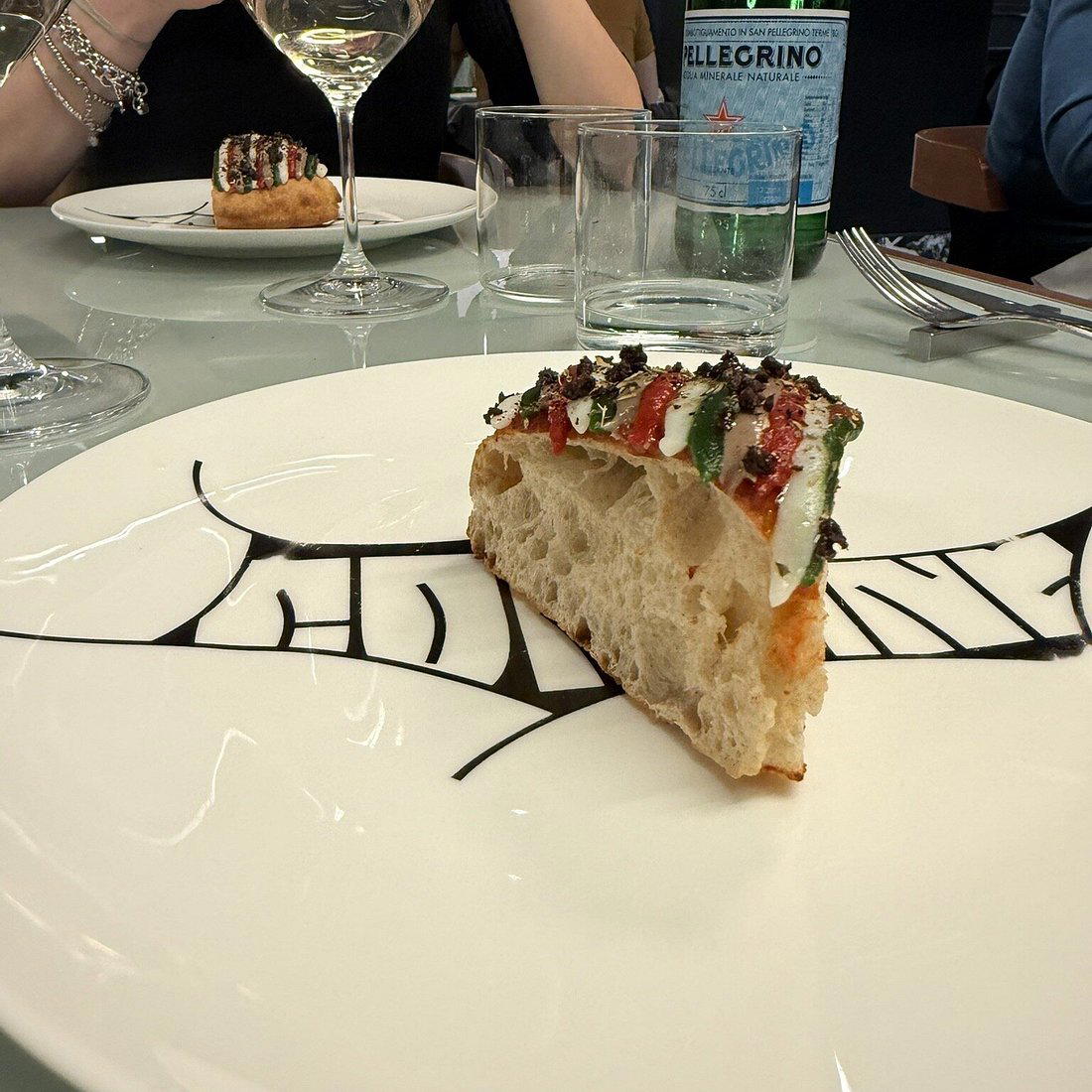
What to order
- Plateau del Bianca
- Selezione di tartare
- Fritto misto
A Different Pitch in Milan's Dining Register
Milan's serious restaurant scene has sorted itself into a fairly legible hierarchy over the past decade. At the leading sit the grand tasting-menu addresses: Enrico Bartolini, with its Mudec setting and multi-Michelin recognition; Cracco in Galleria, operating at the intersection of spectacle and technique; Andrea Aprea and Seta, both anchored to the hotel luxury tier. Below that formal bracket, and distinct from the casual trattoria floor, sits a smaller cohort of neighbourhood restaurants that price and position themselves for repeat local trade rather than once-a-year occasion dining. Bianca, on Via Bartolomeo Panizza in the 20144 postcode, belongs to that cohort.
The address itself is instructive. Zona Magenta, wedged between the Navigli canals and the centro storico, is a residential district where apartment buildings and small professional studios share blocks with wine bars and unassuming osterie. It is not a restaurant destination in the way that Brera or Porta Romana have become. A restaurant opening here is making a deliberate statement about its intended audience: locals who will return midweek, not tourists working through a. That context shapes expectations before you arrive.
How the Menu Speaks
Menu architecture, in any serious restaurant, is a form of editorial. The decisions a kitchen makes about structure, how many courses, how they sequence, where the kitchen's ambition concentrates and where it steps back, reveal more about a restaurant's actual identity than any press description. In Milan's competitive modern Italian tier, the dominant format has trended toward multi-course tasting menus with elaborate coursing, where each plate functions as a set piece. Tables like Verso Capitaneo operate within that grammar, as do the headline addresses referenced above.
A neighbourhood address like Bianca, by contrast, tends to organise itself differently. The menu architecture in this tier typically prioritises a shorter, more flexible structure: a handful of antipasti, two or three primi, a focused secondi selection, and desserts that don't overstay their welcome. This is not a retreat from ambition, it is a different kind of ambition, one that privileges the diner's ability to compose their own meal rather than being led through a fixed sequence. It reflects a tradition that runs deep in Lombard cooking, where the cooking itself is the point rather than the ceremony around it.
This structure also has practical implications. A restaurant operating in the neighbourhood trattoria-adjacent tier, even a sophisticated one, needs to move covers at a pace that a nine-course tasting menu cannot sustain. The menu design is therefore partly an economic statement as much as an aesthetic one, and the leading restaurants in this format manage both without the seams showing.
For broader context on how this format compares nationally, it's worth considering how Italian restaurants outside the major cities handle similar tensions. Dal Pescatore in Runate and Quattro Passi in Marina del Cantone both operate in non-urban settings with a similarly flexible approach to menu construction, even at their respective levels of recognition. Internationally, the contrast is equally revealing: Le Bernardin in New York City and Lazy Bear in San Francisco both commit fully to fixed-format experiences, which says something about how American fine dining has normalised the tasting-menu contract in ways Italian neighbourhood dining actively resists.
Where Bianca Sits in Milan's Competitive Set
Within Milan, the most useful comparison for Bianca is not with the Michelin-flagged destination tables but with the city's mid-serious neighbourhood contingent: restaurants where the cooking is accomplished but the format doesn't demand that you reorganise your evening around it. This is a category that Milan does well when it does it honestly, and one that the city's dining press tends to undercover in favour of the easier narrative of star chefs and hotel dining rooms.
Italy's most decorated addresses, Osteria Francescana in Modena, Piazza Duomo in Alba, Le Calandre in Rubano, Uliassi in Senigallia, Reale in Castel di Sangro, Atelier Moessmer Norbert Niederkofler in Brunico, each operate in a register defined by national recognition and deliberate occasion-dining positioning. Enoteca Pinchiorri in Florence and Casa Perbellini 12 Apostoli in Verona occupy similar ceremonial space in their respective cities. Bianca, whatever its own specific format and ambition, is not in competition with these addresses. It is in competition with the question of whether a neighbourhood in Milan can sustain a serious kitchen without the apparatus of awards and destination hype to drive covers.
Planning a Visit
Via Bartolomeo Panizza sits in a part of the city that is walkable from the Cadorna and Conciliazione metro stops, making it accessible without a taxi from the centre. For visitors staying in Milan's hotel corridor around Brera or the Quadrilatero, the journey is short. Because Bianca's profile falls below the destination-dining radar, booking timelines are likely more forgiving than the weeks-in-advance windows required at the starred addresses, though calling ahead for weekend evenings remains sensible practice. For a fuller orientation to where Bianca sits within the city's restaurant options, our full Milan restaurants guide maps the range from trophy tables to neighbourhood stalwarts.
Frequently asked questions
Where is Bianca located?
Bianca is located at Via Bartolomeo Panizza, 10, 20144 Milano MI, Italy, Milan.
Is Bianca in Milan suitable for a business dinner or is it more of a neighbourhood local?
Bianca sits in the part of Milan's dining register where both uses are plausible, but the address on Via Bartolomeo Panizza, 20144, places it firmly in residential territory rather than the corporate dining corridors around Porta Nuova or the Duomo. The atmosphere skews toward the kind of dinner where conversation leads rather than the room impresses, which makes it a credible choice for a low-key business meal but a less obvious one if you need a venue to do visible work. For a client dinner where setting matters as much as food, that context is worth factoring in.
What do regulars order at Bianca?
Specific dish names aren't documented in available editorial records for Bianca, but the menu architecture described by those familiar with the restaurant follows the mid-serious Milan model: a focused selection that changes with supply rather than season-as-marketing. Regulars at this type of address tend to defer to the kitchen's suggestions rather than anchoring to a single signature plate. If you have a preference, the staff at Via Bartolomeo Panizza 10 are the right people to ask when you book.
Can I walk in to Bianca?
Walk-in availability at Bianca isn't confirmed in public records, and neighbourhood restaurants at this pitch in Milan typically fill their covers through reservations, particularly midweek. The address on Via Bartolomeo Panizza is accessible on foot from both the Cadorna and Conciliazione metro stops, so arriving without a booking is logistically easy, whether a table is waiting is a different matter. Calling ahead or booking through the restaurant directly is the more reliable approach.
What's the defining dish or idea at Bianca?
The defining idea at Bianca, based on how the restaurant has been positioned within Milan's dining register, is a deliberate refusal of grand-occasion formatting. It operates in the space between the city's Michelin-flagged destination tables and the purely casual neighbourhood offer, with menu decisions that read as editorial rather than crowd-pleasing. That positioning, precise without being performative, is the clearest throughline in how the restaurant is discussed among the city's mid-serious dining set.
At a Glance
Comparable venues nearby, for context on price, style, and recognition.
| Venue | Cuisine | Price | Awards | Notes |
|---|---|---|---|---|
| BiancaThis venue (the venue you are viewing) | Modern Italian Seafood | $50–100 | Not listed | Not listed |
| FIVE | Contemporary Italian Mediterranean | $30–50 | Not listed | Porta Venezia, Contemporary Italian Mediterranean |
| Il Marchese Milano | Roman Trattoria with Art Deco Elegance | $30–50 | Michelin Plate | Brera, Contemporary Roman Cuisine |
| MARTINI | Modern Sicilian with Mediterranean influences | $50–100 | Not listed | Duomo, Modern Sicilian with Mediterranean influences |
| Cantine MILANO | Mediterranean Italian Wine Restaurant | $50–100 | Not listed | Isola, Mediterranean Italian Wine Restaurant |
| Peck | Traditional Milanese Gastronomy | $30–50 | Star Wine List | Duomo, Traditional Milanese Gastronomy |