At Karmelitermarkt in Vienna's second district, Lieblingsfisch occupies the kind of market-adjacent position that shapes a restaurant's identity before a single dish arrives. The address places it inside a neighbourhood that runs closer to Budapest than to the Ring, where the dining culture is more market stall and local institution than tasting menu and tourist concession. For fish-focused eating in Vienna, that context matters considerably.
Pearl is the En Primeur Club membership app — saves, bookings, and concierge access live there. Same editors, same standards.
- Address
- Karmelitermarkt 44, 1020 Wien, Austria
- Phone
- +436642624189
- Website
- eishken.at
- Directions
- Get directions
 Saves & bookings on Pearl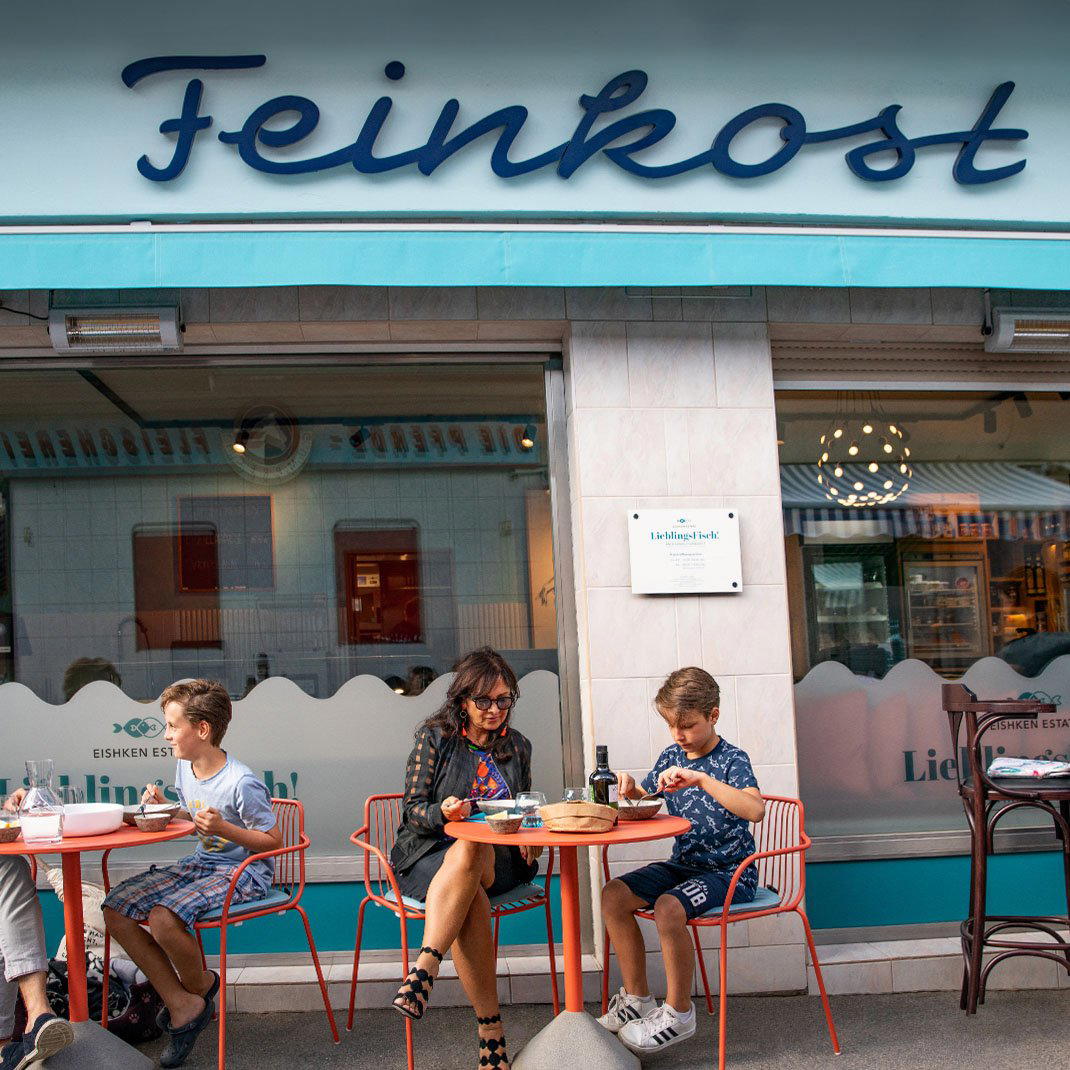
A Market Address That Sets the Terms
The Karmelitermarkt, one of the city's working produce markets, anchors a neighbourhood where the restaurants that last tend to earn loyalty through repetition rather than occasion. A fish restaurant at address 44 on that market square is reading the location correctly: the proximity to fresh supply and the walk-in rhythms of a market crowd produce a different menu logic than a kitchen located on the Innere Stadt side of the Donaukanal. At Lieblingsfisch, the address is not incidental, it is, in a sense, the editorial premise of the whole operation.
Vienna's relationship with fish cookery has always been more complicated than its landlocked geography suggests. The Danube and its tributaries historically supplied pike, perch, carp, and catfish to the city's tables, and Austrian culinary tradition developed a parallel freshwater repertoire alongside the Central European meat and dumpling canon. In more recent decades, the city's better fish restaurants have expanded that frame to include Atlantic and Mediterranean supply, creating menus that can move between a Danube zander and a Breton turbot without contradiction. The tension between local freshwater tradition and broader maritime sourcing is one of the more interesting structural questions any Vienna fish kitchen has to resolve.
How the Menu Is Likely to Think
Fish-specialist restaurants at the market end of the spectrum, meaning those that sit closer to the produce source in both geography and philosophy, tend to organize their menus around availability rather than signature permanence. That menu architecture, where the list shifts with the catch and the season, places the kitchen in a different relationship to the diner than a restaurant built around fixed signature dishes. The reader should not arrive expecting a laminated document with twelve consistent entries; the more likely format is a tighter, rotating card where the kitchen's decisions about what arrived that morning determine what gets offered that evening.
This approach carries specific implications. It rewards return visits, because the menu on a Tuesday in March will not resemble the menu on a Saturday in October. It also asks something of the diner: a degree of flexibility and a willingness to follow the kitchen's lead rather than pre-selecting from memory or habit. In Vienna's fish dining tier, that model sits at the more serious end of the market. Contrast it with the fixed-format fish sections at the city's grand hotel restaurants, or with the broader Austrian creative menus at places like Steirereck im Stadtpark or Mraz and Sohn, where fish appears as one register within a wider tasting structure. A fish-specialist format with a market supply chain is a different proposition entirely.
The menu architecture of a restaurant like this also signals something about price positioning. Market-sourced, availability-driven fish cooking can occupy almost any price tier, but the Karmelitermarkt context and the neighbourhood's general character suggest a setting that is serious without being ceremonial. That places Lieblingsfisch in a different comparable set from the €€€€ creative kitchens of Konstantin Filippou or Amador, and closer to the kind of specialist restaurant where the food does the arguing and the room stays relatively uncomplicated.
Vienna's Fish Dining Context
Fish-specialist restaurants occupy a smaller niche in Vienna than their equivalents in coastal cities, which makes the ones that commit to the format more legible. The city does not have the kind of established fish-dining district that Copenhagen or Lisbon can point to; instead, fish-focused kitchens distribute across neighbourhoods and compete primarily on sourcing credibility and technical conviction. Internationally, the benchmark for fish-specialist seriousness is set by operations like Le Bernardin in New York, where the menu architecture is explicitly organized around the primacy of the fish over every other element. Vienna's fish kitchens work within a different cultural and supply context, but the underlying question is the same: does the menu exist to show what the kitchen can do, or to show what the fish can do?
Elsewhere in the Austrian dining scene, fish appears most often as a supporting register within broader menus. At Döllerer in Golling an der Salzach, Alpine ingredients including freshwater fish are folded into a wider regional narrative. Landhaus Bacher in Mautern an der Donau, positioned along the Danube itself, has a long history of engaging with the river's produce. Obauer in Werfen brings fish into an Alpine-Austrian creative frame. A dedicated fish specialist in Vienna operating from a market position is doing something structurally different from all of these, and that distinction is worth understanding before you book.
The Neighbourhood as Context
The Karmelitermarkt area has developed steadily as a dining destination over the past decade. Restaurants in the immediate vicinity tend to trade on neighbourhood loyalty and repeat custom, with less reliance on the tourist circuits that drive volume in the first district. That audience shape affects service style, reservation pressure, and the general atmosphere: this is the kind of address where regulars are recognized and the room has a social texture that distinguishes it from destination-dining venues further into the city. For visitors, it reads as an area worth arriving in early enough to walk the market before sitting down, the supply context becomes visible in a way that it cannot when the kitchen is located elsewhere.
Other Vienna restaurants worth positioning in relation to Lieblingsfisch include Doubek, which also operates outside the first district's gravity, and the broader creative tier represented by Ikarus in Salzburg or Griggeler Stuba in Lech for readers mapping the wider Austrian fine-dining picture. For a different scale of fish-focused ambition, Atomix in New York demonstrates what happens when a tasting-menu format is built around absolute menu discipline, a useful reference point for understanding what menu architecture can communicate at its most deliberate.
Planning a Visit
Lieblingsfisch is located at Karmelitermarkt 44 in Vienna's second district, reachable by U-Bahn on the U2 line to Taborstrasse, a short walk from the market square. Given the market-adjacent format and the neighbourhood's local character, visiting during market hours, typically morning through early afternoon on market days, adds context to the experience. As with most small, specialist restaurants in Vienna, confirming current hours and availability directly before visiting is advisable; availability-driven menus can mean the kitchen closes when the day's supply is exhausted. Readers interested in the Austrian regional scene beyond Vienna should also consider Kräuterreich by Vitus Winkler in Sankt Veit im Pongau, Ois in Neufelden, Restaurant 141 by Joachim Jaud in Mieming, Schwarzer Adler in Hall in Tirol, and Gourmetrestaurant Tannenhof in Sankt Anton am Arlberg.
A Minimal comparable set
Comparable venues nearby, for context on price, style, and recognition.
| Venue | Cuisine | Price | Notes |
|---|---|---|---|
| LieblingsfischThis venue — the venue you are viewing | Not listed | $$ | Not listed |
| Süsswasser | Not listed | $$ | Hofburg, Austrian Freshwater Fish & Seafood |
| Ragusa | Inner City, Croatian Dalmatian Seafood | $$ | Not listed |
| Kulinarium 7 | Hofburg, Modern Seafood & Croatian | $$$ | Not listed |
| Cervenka Fischgeschäft & Imbiss | Not listed | $ | Ottakring, Traditional Austrian Fish Imbiss |
| Fish & Chips Bistro by DieSeeteufel | Inner City, Fish & Chips Bistro | $$ | Not listed |
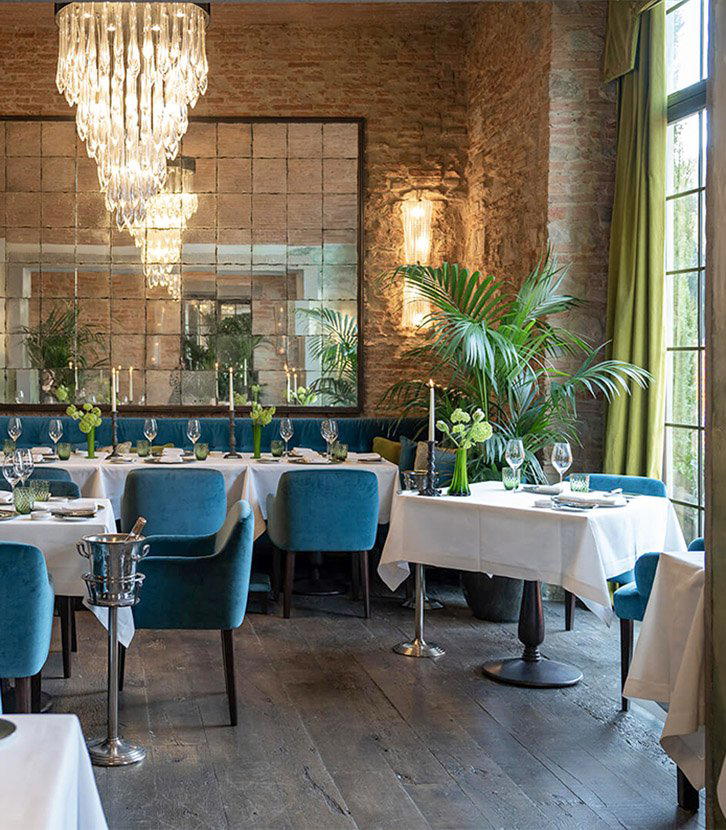
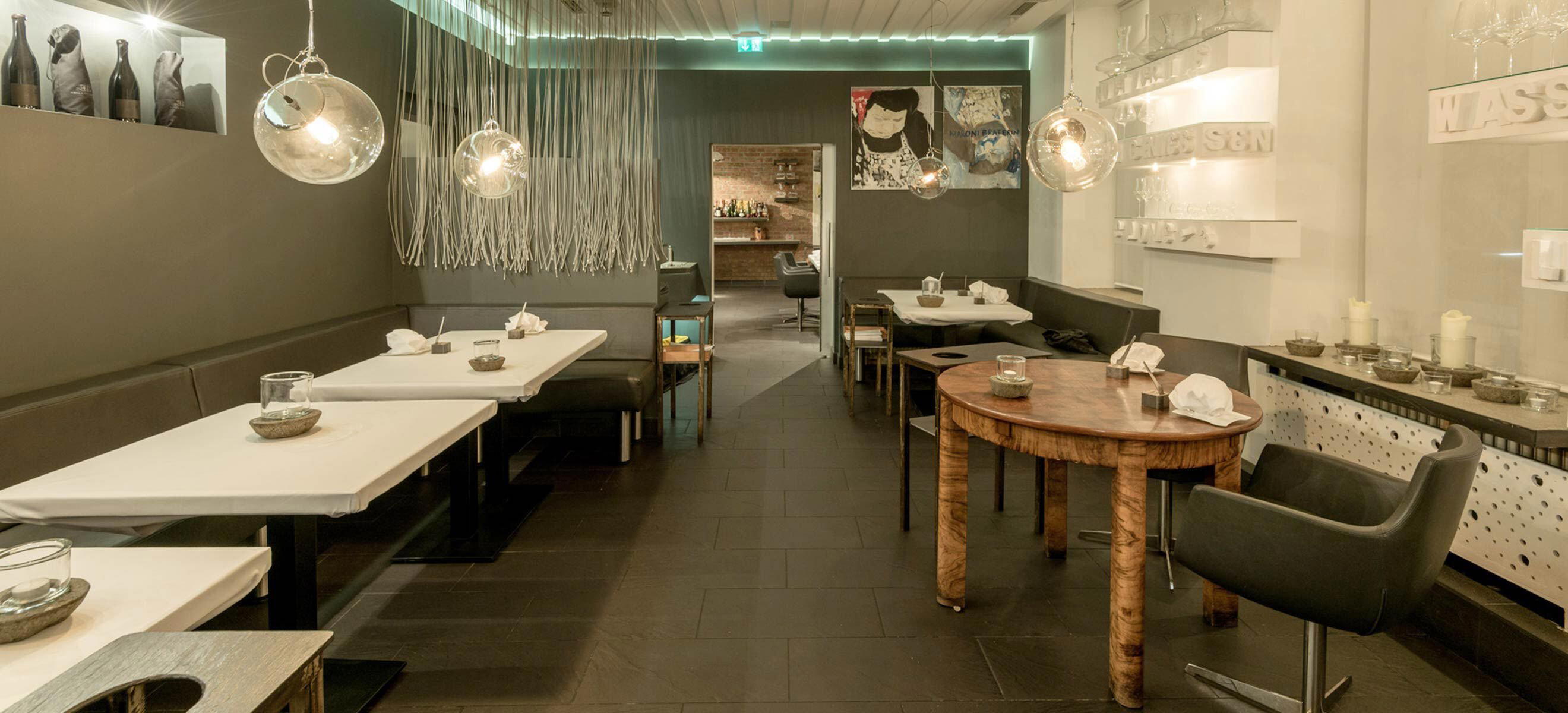
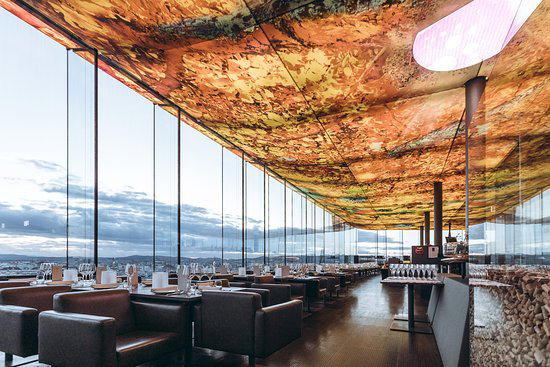
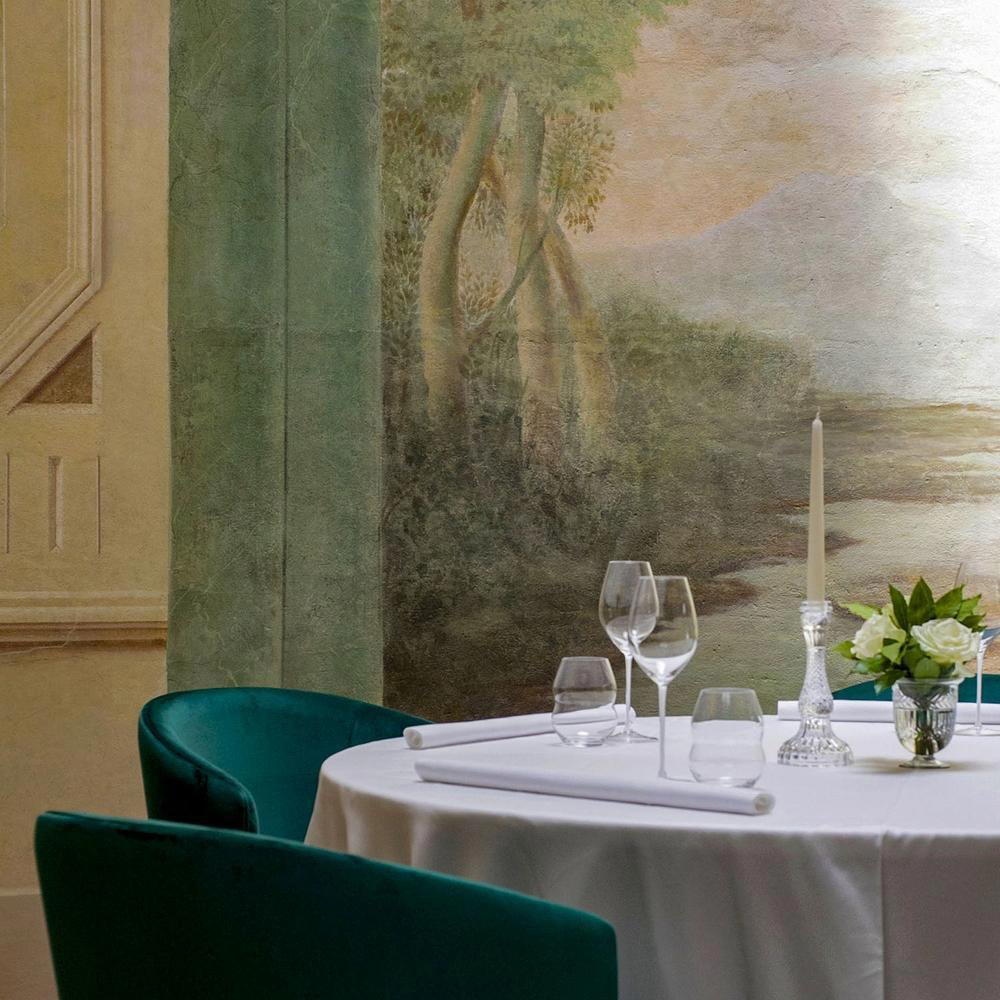


At a Glance
- Cozy
- Trendy
- Casual Hangout
- Open Kitchen
- Sustainable Seafood
- Street Scene
Current opening hours
- Monday
- Closed
- Tuesday
- 10 AM–5 PM
- Wednesday
- 10 AM–6 PM
- Thursday
- 10 AM–6 PM
- Friday
- 10 AM–6 PM
- Saturday
- 9 AM–2 PM
- Sunday
- Closed
Hours can change for holidays and private events. Last verified .
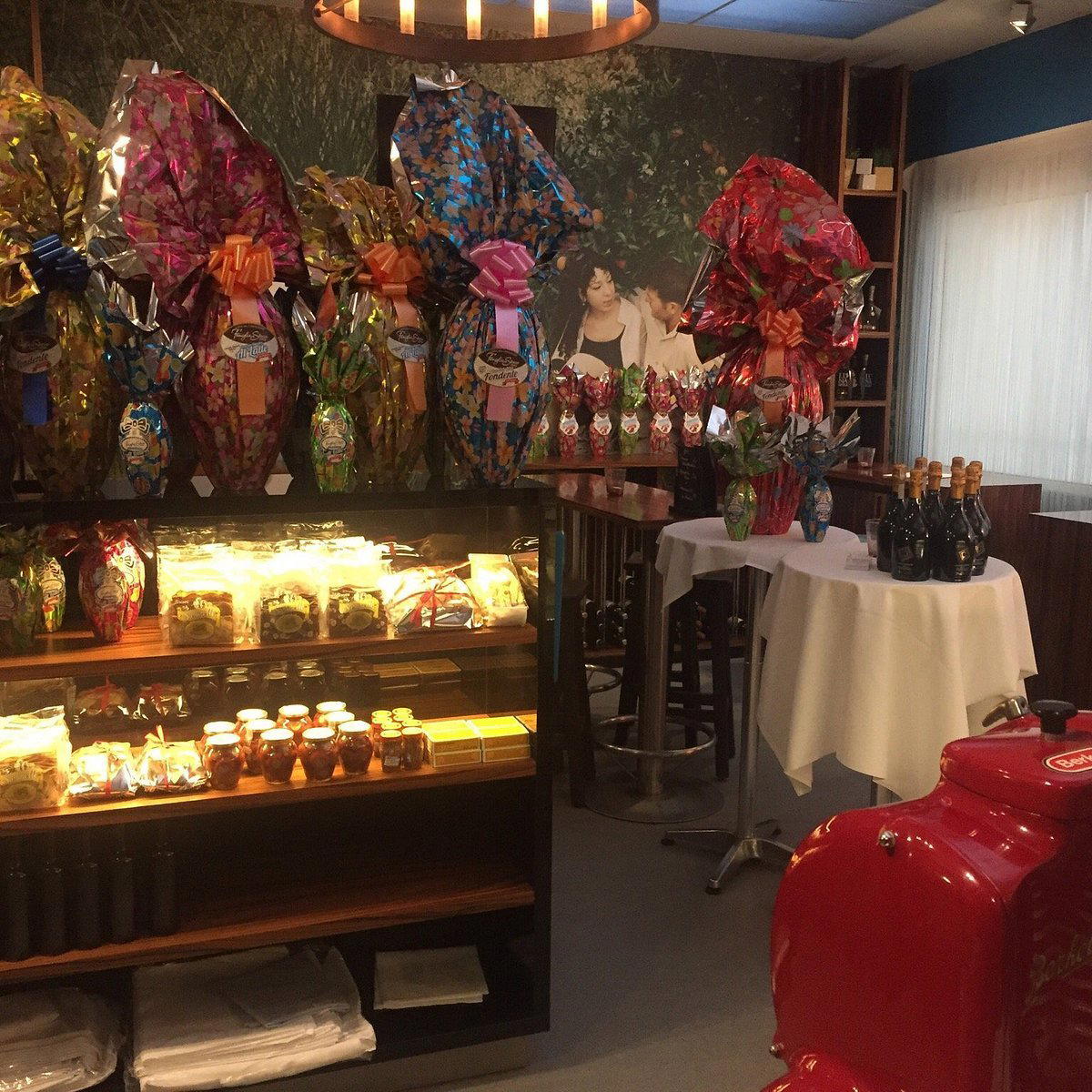
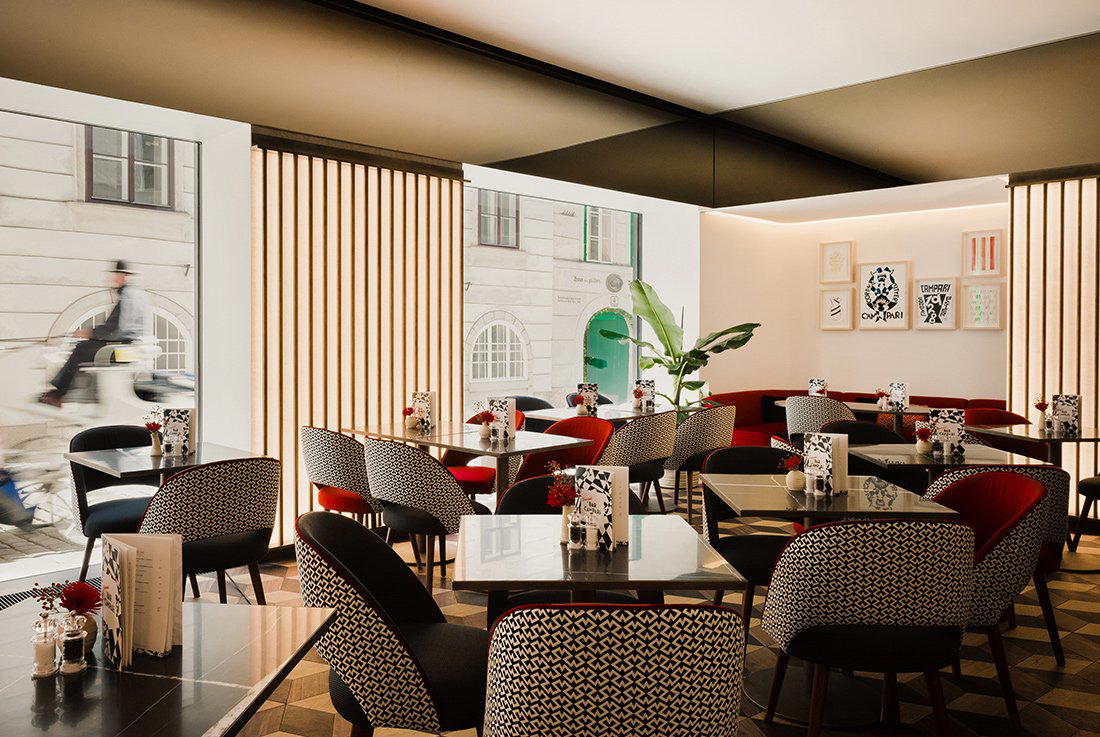
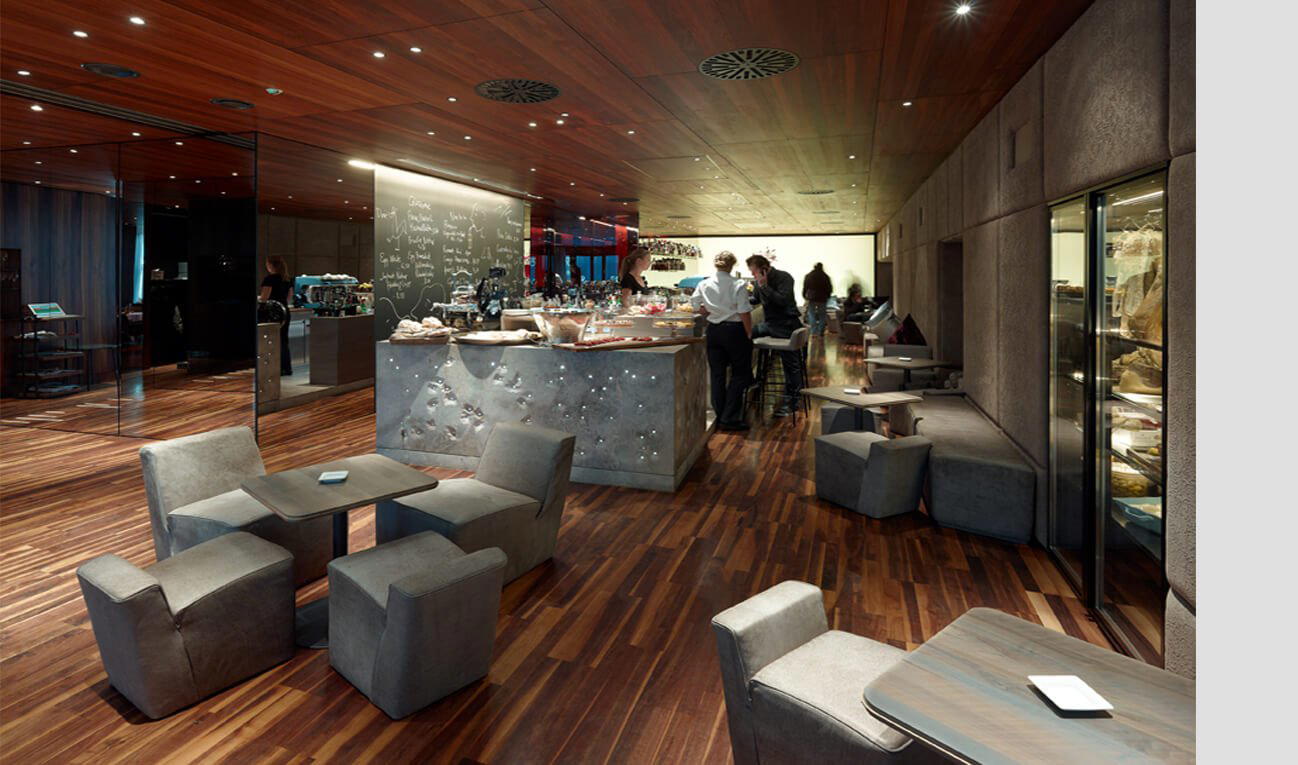
Casual market atmosphere with a focus on high-quality fresh seafood display and welcoming outdoor seating.