Süsswasser serves Austrian freshwater fish and seafood at Theobaldgasse 16 in Vienna, with local sourcing, a quiet room, and bouillabaisse alongside pike perch fillet.
Pearl is the En Primeur Club membership app — saves, bookings, and concierge access live there. Same editors, same standards.
- Address
- Theobaldgasse 16, 1060 Wien, Austria
- Phone
- +436766489474
- Website
- suesswasser.at
- Directions
- Get directions
 Saves & bookings on Pearl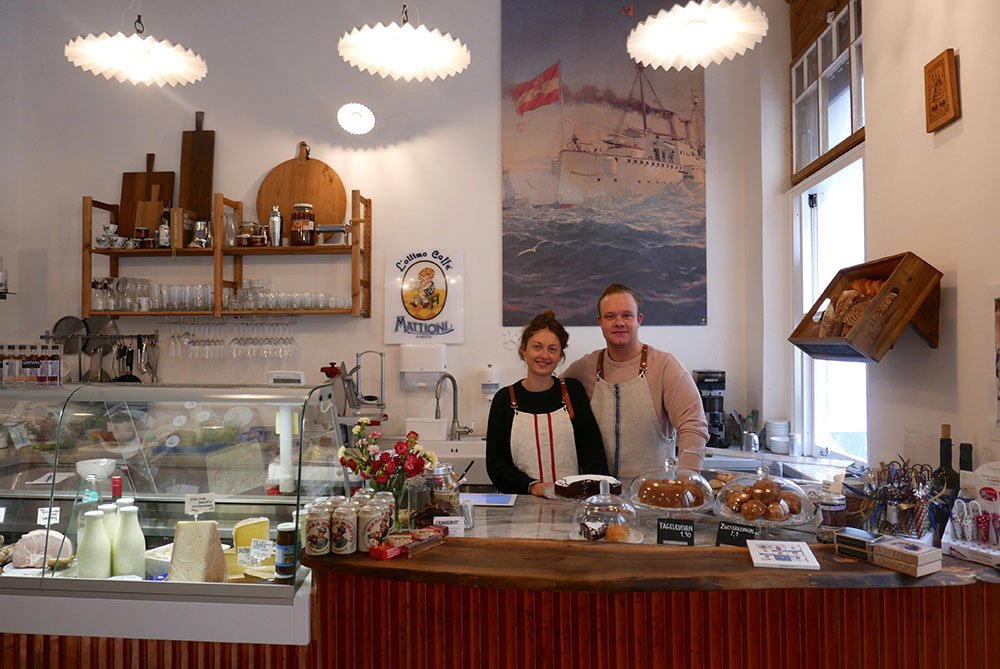
Sixth District, Freshwater Traditions, and What Vienna's Neighbourhood Restaurants Do Differently
The Mariahilf district has long operated at a different register from Vienna's grand-boulevard dining rooms. Theobaldgasse, a quiet residential street in the 6th Bezirk, sits within walking distance of the Naschmarkt. Restaurants that establish themselves here do so on neighbourhood loyalty and word-of-mouth rather than foot traffic, which tends to produce a different kind of regularity in the kitchen and a different relationship with the room. Süsswasser, at Theobaldgasse 16, belongs to that neighbourhood-embedded tier of Viennese dining.
The name translates directly as "freshwater," which in the context of Central European cuisine carries specific weight. Austria's culinary tradition has always held freshwater fish in high regard: Forelle (trout), Zander (pike-perch), Wels (catfish), and Reinanke (lake whitefish) from the Alpine lakes and Danube tributaries have appeared on Austrian tables for centuries, often prepared with more restraint and technical care than the heavier meat-forward dishes that dominate international perceptions of the cuisine. A restaurant named for freshwater, operating in a city threaded by the Danube and within reach of the Salzkammergut lake district, is making a legible statement about its priorities before a guest sits down.
The Atmosphere Süsswasser Creates
Vienna's mid-range neighbourhood restaurants tend to fall into recognisable categories: the Beisl, with its dark wood panelling and paper tablecloths; the modern-Austrian room that signals its ambitions through spare Scandinavian-inflected design; and the wine-bar hybrid where the list drives the kitchen rather than the other way around. What draws guests to a room on Theobaldgasse is rarely a single spectacular feature but rather the cumulative effect of details chosen with consistency. The address, the name, and the district together suggest a restaurant operating in the quieter, more considered register that characterises the stronger end of Vienna's neighbourhood dining tier.
Sound is part of that register. The better neighbourhood rooms in Vienna achieve a particular acoustic balance: enough ambient conversation to feel alive, low enough that two people across a table don't strain. The Sixth District's residential streets reinforce this; there is no roar of a major arterial road, no tourist crowd spilling from the pavement. The atmosphere that results tends toward the focused rather than the festive, which suits a kitchen with a specific culinary identity.
Where Süsswasser Sits in Vienna's Restaurant Tier
To understand Süsswasser's position, it helps to map Vienna's restaurant structure briefly. At the upper end, places like Steirereck im Stadtpark and Mraz and Sohn operate in the €€€€ tier with tasting menus, Michelin recognition, and international reservation demand. Konstantin Filippou and Amador pursue a similarly refined Modern European idiom at comparable price points. Below that bracket sits a substantial and underappreciated middle tier of restaurants where the cooking is serious, the rooms are smaller, and the pricing is set against local regulars rather than international expense accounts. Doubek represents another version of this category. Süsswasser occupies a position in this neighbourhood-serious tier, distinguished by its freshwater focus from the more generalist kitchens around it.
That specificity matters. In cities with strong culinary traditions, restaurants built around a narrowly defined ingredient category or regional sub-tradition tend to develop deeper technical fluency within that lane than those trying to cover the full Austrian canon. The freshwater fish tradition in particular demands precise sourcing, careful temperature control, and an understanding of which cooking methods preserve the delicacy of the proteins rather than overwhelming them. It is a kitchen discipline closer in spirit to what happens at Le Bernardin in New York, where fish is treated as the primary subject of the cooking rather than a secondary option, than to generalist European restaurants where fish dishes fill the menu gaps between the meat courses.
The Austrian Freshwater Context Across Regions
Vienna is the obvious starting point, but Austria's freshwater tradition extends across the country. Döllerer in Golling an der Salzach has built a significant reputation in part on its engagement with Alpine ingredients including freshwater fish from the Salzach region. Landhaus Bacher in Mautern an der Donau sits directly on the Danube and has long incorporated river fish into a kitchen that earns consistent regional recognition. Further afield, Obauer in Werfen, Ikarus in Salzburg, Griggeler Stuba in Lech, and Gourmetrestaurant Tannenhof in Sankt Anton am Arlberg each work within Alpine ingredient traditions that include freshwater species as a defining element. Kräuterreich by Vitus Winkler in Sankt Veit im Pongau, Schwarzer Adler in Hall in Tirol, Restaurant 141 by Joachim Jaud in Mieming, and Ois in Neufelden represent the breadth of Austrian regional cooking that draws on local water systems as a culinary foundation. A restaurant named Süsswasser in Vienna is inserting itself into that lineage deliberately.
The contrast with fish-forward restaurants in other cities is instructive. At Atomix in New York, the Korean fine-dining framework places seafood within a different cultural and technical context. What the Austrian freshwater tradition offers is a set of preparations rooted in Central European preservation techniques, lake-district sourcing relationships, and the particular flavour profiles of cold Alpine waters, none of which translate directly from oceanic or East Asian fish cookery.
Planning Your Visit: Süsswasser in Context
| Venue | District | Price Tier | Style | Booking Lead Time |
|---|---|---|---|---|
| Süsswasser | 6th (Mariahilf) | Not confirmed | Freshwater-focused | |
| Steirereck im Stadtpark | 3rd (Stadtpark) | €€€€ | Creative Austrian | Weeks to months ahead |
| Konstantin Filippou | 1st (Innere Stadt) | €€€€ | Modern European | Several weeks ahead |
| Mraz and Sohn | 20th (Brigittenau) | €€€€ | Modern Austrian | Several weeks ahead |
Theobaldgasse 16 is in the 1060 postal district, accessible from the U3 line at Zieglergasse or from Naschmarkt-area connections. The Sixth District's restaurant scene is walkable and dense enough that a visit to Süsswasser pairs naturally with an exploration of the surrounding streets.
Where It Fits
Comparable venues nearby, for context on price, style, and recognition.
| Venue | Cuisine | Price | Notes |
|---|---|---|---|
| SüsswasserThis venue — the venue you are viewing | Austrian Freshwater Fish & Seafood | $$ | Not listed |
| Ragusa | Croatian Dalmatian Seafood | $$ | Inner City |
| Kulinarium 7 | Modern Seafood & Croatian | $$$ | Hofburg |
| Biofisch Fischbistro | Bio Organic Fish Bistro | $$ | Altmannsdorf |
| Teddy's American Diner | Classic American Diner | $$ | Mariahilf |
| Erbsenzählerei | Organic Vegetarian Café | $$ | Margareten |
Continue exploring
More in Vienna
Restaurants in Vienna
Browse all →
Bars in Vienna
Browse all →

Hotels in Vienna
Browse all →
At a Glance
- Cozy
- Intimate
- Casual Hangout
- Standalone
- Local Sourcing
Current opening hours
- Monday
- 9 AM–8 PM
- Tuesday
- 9 AM–8 PM
- Wednesday
- 9 AM–8 PM
- Thursday
- 9 AM–8 PM
- Friday
- 9 AM–8 PM
- Saturday
- 9 AM–5 PM
- Sunday
- Closed
Hours can change for holidays and private events. Last verified .
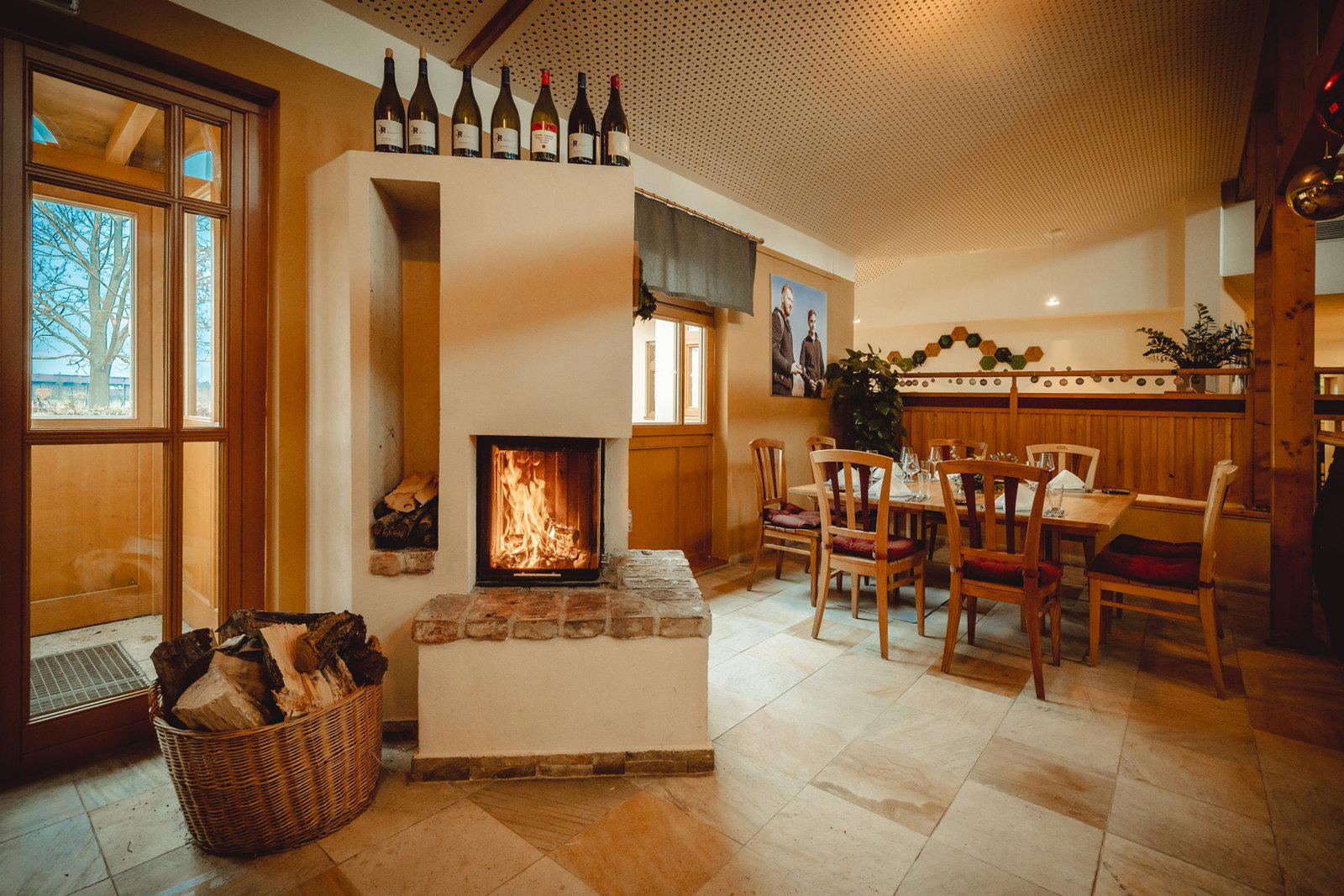
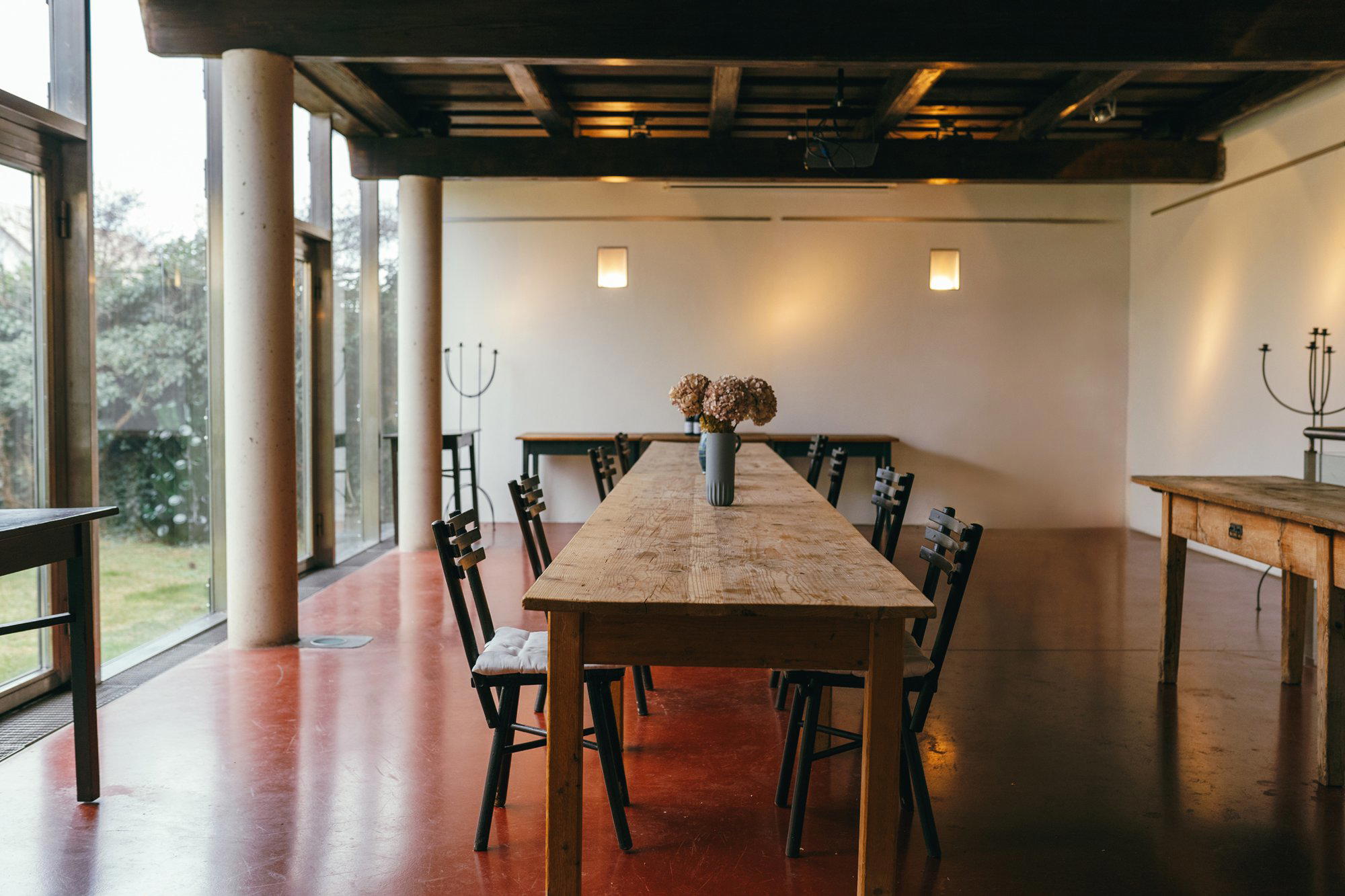
Cozy and relaxed atmosphere in a simply furnished small space with a welcoming terrace, wood-burning stove, and personable service.