Sushi An
.png)
A counter-format omakase in Zhubei City where fish sourced from Tokyo's Toyosu Market sits alongside catch from Taiwan's northeastern coast. Birch panelling and a focused menu of 10-plus sushi pieces, tamagoyaki, and freshly brewed Oriental Beauty tea place Sushi An in a small but growing tier of Japan-trained omakase chefs who have returned to build something deliberate in their home cities.
 Discover on Pearl
Pearl is the En Primeur Club membership app — saves, bookings, and concierge access live there. Same editors, same standards.
- Address
- 62, Section 1, Jiafeng South Road, Zhubei City
- Phone
- +886 919 110 613
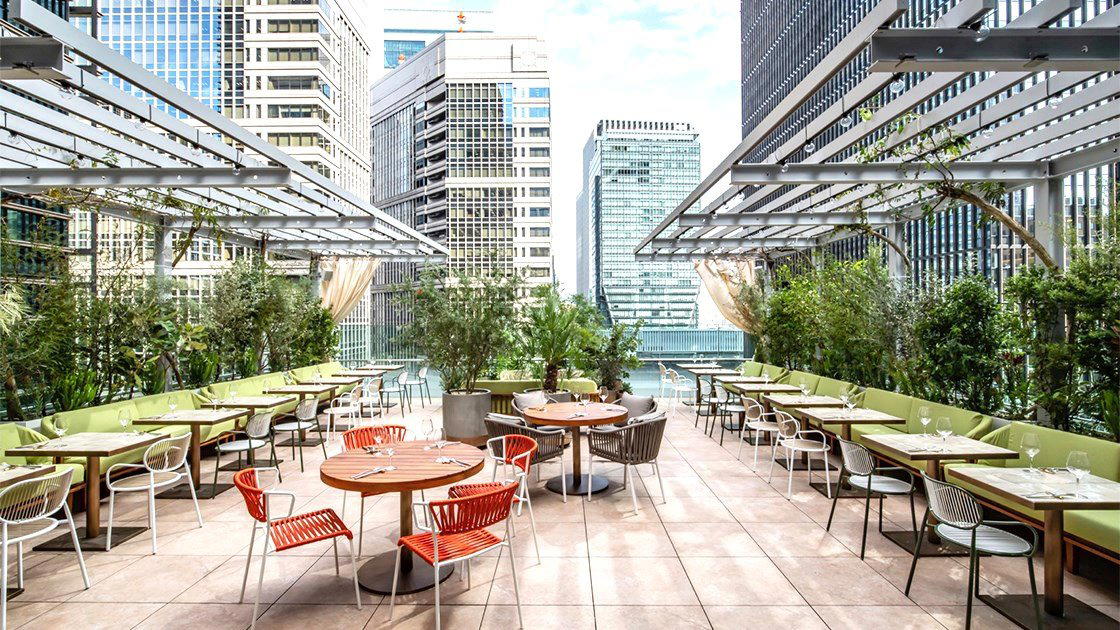
A Counter in Zhubei, Shaped by Distance Travelled
Sushi An is a traditional omakase sushi restaurant in Zhubei City, Hsinchu County, with a 4.7 Google rating and a premium price tier. Walk into Sushi An on Jiafeng South Road and the room registers quickly: birch panels line the counter, their pale grain pushing back against the deeper, darker tones that frame the rest of the space. It is a considered interior decision, the kind that signals a chef who has thought carefully about the environment before the first fish is cut. Zhubei City is not Tokyo, and that is precisely the point. The Hsinchu County restaurant scene has been building a quiet, confident identity over recent years, and omakase formats have been part of that expansion, drawing on Taiwan's proximity to Japan and the growing number of Taiwanese chefs who trained there before returning home.
The Toyosu Connection, and What It Changes
Sushi An's sourcing sits at the core of what makes the format work here. Most of the fish arrives directly from Tokyo's Toyosu Market. The cold-chain logistics between Tokyo and northern Taiwan are now reliable enough that counter restaurants outside Japan can realistically match the ingredient standards their menus require. That supply relationship is not unusual among Japan-trained chefs working in Taiwan's larger cities, but in Zhubei it remains a mark of seriousness.
What distinguishes the sourcing further is the parallel commitment to Taiwan's own waters. The chef orders from the northeastern coast of Taiwan, where species like ishidai (striped beakfish) and nodoguro (blackthroat seaperch) are caught locally. Nodoguro in particular has become a prestige item across the Japanese omakase world, prized for its fat content and the way it responds to light curing or gentle heat. Finding it sourced locally rather than imported represents a meaningful shift in how Taiwanese omakase counters have begun to assert regional identity rather than simply mirror Japanese ones.
How the Menu Is Structured
The single omakase menu runs to more than ten pieces of sushi, which places it in a middle register of omakase formats by count: more substantial than abbreviated lunch-focused counters, but not the extended 20-plus piece sequences found at the longer, higher-priced seatings in Taipei or Tokyo. Tamagoyaki closes the savoury portion of the meal, following a tradition that dates the style of the counter as much as the sourcing does. Freshly brewed Oriental Beauty tea accompanies the meal, a choice that locates Sushi An firmly in Taiwan rather than defaulting to sake pairings. Oriental Beauty (dongfang meiren) is a Taiwanese oolong produced primarily in Hsinchu County itself, which means the tea pairing is not a local flourish added for effect but a genuinely regional product served in its home territory.
This convergence of Tokyo fish, Taiwanese coastal catch, and a Hsinchu-grown tea illustrates how counter omakase in Taiwan has evolved from direct Japanese replication toward something more hybrid. Earlier generations of Japan-trained Taiwanese sushi chefs often returned with the intent of reproducing the Tokyo experience as faithfully as possible. The more recent pattern, of which Sushi An is a part, acknowledges that faithfulness and distinctiveness can coexist at the same counter.
Where Sushi An Sits in Hsinchu County's Dining Scene
Hsinchu County's restaurant scene is smaller in profile than Taipei's but has been accumulating a serious tier of chef-driven venues. Ang Gu, Bebu, Chuan Fu, Firoo, and Geng Ye Yue Mei represent the range of that scene, which spans Chinese regional cooking, modern Taiwanese formats, and now omakase. Outside the county, the broader arc of chef-driven dining in Taiwan can be tracked through venues like GEN in Kaohsiung, Zhu Xin Ju in Tainan, and Akame in Wutai Township, each of which has built a reputation on specific ingredients or techniques rather than cuisine category alone. Internationally, the counter format's commitment to sourcing precision has parallels at fish-focused restaurants as different in scale as Le Bernardin in New York City and Emeril's in New Orleans, where the provenance of primary ingredients is treated as editorial rather than incidental.
In the context of Hsinchu County specifically, an omakase counter drawing directly from Toyosu is an indicator of how the county's dining ambition has shifted. That shift in local demand has been one of the quieter drivers behind the county's restaurant evolution.
Planning Your Visit
Sushi An is located at 62, Section 1, Jiafeng South Road in Zhubei City, within reach of the city's central districts. Given that the venue operates a single omakase format with counter seating, capacity is inherently limited. Omakase counters at this level of sourcing commitment almost always operate on a reservation basis, and advance booking is advisable. The format suits adults and older diners with an interest in the pacing and focus that a counter meal demands. For resort-based dining with a similarly deliberate approach to environment and sourcing, Volando Urai Spring Spa & Resort in Wulai District offers a point of comparison in how Taiwan's hospitality venues are building identity through place and ingredient together.
Similar Picks
Comparable venues nearby, for context on price, style, and recognition.
| Venue | Cuisine | Price | Notes |
|---|---|---|---|
| Sushi AnThis venue — the venue you are viewing | Traditional Omakase Sushi | $$$$ | |
| Chuan Fu | Japanese Yakiniku | $$$ | Zhubei City |
| Li Yueh | Japanese Omakase | $$$$ | Zhubei City |
| HOYA | Modern Asian Grill | $$$ | Zhubei City |
| Monsoon | Neo-Hakkanese Vegetarian | $$$ | Zhubei City |
| Firoo | Contemporary Wood-Fire Cooking | $$ | Zhubei City |
Continue exploring
More in Zhubei City
Restaurants in Zhubei City
Browse all →
Bars in Zhubei City
Browse all →
At a Glance
- Elegant
- Intimate
- Minimalist
- Date Night
- Special Occasion
- Chefs Counter
- Sake Program
- Sustainable Seafood
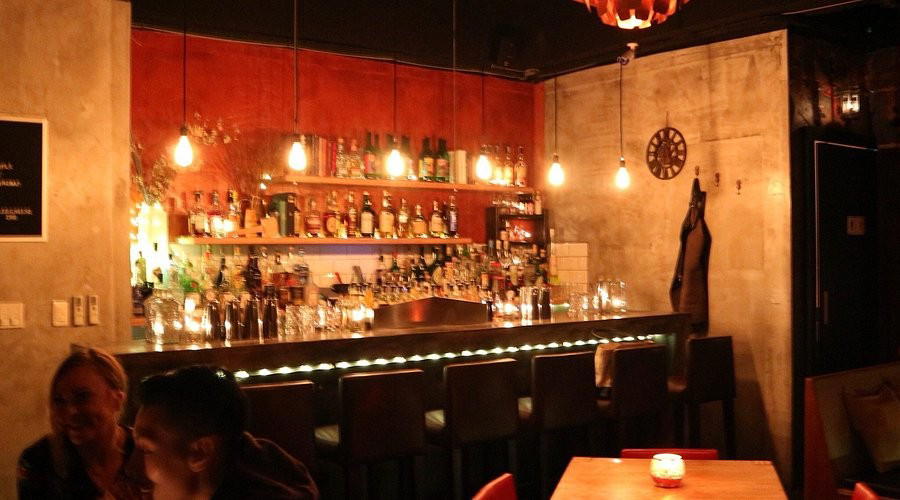
Birch panels and counter seating brighten the darker interior hues, creating an elegant sushi counter atmosphere.