SABI

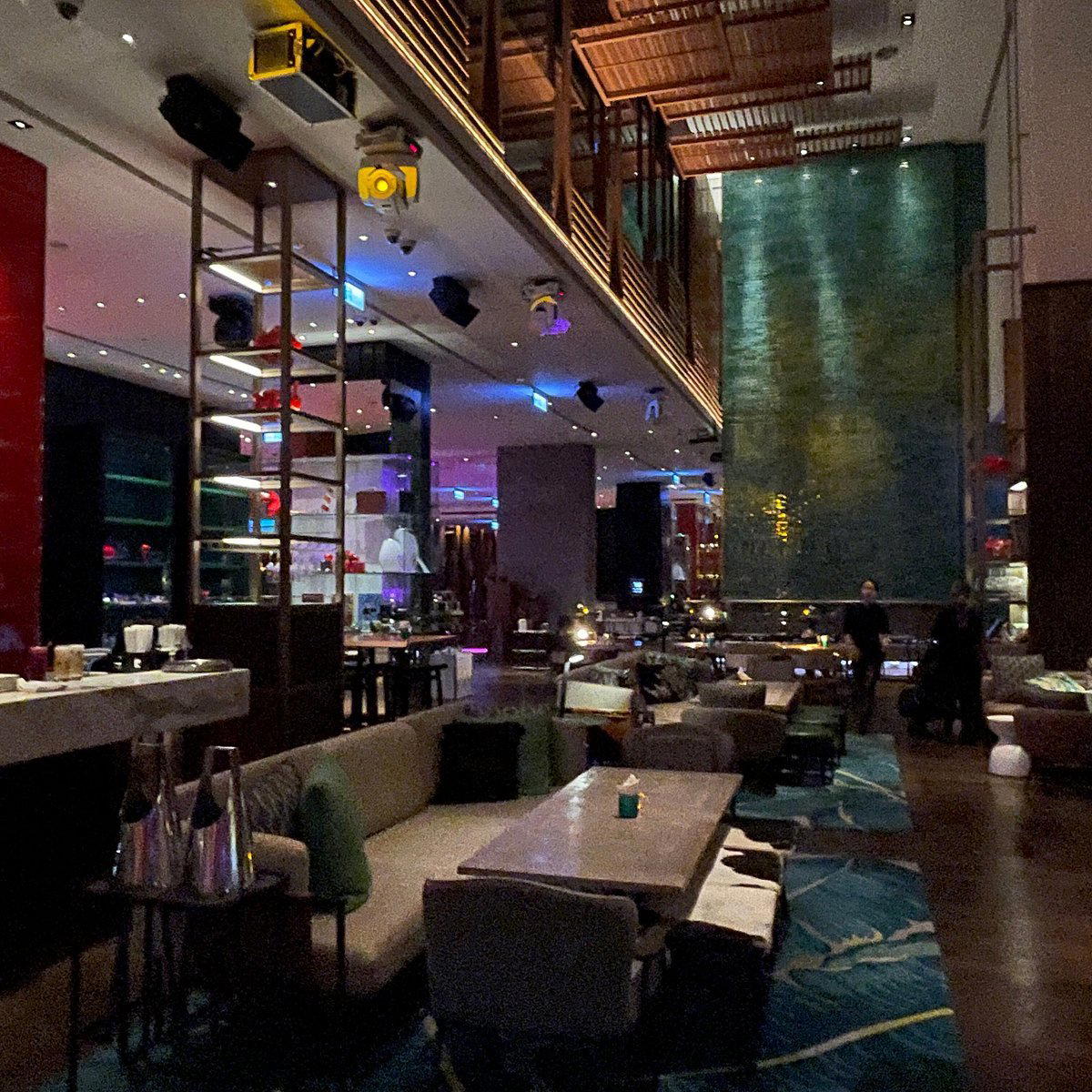
At SABI in Zhubei City, the Wabi-Sabi philosophy shapes both the room and the plate: natural stone, wood, and water elements create a tranquil counter setting where Japanese-influenced cooking meets molecular technique. Creative combinations unfold at the chef's counter in ways that reward the kind of unhurried attention a milestone meal deserves. For Hsinchu County's special-occasion dining, SABI occupies a distinct tier.
Pearl is the En Primeur Club membership app — saves, bookings, and concierge access live there. Same editors, same standards.
- Address
- 92, Chenggong 10th Street, Zhubei City
- Phone
- +886 3 657 8650
- Website
- sabi.com.tw
- Directions
- Get directions
 Saves & bookings on Pearl
Where Imperfection Becomes the Point
There is a particular kind of restaurant that earns its place on the shortlist for significant occasions not through spectacle but through considered restraint. SABI is a modern Japanese creative cuisine restaurant in Zhubei City, with an average spend of about US$80 per person. Across Taiwan's more ambitious dining rooms, from logy in Taipei to JL Studio in Taichung, the format that has proved most durable for milestone meals is the intimate counter, where the act of watching food come together is as deliberate as eating it. SABI, on Chenggong 10th Street in Zhubei City, operates in that tradition. The room draws directly from the Wabi-Sabi philosophy, the Japanese aesthetic that locates beauty in imperfection and transience, and translates it into a physical environment of stone, wood, and water, softly lit to a degree that feels neither theatrical nor merely dim. The effect is a room that asks you to slow down before the first course arrives.
The Occasion Case for Zhubei
Hsinchu County's dining scene is not the first place most visitors or even Taiwanese diners associate with the kind of evening that marks a birthday, an anniversary, or a professional milestone. Taipei pulls that attention by default, and for good reason: the capital holds a concentration of technically accomplished restaurants that few mid-sized cities can match. But the premise of travelling to Taipei for every significant meal overlooks what has been developing quietly in Zhubei. The city's technology-sector growth over the past two decades has produced a resident population with both the spending capacity and the international frame of reference to support restaurants that aim higher than regional comfort food. SABI is evidence of that shift: a counter-format restaurant with an aesthetic program serious enough to be compared with peers outside the county. For Hsinchu County diners looking at the full range of options, from the approachable plates at Ang Gu to the broader casual register at Bebu and Chuan Fu, SABI sits at a different point on the formality and ambition axis.
Japanese Influence Through a Modern Lens
The cooking at SABI acknowledges Japanese culinary culture as its reference point but does not reproduce it straightforwardly. Familiar flavour profiles arrive in unfamiliar forms: textures shift through molecular technique, temperatures and structures confound expectation, and what you anticipate from a given ingredient is reliably not what you receive. This is not novelty for its own sake. The category of restaurants that applies modern technique to a coherent cultural tradition, as seen at places like GEN in Kaohsiung or, in a different register entirely, Akame in Wutai Township, is a mode Taiwan's more ambitious kitchens have adopted with real discipline. At SABI, the Wabi-Sabi philosophy provides the conceptual frame that prevents the technique from feeling gratuitous: impermanence and incompleteness are built into the aesthetic, which means a dish that subverts expectation is not a trick but an expression of the room's core argument.
Counter seating amplifies this. Watching preparations develop in real time is part of the occasion, and the format rewards the kind of unhurried evening that milestone dining calls for. The experience of following a meal's arc from the counter, course by course, is qualitatively different from a conventional table setting, and it is the reason counter-format restaurants have become the default choice for serious occasion dining across East Asia. In Taiwan's own comparable set, that lineage runs through restaurants like Zhu Xin Ju in Tainan, and internationally through institutions like Le Bernardin in New York City, where the counter or chef's table format has long been understood as the premium tier within a premium restaurant.
The Room as Argument
Décor at this level of intent is never decoration. The stone, wood, and water elements at SABI are doing interpretive work: they are the physical expression of the same philosophy that governs the food. Natural materials in states of partial finish, surfaces that show age and grain, the quietude of water used as a design element rather than a spectacle, these are not stylistic choices borrowed from a mood board. They are the Wabi-Sabi argument made spatial. For occasions where the environment needs to match the weight of the moment, this coherence between room and plate matters more than it does on a casual Tuesday. The soft lighting works in the same direction: it removes the sense of being watched, which is what allows a two-hour counter meal to feel genuinely private even in a shared space.
Among Hsinchu County's current restaurant options, which also include the distinct registers of Firoo and Geng Ye Yue Mei, SABI occupies the specific niche of a restaurant where the designed environment and the cooking methodology are genuinely unified. That is rarer than it should be, and it is the detail that makes the case for booking here rather than defaulting to a Taipei address for a significant meal. The journey from central Hsinchu to Zhubei is short, and the county's hospitality options, covered in, have enough range to support a full overnight occasion trip rather than a rushed evening out.
Planning a Visit
SABI is located at 92 Chenggong 10th Street in Zhubei City, Hsinchu County. Given the counter format and the evident intention behind both the room and the food program, securing a booking in advance is advisable, particularly for weekend dates or any occasion with a fixed deadline. Counter restaurants of this type typically operate with limited covers per service, which means availability does not extend far once word spreads. Reservations are essential. For those building a broader itinerary around the visit, maps the wider dining scene, and the county's bars, wineries, and experiences provide enough material for a considered two-day programme.
Cuisine and Credentials
Comparable venues nearby, for context on price, style, and recognition.
| Venue | Cuisine | Price | Awards | Notes |
|---|---|---|---|---|
| SABIThis venue — the venue you are viewing | Modern Japanese Creative Cuisine | $$$ | Michelin Plate | Not listed |
| Chuan Fu | Japanese Yakiniku | $$$ | Michelin Plate | Zhubei City |
| Piccola Enoteca | Modern Italian Trattoria | $$ | Michelin Plate | Zhubei |
| 鮨安 | Taiwanese | Not listed | Not listed | Zhubei City |
| å ºå ShabuShabu ææ©è¾²å ´ | Traditional Shabu Shabu Hot Pot | $$ | Not listed | Zhubei City |
| Shan Guo Tang | Creative Vegetarian Chinese | $$ | Bib Gourmand | Zhubei City |
Recognition history
Dated appearances from independent guides and award organizations, with the underlying list record or original source where available.
Michelin Plate
Michelin
Continue exploring
More in Zhubei City
Restaurants in Zhubei City
Browse all →
Bars in Zhubei City
Browse all →
At a Glance
- Relaxed
- Intimate
- Elegant
- Modern
- Date Night
- Special Occasion
- Chefs Counter
- Open Kitchen
Current opening hours
- Monday
- Closed
- Tuesday
- 6–9:30 PM
- Wednesday
- 6–9:30 PM
- Thursday
- 6–9:30 PM
- Friday
- 12–2 PM, 6–9:30 PM
- Saturday
- 12–2 PM, 6–9:30 PM
- Sunday
- 12–2 PM, 6–9:30 PM
Hours can change for holidays and private events. Last verified .
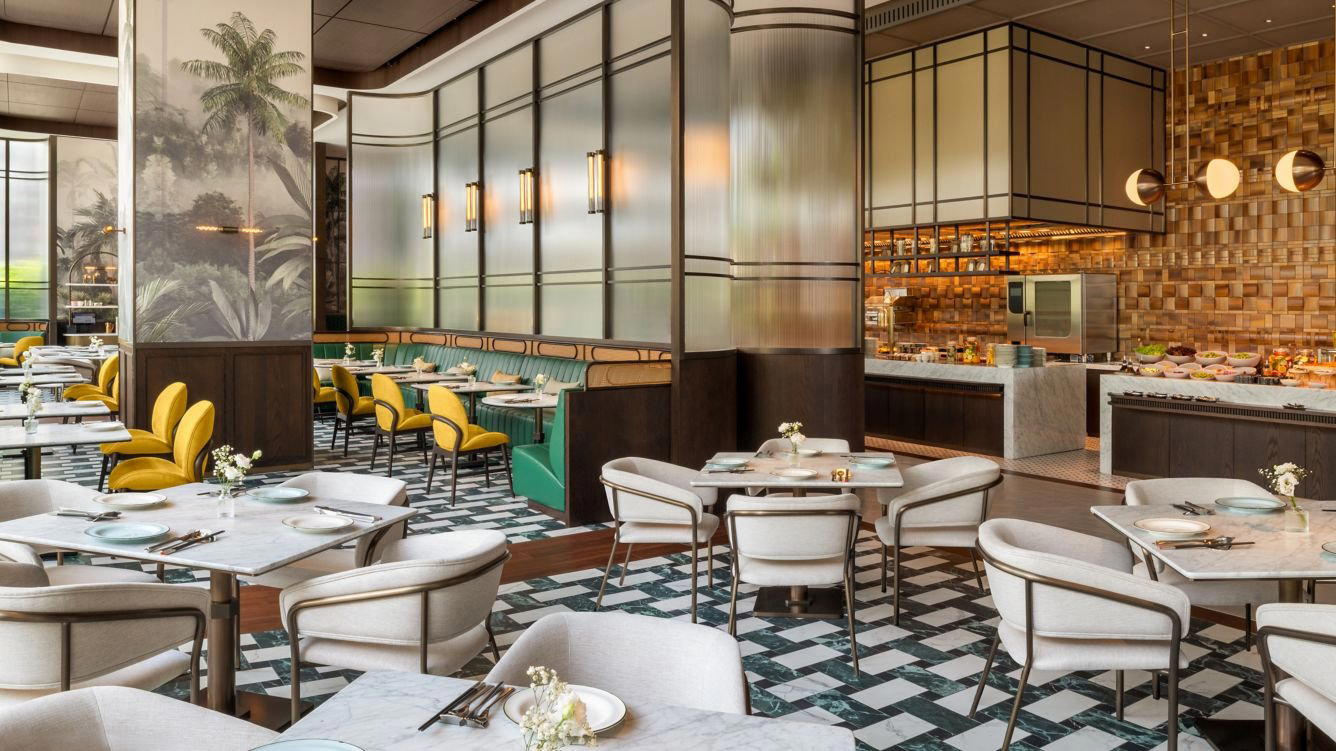
Natural elements like stone, wood, and water softly lit for a tranquil vibe, reflecting Wabi-Sabi beauty in imperfection.