å ºå ShabuShabu ææ©è¾²å ´
庄腳ShabuShabu牧場農場 sits on Guangming 2nd Street in Zhubei City, bringing the communal rhythm of shabu-shabu to a setting that draws on rural Taiwanese agricultural aesthetics. The format centres the hot pot ritual: shared broth, table-side cooking, and a pacing that resists the hurry of fast-casual dining. It occupies a distinct position in Zhubei's growing one-pot dining scene.
Pearl is the En Primeur Club membership app — saves, bookings, and concierge access live there. Same editors, same standards.
- Address
- No. 79號, Guangming 2nd St, Zhubei City, Hsinchu County, Taiwan 302
- Phone
- +88635536182
- Website
- liff.line.me
- Directions
- Get directions
 Saves & bookings on Pearl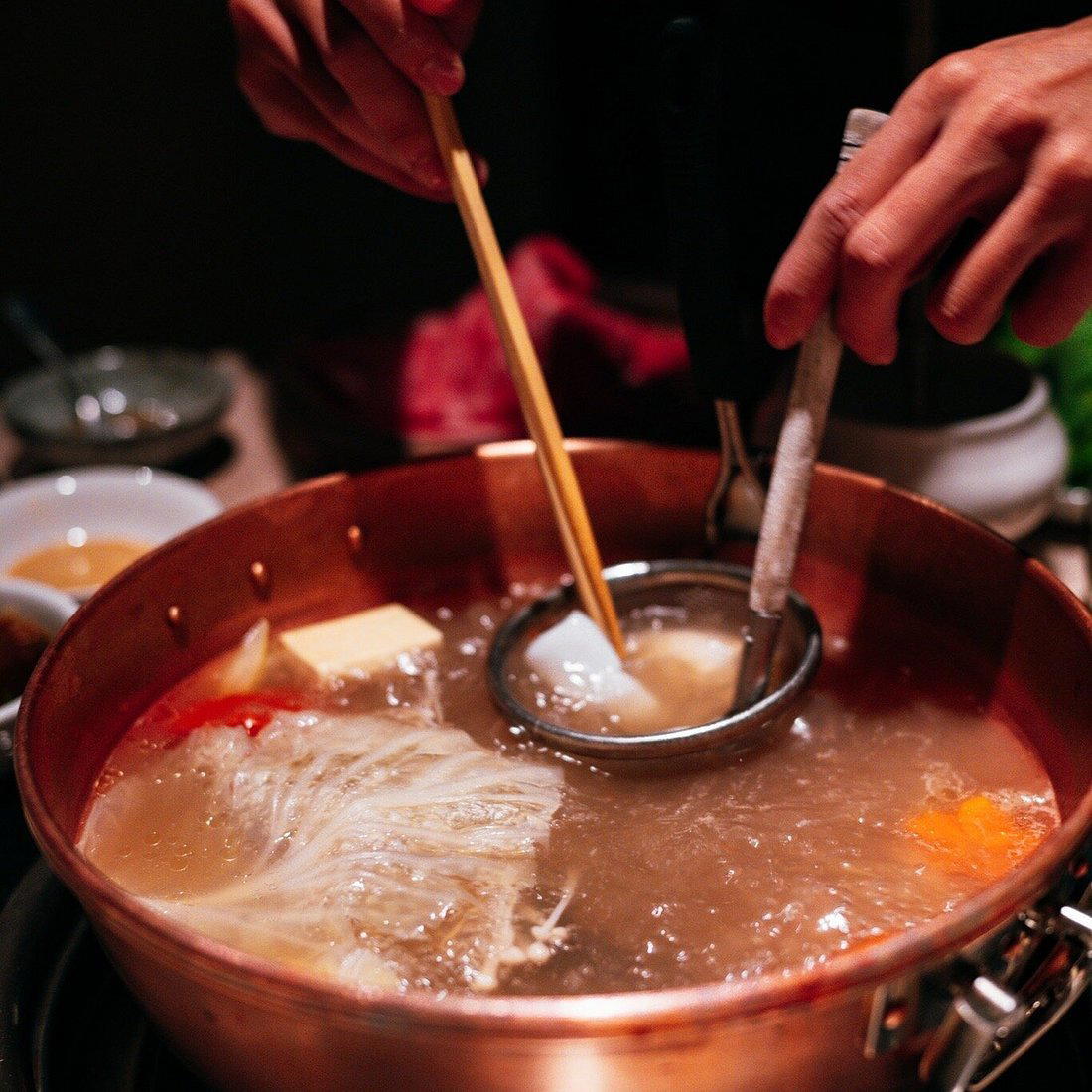
The Ritual Before the Meal
Shabu-shabu arrived in Taiwan via Japan, and in cities like Zhubei it has become something genuinely local. The format demands a particular kind of table attention: you cook, you wait, you eat in stages. There is no moment when a finished dish simply appears. That rhythm, slow and participatory, is what separates shabu-shabu from almost every other restaurant category, and it is what 庄腳ShabuShabu牧場農場, on Guangming 2nd Street in Zhubei City, is built around.
Zhubei's dining scene has expanded considerably alongside the city's growth as a technology and residential hub in Hsinchu County. The Guangming corridor in particular has developed a concentration of sit-down restaurants spanning hot pot formats, steakhouses, and Taiwanese comfort cooking. Within that stretch, the one-pot category holds its own competitive tier, with venues like Leading One Pot Zhubei Guangming Branch, Yen Chiang hotpot, and Volcanic rock drawing from the same pool of residents and Hsinchu Science Park workers looking for a proper sit-down meal rather than a quick counter lunch.
Agricultural Framing in an Urban Setting
The name carries a deliberate signal. 庄腳 (tzuang-kha) is a Taiwanese Hokkien term evoking the countryside and village life, and 牧場農場 translates roughly as ranch and farm. Together they position this as a venue that sources, or at least identifies, with agricultural origins, framing the protein and produce on the table as coming from somewhere specific rather than an anonymous supply chain. This kind of rural-reference branding has become common in Taiwan's casual dining segment, where provenance language does work that formal credentials once did.
In shabu-shabu specifically, the provenance framing matters because the format strips preparation down to broth and timing. There are no sauces built over days or reductions that absorb labor. What arrives at the table is largely what the ingredients are. Broth clarity, meat quality, and vegetable freshness become the whole conversation, which is why venues in this category increasingly lean on farm and ranch language to communicate quality before the food arrives.
How the Meal Moves
The etiquette of shabu-shabu is not complicated, but it is specific. Broth comes first, reaching a simmer before any ingredient enters the pot. Delicate items, typically thinly sliced beef or pork, go in briefly, retrieved within seconds. Heartier vegetables, mushrooms, and tofu follow on longer cycles. Dipping sauces, usually a sesame or ponzu base, are assembled by the diner at the table according to preference. The meal has a clear sequence even without a fixed tasting menu format.
This pacing makes shabu-shabu one of the more social formats in the broader hot pot family. Conversation happens between dips rather than being interrupted by them. The table operates collectively, monitoring the broth level, managing what goes in and when. For groups, this creates a different dynamic than, say, the individual-pot formats common at Taiwanese beef noodle and curry restaurants. At 庄腳ShabuShabu牧場農場, that communal cooking ritual is the organising logic of the room. The address at No. 79, Guangming 2nd Street is practical for both family groups and after-work dining from the Hsinchu County corridor.
Where It Sits in the Zhubei Hot Pot Tier
Zhubei's hot pot category divides broadly into two registers: higher-spend venues that emphasise sourcing transparency and individual broth customisation, and mid-range casual formats built around variety and throughput. The agricultural framing of 庄腳ShabuShabu牧場農場 places it in dialogue with the former group without necessarily committing to the pricing architecture of dedicated premium counters. That middle position, aspirational sourcing language at accessible format, is a common and commercially sensible place to operate in a residential growth city where the customer base spans young tech workers, families, and longer-term Zhubei residents.
For comparison within Zhubei's broader dining fabric, Wang Steak Zhubei Guangming Branch and å·é åççè occupy different format categories entirely, serving the demand for individual plated meals rather than communal pot dining. The hot pot category retains its own logic regardless of what surrounds it on the street.
Taiwan's hot pot scene at the higher end has a clear reference point in Taipei and Taichung, where venues have professionalised the format with seasonal broths, wagyu-grade allocations, and tasting-menu structures. The ambitions at places like JL Studio in Taichung and logy in Taipei sit in an entirely different category, focused on tasting menu progression rather than communal table cooking. Zhubei's hot pot venues, by contrast, draw on the format's social function, which is a different value proposition entirely and one with its own loyal customer base.
Planning a Visit
庄腳ShabuShabu牧場農場 is located at No. 79, Guangming 2nd Street in Zhubei City, Hsinchu County. The Guangming corridor is accessible by car and scooter with street and nearby parking common in this part of the city. The venue recommends reservations and is open daily from 12 to 2 PM and 6 to 9 PM.
Where It Fits
Comparable venues nearby, for context on price, style, and recognition.
| Venue | Cuisine | Price | Awards | Notes |
|---|---|---|---|---|
| å ºå ShabuShabu ææ©è¾²å ´This venue — the venue you are viewing | Traditional Shabu Shabu Hot Pot | $$ | Not listed | Not listed |
| 川阜 和牛燒肉 | Japanese Yakiniku (Wagyu BBQ) | $$$ | Not listed | Zhubei City |
| Yen Chiang hotpot | Taiwanese Hotpot | $$ | Not listed | Zhubei City |
| Piccola Enoteca | Modern Italian Trattoria | $$ | Michelin Plate | Zhubei |
| Top One Pot Zhubei Guangming Branch | Taiwanese Hot Pot | $$ | Not listed | Guangming |
| Li Yueh | Japanese Omakase | $$$$ | Michelin Plate | Zhubei City |
Continue exploring
More in Zhubei City
Restaurants in Zhubei City
Browse all →
Bars in Zhubei City
Browse all →

At a Glance
- Lively
- Casual
- Cozy
- Group Dining
- Casual Hangout
- Family
- Open Kitchen
- Local Sourcing
Current opening hours
- Monday
- 12–2 PM, 6–9 PM
- Tuesday
- 12–2 PM, 6–9 PM
- Wednesday
- 12–2 PM, 6–9 PM
- Thursday
- 12–2 PM, 6–9 PM
- Friday
- 12–2 PM, 6–9 PM
- Saturday
- 12–2 PM, 6–9 PM
- Sunday
- 12–2 PM, 6–9 PM
Hours can change for holidays and private events. Last verified .
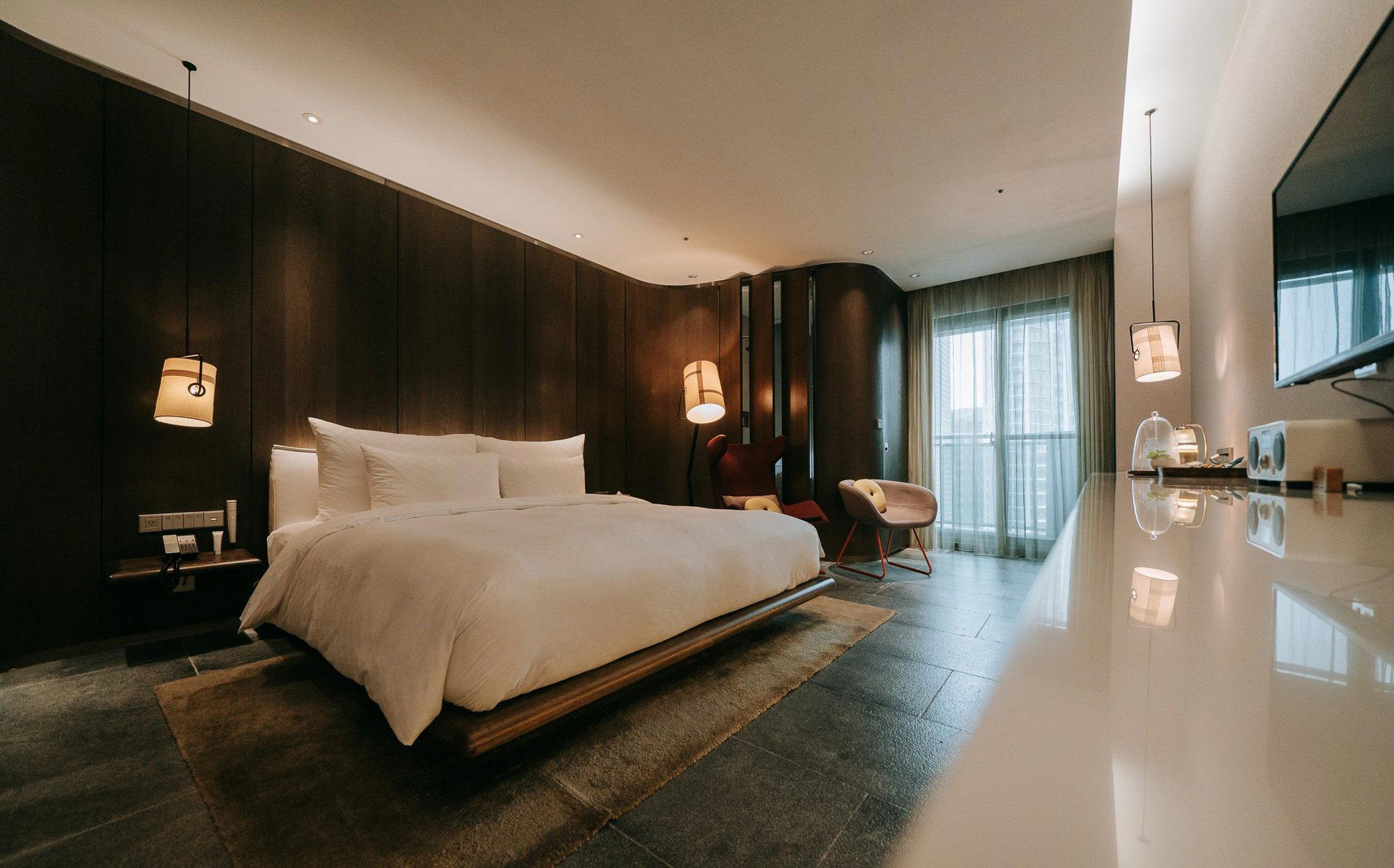
Warm and inviting with casual, energetic atmosphere; bright lighting and open layout encourage social interaction and group dining.