A Flower Blossom on the Rice

Michelin Bib Gourmand
Our verdict
A Flower Blossom on the Rice brings Michelin Bib Gourmand-recognised Korean home cooking to Insadong's gallery-lined streets, where fermentation traditions anchor a menu built on kimchi, doenjang, and the patient rhythms of the living pantry. Under chef Song Jeong Eun, it holds a mid-range price point (₩₩) in a Seoul dining scene where Bib Gourmand recognition at this price tier is increasingly hard to come by.

Pearl is the En Primeur Club membership app, where members save venues, book tables and use the concierge.
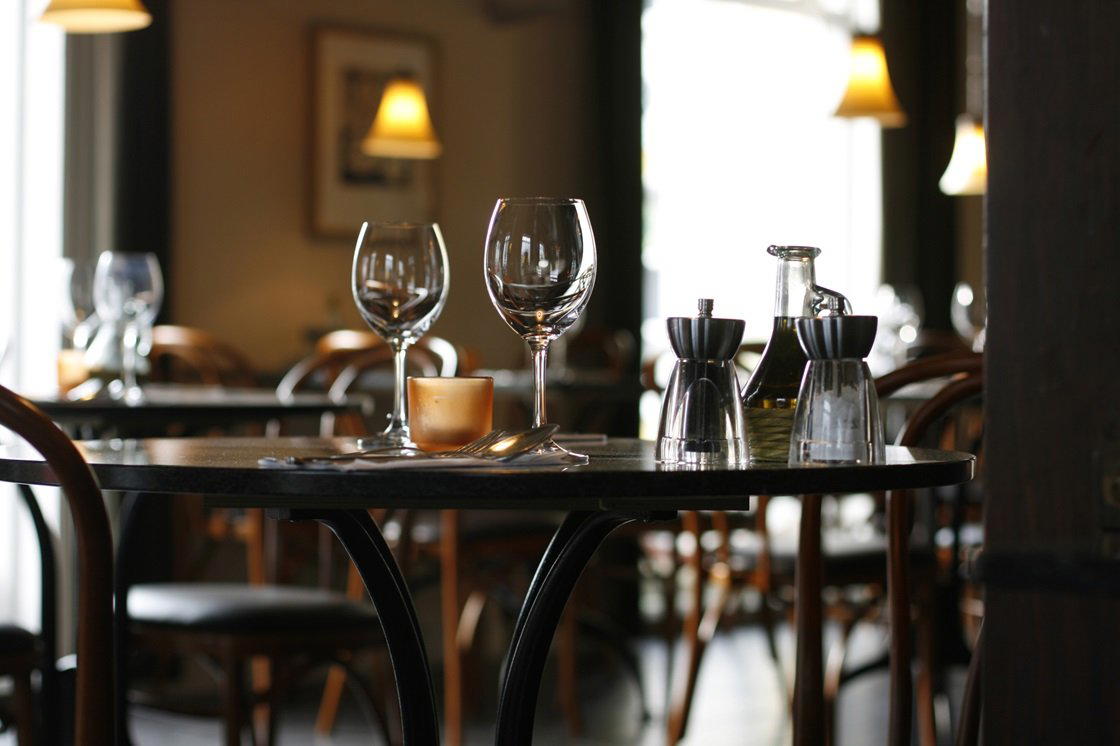
Insadong and the Case for Fermented Foundations
Seoul's dining conversation in recent years has concentrated on the Michelin-starred upper tier: the tasting-menu format, the fine-dining Korean revival led by places like Mingles, Kwonsooksoo, and Onjium. But parallel to that starred cohort, Michelin's Bib Gourmand list has been quietly charting something equally serious: the places where Korean pantry cooking, rooted in fermentation and time, gets done with genuine discipline at a price point most visitors can reach without pre-planning a special occasion. A Flower Blossom on the Rice sits in that second category, on a narrow lane off Insadong's main artery in Jongno District, in a neighbourhood where antique dealers, tea houses, and small galleries have long created a cultural density unusual even for central Seoul.
Insadong itself rewards some understanding before you arrive. The area functions as one of the city's older cultural corridors, drawing a mix of Seoulites seeking traditional crafts and international visitors moving between Gyeongbokgung Palace and the trendier streets of Bukchon. The dining that has taken root here tends to reflect that orientation: less about spectacle, more about continuity with Korean culinary habits that predate the current fine-dining moment. That context matters for reading what A Flower Blossom on the Rice is doing.
The Living Pantry: Fermentation as Kitchen Logic
Korean cuisine's structural backbone is fermented: kimchi in its dozens of regional forms, doenjang (fermented soybean paste) as a base for soups and dipping sauces, gochujang as a slow-heat condiment that took months to develop before it reached the table. These are not garnishes or flavour accents; they are the architecture. At the high-end of Seoul's Korean dining spectrum, places like La Yeon and Gaon treat these ferments as heritage ingredients deserving formal presentation. At A Flower Blossom on the Rice, the same ingredients function in a more domestic register: banchan assembled with attention, broths that carry the depth of properly aged doenjang, rice dishes where the fermentation work happens before the meal is plated rather than at the table.
This is the logic of Korean home cooking taken seriously as a restaurant proposition. The difficulty is that it is harder to commodify than a tasting menu format. A properly fermented kimchi requires weeks or months of development. Doenjang soup built on quality paste has a complexity that is immediately legible to anyone who has grown up eating it, and equally immediate when the paste is young or the ratio wrong. The Bib Gourmand recognition, held consecutively in 2024 and 2025, signals that the inspectors found the fermentation work here credible, which in this category of Korean cooking is the central test.
For international context on how Korean fermentation traditions travel and translate, the menus at bōm in New York City, DOSA in London, and Jeju Noodle Bar in New York City each show how diaspora kitchens adapt these foundations. The source material, at restaurants like this one in Jongno, is a different kind of encounter with the same pantry.
Chef Song Jeong Eun and the Mid-Range Tier
Chef Song Jeong Eun leads the kitchen. In Seoul's Bib Gourmand tier, the recognition pattern is consistent: these are kitchens where a single chef-operator or small team has built regularity and quality without the infrastructure of a larger restaurant group. That is a deliberate positioning, and the Michelin recognition confirms it is being executed at a level the guide considers reference-quality within its category.
Placing This in Seoul's Broader Dining Map
Seoul's fine-dining Korean scene has expanded considerably. At the upper tier, Bicena and the starred operations in Gangnam and central Seoul represent the formal, internationally recognised face of the cuisine. The Kwon Sook Soo in Gangnam-gu format and the temple food traditions documented at Baegyangsa Temple in Jangseong-gun each represent different orientations toward the same fermented pantry. Mori in Busan shows how regional Korean dining outside Seoul is developing its own credible voice.
A Flower Blossom on the Rice does not compete with these operations. It addresses a different reader decision: not where to book a formal Korean tasting menu, but where to eat the kind of rice and ferment-led cooking that Koreans themselves seek out for weekday lunch or an early dinner in a culturally rich part of the city. That is a smaller, more specific value proposition, and one that the back-to-back Bib Gourmand awards confirm is being delivered with consistency.
For anyone building a broader Seoul itinerary beyond restaurants, our full Seoul hotels guide, Seoul bars guide, Seoul experiences guide, and Seoul wineries guide cover the rest of the city's premium options. The full Seoul restaurants guide maps the starred tier alongside Bib Gourmand and neighbourhood specialists across all districts.
Planning a Visit
The restaurant is located at 3-6 Insadong 16-gil in Jongno District, reachable from Anguk or Jongno 3-ga stations on the Seoul Metro. The ₩₩ price range makes it one of the more accessible options in the area for a full meal, particularly relative to the starred operations in other districts.
Frequently asked questions
Does A Flower Blossom on the Rice work for a family meal?
The ₩₩ price range makes it one of the more accessible Michelin-recognised options in Seoul's Jongno District, which broadly suits multi-generational groups. Insadong itself is a neighbourhood with a relaxed, culturally oriented character rather than a high-pressure fine-dining corridor. The consecutive Bib Gourmand awards in 2024 and 2025 signal consistent, honest cooking rather than elaborate tasting-menu formality.
What is the atmosphere like at A Flower Blossom on the Rice?
The address at 3-6 Insadong 16-gil places it in one of Seoul's older cultural corridors, a neighbourhood defined by galleries, tea houses, and traditional craft shops rather than the corporate density of Gangnam. That setting tends to produce a quieter, less performance-driven dining register than the city's tasting-menu circuit. Chef Song Jeong Eun's kitchen, recognised by Michelin's Bib Gourmand in both 2024 and 2025, fits that context: attentive without ceremony.
Is A Flower Blossom on the Rice Michelin-listed?
A Flower Blossom on the Rice has received recognition including: Michelin Bib Gourmand (2025); Michelin Bib Gourmand (2024).
What dish is A Flower Blossom on the Rice famous for?
The Bib Gourmand recognition, awarded consecutively in 2024 and 2025 under chef Song Jeong Eun, points toward a kitchen where fermented staples, kimchi, doenjang-based preparations, form the structural core of the menu rather than any single plated centrepiece. That approach is characteristic of the stronger kitchens in Seoul's mid-tier Korean category.
Cuisine Context
A short peer table to compare basics side-by-side.
| Venue | Cuisine | Price | Awards | Notes |
|---|---|---|---|---|
| A Flower Blossom on the RiceThis venue (the venue you are viewing) | Organic Korean Fine Dining | $30–50 | Michelin Bib Gourmand | Not listed |
| 7th Door | Modern Korean Fermentation Fine Dining | $100–150 | 1 Michelin Star · World's 50 Best #49 | Korean, Contemporary |
| Solbam | Contemporary Neo-Classical Korean | $200–300 | 1 Michelin Star · World's 50 Best #55 | Contemporary |
| Onjium | Modern Korean Royal Court Cuisine | Not listed | 1 Michelin Star · World's 50 Best #14 | Korean |
| L'Amitié | Classic French Fine Dining | $100–150 | 1 Michelin Star · La Liste Top Restaurants | French |
| Zero Complex | Modern French Neo-Bistro | $100–150 | 1 Michelin Star · La Liste Top Restaurants | Korean-French, Innovative |
Recognition history
Dated appearances from independent guides and award organizations, with the underlying list record or original source where available.
Michelin Bib Gourmand
Michelin
Full recognition history (2 entries)
Michelin Bib Gourmand
Michelin
Continue exploring
More in Seoul
Restaurants in Seoul
All restaurants in Seoul →
Bars in Seoul
All bars in Seoul →

Details
- Rustic
- Cozy
- Elegant
- Intimate
- Special Occasion
- Date Night
- Open Kitchen
- Sake Program
- Organic
- Local Sourcing
- Farm To Table
- Tasting Menu
- A La Carte
- Set Menu
- Vegetarian Friendly
- Vegan Options
Current opening hours
- Monday
- Closed
- Tuesday
- Closed
- Wednesday
- Closed
- Thursday
- Closed
- Friday
- Closed
- Saturday
- Closed
- Sunday
- 11:30 AM–3 PM, 5:30–9 PM
Hours can change for holidays and private events. Hours as of .
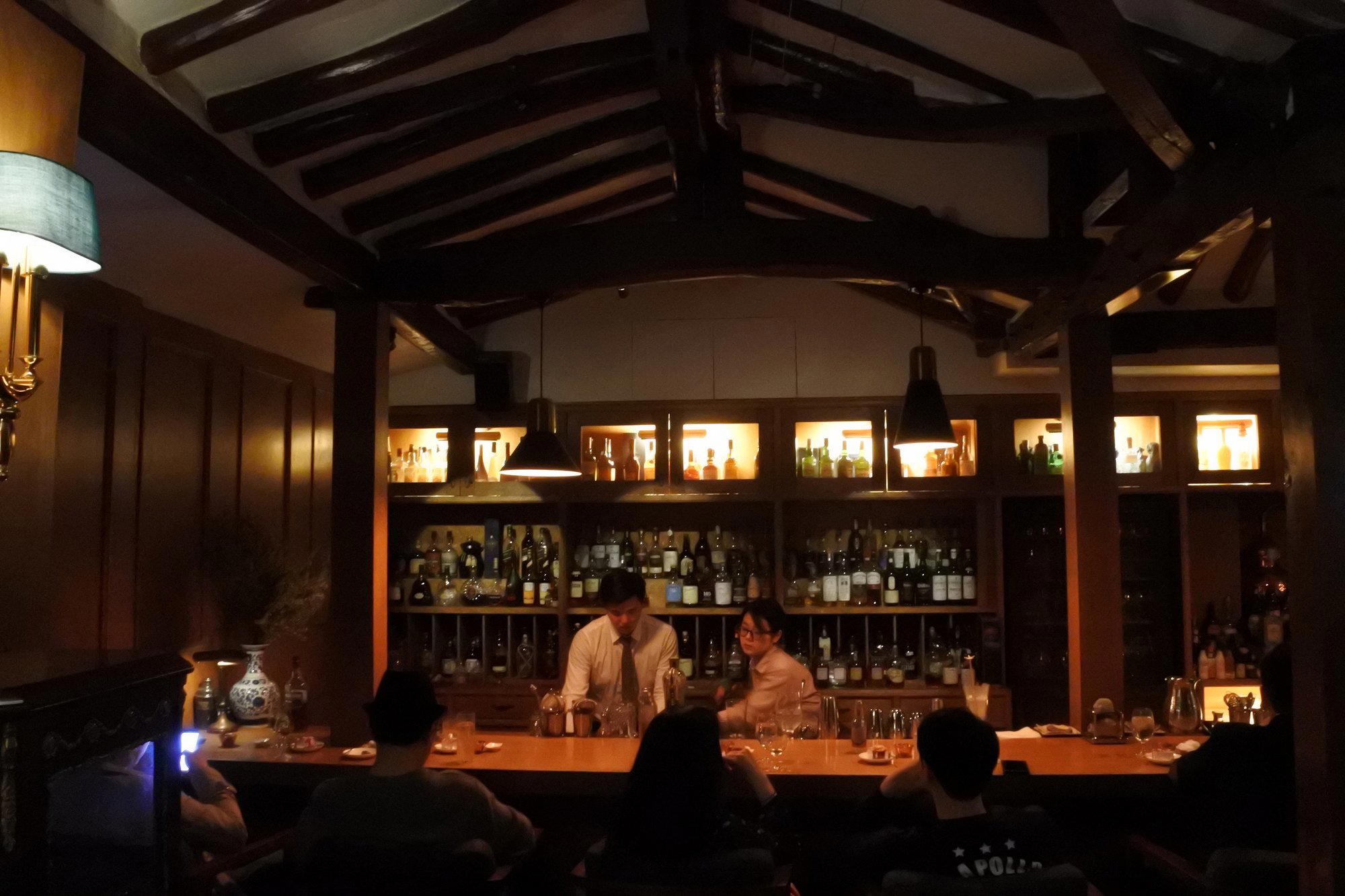
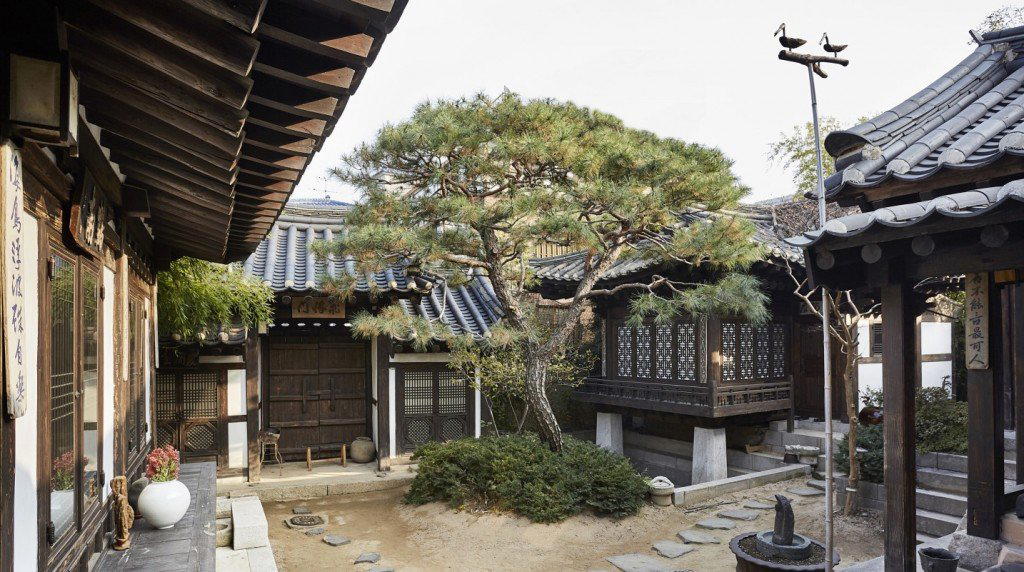
Rustic modernized traditional hanok-style interior with mellow, comfortable atmosphere and beautiful, thoughtful dish presentations.