Le Mont Liban sits at the Tiergarten S-Bahn station on Straße des 17. Juni, placing Lebanese cuisine in one of Berlin's most trafficked cultural corridors. The address alone signals something about how Middle Eastern cooking has carved a durable presence in the German capital, far from the kebab-and-falafel shorthand that once defined the category in European cities.
Pearl is the En Primeur Club membership app — saves, bookings, and concierge access live there. Same editors, same standards.
- Address
- am S-bahnhof Tiergarten, Str. des 17. Juni 131, 10623 Berlin, Germany
- Phone
- +493051654293
- Website
- lemontliban.de
- Directions
- Get directions
 Saves & bookings on Pearl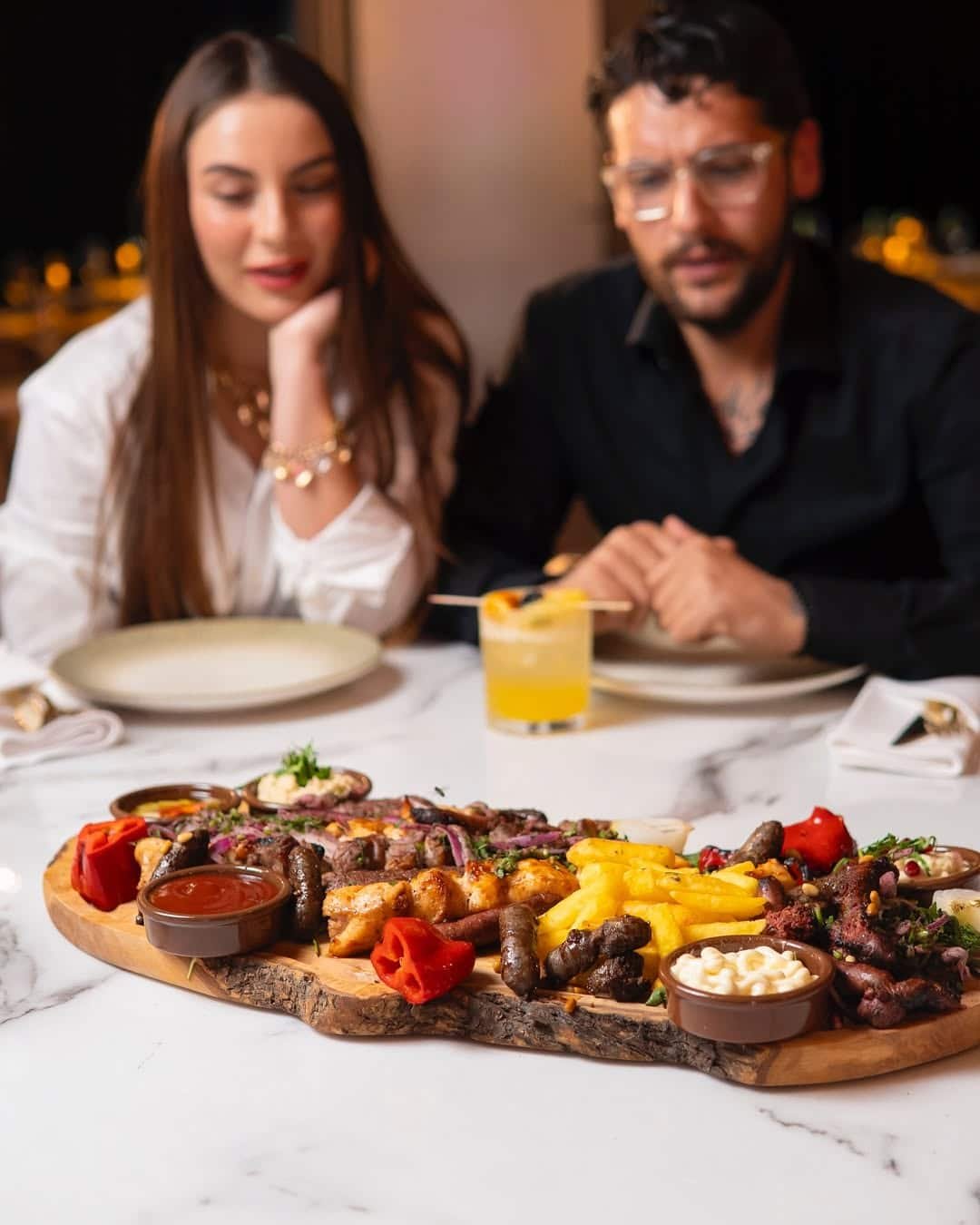
Where Tiergarten Meets the Levant
The stretch of Straße des 17. Juni that runs toward the Tiergarten S-Bahn station is one of Berlin's more charged addresses: flanked by the Siegessäule to the west and the Brandenburg Gate to the east, it carries a weight that most restaurant streets do not. Le Mont Liban is a Lebanese restaurant at am S-bahnhof Tiergarten, Str. des 17. That friction, between the Levant and Prussian Berlin, is more than geographic coincidence. It speaks to a broader pattern in how Middle Eastern cuisines have embedded themselves into European capitals not at the margins but, increasingly, at the centre.
Lebanese Cooking in the German Capital
Berlin's relationship with Lebanese food runs deeper than most European cities. A sustained wave of immigration beginning in the 1970s and accelerating through successive displacement crises built a community large enough to support a food culture with genuine internal diversity, not just restaurants pitched at curious locals, but places cooking for people who grew up eating this food. That dual audience has historically kept quality honest. Restaurants unable to satisfy both constituencies tend not to last.
Across Berlin, Lebanese dining has split into at least three distinct tiers. There are the fast-casual spots concentrated in Neukölln and Wedding, running on mezze platters and charcoal-grilled meats at prices that sit well below the city's midrange. There is a middle tier of sit-down restaurants in Charlottenburg and Mitte where the kitchen works with a wider larder, pomegranate molasses, sumac, dried limes, house-fermented pickles, and the service model reflects a longer evening rather than a quick meal. And there is a small top tier where Lebanese cooking is treated with the same seriousness of sourcing and technique that Berlin's better European restaurants apply to their own traditions. Understanding which tier a given restaurant occupies matters more than any individual dish description.
Le Mont Liban, positioned at a Tiergarten address that places it within the Charlottenburg-Mitte corridor, draws on a neighbourhood whose dining character has long skewed toward the international and the slightly more formal. The area hosts guests coming from the Tiergarten park, from the conference infrastructure of the nearby government quarter, and from the hotel density of the western Mitte edge. That audience shapes expectations in a restaurant: people arriving from the Tiergarten S-Bahn station are often combining dinner with broader city plans, which means the kitchen needs to be reliable across a range of occasions rather than optimised for a single format.
The Cultural Architecture of a Lebanese Menu
Lebanese cuisine is one of the Levant's most structurally complex traditions, and understanding its architecture helps calibrate what to order and how to eat. The mezze format, in which a table accumulates small plates rather than moving through discrete courses, is not simply a way of sharing food. It reflects a hospitality logic in which abundance and variety are the signals of welcome. A table that runs to a dozen mezze is not excessive; it is functioning as intended.
Cold mezze typically anchor the opening of a Lebanese meal: hummus, moutabal (the smoked aubergine preparation that differs meaningfully from the Greek-inflected versions common in Western Europe), fattoush dressed with sumac and pomegranate, kibbeh nayeh for tables comfortable with raw lamb. These are not appetisers in the European sense, they do not step aside for a main. They remain on the table, and the hot mezze and grilled proteins arrive alongside them rather than replacing them. Ordering sequentially, the way a European tasting menu trains you to eat, misses how the cuisine is structured.
Grilled meats represent the other pillar: kafta, shish taouk marinated in garlic and lemon, whole fish from the charcoal. In Lebanon's mountain towns, and Le Mont Liban's name points directly at that geography, the Mount Lebanon range that runs along the country's spine, lamb-based preparations have historically dominated over fish, which reflects altitude and distance from the coast. A restaurant named for the mountain region is signalling something about which tradition it draws from, even if the full menu reads across the country's geographic range.
Berlin's better Lebanese kitchens have been quietly sophisticated about sourcing for years, working with Turkish and Arabic wholesale suppliers who can source dried limes, quality pomegranate concentrate, and the specific wheat grades that kibbeh requires. That supply chain, largely invisible to the diner, is one reason that the gap between a careful Berlin Lebanese kitchen and a mediocre one shows up in texture and depth rather than in the obvious markers of ingredient quality.
Planning Your Visit
The Tiergarten S-Bahn station provides direct access from the city centre and Zoo station, making Le Mont Liban reachable without a taxi from most of central Berlin. The address on Straße des 17. Juni places it within walking distance of the park itself, which makes it a plausible option before or after an evening in the Tiergarten. The restaurant is recommended for reservations and is open daily from 3 PM to 12 AM.
Berlin's fine dining circuit at the leading end is dominated by European-tradition kitchens: Rutz, Nobelhart & Schmutzig, FACIL, CODA Dessert Dining, and Restaurant Tim Raue define the upper tier in terms of awards and critical attention. Lebanese cooking occupies a different position in that ecosystem: it is not competing for the same recognition infrastructure, but it is serving a city that has become genuinely sophisticated about Middle Eastern food over the past two decades. That sophistication is a more demanding audience than it might appear. For the broader Germany picture, restaurants like Aqua in Wolfsburg, JAN in Munich, Schwarzwaldstube in Baiersbronn, Vendôme in Bergisch Gladbach, ES:SENZ in Grassau, Victor's Fine Dining by Christian Bau in Perl, Waldhotel Sonnora in Dreis, Restaurant Haerlin in Hamburg, Schanz in Piesport, and Bagatelle in Trier represent the European fine dining benchmark against which all other serious German restaurant experiences are measured. Internationally, Le Bernardin in New York City and Atomix in New York City illustrate how immigrant-rooted culinary traditions achieve critical elevation in their adopted cities, a trajectory that Lebanese cooking in Europe is, slowly, beginning to follow.
Cost and Credentials
Comparable venues nearby, for context on price, style, and recognition.
| Venue | Cuisine | Price | Notes |
|---|---|---|---|
| Le Mont LibanThis venue — the venue you are viewing | Charlottenburg, Lebanese | $$ | Not listed |
| Saint Farah | Scheunenviertel, Modern Levantine | $$ | Not listed |
| Al Rabuah | Not listed | $$ | Gesundbrunnen, Authentic Middle Eastern Grill |
| NENI Berlin | Not listed | $$ | Tiergarten, Middle Eastern Fusion with Mediterranean & Austrian Influences |
| Salsabil 2. | Prenzlauer Berg, Lebanese | $ | Not listed |
| Dicke Wirtin | Not listed | $$ | Charlottenburg, Traditional Alt-Berliner Cuisine |
Continue exploring
More in Berlin
Restaurants in Berlin
Browse all →
Bars in Berlin
Browse all →
Hotels in Berlin
Browse all →

At a Glance
- Lively
- Scenic
- Energetic
- Group Dining
- Casual Hangout
- Family
- Terrace
- Garden
- Local Sourcing
- Garden
- Street Scene
Current opening hours
- Monday
- 3 PM–12 AM
- Tuesday
- 3 PM–12 AM
- Wednesday
- 3 PM–12 AM
- Thursday
- 3 PM–12 AM
- Friday
- 3 PM–12 AM
- Saturday
- 3 PM–12 AM
- Sunday
- 3 PM–12 AM
Hours can change for holidays and private events. Last verified .
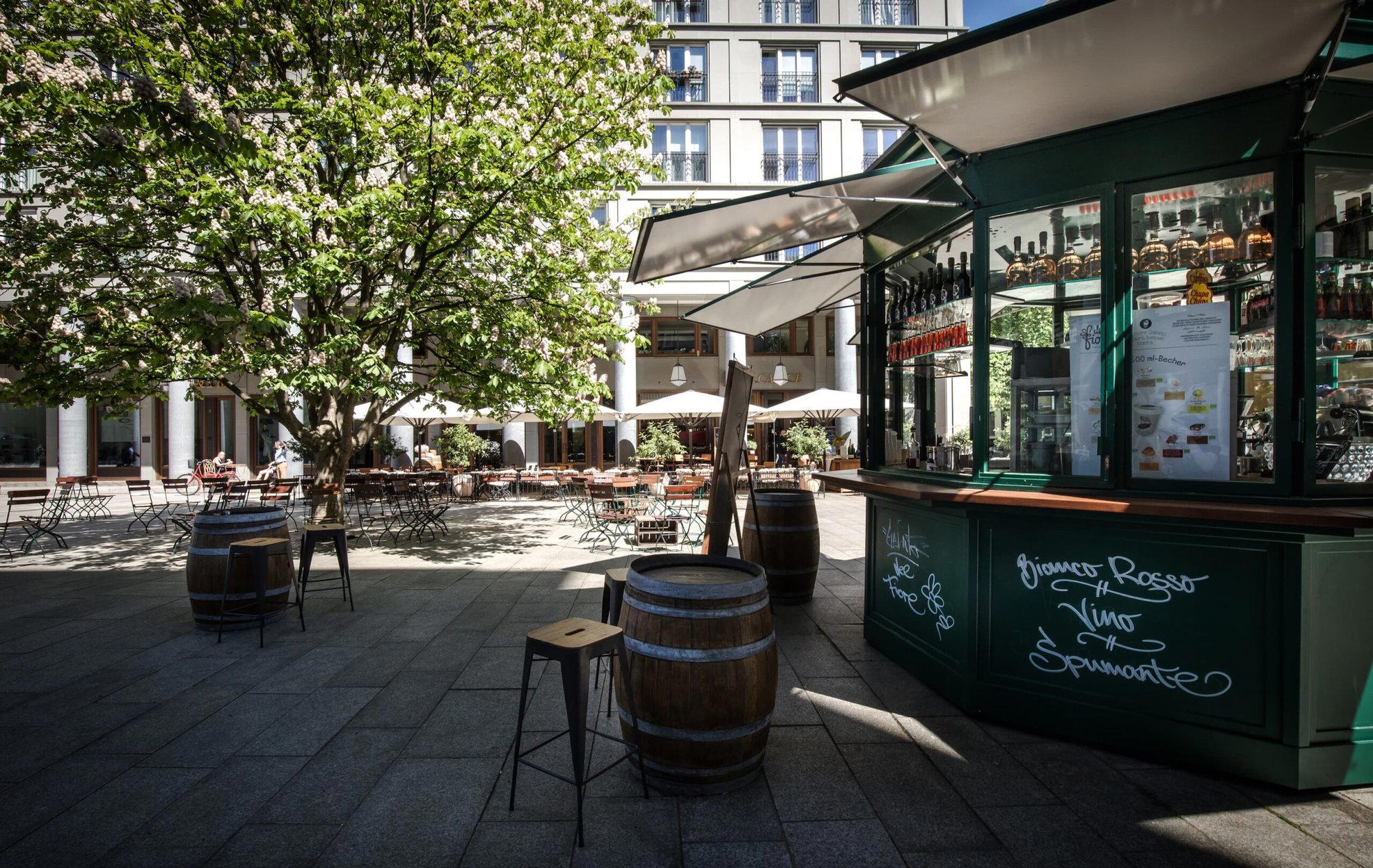
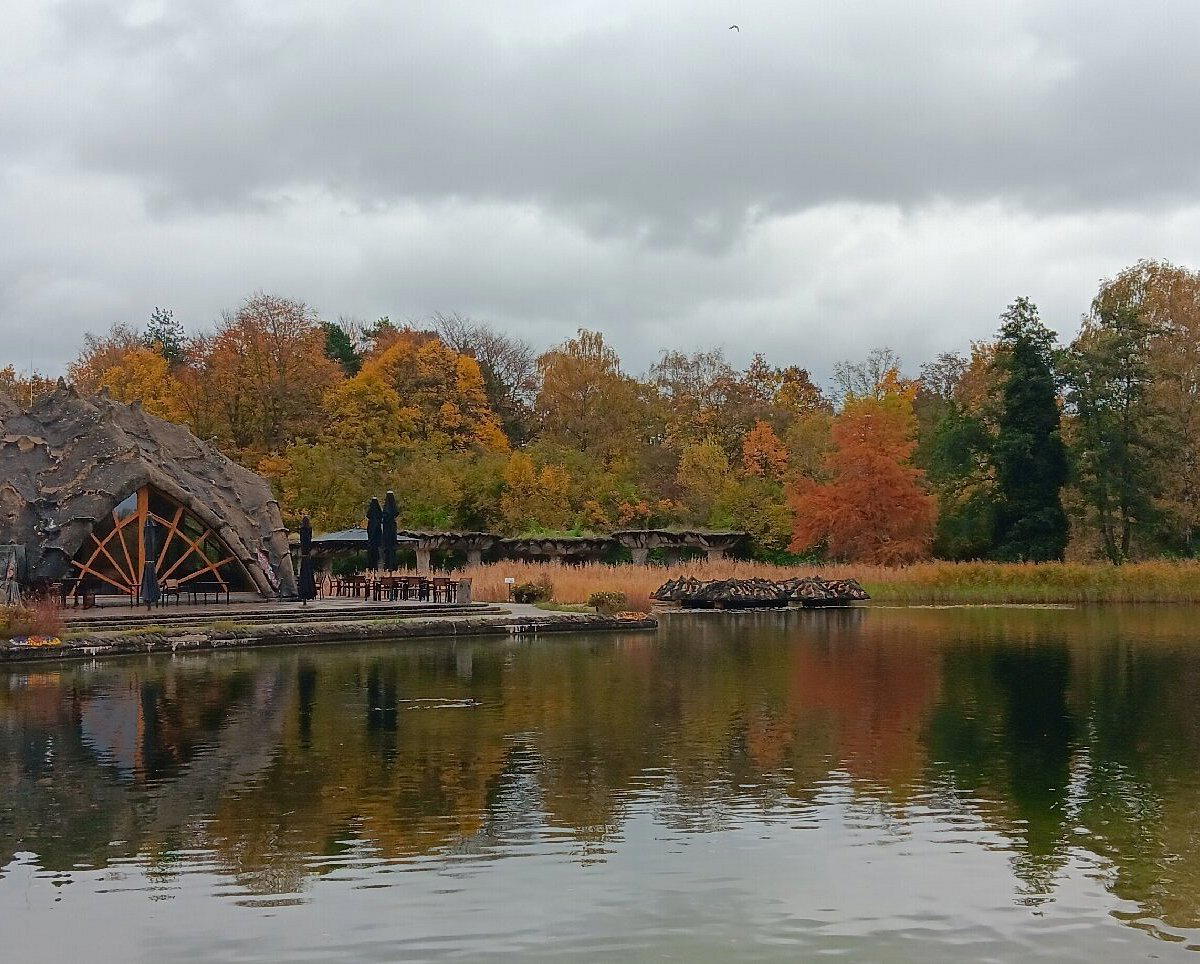
Modern and welcoming atmosphere with energetic vibes, featuring outdoor seating immersed in natural surroundings with contemporary urban styling.