NENI Berlin occupies a commanding position on Budapester Strasse, bringing the Eastern Mediterranean cooking tradition that defines the NENI group to one of the city's most architecturally charged addresses. The menu draws from Middle Eastern, Israeli, and North African pantries, structured around shared plates designed for the table rather than the individual. It sits in a different register from Berlin's Michelin-heavy fine dining circuit, operating closer to the convivial, abundance-led format that has reshaped mid-market dining across European capitals.
Pearl is the En Primeur Club membership app — saves, bookings, and concierge access live there. Same editors, same standards.
- Address
- Budapester Str. 40, 10787 Berlin, Germany
- Phone
- +4930120221201
- Website
- nenifood.com
- Directions
- Get directions
 Saves & bookings on Pearl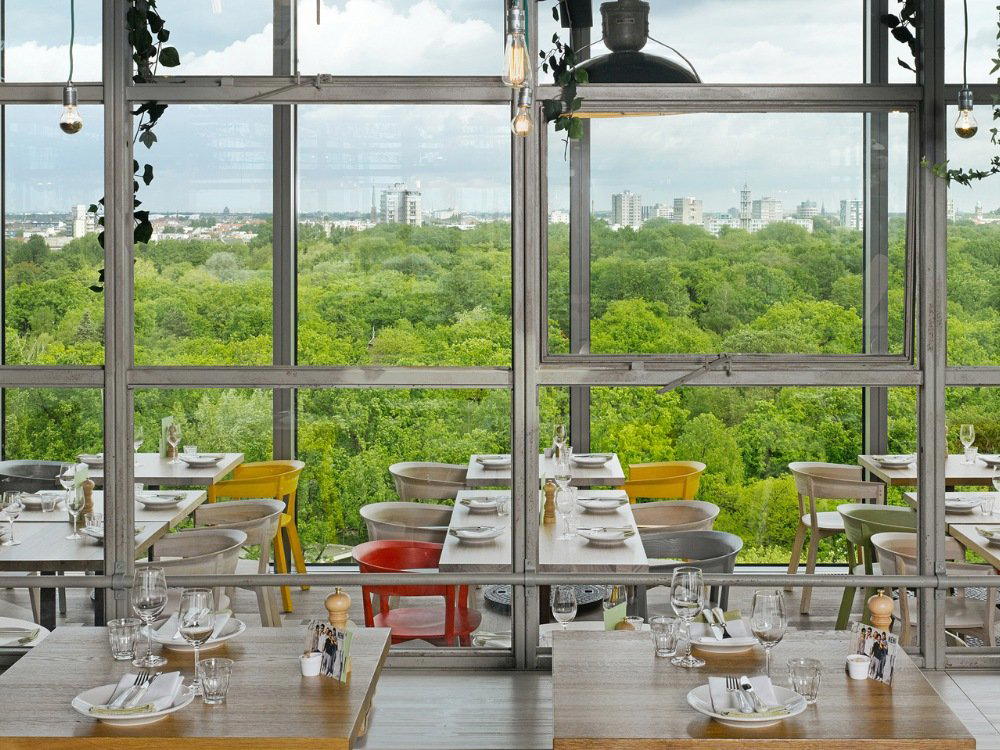
Where the Menu Does the Talking
NENI Berlin is a restaurant on Budapester Str. 40 in Berlin, serving Middle Eastern Fusion with Mediterranean and Austrian influences. The address puts guests at a remove from the more self-consciously cool pockets of Mitte or Prenzlauer Berg, yet that distance works in its favour: there is less pressure to perform novelty, and the cooking can focus on something more durable. The Eastern Mediterranean shared-plate format has earned genuine traction in European cities over the past decade, moving from niche positioning to a recognisable category with its own grammar of dishes, textures, and hospitality rhythms. NENI Berlin sits inside that shift, operating as part of an established group rather than a standalone venture, which tends to produce a different kind of menu confidence: less experimental, more drilled.
The Architecture of the Menu
The shared-plate format is not simply a service style; it is an editorial position. A menu built around dishes designed for the centre of the table makes an implicit argument about proportion, sequencing, and the social contract of a meal. In the Eastern Mediterranean tradition that NENI draws from, pulling from Israeli, Lebanese, North African, and broader Levantine pantries, this structure is not borrowed from trends but inherited from the source cuisines themselves. The meze logic, where no single dish anchors the meal and abundance is expressed through variety rather than volume per plate, has a long precedent in the region.
What distinguishes better executions of this format from lesser ones is the internal coherence of the menu: whether the dishes speak to each other across the spread, whether the kitchen has genuine command of the spice architecture (sumac, za'atar, harissa, preserved lemon, pomegranate molasses), and whether the cold and warm plates are sequenced to give the table a through-line. A menu that simply aggregates Levantine-adjacent dishes without that internal logic can feel disjointed; one that curates with precision delivers something closer to a composed meal in spite of its apparent informality.
NENI Berlin applies that discipline with a dependable menu and a casual, recommended-reservation setting. For Berlin diners accustomed to the high-stakes individuality of the city's Michelin-recognised kitchens, Restaurant Tim Raue, Rutz, Nobelhart & Schmutzig, FACIL, NENI represents a different kind of ambition, one measured in repeatability and accessibility rather than singular culinary vision.
Berlin's Mid-Market Dining and Where NENI Fits
Berlin's dining scene has always had an unusual relationship with price. The city's historically low rents supported a culture of affordable, creative eating that resisted the premium tiers that define dining in London, Paris, or Zurich. That has changed incrementally over the past decade as costs have risen across the board, yet the psychological contract between the city and its diners, an expectation of value, of generosity, of a certain anti-pretension, persists. It creates a particular challenge for restaurants occupying the middle ground: too expensive to compete on the Berlin value expectation, not rarefied enough to justify fine-dining pricing.
The shared-plate Eastern Mediterranean model has navigated this gap more successfully than most. Ordering several dishes for the table produces a meal that feels abundant without the per-plate sticker shock of a conventional three-course format. It also allows groups with different appetites or dietary approaches to eat together without the awkwardness of individual menus. In a city with a substantial vegetarian and vegan population, a menu built around vegetables, pulses, and spiced preparations carries practical advantages beyond any ideological position.
For a broader map of where Berlin's dining is moving, including the Michelin-starred tier that sits well above NENI's register, see our full Berlin restaurants guide. Those looking for the creative dessert-focused end of Berlin's contemporary cooking will find CODA Dessert Dining occupying a category entirely its own. Germany's wider high-end dining circuit, from Aqua in Wolfsburg and JAN in Munich to Schwarzwaldstube in Baiersbronn and Vendôme in Bergisch Gladbach, operates at a different altitude entirely, as do ES:SENZ in Grassau, Victor's Fine Dining by Christian Bau in Perl, Waldhotel Sonnora in Dreis, Restaurant Haerlin in Hamburg, Schanz in Piesport, and Bagatelle in Trier. For international reference points, Le Bernardin in New York City and Atomix in New York City represent what commitment to a singular culinary identity looks like at the highest tier.
The Atmospheric Logic of the Space
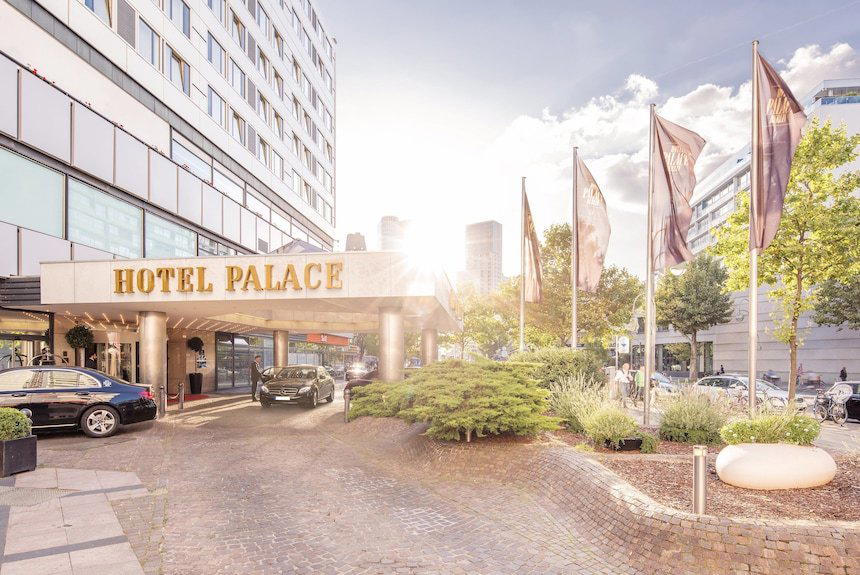
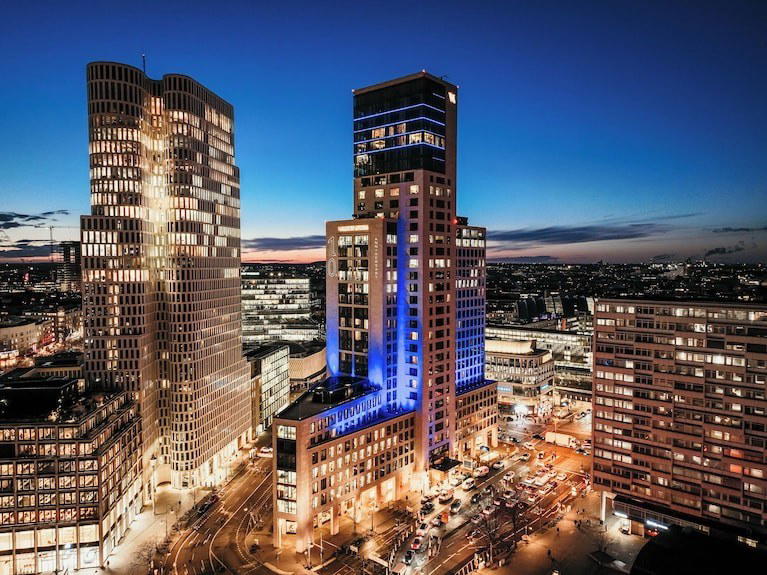
Hotel-adjacent dining in Berlin has a mixed record. The format often defaults to safety: broad menus designed to avoid offending any guest, interiors that feel anonymous, service calibrated to efficiency over engagement. NENI's group identity cuts against that tendency. The approach across its properties has tended toward warmth over formality, toward spaces that encourage lingering over turnover. The Budapester Strasse address, with its position near the Tiergarten and the architectural scale of the surrounding buildings, gives the space a particular character: there is a grandeur to the setting that the format of the meal, casual, communal, abundant, works pleasantly against.
The scale of the setting and the casual shared-plate service create a brisk, sociable pace. Guests expecting the ceremony of a traditional hotel restaurant encounter instead the rhythm of a table covered in small plates, a meal that spreads and contracts according to the group's pace rather than a predetermined sequence.
Know Before You Go
- Address: Budapester Str. 40, 10787 Berlin, Germany
- Format: Eastern Mediterranean shared plates; suitable for groups of varying sizes and dietary preferences
- Setting: Hotel-adjacent, Tiergarten-adjacent, Budapester Strasse corridor
- Booking: Check the venue directly for current availability and reservation policy
- Getting There: Zoologischer Garten S-Bahn and U-Bahn station is within walking distance of the address
Peers in This Market
Comparable venues nearby, for context on price, style, and recognition.
| Venue | Cuisine | Price | Notes |
|---|---|---|---|
| NENI BerlinThis venue — the venue you are viewing | Middle Eastern Fusion with Mediterranean & Austrian Influences | $$ | Not listed |
| Al Rabuah | Authentic Middle Eastern Grill | $$ | Gesundbrunnen |
| Malakeh | Authentic Syrian | $$ | Schoneberg |
| 963 | Modern Levantine | $$ | Charlottenburg |
| Saint Farah | Modern Levantine | $$ | Scheunenviertel |
| Sama Beirut | Authentic Lebanese Street Food | $$ | Kreuzberg |
Continue exploring
More in Berlin
Restaurants in Berlin
Browse all →
Bars in Berlin
Browse all →
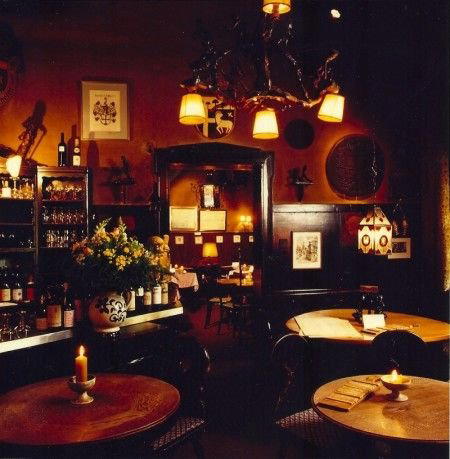
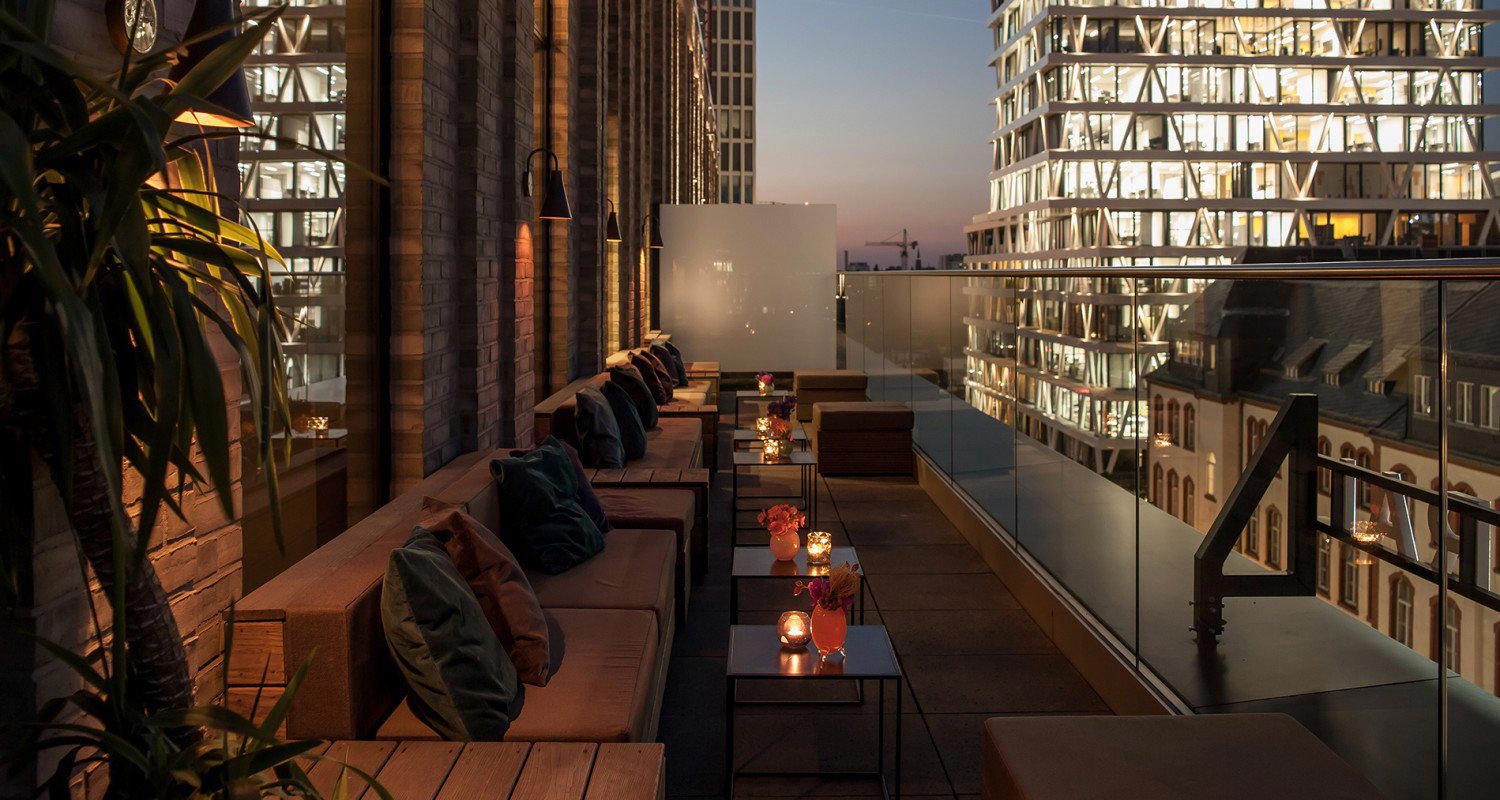
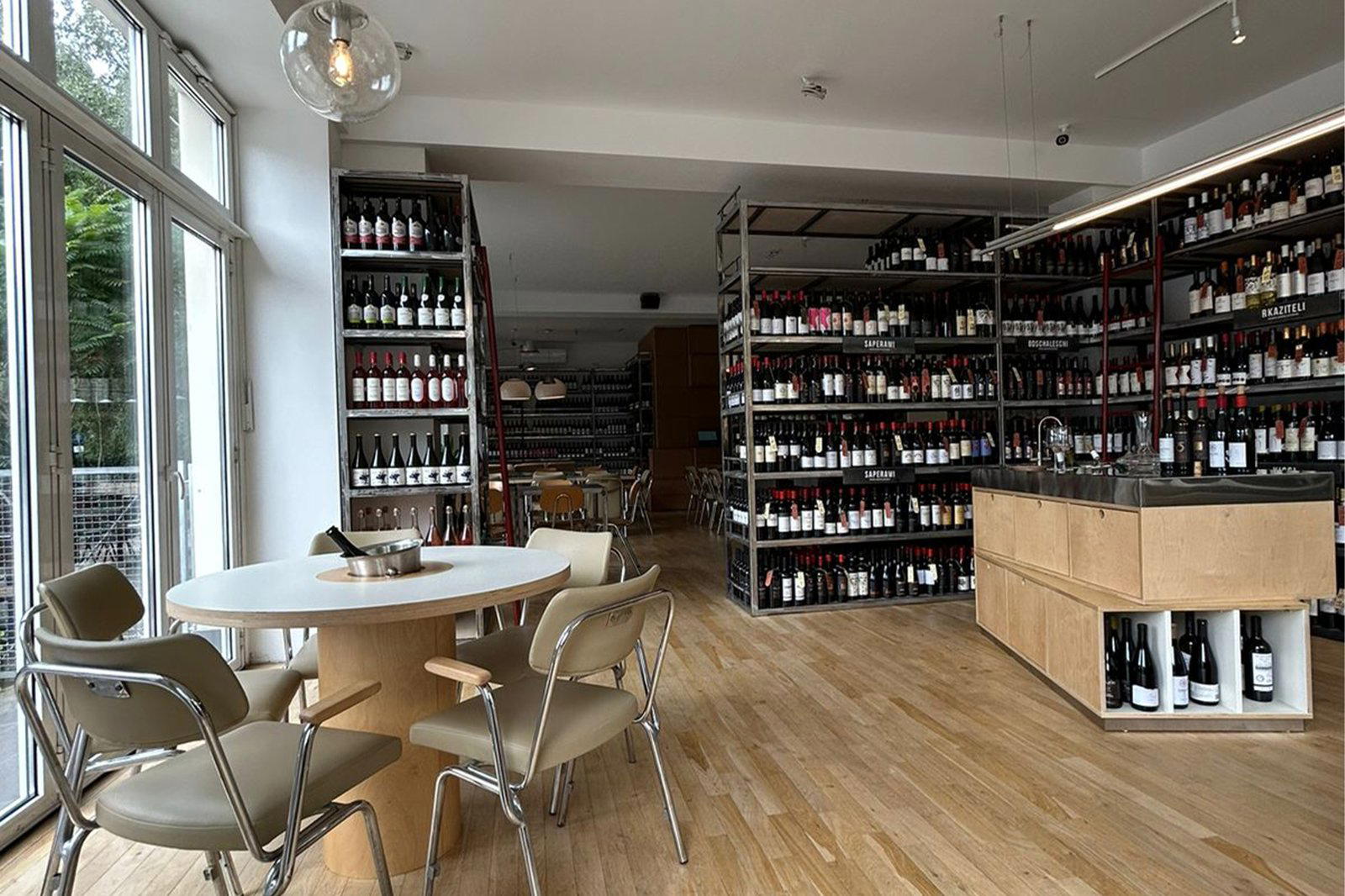
Hotels in Berlin
Browse all →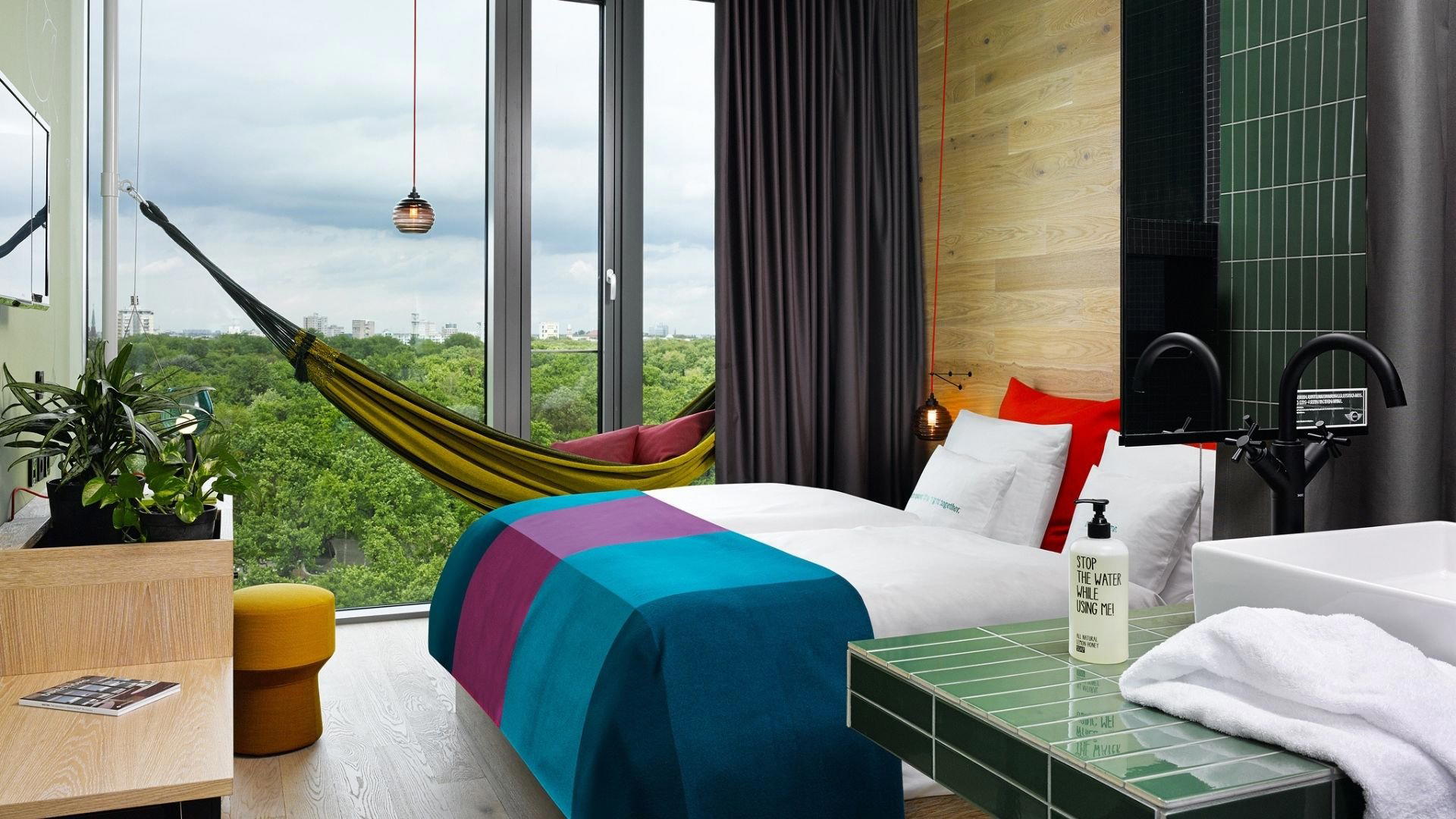


At a Glance
- Lively
- Trendy
- Modern
- Group Dining
- Casual Hangout
- Brunch
- Rooftop
- Open Kitchen
- Hotel Restaurant
- Panoramic View
- Extensive Wine List
- Skyline
- Street Scene
Current opening hours
- Monday
- 6:30–10:30 AM, 12 PM–12 AM
- Tuesday
- 6:30–10:30 AM, 12 PM–12 AM
- Wednesday
- 6:30–10:30 AM, 12 PM–12 AM
- Thursday
- 6:30–10:30 AM, 4 PM–12 AM
- Friday
- 6:30–10:30 AM, 12 PM–12 AM
- Saturday
- 7–11:30 AM, 12:30 PM–12 AM
- Sunday
- 7–11:30 AM, 12:30 PM–12 AM
Hours can change for holidays and private events. Last verified .
Lively and magical with cascading plants, greenhouse structure, floor-to-ceiling windows, and lively rooftop energy.