Al Rabuah occupies a quietly compelling position on Osloer Strasse in Berlin's Wedding district, a neighbourhood where the city's dining map is still being written. Against Berlin's upper tier of Michelin-decorated rooms, it operates at a different register, less ceremony, more direct engagement with the table. For visitors tracking the city's broader restaurant scene, it represents a strand of Berlin dining that the headline venues don't fully account for.
Pearl is the En Primeur Club membership app — saves, bookings, and concierge access live there. Same editors, same standards.
- Address
- Osloer Str. 18-19, 13359 Berlin, Germany
- Phone
- +4915730010008
- Website
- zarad.menu
- Directions
- Get directions
 Saves & bookings on Pearl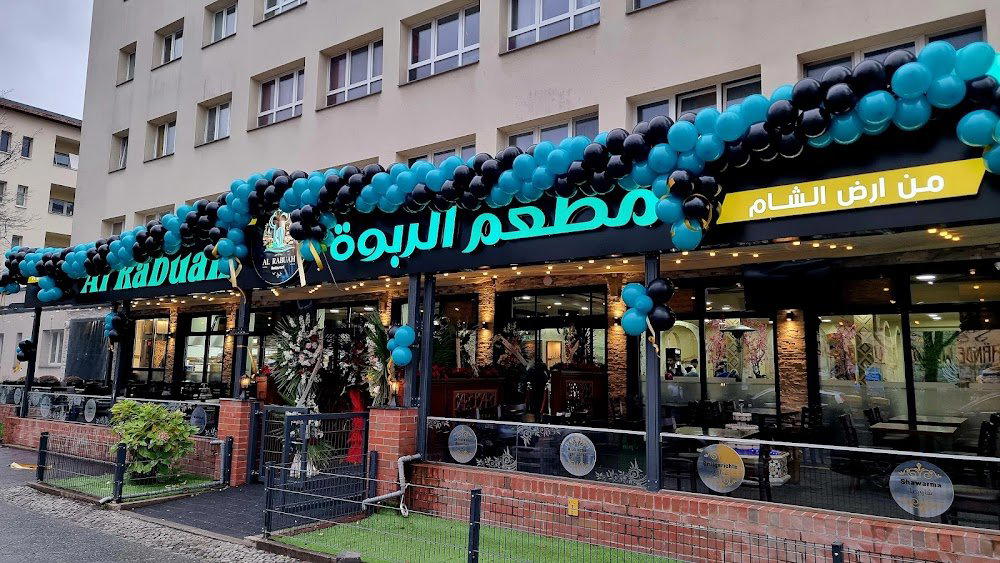
Wedding's Dining Scene and Where Al Rabuah Sits Within It
Berlin's restaurant geography has long been discussed through the lens of Mitte, Prenzlauer Berg, and Kreuzberg. Wedding, the district that runs north of the Ringbahn along Osloer Strasse, operates differently: fewer tourists, fewer headline openings, and a local dining culture that rewards consistency over spectacle. Al Rabuah is an Authentic Middle Eastern Grill in Berlin, at Osloer Str. 18-19, 13359 Berlin, Germany. Al Rabuah sits at Osloer Str. 18-19, in a stretch of the neighbourhood that reflects this character directly. The street connects the daily commerce of the Gesundbrunnen quarter with a quieter residential grain further north, and restaurants here tend to earn their following through repeat visitors rather than opening-night coverage.
This matters editorially because it positions the restaurant against a different competitive logic in central Berlin. Rutz, Nobelhart & Schmutzig, and FACIL all occupy the formal upper tier of the city's dining infrastructure, where tasting menus define the proposition. The restaurant's address alone signals a different set of priorities: proximity to the community it serves, rather than proximity to hotel concierge lists.
The Atmosphere on Approach
Arriving along Osloer Strasse, the immediate context is quintessentially north Berlin: wide pavements, a mix of post-war and Wilhelmine architecture, and the kind of neighbourhood rhythm that exists independently of whatever is happening in the city's more photographed quarters. The venue sits between the U-Bahn traffic of Osloer Strasse station and the calmer blocks toward Reinickendorf. Those who find it tend to arrive with intention.
Berlin has a history of significant restaurants operating in unfashionable postcodes, CODA Dessert Dining built its reputation in Neukölln long before the neighbourhood attracted broader attention, and Wedding is following a comparable arc. The restaurants that establish themselves here now are writing the next chapter of the city's dining map rather than annotating an existing one.
Reading the Meal as a Progression
Across Berlin's more considered dining rooms, the tasting progression has become the primary editorial frame through which a kitchen communicates. At the Michelin level, venues like Restaurant Tim Raue use multi-course structure to move between registers of flavour and texture, building cumulative argument across a table. The same logic applies at a different price point and in a different neighbourhood context: the sequence of what arrives, and when, tells you what the kitchen values.
For the restaurant, the progression framework is relevant because Middle Eastern and Arab dining traditions carry their own sequencing logic. In many Arab dining cultures, the meal opens with an expansive spread of smaller preparations, bread, dips, pickles, cold dishes, before the kitchen's central proteins and stews arrive. This is not a warm-up act; it is the first full movement of the meal, intended to establish the table's character before anything more substantial appears. Diners accustomed to European progression (amuse, starter, main, dessert) sometimes misread this structure as a lack of architecture, when in fact the architecture is older and more communally oriented.
Understanding this framing matters for how you engage with a menu of this type. The early courses are not interchangeable with a European bread course; they carry their own weight. Ordering selectively from that opening spread in a rush to reach the main dishes can weaken the meal's coherence. The meal's coherence depends on following the sequence as offered.
Germany's broader fine dining map rewards comparison here. Restaurants like Schwarzwaldstube in Baiersbronn, Aqua in Wolfsburg, and Vendôme in Bergisch Gladbach operate within European tasting menu logic and the progression conventions that Michelin inspectors have long used as a yardstick. A neighbourhood restaurant in Wedding drawing on Arab culinary tradition is operating in a different register entirely, but the core principle, that the order and pacing of a meal carries meaning, holds across both.
Wedding as a Dining District: The Broader Pattern
Berlin's restaurant development has historically moved in a pattern: a neighbourhood becomes affordable for independent operators, a cluster of genuinely committed restaurants opens, coverage follows, rents rise. Neukölln followed this arc. Parts of Friedrichshain followed it before that. Wedding is at an earlier point on the same curve, which makes restaurants currently operating there worth tracking on that basis alone.
The city's established dining axis, running roughly from Mitte through Kreuzberg, draws the majority of visiting diners and the majority of attention. Restaurant Haerlin in Hamburg and JAN in Munich represent the kind of formal destination dining that draws cross-city and cross-border visitors. Wedding's current restaurant population serves a different function: it is where Berlin residents who have exhausted the obvious list are eating now, and where the city's next wave of openings is quietly assembling.
For visitors who treat Berlin's restaurant scene as a single itinerary item rather than a multi-day project, staying within the central axis makes logistical sense. For those with more than two evenings and a genuine interest in where the city's dining energy is moving, a trip north on the U8 or U9 to Osloer Strasse costs roughly fifteen minutes from Alexanderplatz and opens a different set of tables entirely.
Planning Your Visit
The restaurant is located at Osloer Str. 18-19, 13359 Berlin, reachable directly from Osloer Strasse U-Bahn station on the U8 and U9 lines, making it one of the more accessible neighbourhood restaurants in Wedding for visitors staying centrally. Current contact details and reservation availability are best confirmed directly. The restaurant is walk-in friendly, though weekend evenings can fill quickly. Dress code expectations at this address are casual, as distinct from the more formally calibrated rooms at Victor's Fine Dining by Christian Bau or ES:SENZ in Grassau.
The Minimal Set
Comparable venues nearby, for context on price, style, and recognition.
| Venue | Cuisine | Price | Notes |
|---|---|---|---|
| Al RabuahThis venue — the venue you are viewing | Not listed | $$ | Not listed |
| 963 | Charlottenburg, Modern Levantine | $$ | Not listed |
| Layla | Not listed | $$$ | Kreuzberg, Modern Middle Eastern Mediterranean Fusion |
| King David Garden | Wilmersdorf, Kosher Israeli | $$$ | Not listed |
| NENI Berlin | Not listed | $$ | Tiergarten, Middle Eastern Fusion with Mediterranean & Austrian Influences |
| Sama Beirut | Not listed | $$ | Kreuzberg, Authentic Lebanese Street Food |
Continue exploring
More in Berlin
Restaurants in Berlin
Browse all →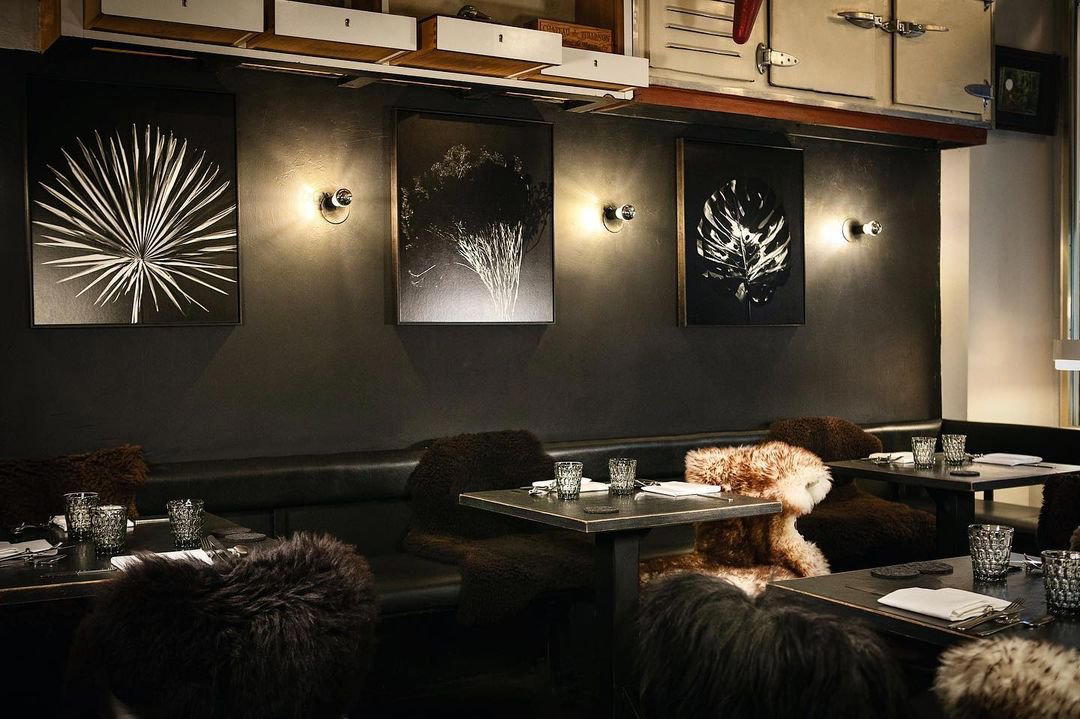
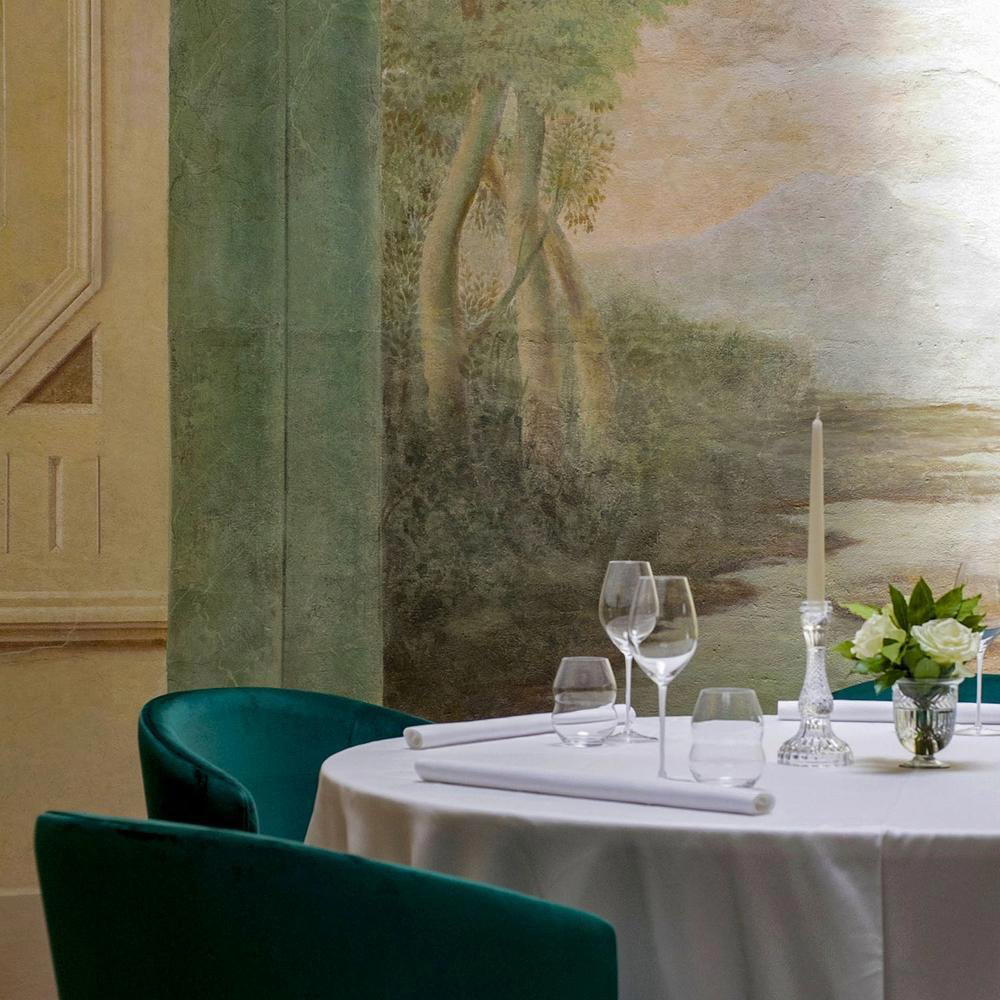
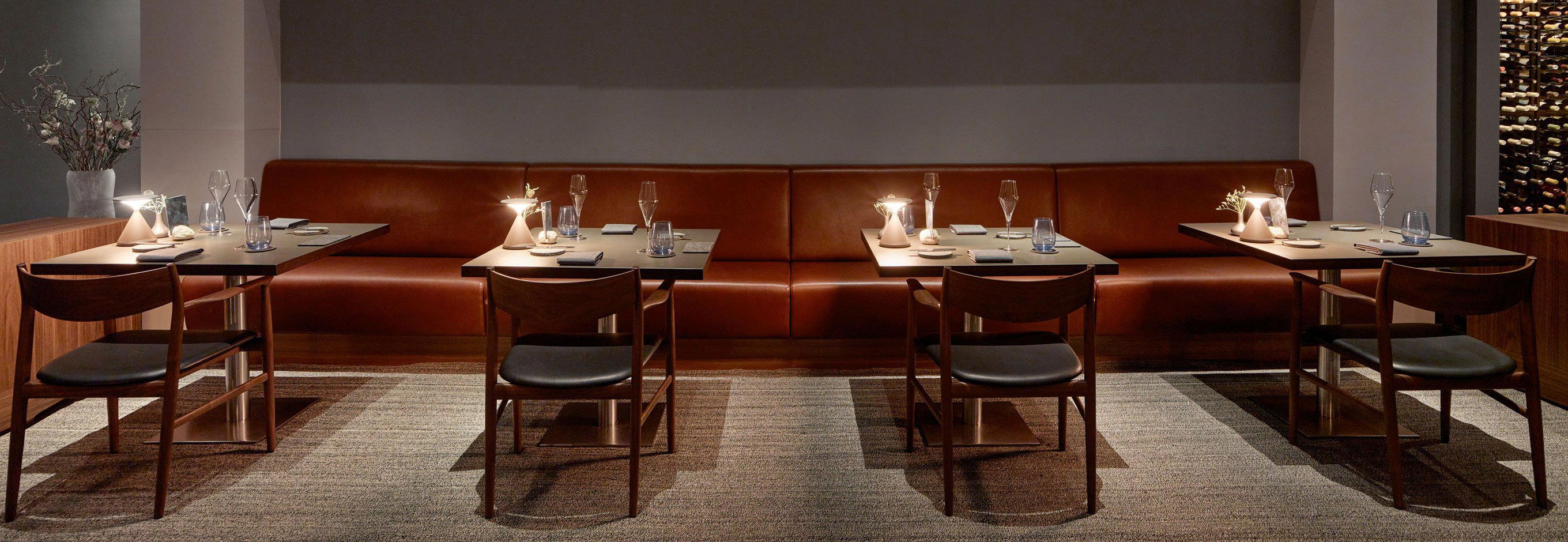
Bars in Berlin
Browse all →
Hotels in Berlin
Browse all →

At a Glance
- Cozy
- Casual Hangout
- Group Dining
- Open Kitchen
Current opening hours
- Monday
- 8 AM–12 AM
- Tuesday
- 8 AM–12 AM
- Wednesday
- 8 AM–12 AM
- Thursday
- 8 AM–12 AM
- Friday
- 8 AM–12 AM
- Saturday
- 8 AM–12 AM
- Sunday
- 8 AM–12 AM
Hours can change for holidays and private events. Last verified .
Cozy atmosphere with friendly service and clean, welcoming space.