Located on Wörther Strasse in Prenzlauer Berg, Salsabil 2. occupies a quietly competitive stretch of Berlin's neighbourhood dining scene. The address places it within walking distance of the district's established café culture and casual restaurant circuit, making it a reference point for the area's evolving mid-range dining identity. Booking details and current format are best confirmed directly at the venue.
Pearl is the En Primeur Club membership app — saves, bookings, and concierge access live there. Same editors, same standards.
- Address
- Wörther Str. 16, 10405 Berlin, Germany
- Phone
- +49 30 44046073
- Website
- salsabil2-berlin.eatbu.com
- Directions
- Get directions
 Saves & bookings on Pearl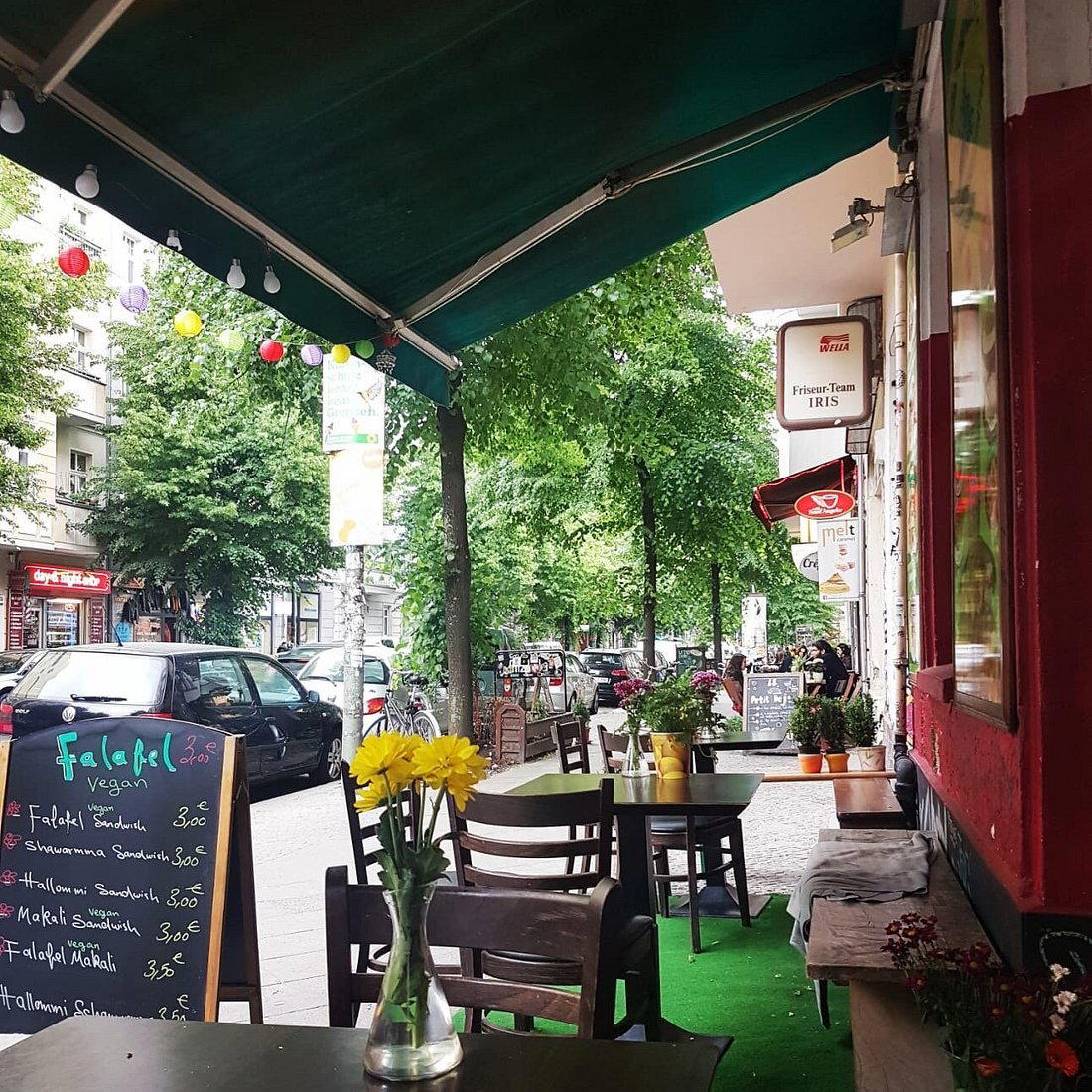
Prenzlauer Berg and the Slow Shift in Berlin's Neighbourhood Dining
Berlin's restaurant identity has long been distributed across districts rather than concentrated in a single gastro-corridor. Mitte holds the Michelin-weighted addresses: Rutz, FACIL, and Restaurant Tim Raue anchor the city's formal dining tier. But the more consequential shift over the past decade has happened in the residential districts, where neighbourhood restaurants have moved from afterthought to destination. Prenzlauer Berg sits near the centre of that shift. What was once a post-reunification bohemian enclave has matured into one of Berlin's densely inhabited family neighbourhoods, and its dining scene has followed: less experimental performance art, more sustained quality at street level.
Salsabil 2. at Wörther Str. 16 in the 10405 postcode, occupies a position on this changing terrain. The Wörther Strasse address places it close to Kollwitzplatz, the neighbourhood's social and commercial focal point, where the Saturday farmers' market draws the kind of ingredient-conscious local clientele that sustains serious neighbourhood cooking. That proximity matters: the restaurants that endure in this part of Prenzlauer Berg tend to earn regular custom rather than tourist footfall, which sets a different kind of pressure than a venue in a hotel district or a tourist-dense strip.
How Berlin's Mid-District Dining Has Evolved
The trajectory of neighbourhood dining in Prenzlauer Berg mirrors a pattern visible across European cities: an initial wave of low-cost, high-concept openings gives way to a second and third generation that prioritises consistency over novelty. In Berlin's case, the process accelerated through the 2010s as rising rents pushed operators toward formats that could carry repeat business across lunch, dinner, and weekend trade simultaneously. The restaurants that survived that consolidation phase typically did so by sharpening a specific identity, whether defined by cuisine type, price positioning, or service format, rather than by chasing trend cycles.
The city's most-discussed addresses in the creative fine dining tier, including Nobelhart & Schmutzig on Friedrichstrasse and CODA Dessert Dining in Neukölln, represent one endpoint of that sharpening: highly defined formats with strong editorial identities and committed followings. The neighbourhood tier, where Salsabil 2. operates, represents a different kind of discipline. Success here is measured less by critical recognition and more by how well a venue holds its position across seasonal shifts, staff changes, and the ordinary pressures of a residential catchment area.
Germany's broader fine dining circuit, anchored by addresses like Schwarzwaldstube in Baiersbronn, Aqua in Wolfsburg, and Vendôme in Bergisch Gladbach, operates at a remove from this neighbourhood dynamic. Those are destination restaurants in a literal sense: guests travel specifically to eat at them. The Prenzlauer Berg dining circuit functions on the opposite logic, where proximity and habit drive return visits, and a restaurant earns its standing by being reliably good rather than occasionally brilliant.
The Name, the Address, and What Both Signal
The name Salsabil carries Arabic roots, referencing a spring in Islamic paradise tradition. That etymology, combined with the numbered suffix suggesting a second iteration or related concept, points toward a Middle Eastern or broader Eastern Mediterranean orientation, though the venue's cuisine is Lebanese. In Berlin, this positions the address within a crowded and genuinely competitive segment. The city has a substantial Arabic-speaking population and a long-established tradition of Levantine and Turkish cooking at every price point, from the kebab institutions of Neukölln to the more refined Eastern Mediterranean formats that have emerged in Mitte and Charlottenburg.
Within that context, the Prenzlauer Berg location is a deliberate choice. The district's demographic skews toward higher household incomes and above-average food engagement, which supports a slightly more considered mid-market positioning than would be viable further east. For visitors building an itinerary around the district, the Wörther Strasse location is accessible from both Senefelderplatz U-Bahn station and the tram lines running along Prenzlauer Allee.
Placing Salsabil 2. in a Broader Reading List
For readers tracking Berlin's restaurant evolution across multiple price tiers, the contrast between the neighbourhood circuit and the city's Michelin-recognised addresses is instructive. Nobelhart & Schmutzig's rigidly local sourcing ethos and CODA's dessert-only format both reflect a Berlin tendency toward conceptual clarity over conventional format. The neighbourhood tier reflects a different but equally deliberate set of choices, shaped by different commercial pressures and a different relationship to the diner.
Germany's most decorated restaurants outside Berlin, including JAN in Munich, Restaurant Haerlin in Hamburg, and Waldhotel Sonnora in Dreis, operate within a hotel or destination framework that buffers them from the volatility facing standalone urban operators. So do international reference points like Le Bernardin in New York and Lazy Bear in San Francisco, both of which have built institutional identities over years of consistent operation. The neighbourhood restaurant in a European residential district runs without that structural protection, which makes longevity its own credential.
Additional German addresses worth cross-referencing for regional context include Victor's Fine Dining by Christian Bau in Perl, ES:SENZ in Grassau, Schanz in Piesport, and Bagatelle in Trier, each representing a distinct position in Germany's varied dining geography. Our full Berlin restaurants guide maps the city's dining scene across districts and price tiers.
Planning a Visit
The restaurant is located at Wörther Str. 16, 10405 Berlin, in the Prenzlauer Berg district. The restaurant is open daily from 12 to 11 PM, and it is walk-in friendly. The address is within walking distance of Senefelderplatz station on the U2 line, and the surrounding streets are served by multiple tram routes.
Where the Accolades Land
Comparable venues nearby, for context on price, style, and recognition.
| Venue | Cuisine | Price | Notes |
|---|---|---|---|
| Salsabil 2.This venue — the venue you are viewing | Lebanese | $ | Not listed |
| Salamat | Northern Iraqi | $ | Mitte |
| NENI Berlin | Middle Eastern Fusion with Mediterranean & Austrian Influences | $$ | Tiergarten |
| Malakeh | Authentic Syrian | $$ | Schoneberg |
| Rüyam | Traditional Turkish Döner Kebab | $ | Prenzlauer Berg |
| Lichtblick-Kino | Cinema snacks | $ | Prenzlauer Berg |
Continue exploring
More in Berlin
Restaurants in Berlin
Browse all →
Bars in Berlin
Browse all →
Hotels in Berlin
Browse all →
Wineries in Berlin
Browse all →

At a Glance
- Casual
- Casual Hangout
Current opening hours
- Monday
- 12–11 PM
- Tuesday
- 12–11 PM
- Wednesday
- 12–11 PM
- Thursday
- 12–11 PM
- Friday
- 12–11 PM
- Saturday
- 12–11 PM
- Sunday
- 12–11 PM
Hours can change for holidays and private events. Last verified .
Casual and friendly atmosphere for quick Middle Eastern meals.