Saint Farah occupies a quietly considered address on Weinbergsweg in Berlin's Mitte-Prenzlauer Berg borderlands, where the city's more ingredient-led dining sits apart from the Michelin circuit. The kitchen draws on sourcing traditions that place provenance at the centre of the plate rather than technique as spectacle. For Berlin diners looking beyond the starred tier, it represents a different kind of seriousness.
Pearl is the En Primeur Club membership app — saves, bookings, and concierge access live there. Same editors, same standards.
- Address
- Weinbergsweg 8a, 10119 Berlin, Germany
- Phone
- +4915202171674
- Website
- saintfarah.de
- Directions
- Get directions
 Saves & bookings on Pearl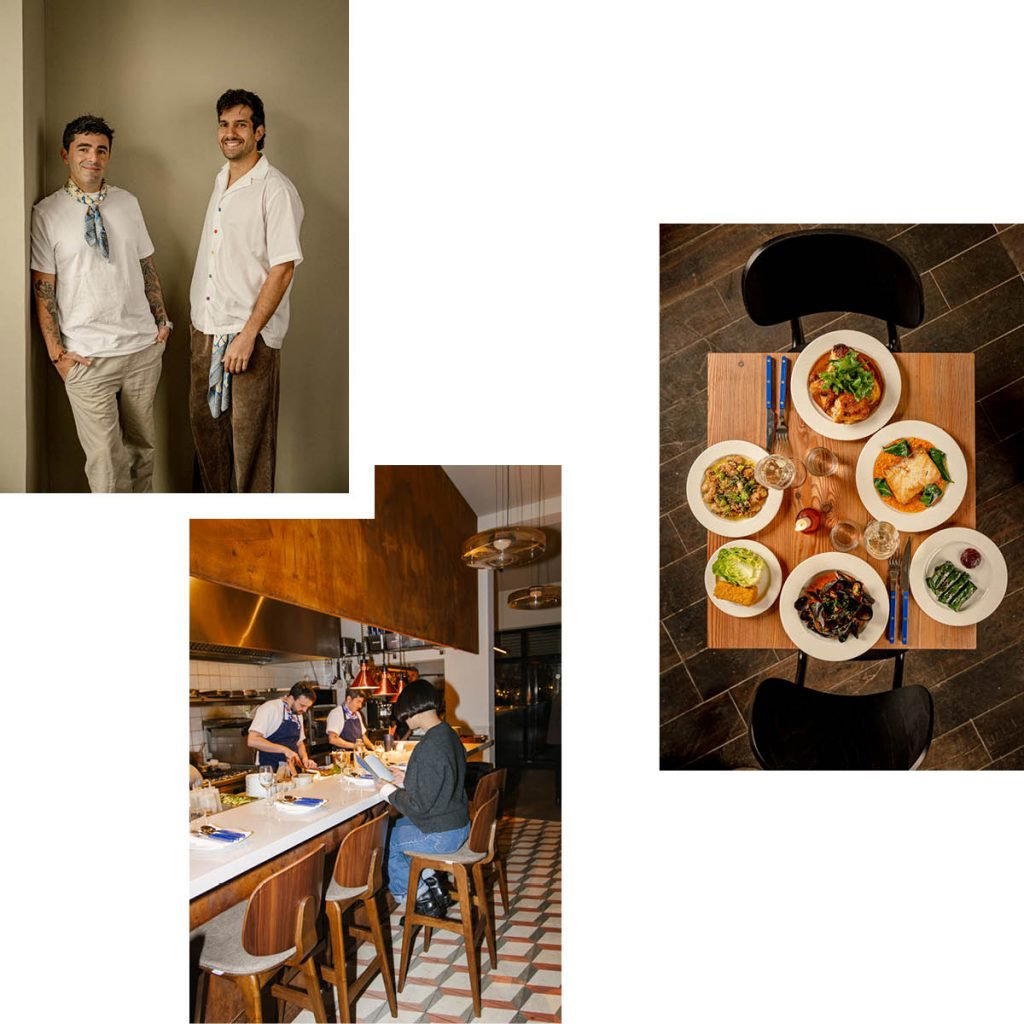
Where Weinbergsweg Meets the Ingredient
Weinbergsweg 8a sits at a particular kind of Berlin crossroads: the point where Mitte's commercial density gives way to the quieter residential grain of Prenzlauer Berg. The street itself has drawn independent operators over the past decade, and Saint Farah fits that pattern. Arriving here, you are not walking into a scene engineered for visibility. The address signals something closer to the neighbourhood restaurant in the serious European sense: a place where the room is a frame for the food rather than a destination in itself.
That framing matters in Berlin, where the fine dining conversation tends to split between the heavily awarded tier, restaurants like Rutz, Nobelhart & Schmutzig, and FACIL, and the looser, more casual register of the city's natural wine bars and international street-food operators. Saint Farah occupies a middle register that Berlin has historically underserved: kitchens that work with the discipline of fine dining without the ceremonial overhead.
The Sourcing Argument
Across Germany's more serious independent restaurants, a sourcing-led approach has become a meaningful differentiator. At Nobelhart & Schmutzig, the kitchen has built its entire identity around hyper-regional Brandenburg and German producers, refusing imported ingredients as a formal constraint. At Schwarzwaldstube in Baiersbronn and Waldhotel Sonnora in Dreis, the classical tradition places equal weight on produce quality as on execution. What these restaurants share is a conviction that the ingredient must carry an argument before technique is applied to it.
Saint Farah's position on Weinbergsweg places it within Berlin's broader movement toward kitchens where that argument is made through sourcing rather than through spectacle. The city draws on a wider supply orbit than its immediate surroundings: Brandenburg's market gardens, the Baltic coast's fish suppliers, and the eastern German agricultural belt that remains less trafficked by the country's more southerly starred kitchens. A restaurant working seriously with that geography has access to a different pantry than its Munich or Hamburg counterparts at places like JAN or Restaurant Haerlin, and the produce reflects it.
The name the restaurant carries a register that suggests something personal rather than institutional, which in Berlin's independent dining scene typically signals a kitchen with a defined point of view on where its food comes from. That legibility of origin, knowing the region, the season, and the logic behind what arrives on the plate, is what separates ingredient-led kitchens from those where sourcing is a marketing annotation rather than a structural decision.
Berlin's Independent Tier and Where Saint Farah Sits
Germany's awarded dining circuit rewards a particular kind of restaurant: technically rigorous, often classically rooted, and capable of sustaining the consistency that multi-visit Michelin evaluation requires. The result is that Berlin's starred houses, from Restaurant Tim Raue to CODA Dessert Dining, tend to be places with clearly codified formats and the operational infrastructure to match. The trade-off is that the more experimental, less formalised work often happens outside that tier.
The restaurant's Mitte-adjacent address puts it in the part of the city where that independent tier has concentrated. Weinbergsweg and its surrounding streets function as a quiet counterpoint to the Kreuzberg-Neukölln axis that dominates Berlin's food media coverage. The neighbourhood draws a local clientele rather than a tourist one, which tends to produce restaurants that iterate based on genuine feedback rather than visitor-review patterns.
For comparison, Germany's highest-profile destination restaurants operate in more remote or unexpected settings: Aqua in Wolfsburg, Victor's Fine Dining by Christian Bau in Perl, and ES:SENZ in Grassau all require a degree of pilgrimage that a Berlin neighbourhood restaurant does not. What the restaurant offers instead is accessibility within a capital city, with the kind of considered cooking that does not require the reader to plan a separate trip.
That accessibility also sets it apart from internationally recognised peer restaurants at a similar level of ambition. Le Bernardin in New York City and Atomix operate within capital-city contexts but at price points and formality levels that place them in a different tier entirely. The European independent model that restaurant represents, serious food without theatrical ceremony, is a different value proposition.
What to Order
Specific dish recommendations are not available here. The menu follows seasonal availability closely, with late spring through autumn bringing the widest range of local produce and winter leaning on preserved, aged, and root-heavy ingredients. Visiting in April through October gives the broadest window into what this kind of kitchen does at its most expressive.
For readers building a Berlin itinerary around ingredient-led dining, pairing a visit here with a meal at Nobelhart & Schmutzig, the explicitly sourcing-defined kitchen in the city, provides a useful comparison between two different approaches to the same argument. The full range of what Berlin's serious independent tier offers is mapped in our Berlin restaurants guide.
Regional Context: Germany's Dining Geography
Berlin sits within a national dining geography that rewards travel. The southwest remains the country's most decorated region: Vendôme in Bergisch Gladbach, Schanz in Piesport, and Bagatelle in Trier represent the western flank of Germany's serious restaurant culture. Berlin's contribution to that map has historically been its diversity and its independent energy rather than its density of starred houses. The restaurant is part of the argument that the capital's non-starred tier deserves the same attention as its more decorated neighbours.
Planning a Visit
The restaurant is located at Weinbergsweg 8a, 10119 Berlin, within walking distance of Rosenthaler Platz U-Bahn station on the U8 line. The Mitte address is direct to reach from most central Berlin accommodation. Reservations are recommended. Dress is casual. Evening service is the primary window.
Cuisine-First Comparison
Comparable venues nearby, for context on price, style, and recognition.
| Venue | Cuisine | Price | Notes |
|---|---|---|---|
| Saint FarahThis venue — the venue you are viewing | Modern Levantine | $$ | Not listed |
| Al Rabuah | Authentic Middle Eastern Grill | $$ | Gesundbrunnen |
| NENI Berlin | Middle Eastern Fusion with Mediterranean & Austrian Influences | $$ | Tiergarten |
| Sama Beirut | Authentic Lebanese Street Food | $$ | Kreuzberg |
| Kreuzberger Himmel | Authentic Syrian & Arabic | $$ | Kreuzberg |
| forn simsim | Levantine Manakish | $$ | Prenzlauer Berg |
Continue exploring
More in Berlin
Restaurants in Berlin
Browse all →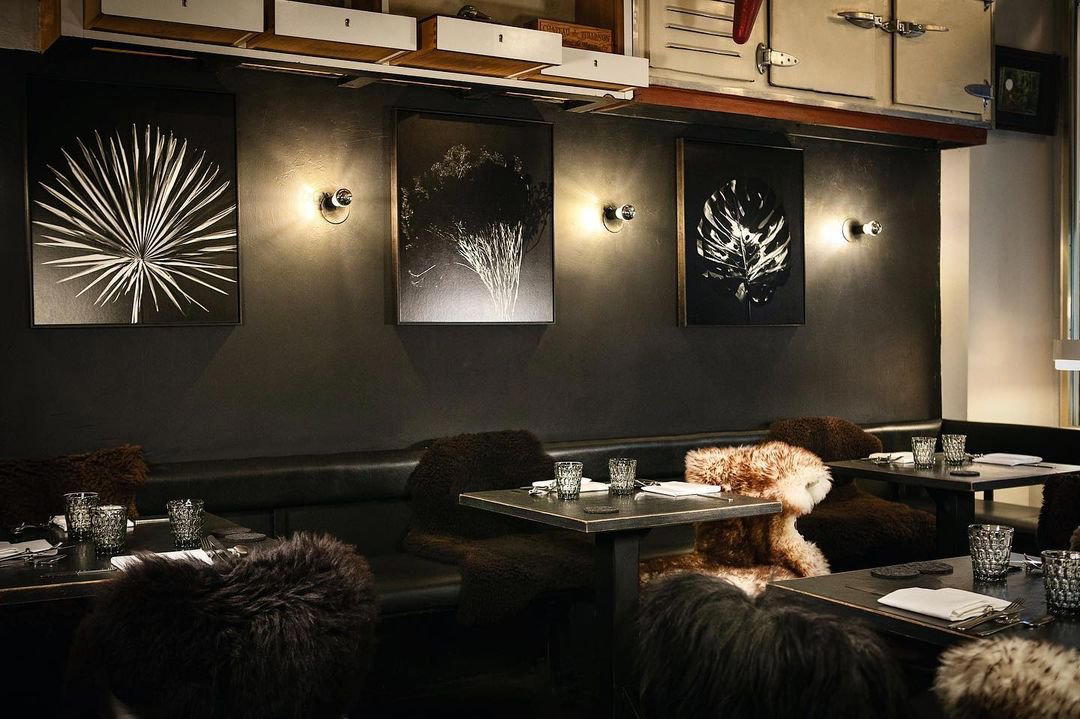
Bars in Berlin
Browse all →
Hotels in Berlin
Browse all →
Wineries in Berlin
Browse all →
At a Glance
- Lively
- Modern
- Trendy
- Date Night
- Casual Hangout
- Open Kitchen
- Craft Cocktails
Current opening hours
- Monday
- Closed
- Tuesday
- 5–10 PM
- Wednesday
- 5–10 PM
- Thursday
- 5–10 PM
- Friday
- 5–11 PM
- Saturday
- 5–11 PM
- Sunday
- Closed
Hours can change for holidays and private events. Last verified .
Tactile space with raw concrete ceilings, warm wooden beams, yellow pendant lights, and eclectic colorful local art.