L'Atelier Monsieur
Our verdict
L'Atelier Monsieur pairs modern French fine dining with local Japanese influences, a chefs counter and open kitchen, plus a sake program and garden view.

Pearl is the En Primeur Club membership app, where members save venues, book tables and use the concierge.
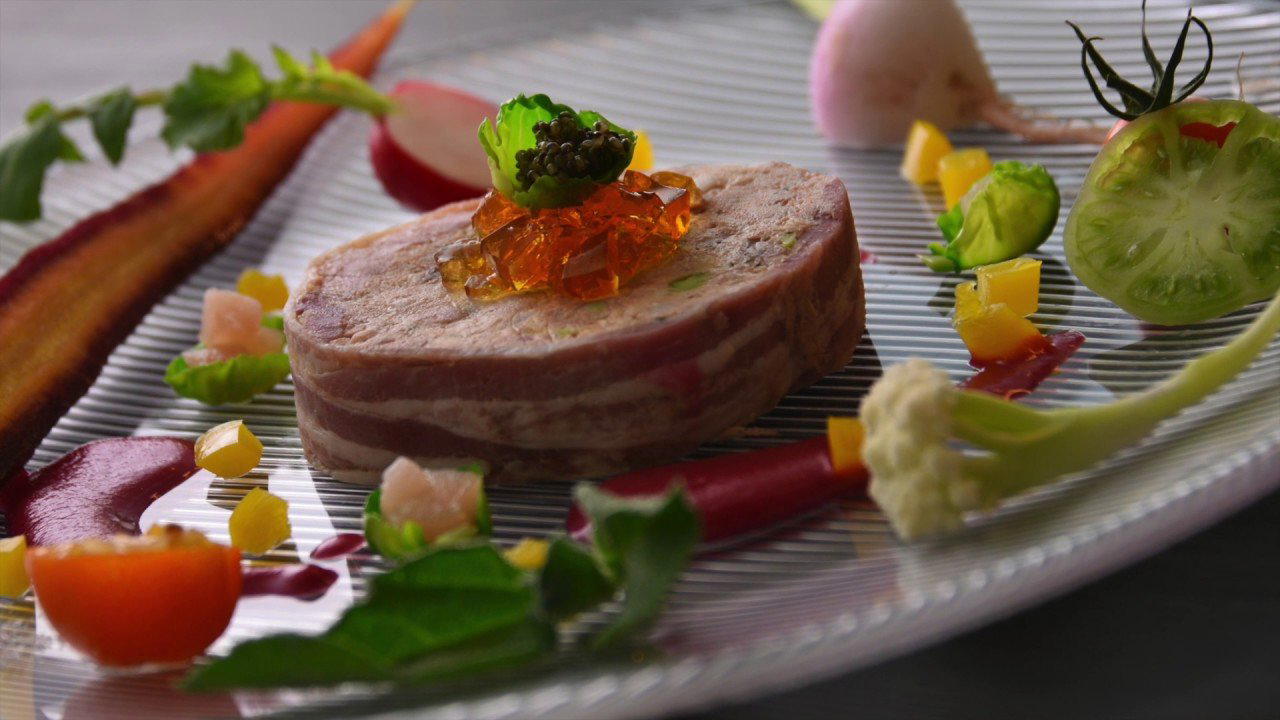
Where Nasu's Farmland Meets the French Table
Nasushiobara sits in Tochigi Prefecture, roughly two hours north of Tokyo by shinkansen, in a region that has long supplied the capital's finest kitchens with dairy, beef, and highland vegetables. The Nasu plateau commands some of the most productive agricultural land in the Kanto region, and it is this productive hinterland, not urban foot traffic or critic circuits, that has drawn a quiet but serious dining scene to the area. L'Atelier Monsieur, addressed on the edge of the Takabayashi district at 1721-101 Takabayashi, operates within that context: a French-inflected atelier format in a setting where the sourcing story is not a marketing angle but a geographic given. For broader orientation across the area's restaurants, our full Nasushiobara restaurants guide covers the wider field.
The Ingredient Geography of the Nasu Plateau
French cuisine in rural Japan occupies a different register from its urban counterparts. In Tokyo, restaurants like HAJIME in Osaka and French innovators such as Harutaka in Tokyo operate against a backdrop of global supply chains and intense peer competition. In Nasushiobara, the relevant supply chain is largely local by necessity and by advantage. Nasu Kogen dairy products, butter, cream, fromage frais, carry a regional reputation that reaches the premium grocery counters of Aoyama and Daikanyama. The area's kuroge wagyu, raised on the same plateau, is a reference protein for both French and Japanese kitchen traditions. A restaurant positioned as an atelier in this geography draws on that supply network not as a concept but as the operational reality of cooking here.
This matters because the atelier format in French culinary vocabulary implies a workshop sensibility: a space oriented toward craft and precision rather than theatrical presentation. French kitchens that have transplanted to provincial Japanese settings, whether Nara, as with akordu in Nara, or regional cities across Kyushu, tend to adapt their sourcing to the local agricultural calendar in ways that their urban counterparts cannot, because proximity to growers changes what arrives in the kitchen and when. The result is a cooking style shaped by seasonal availability rather than year-round imports.
Tochigi Prefecture's dining scene is anchored more by kaiseki and traditional Japanese formats than by European cooking. That makes French-aligned kitchens in the area a distinct minority, operating without the competitive density that sharpens, and validates, kitchens in Kyoto or Fukuoka. Compare this with Gion Sasaki in Kyoto or Goh in Fukuoka, where peer pressure from neighboring establishments is constant and visible. In Nasushiobara, a kitchen like L'Atelier Monsieur answers to a different competitive logic: the benchmark is the quality of local ingredients and the expectations of visitors arriving from Tokyo specifically because the city cannot offer this proximity to source.
That visitor profile matters. Nasushiobara's weekend clientele skews toward Tokyoites with refined food literacy, the kind of diner who knows what Nasu dairy tastes like and who will notice whether it appears on the plate in an informed way. This creates a local incentive structure that rewards sourcing intelligence over urban trend-chasing. Restaurants in comparable regional positions, 湖柳荘ふ in Takashima or 奥羽柴屋 in Nishikawa Machi, demonstrate that Japan's smaller rural dining addresses frequently outperform their urban equivalents on the raw-material dimension, even when they operate without formal recognition from major award bodies.
Reading the Room: Atmosphere and Format
The Takabayashi district sits beyond the commercial center of Nasushiobara, in a semi-rural stretch where the built environment gives way to farmland and forest edge. A restaurant positioned here is making a choice about its audience: it is not passing-trade, not convenience, not tourist-circuit. The drive or taxi ride from Nasushiobara Station becomes part of the experience's framing, separating the setting from the noise of the town and signaling that arrival here requires intention. This is a pattern visible across Japan's leading provincial dining, 一本木 中島製 in Nanao and 夕月亭巽之 in Sapporo both operate in positions where geography does some of the menu's editorial work before a plate arrives.
The atelier name signals a room-scale operation rather than a large-format restaurant. Atelier in the French sense implies a space built around a single working sensibility, with limited covers and a kitchen that functions more as a studio than a production line. Kitchens structured this way, Bistro Ange in Toyohashi offers a comparable small-format French model in provincial Japan, tend to operate on tighter seasonal cycles and respond more quickly to what local suppliers are offering week by week.
France, Japan, and the Ingredient Logic
Conversation between French technique and Japanese produce has been running long enough in Japan that it no longer reads as novelty. What distinguishes kitchens that do it well is specificity: not merely using Japanese ingredients in French preparations, but understanding the seasonal and regional logic of those ingredients and letting that logic shape the structure of the meal. The benchmark reference points here are not necessarily the headline names. Le Bernardin in New York City and Atomix in New York City represent the urban end of French-influenced cooking shaped by non-French ingredient traditions; the rural Japanese equivalent is quieter, less legible to international award systems, and often more directly connected to the actual growing calendar.
In Nasushiobara's case, the seasonal markers are pronounced. Summer brings highland vegetables and the transition into Nasu's wagyu season. Autumn adds mushroom harvests from the surrounding forests. Winter dairy quality in the region is considered by Tokyo buyers to peak during the colder months. A kitchen operating in this geography, attentive to those rhythms, has a sourcing argument that urban French restaurants cannot replicate regardless of budget. For reference points in how Japanese kitchens elsewhere engage with regional produce at a serious level, bodai in 那智勝浦町 and Denko Sekka in Hiroshima illustrate different regional models of the same underlying commitment.
Planning a Visit
L'Atelier Monsieur is located at 1721-101 Takabayashi, Nasushiobara, Tochigi. The most practical access point is Nasushiobara Station on the Tohoku Shinkansen line, approximately two hours from Tokyo Station. From the station, the Takabayashi address requires a taxi or private transfer; the area is not walkable from the station. Given the rural position and the small-format atelier structure typical of this restaurant category, advance reservations are strongly advisable. Visitors pairing this with broader Tochigi itineraries will find the area easiest to explore over a full weekend, with accommodation options in both central Nasushiobara and the Nasu Kogen highland area to the north.
Frequently asked questions
Is L'Atelier Monsieur good for families?
The Takabayashi address in Nasushiobara places the restaurant in a semi-rural setting that lends itself to a quieter, more deliberate meal rather than a casual family outing. Younger children may find the atelier-style format a difficult fit. Families visiting the broader Nasu plateau region will find the area well-suited for a day trip, with the restaurant better suited to older children comfortable in a composed dining environment.
What's the vibe at L'Atelier Monsieur?
The address at 1721-101 Takabayashi puts the restaurant well outside Nasushiobara's commercial center, in a stretch of semi-rural Tochigi where farmland defines the immediate surroundings. That setting establishes the tone before you walk in: unhurried, removed from city density, and oriented around the agricultural character of the Nasu plateau. The 'atelier' framing in the name signals a workshop sensibility rather than formal grande salle service.
How far is L'Atelier Monsieur from Tokyo, and is it practical as a day trip?
Nasushiobara Station is served by the Tohoku Shinkansen, putting the restaurant roughly two hours from Tokyo Station. The Takabayashi district address requires onward transport from the station, so planning around a car rental or taxi is advisable. As a day trip, the journey is manageable, though the travel time is easier to justify when combined with other stops on the Nasu plateau.
Quick Comparison
Comparable venues nearby, for context on price, style, and recognition.
| Venue | Cuisine | Price | Awards | Notes |
|---|---|---|---|---|
| L'Atelier MonsieurThis venue (the venue you are viewing) | Modern French Fine Dining with Local Japanese Influences | $100–150 | Not listed | Not listed |
| Kurumi Tei | Traditional soba (juwari) & sake | $20–30 | Tabelog 100 #69 | Nasushiobara |
| NAOZO | Stone-oven bakery & café | $10–20 | Tabelog 100 #66 | Nasu, Kuroiso / Nasu Shiobara |
| Teuchi Homura | Award‑winning hand‑made ramen | $1–10 | Tabelog 100 #37 | Kuroiso |
| レストラン エプイ EPUY | Local French Fine Dining | Not listed | Not listed | Onuma Park |
| 塞尚 | Modern French Fine Dining | $300–500 | World's 50 Best #16 · La Liste Top Restaurants | Marunouchi |
Continue exploring
More in Nasushiobara

Details
- Elegant
- Intimate
- Sophisticated
- Special Occasion
- Date Night
- Chefs Counter
- Open Kitchen
- Sake Program
- Local Sourcing
- Garden
- Tasting Menu
- Counter Dining
- Allergy Accommodating
Current opening hours
- Monday
- Closed
- Tuesday
- Closed
- Wednesday
- Closed
- Thursday
- Closed
- Friday
- 12–1:30 PM, 6–7:30 PM
- Saturday
- 12–1:30 PM, 6–7:30 PM
- Sunday
- 12–1:30 PM, 6–7:30 PM
Hours can change for holidays and private events. Hours as of .
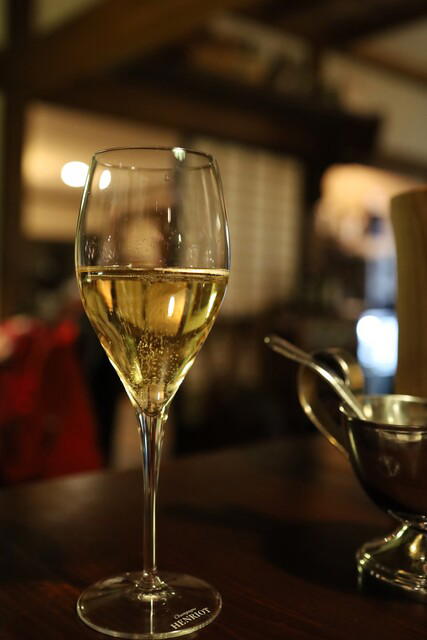
Intimate counter dining in a forest environment with a focus on watching the chef prepare personalized gastronomy cuisine.