
Tabelog 100 #4
Our verdict
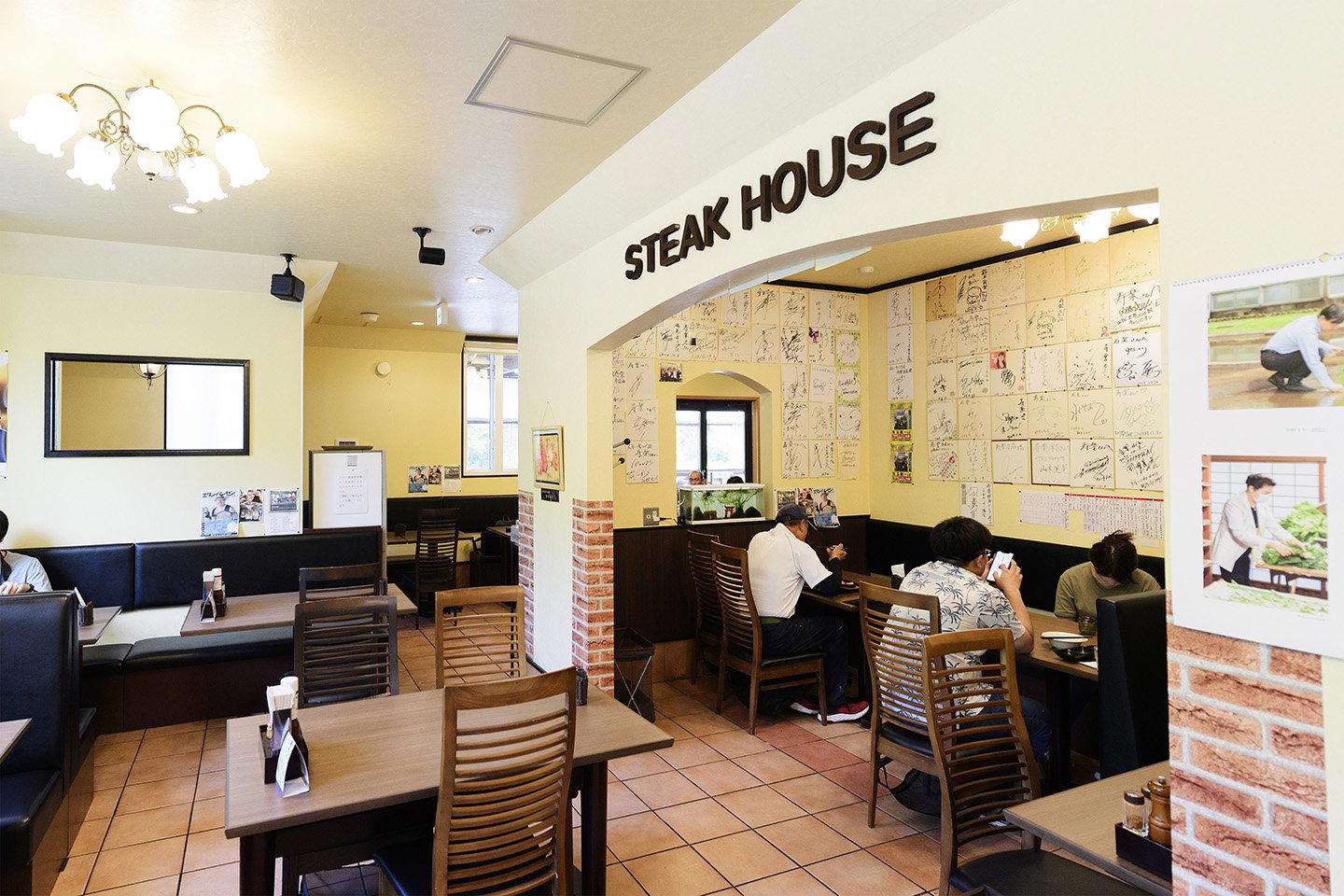
Steak House Juraku Honten sits in Nasu’s beef-country dining circuit, where resort traffic, dairy farms, and local meat culture shape the meal more than metropolitan formality. Its Tabelog 100 Steak / Teppanyaki EAST selections in 2024 and 2025 place it in a recognized regional bracket, with a family-friendly, large-format room rather than a hushed counter format.

Pearl is the En Primeur Club membership app — saves, bookings, and concierge access live there. Same editors, same standards.
- Address
- 379 Yumoto, Nasu, Nasu District, Tochigi 325-0301, Japan
- Phone
- +81 287-76-3844
- Hours
- Mon–Wed 10:30 AM–2:30 PM, 5–7 PMThu ClosedFri–Sun 10:30 AM–2:30 PM, 5–7 PM
- Website
- saikoro-steak.com
- Directions
- Get directions
The menu
What to order
- Tochigi Wagyu steak
- Nasu beef steak
- Steak courses with assorted sauces
Approaching Nasu-gun, the dining rhythm changes before the menu does. This is not the most formal version of steak dining, where beef arrives with choreographed pacing and the room behaves like theatre. Nasu-gun’s table can feel more practical: travellers, families, drivers, and lunch plans built around a wider day out. Steak House Juraku Honten belongs to that circuit, a house-style restaurant where beef-led cooking is the anchor rather than a luxury prop.
That matters because Nasu-gun is a destination where food itineraries are often built across several kinds of stops. Visitors may not be looking only for one plate, but for a day that moves between dairy, coffee, bakery dining, and a more substantial meal. The same itinerary that includes Minami Gaoka Bokujou Milk Chaya for dairy, NASU SHOZO CAFE for the area’s café culture, or Penny Lane Nasu ten for bakery-driven resort dining can make room for beef. Here, steak is not framed as an imported urban indulgence. It is part of the local dining mix.
Nasu beef culture, served without city-counter formality
Japan’s steak and teppanyaki hierarchy often rewards intimacy: counter seats, chef-led pacing, and a bill that rises with provenance. Nasu-gun can work differently. A useful local format is generous, car-friendly, and multigenerational, with steak, hamburger steak, and teppanyaki sharing the table. Juraku Honten’s 2025 Tabelog Hyakumeiten recognition places a regional, approachable steak house inside a broader meat-led category. The signal is not ceremony; it is consistency within a steak, hamburger steak, and teppanyaki frame.
The category angle is the reason to pay attention. The listing’s categories — steak, hamburger steak, and teppanyaki — explain the restaurant’s position better than any unsupported chef biography would. In many regional Japanese dining areas, compelling meals can come from places that understand local appetite and repeatable satisfaction, not only personality-driven kitchens. A regional steak house can speak directly to portion logic, value perception, and the usefulness of a substantial meal in a way a polished destination restaurant may not. The editorial case here is simple: beef-focused cooking and regional utility carry more weight than performance.
The room’s appeal reads through the same lens. Rather than treating steak only as a rarefied occasion, Steak House Juraku Honten fits the practical rhythm of travel days and mixed itineraries. It suits a group looking for a substantial meal: relatives, children, drivers, and anyone who wants the table to feel satisfying rather than ceremonial. In Nasu-gun, stronger restaurants often succeed by matching the destination’s logistics rather than imitating metropolitan fine dining.
How it fits among Nasu's resort-table options
Nasu-gun’s dining appeal is spread across different kinds of meals. A single day can move from dairy to coffee, bread, garden dining, and beef without feeling incoherent. Cafe & Garden Shirasagi Tei occupies the composed garden-and-tea side, while NASU SHOZO CAFE represents the quieter coffee-house lane. Minami Gaoka Bokujou Milk Chaya is the dairy stop. Penny Lane Nasu ten sits in a different lane from a steak lunch or dinner: bakery-resort abundance versus beef as main event.
That comparison helps planning. Nasu-gun does not force every meal into a tasting-menu frame; the stronger approach is to divide the day by appetite. Coffee and pastry can carry a morning; dairy can handle a short stop; steak makes sense when the schedule needs a sit-down meal with substance. Steak House Juraku Honten is strongest in that role, especially for travellers wanting a regional meat experience without the etiquette load of a counter restaurant. The Tabelog score of 3.61 and 2025 Hyakumeiten recognition give it more independent weight than an anonymous steak stop, while the format stays approachable.
For readers mapping a wider trip, Our full Nasu-gun restaurants guide is the natural companion to the food itinerary. The surrounding stay can be shaped through Our full Nasu-gun hotels guide, while evenings and specialist stops sit separately in Our full Nasu-gun bars guide, Our full Nasu-gun wineries guide, and Our full Nasu-gun experiences guide. Nasu-gun rewards modular planning because the area is dispersed and more dependent on movement than on a single restaurant district.
Who should choose this table
Read this restaurant not as a special-occasion steak temple, but as a regional beef address with enough recognition to justify building a meal around it. Travellers chasing polished chef-counter theatre may prefer a different format. Travellers who care how a destination area feeds groups, how steak fits into Nasu-gun’s wider food culture, and why an approachable meat-led restaurant can become a local reference point will understand the appeal faster.
It also suits readers comparing Japanese dining formats beyond the usual metropolitan circuit. A beef-focused meal in Nasu-gun has its own logic, shaped by the restaurant’s steak, hamburger steak, and teppanyaki categories rather than by a single chef narrative. It is also distinct from the many other dining styles found across Japan and abroad, from café-led itineraries to small-plate meals, casual international cooking, drinking-focused stops, and other unnamed regional dining rooms.
The verdict is simple: in Nasu-gun, steak is strongest when read through access, group dining, and appetite rather than spectacle. Steak House Juraku Honten earns attention because it connects those points cleanly. Awards recognition gives the address credibility, but the real reason to go is the straightforward logic of a beef-led meal in a destination where travellers often plan food around movement, timing, and a full day out.
Frequently asked questions
Does Steak House Juraku Honten work for a family meal?
Yes. Steak House Juraku Honten works well as an approachable steak, hamburger steak, and teppanyaki option in Nasu-gun, especially for diners who want a substantial meal rather than a formal counter-style experience.
What's the overall feel of Steak House Juraku Honten?
It reads as an approachable steak, hamburger steak, and teppanyaki restaurant rather than a highly formal steak counter. The price range sits at JPY 3,000–JPY 3,999 for both lunch and dinner, and Tabelog Hyakumeiten recognition in 2025 gives it credibility without raising the tone too far above a day-trip meal.
What's the price range at Steak House Juraku Honten?
Pricing at Steak House Juraku Honten is listed as JPY 3,000 - JPY 3,999 for both dinner and lunch.
What is Steak House Juraku Honten known for?
Steak House Juraku Honten is known for steak, hamburger steak, and teppanyaki in Nasu-gun.
Comparison Snapshot
Comparable venues by cuisine and price in the same metro.
| Venue | Cuisine | Price | Awards | Notes |
|---|---|---|---|---|
| Steak House Juraku HontenThis venue — the venue you are viewing | Local Wagyu Steakhouse | $30–50 | Tabelog 100 #4 | Not listed |
| Minami Gaoka Bokujou Milk Chaya | Dining | Not listed | Tabelog 100 #49 | Nasu-gun |
| Penny Lane Nasu ten | Beatles-themed British-style bakery café & Western restaurant | $20–30 | Tabelog 100 #27 | Nasu-machi |
| Cafe & Garden Shirasagi Tei | Garden cafe-restaurant by Cheese Garden | $10–20 | Tabelog 100 #33 | Nasu-machi |
| NASU SHOZO CAFE | Specialty coffee & scones cafe | $10–20 | Tabelog 100 #56 | / Nasu-machi, Nasu-gun |
| Hiyoko (ひよこ) | Traditional Japanese Wagyu Steak | Not listed | Not listed | Kikugawa |
Recognition history
Dated appearances from independent guides and award organizations, with the underlying list record or original source where available.
Tabelog 100 #4 · No. 4
Tabelog · Tabelog 100 - Steak / Teppanyaki - EAST - 2025
Details
- Classic
- Cozy
- Family
- Group Dining
- Casual Hangout
- Celebration
- Solo
- Standalone
- Local Sourcing
- Farm To Table
- A La Carte
- Set Menu
- Beer
- Sake
- Soft Drinks
Current opening hours
- Monday
- 10:30 AM–2:30 PM, 5–7 PM
- Tuesday
- 10:30 AM–2:30 PM, 5–7 PM
- Wednesday
- 10:30 AM–2:30 PM, 5–7 PM
- Thursday
- Closed
- Friday
- 10:30 AM–2:30 PM, 5–7 PM
- Saturday
- 10:30 AM–2:30 PM, 5–7 PM
- Sunday
- 10:30 AM–2:30 PM, 5–7 PM
Hours can change for holidays and private events. Last verified .
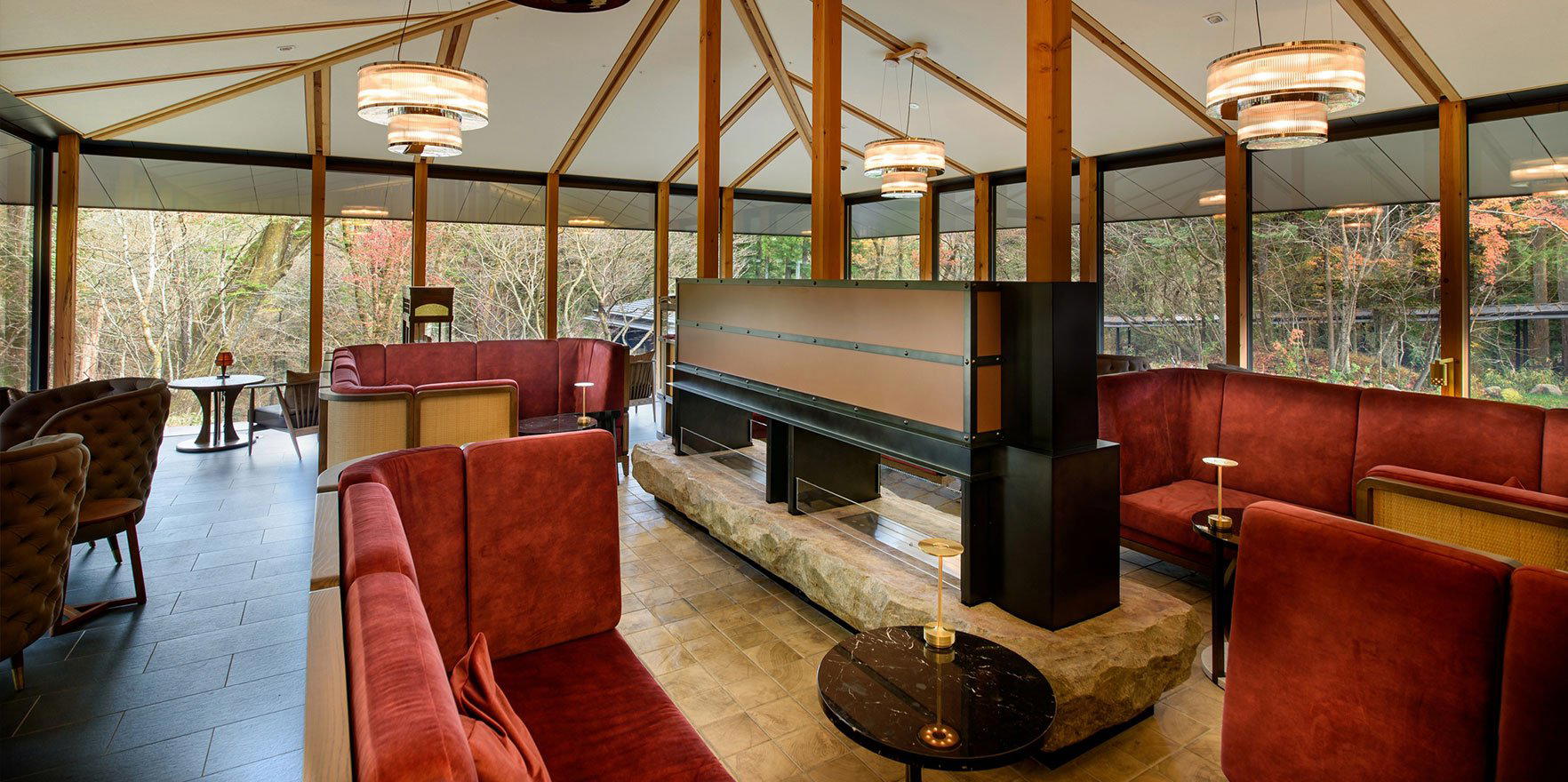
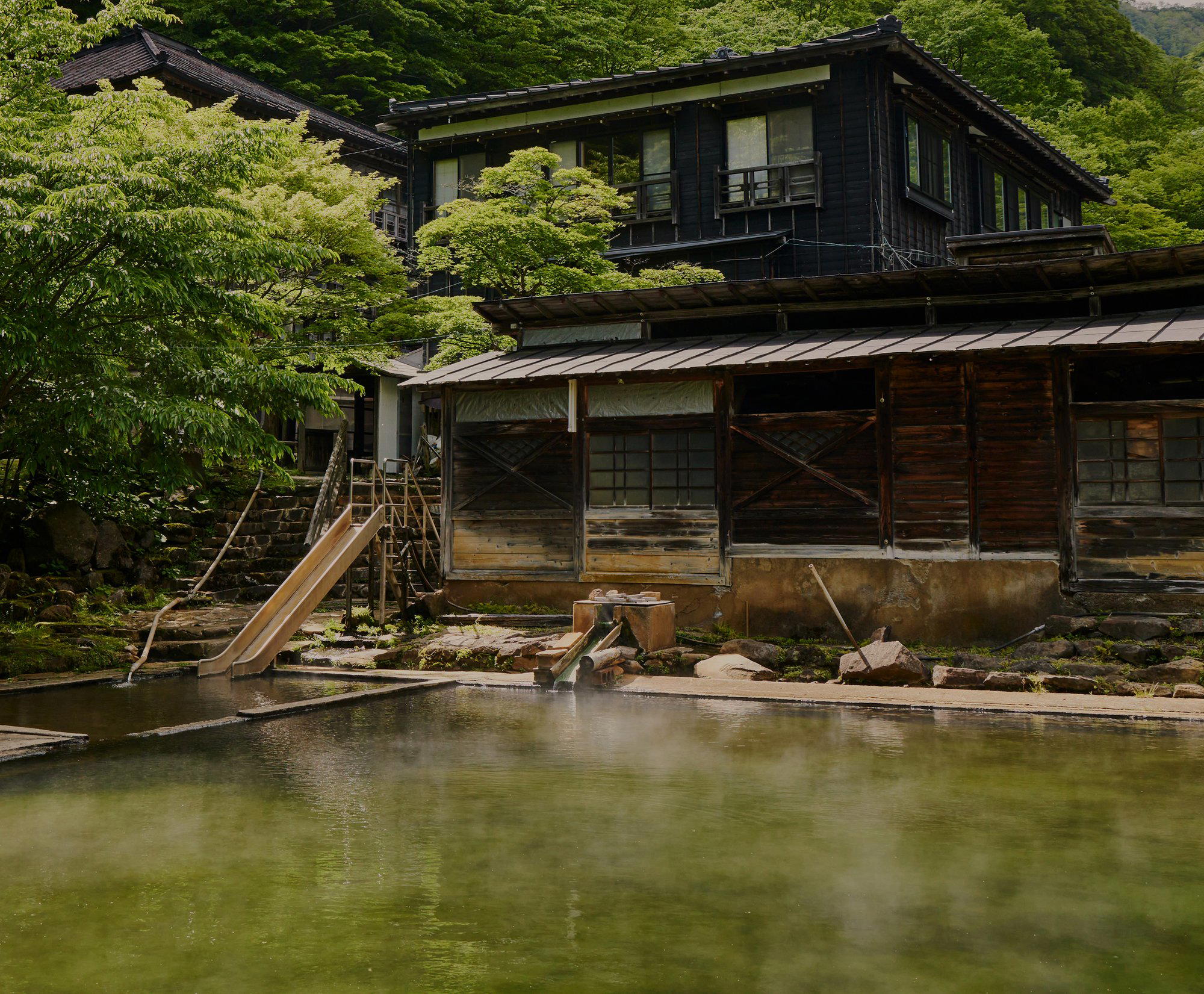
Atmosphere is that of a classic, no-frills countryside steakhouse attached to a long-standing butcher shop, with a relaxed, family-friendly feel focused on enjoying quality wagyu rather than fine-dining formality.