
Tabelog 100 #33
Our verdict
Cafe & Garden Shirasagi Tei places yoshoku and cafe culture inside Nasu’s dairy-country dining circuit, where garden rooms, terrace seating, and family travel matter as much as the plate. Its 2025 Tabelog 100 Yoshoku EAST selection gives it a stronger credential than the area’s casual cafe norm, while the setting at Cheese Garden Nasu Main Store ties the meal to the region’s milk-and-cheese identity.

Pearl is the En Primeur Club membership app — saves, bookings, and concierge access live there. Same editors, same standards.
- Address
- 栃木県那須郡那須町高久甲喰木原2888 チーズガーデン那須本店
- Phone
- +81287644848
- Website
- cheesegarden.jp
- Directions
- Get directions
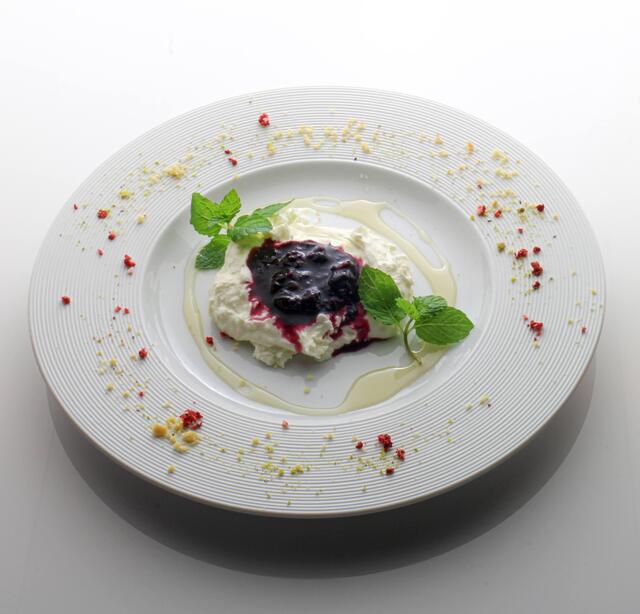
The menu
What to order
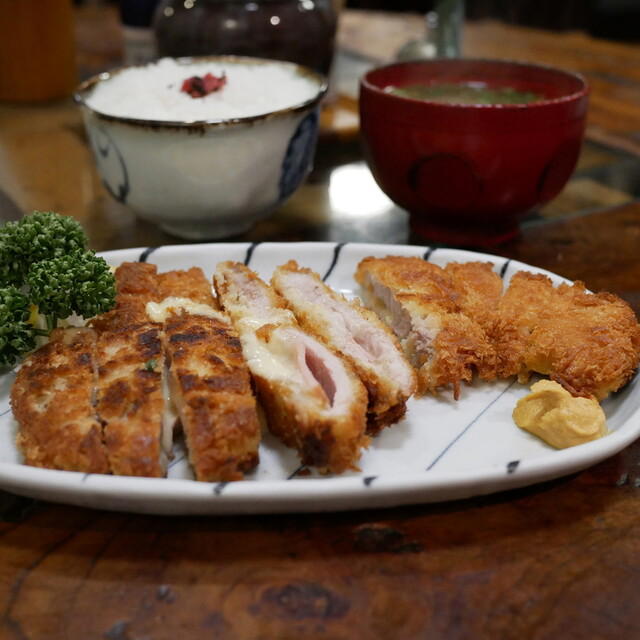
- Roast Loin Light Cutlet
- Shirasagi-tei Special Black Curry
- Fresh Cheesecake
- Three-Cheesecake Assortment Plate
Approaching the Cheese Garden Nasu Main Store, the signal is not urban polish but rural intent: a house-style restaurant, garden outlook, open terrace, and the kind of pacing that suits Nasu’s resort geography. Cafe & Garden Shirasagi Tei belongs to a part of Tochigi where eating is tied to pasture, dairy shops, road-trip stops, and family weekends rather than station-front density. That matters, because yoshoku in a resort town works differently from yoshoku in Tokyo. The Western-influenced grammar remains Japanese, but the meal is read through local leisure: coffee after a drive, a plate before shopping for cheese, a terrace when the weather allows, and a room that accepts children and pets without turning the format into a theme park.
Nasu's dairy belt gives yoshoku a different center of gravity
Yoshoku has always been a translation cuisine, shaped by Japanese ideas of Western sauces, cutlets, stews, gratins, omelets, and cafe plates. In Nasu-gun, the translation gains a regional accent because the area’s food identity leans heavily toward milk, cheese, beef, bread, and cafe culture. That is why the local circuit makes sense as a set: Minami Gaoka Bokujou Milk Chaya points directly to the farm-and-dairy side of Nasu, NASU SHOZO CAFE anchors the area’s coffee-and-cake mood at a lighter spend, and Penny Lane Nasu ten shows how bakery culture has become part of the same visitor rhythm.
Within that pattern, Cafe & Garden Shirasagi Tei occupies the more composed yoshoku-cafe lane. The 2025 Tabelog 100 Yoshoku EAST selection is the key trust signal, not because lists settle taste, but because they separate the restaurant from the many pleasant resort cafes that rely mainly on scenery. A Tabelog score of 3.50 and selection in a regional yoshoku category place it in a competitive bracket where execution, consistency, and category fit matter. Compared with Steak House Juraku Honten, which speaks more directly to Nasu’s beef-and-grill side at a similar spend, this is a softer proposition: cafe, garden, yoshoku, wine, and a room designed for lingering rather than a meat-led meal.
The room is part of the dining logic, not decoration
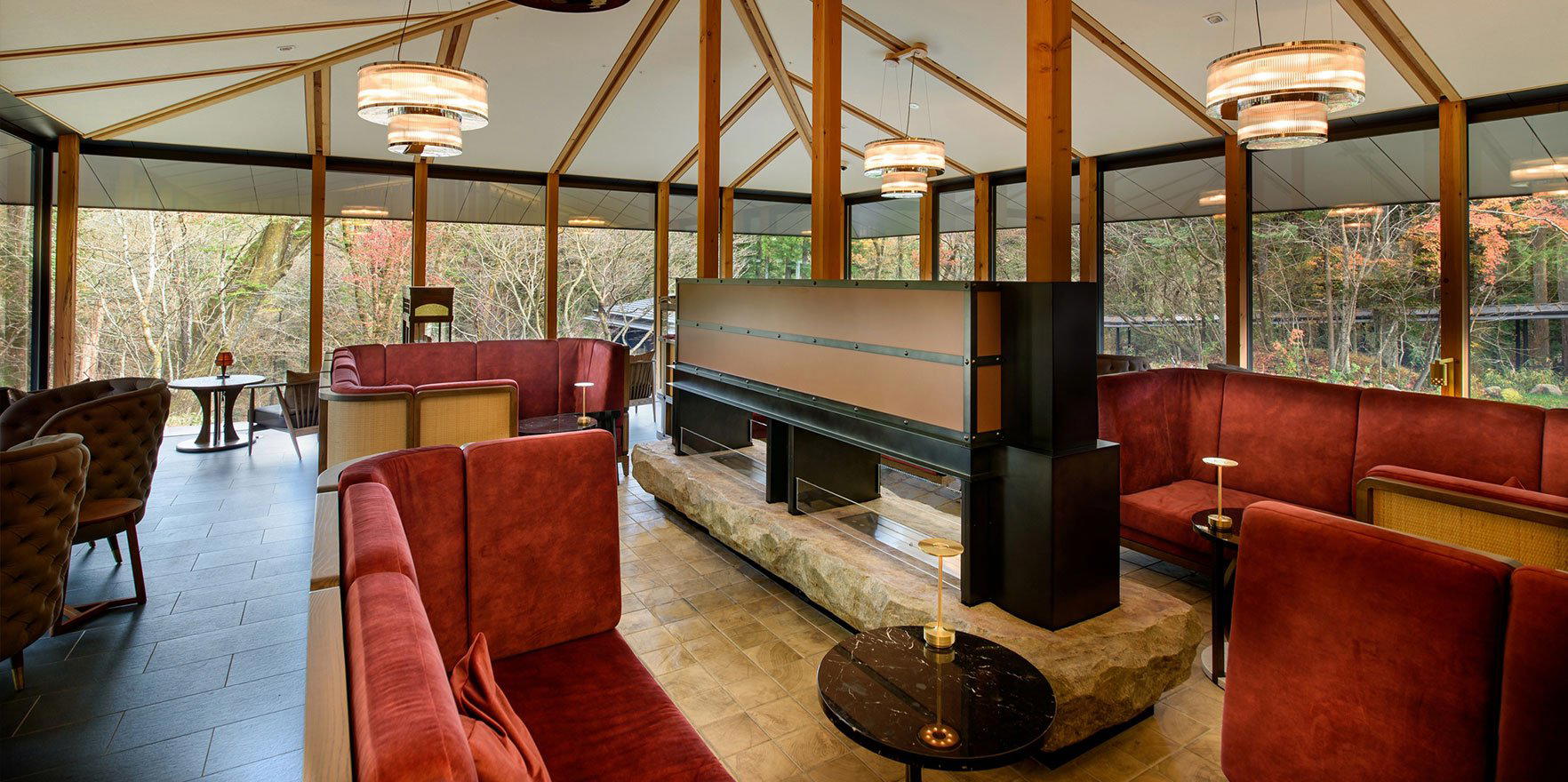
Resort dining often fails when the view becomes a substitute for judgment. Here, the setting is more structurally useful. A 60-seat, non-smoking dining room with an open terrace changes who the meal is for: families can use it without ceremony, friends can settle in without tasting-menu formality, and pet-friendly service makes sense in a car-based highland town. The house-restaurant format also suits Nasu’s seasonality. Spring and autumn bring the strongest reason to choose terrace-adjacent dining; winter shifts the appeal indoors, where sunlight and warmth matter more than a long evening service.
The sourcing angle is not about named farms or invented provenance; the smarter read is geographic. Nasu’s premium-food economy is built around dairy, cheese, bakeries, cafes, and beef, so yoshoku here naturally sits closer to cream, butter, coffee, wine, and family plates than to urban bistro minimalism. That is why a meal in this style pairs logically with the broader area rather than competing against it. Visitors comparing local routes can use Our full Nasu-gun restaurants guide for dining, then match the day with Our full Nasu-gun hotels guide, Our full Nasu-gun bars guide, Our full Nasu-gun wineries guide, or Our full Nasu-gun experiences guide depending on whether the trip is built around a meal, a drive, or a full weekend.
How to read it against Japan's broader casual dining scene
The useful comparison is not to formal French dining or chef-counter kappo. It is to Japan’s serious casual category, where regional restaurants can be low-key in format but tightly judged by repeat diners. That puts Cafe & Garden Shirasagi Tei closer to the national pattern of specialist everyday restaurants than to destination-only luxury. A traveler building a broader Japan food map might compare the logic with -Grilled beef Sukiyaki- KAMAKURA TANUKIAN 鎌倉 たぬき庵 in Kamakura for a more meat-specific format. 鮪と炭火焼き うお炭 秋葉原店 in Tokyo for urban seafood-and-grill energy, or.cafe in Osaka and.know in Kumamoto for cafe-led dining in other city settings.
That national context is useful because it prevents overreading the restaurant as a pure scenic stop. Japan’s casual dining strength often lies in narrow format discipline: curry specialists such as [Curry Senmon Ten] Maruyama Kyoju. in Sapporo, compact contemporary rooms such as [ki:] in Kyoto, and diaspora-adjacent Japanese formats abroad such as Jōdo Saké Bar in Los Angeles and Onigiri Time in Pasadena all show how category clarity can matter more than spectacle. In Nasu, that clarity comes through a yoshoku-cafe structure tied to gardens, dairy-country pacing, and a resort clientele that wants competence without stiffness. For a different casual Asian reference point within Japan, (Shoku) Vietnam in Kawasaki illustrates how format and city context can shift expectations even before the menu begins.
The editorial case is simple: this is a stronger choice for travelers who want Nasu’s food identity in a composed, accessible room than for diners chasing chef biography or rare counter theater. The award recognition gives it credibility; the garden setting gives it purpose; the local dairy-and-cafe culture gives it context. Read it as part of a Nasu day rather than as an isolated trophy meal, and the restaurant makes far more sense.
Frequently asked questions
Can I bring kids to Cafe & Garden Shirasagi Tei?
Yes. the public record lists children welcome, and the 60-seat room is set up for family friendly dining in Nasu-gun. The price range is JPY 3,000 - JPY 3,999, which keeps it in an accessible casual bracket. Check the venue's official channels for the latest details.
What's the vibe at Cafe & Garden Shirasagi Tei?
It reads as a non-smoking cafe and yoshoku room with a stylish space, relaxing space, and open terrace. Tabelog selected it for the Yoshoku EAST 100 in 2025, which gives the setting more weight than a standard roadside cafe.
What price level is Cafe & Garden Shirasagi Tei?
Pricing at Cafe & Garden Shirasagi Tei is listed as JPY 3,000 - JPY 3,999.
How do I find Cafe & Garden Shirasagi Tei?
Cafe & Garden Shirasagi Tei is located in Nasu-gun.
What's the best way to book Cafe & Garden Shirasagi Tei?
Do not plan on booking ahead, because the restaurant does not accept reservations and serves guests in arrival order. The practical move is to go during its daily hours, 9:30 AM to 6:00 PM, with food last orders at 5:00 PM.
Fast Comparison
Comparable venues by cuisine and price in the same metro.
| Venue | Cuisine | Price | Awards | Notes |
|---|---|---|---|---|
| Cafe & Garden Shirasagi TeiThis venue — the venue you are viewing | Garden cafe-restaurant by Cheese Garden | $10–20 | Tabelog 100 #33 | Not listed |
| Steak House Juraku Honten | Local Wagyu Steakhouse | $30–50 | Tabelog 100 #4 | Nasu-machi |
| Penny Lane Nasu ten | Beatles-themed British-style bakery café & Western restaurant | $20–30 | Tabelog 100 #27 | Nasu-machi |
| Minami Gaoka Bokujou Milk Chaya | Dining | Not listed | Tabelog 100 #49 | Nasu-gun |
| NASU SHOZO CAFE | Specialty coffee & scones cafe | $10–20 | Tabelog 100 #56 | / Nasu-machi, Nasu-gun |
| Nonokura (手打式超多加水麺 ののくら) | Handmade Ultra-High Hydration Ramen | Not listed | Not listed | Kameari |
Recognition history
Dated appearances from independent guides and award organizations, with the underlying list record or original source where available.
Tabelog 100 #33 · No. 33
Tabelog · Tabelog 100 - Yoshoku - EAST - 2025

Details
- Scenic
- Cozy
- Modern
- Classic
- Family
- Casual Hangout
- Group Dining
- Date Night
- After Work
- Garden
- Terrace
- Design Destination
- Standalone
- Garden
- A La Carte
- Tea
- Coffee
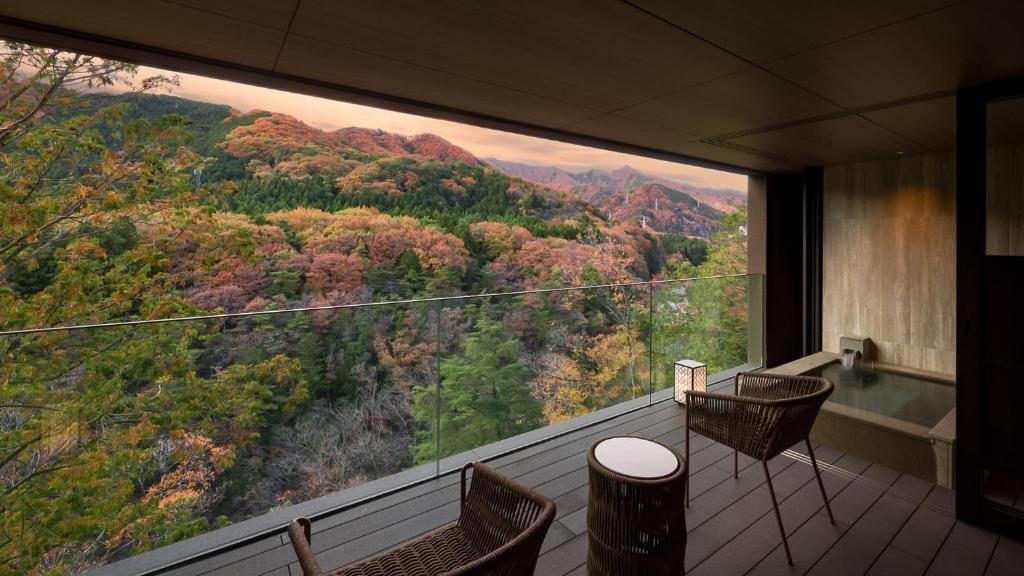
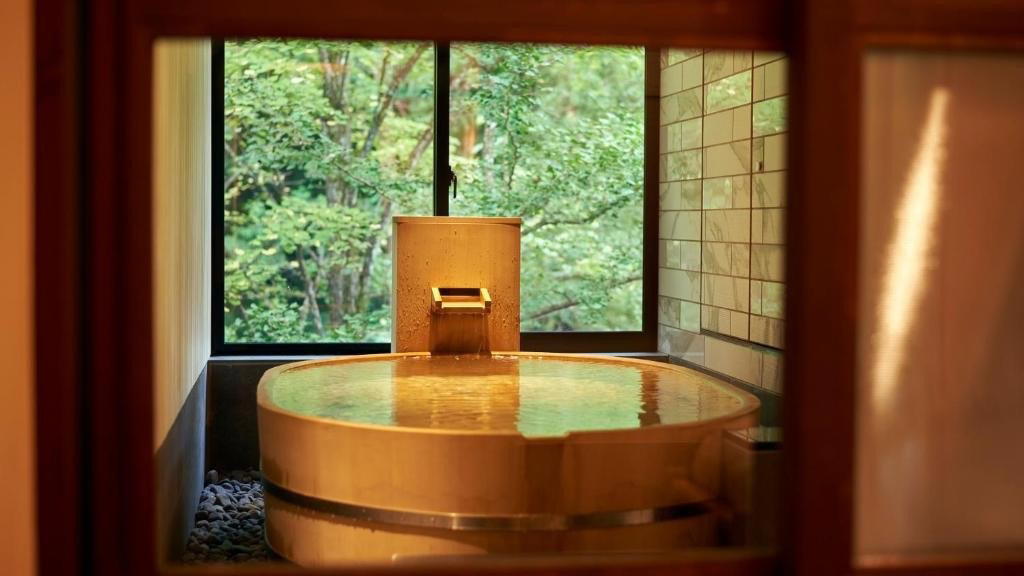
Bright, glass-walled dining room with views of a landscaped garden and seasonal Nasu nature, creating a relaxed, resort-like atmosphere complemented by the sounds of water and birds and a leisurely cafe-restaurant feel.