Kita Onsen sits at the end of a mountain track in Nasu, Tochigi, operating as one of Japan's most architecturally raw and temporally disorienting ryokan experiences. The property's structures date back centuries and have been maintained rather than renovated, placing it in a distinct category among Japan's hot spring inns. For travellers drawn to living heritage over polished presentation, Nasu's mountain setting provides the context.

Pearl is the En Primeur Club membership app, where members save venues, book tables and use the concierge.
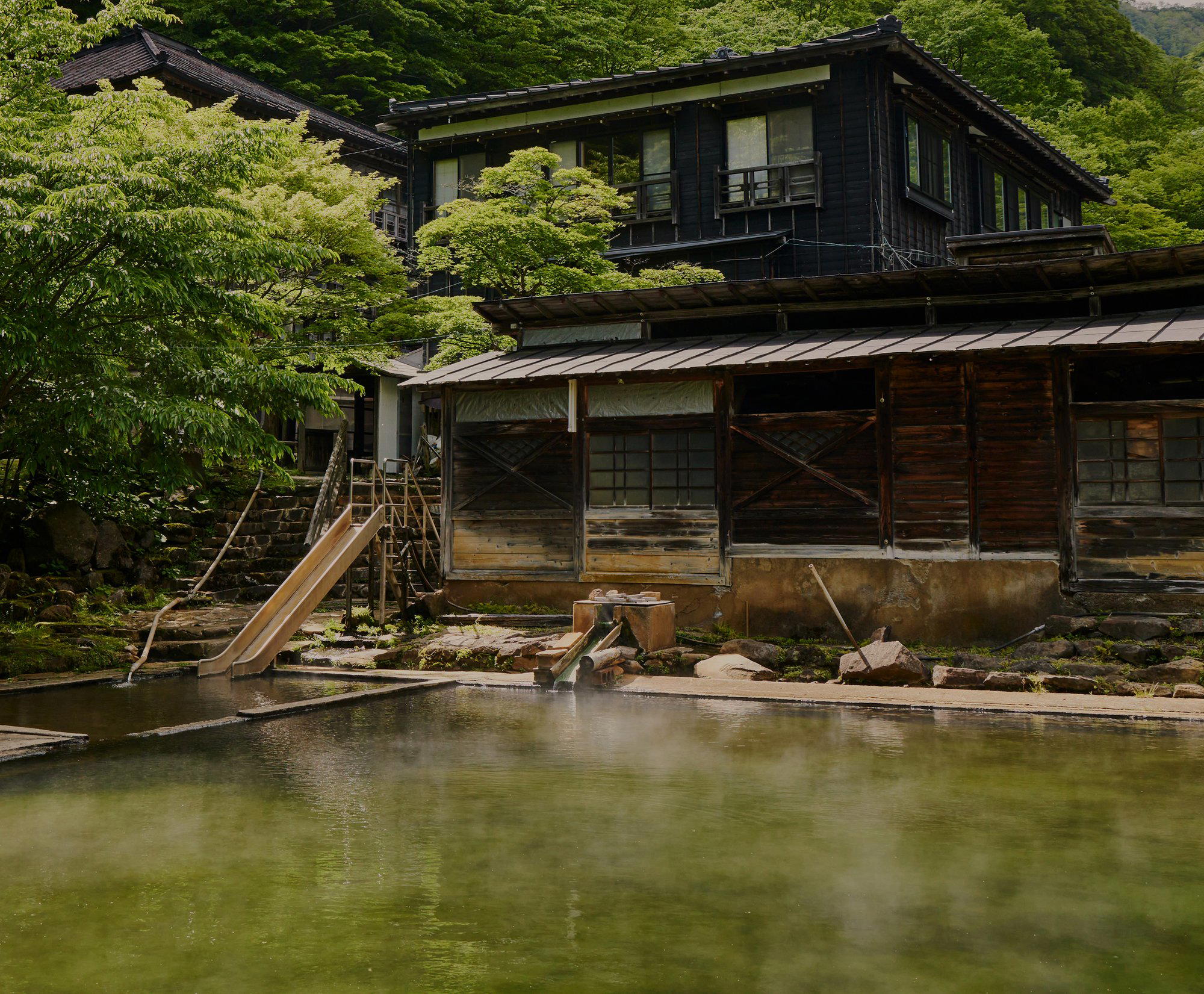
A Structure That Refuses to Be Restored
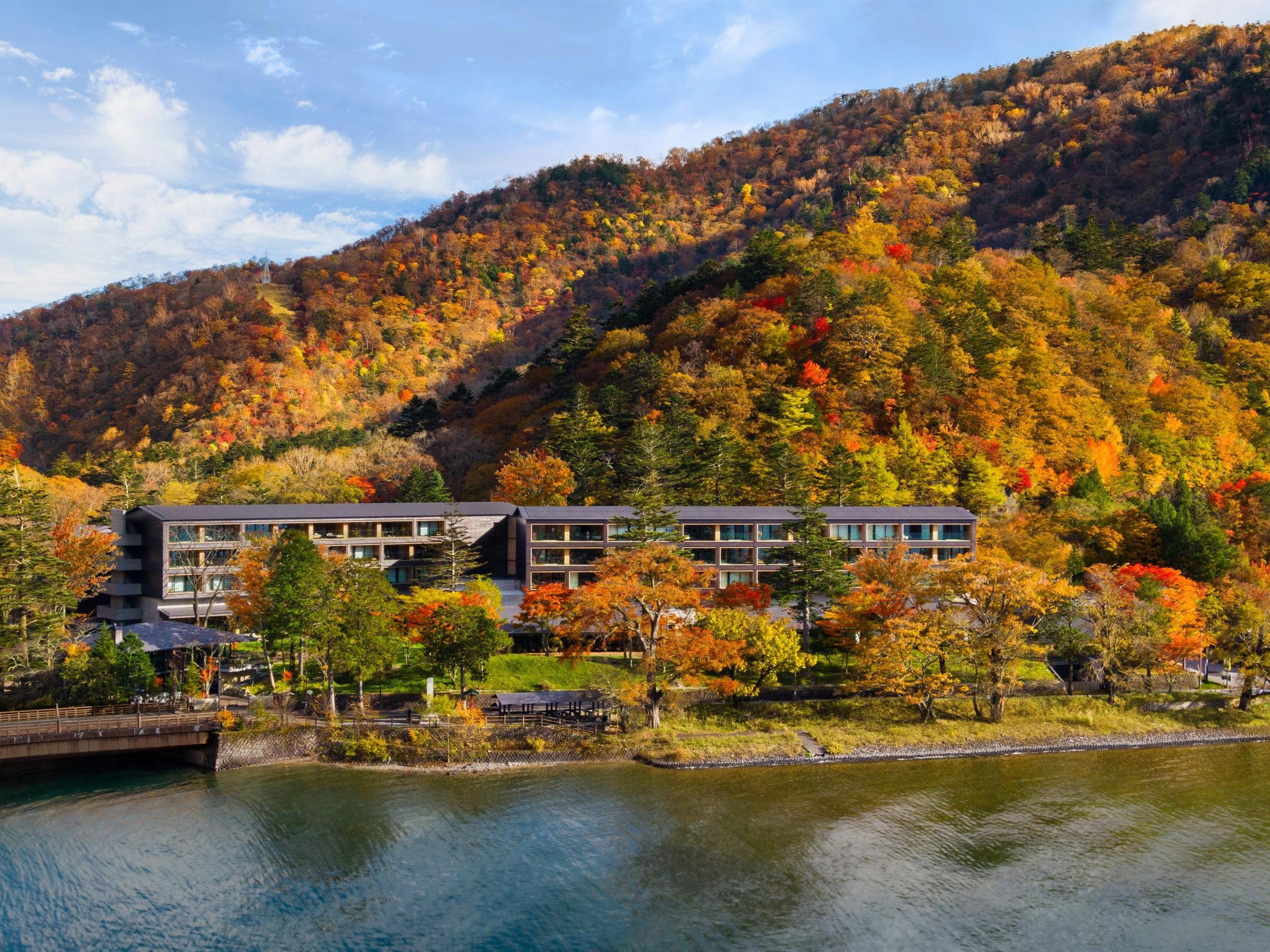
Most of Japan's premium ryokan circuit has converged on a recognisable aesthetic: reclaimed timber surfaces, curated ceramics, and onsen pools designed for the camera as much as the body. Kita Onsen, at 151 Yumoto in the mountains above Nasu, Tochigi Prefecture, operates in a different register entirely. The buildings here are not designed to recall antiquity, they are antique, held together by decades of pragmatic maintenance rather than architectural intervention. Approaching the property along a forested road that follows the Nasu river upstream, the inn resolves slowly out of the tree line: weathered wood, low rooflines, and a mist that has little to do with atmosphere and everything to do with the thermal activity below ground.
This places Kita Onsen in a rare subcategory of Japanese hospitality, properties where the physical structure is the primary credential, not a backdrop for designed luxury. Where places like Gora Kadan in Hakone or Asaba in Izu have invested generations of curatorial attention in refinement and surface, Kita Onsen's architectural statement is made through deliberate non-intervention. The patina on the timber is not applied; it is accumulated.
What the Building Teaches About Onsen Culture
Japan's onsen ryokan tradition is long enough and varied enough that the category has fractured into at least three distinct tiers. At one end sit properties operated by international hospitality groups, where the onsen experience is one amenity among several and the architecture speaks a broadly international luxury vocabulary, Amanemu in Mie or Halekulani Okinawa occupy different versions of this space. At the other end are the historic family-run inns, some operating continuously for multiple generations, where the hospitality format has changed less than the water pressure in the pipes. Kita Onsen belongs emphatically in the second category.
The structural logic of the property follows the terrain rather than imposing on it. Corridors connect buildings at irregular angles; floors are uneven in ways that signal age rather than neglect. The baths themselves, and for most visitors this is the central reason to make the journey, draw directly from the geothermal sources that define Nasu as a destination. The Nasu highlands have been a thermal resort since the Edo period, popular historically with the imperial household as a summer retreat, which gives the area a cultural weight that extends well beyond the natural scenery.
Among the region's onsen properties, Kita Onsen occupies a position that newer or more design-conscious competitors cannot easily replicate. Nasu Mukunone represents the contemporary end of the local market, with a considered design approach and the kind of materials vocabulary that reads immediately as premium. Kita Onsen's authority comes from the opposite direction: from duration, from structural continuity, and from the specific quality of an environment that has not been optimised.
Architecture as Argument
The editorial angle on Kita Onsen is architectural in the broadest sense, not the architecture of designed spaces, but of accumulated ones. The relevant comparison is not to properties with noted architects attached, like Benesse House in Naoshima with its Tadao Ando structures, or Zaborin in Kutchan with its precisely composed minimalism. The argument Kita Onsen makes is that a building shaped by continuous habitation and functional necessity over generations produces an atmosphere that no design brief can replicate.
This is a position with real currency in contemporary travel thinking. As properties across the Japanese ryokan circuit compete on design credentials, ENOWA Yufu in Yufu, Azumi Setoda in Onomichi, and Fufu Kawaguchiko in Fujikawaguchiko each represent a version of the new-build or heavily renovated approach to Japanese hospitality, the market for genuinely historic fabric has become more specific, not less. Travellers who have already encountered the polished end of the ryokan format and are looking for something with more structural honesty are the natural audience for Nasu's mountain inn.
The ryokan traditions at properties like Nishimuraya Honkan in Kinosaki-cho or Araya Totoan in Kaga demonstrate that historic inns can be maintained to high standards without losing the physical integrity that makes them compelling. Kita Onsen operates in a similar mode, though the Nasu setting gives it a character that is distinctly rougher at the edges, mountain terrain rather than spa-town civility.
Getting to Nasu, and When to Go
Nasu is accessible from Tokyo in approximately two hours by shinkansen to Nasu-Shiobara Station, followed by a road transfer into the highlands. The journey to Kita Onsen itself requires the final approach by a mountain road that becomes less navigable in heavy snow, which makes autumn, when the Nasu foliage turns and the crowds from the summer peak have thinned, the period most recommended by travellers familiar with the area. Spring, when the snowmelt feeds the streams and the forest recovers, offers a second window. High summer brings significant visitor numbers to the Nasu plateau, which can reduce the sense of isolation that is one of the property's primary assets.
For those planning a broader Tochigi circuit, Fufu Nikko in Nikko offers a logical pairing, the UNESCO-listed Toshogu shrines and the Kita Onsen experience address different registers of Japanese heritage within the same prefecture. Further afield, Atami Izusan Karaku in Atami and Beniya Kofuyuden in Awara represent comparable historic ryokan formats in their respective regions, useful reference points for travellers calibrating where Kita Onsen sits in the national context.
For those travelling from or through Tokyo, the hotel landscape at the capital's upper end, Bvlgari Hotel Tokyo or Aman New York for international comparisons, occupies a different universe of hospitality than a Nasu mountain inn, which is precisely the point. The contrast is part of why the journey matters. Our full Nasu restaurants guide covers the broader dining and accommodation picture for the plateau.
Kita Onsen does not have a website or published phone number in standard directories, which means bookings typically require either direct contact through Japanese-language channels or assistance from a travel specialist. This friction is itself a signal: the property has not configured itself for easy international access, which filters its guest profile toward those willing to work for the experience. That dynamic is worth accounting for before committing to the itinerary.
Quick Comparison
| Venue | Price | Awards |
|---|---|---|
| Kita Onsen(株)北温泉旅館This venue (the venue you are viewing) | $1–100 | Not listed |
| Bvlgari Hotel Tokyo | Not listed | 3 Michelin Keys · World's 50 Best #24 |
| Aman Kyoto | Not listed | 2 Michelin Keys · World's 50 Best #74 |
| Aman Tokyo | Not listed | 2 Michelin Keys · World's 50 Best #11 |
| Amanemu | Not listed | 3 Michelin Keys · La Liste Top Hotels |
| Four Seasons Hotel Tokyo at Otemachi | Not listed | 3 Michelin Keys · La Liste Top Hotels |
Continue exploring
More in Nasu
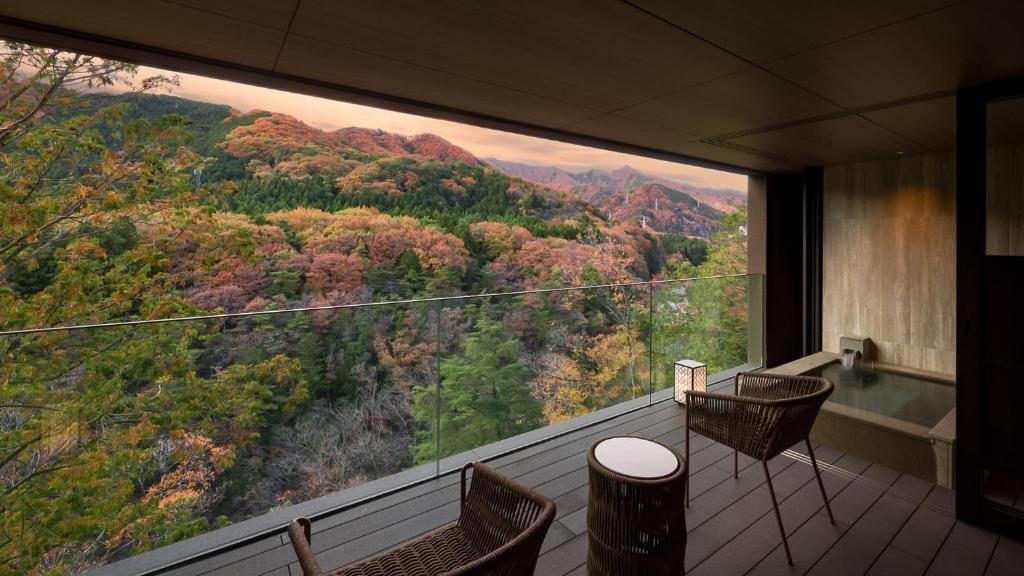
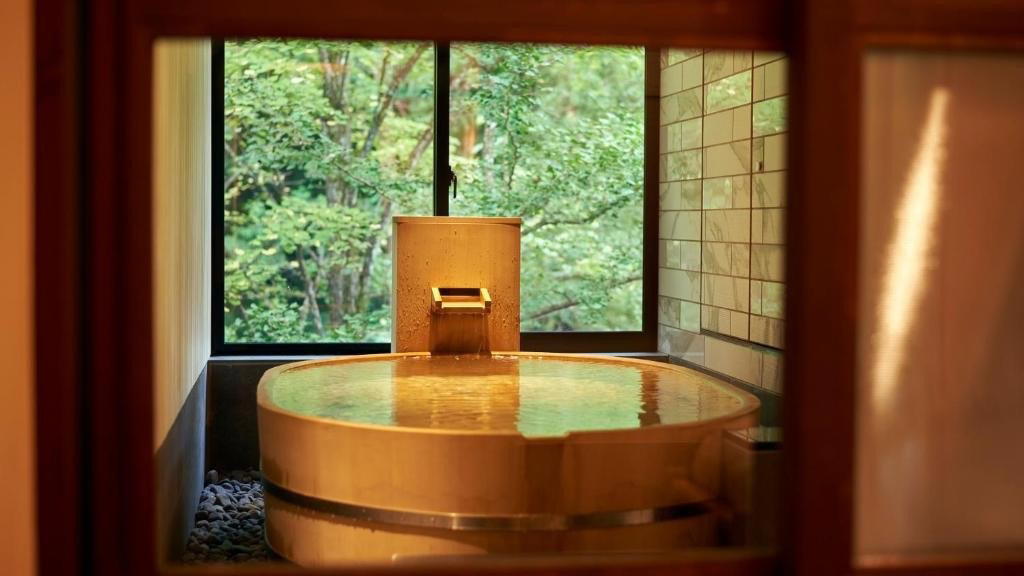
Hotels in Nasu
All hotels in Nasu →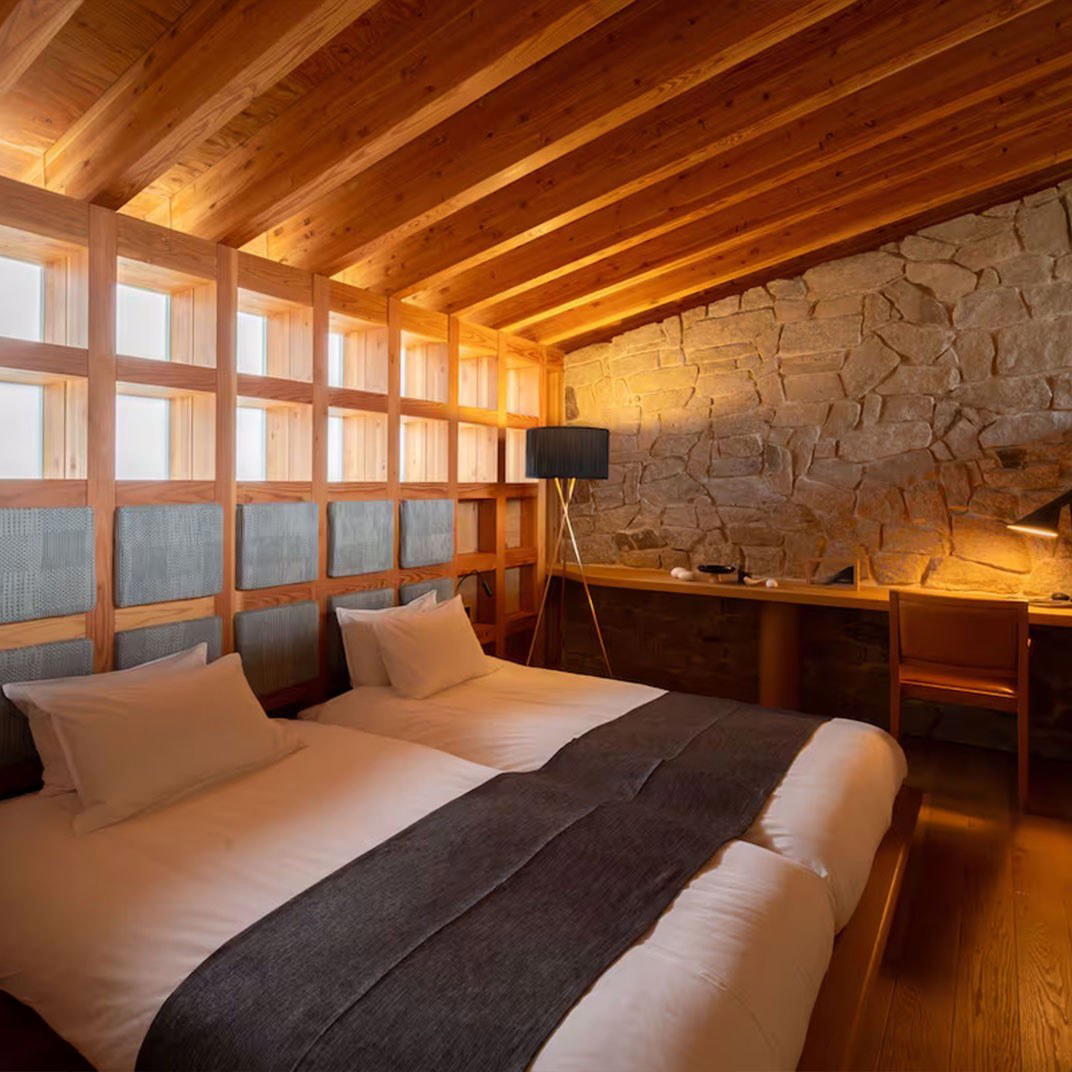

Details
- Rustic
- Historic
- Cozy
- Quiet
- Scenic
- Romantic Getaway
- Wellness Retreat
- Weekend Escape
- Historic Building
- Panoramic View
- Wi Fi
- Mountain
- Garden
Darkened wooden beams from mineral steam, sulfur-laden air, creaking corridors evoking centuries of history in a serene mountain setting.