Teuchi Homura

Teuchi Homura puts Nasushiobara’s ramen scene into sharp focus: regional, practical, and judged by craft rather than spectacle. Its Tabelog Ramen EAST “Tabelog 100” selections in 2024 and 2025 place it among eastern Japan’s serious ramen addresses, while the house-restaurant setting keeps the experience closer to a local lunch ritual than a destination dining production.
Pearl is the En Primeur Club membership app — saves, bookings, and concierge access live there. Same editors, same standards.
- Address
- 374-2 Kamiatsusaki, Nasushiobara, Tochigi 325-0026, Japan
- Phone
- +81 287-63-4010
- Website
- twitter.com
- Directions
- Get directions
 Saves & bookings on Pearl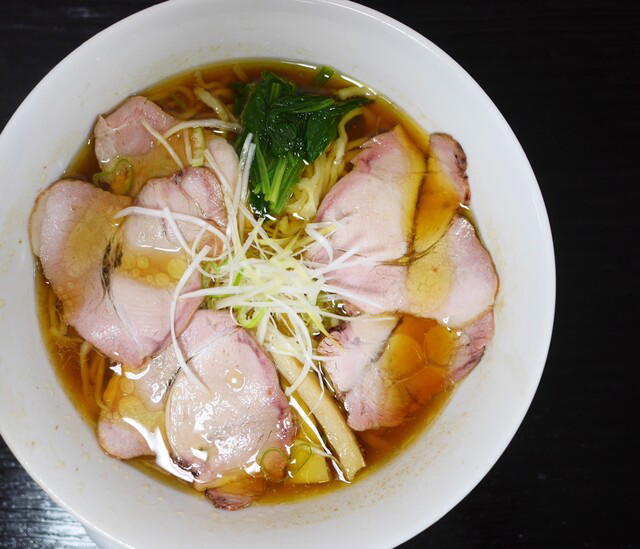
Approaching a ramen shop in Nasushiobara changes the dining rhythm before the bowl arrives. This is not the station-front model built only for commuters, nor the urban counter where turnover becomes theatre. The setting signals a different kind of seriousness: a regional shop close enough to everyday use yet recognised beyond the local lunch circuit.
That tension matters in Tochigi. Ramen outside Tokyo often has to prove itself twice, first to neighbourhood regulars and then to travelling ramen obsessives who measure noodles, broth structure, and value against a far broader field. Teuchi Homura enters that conversation through recognition rather than self-mythology: selection in the 2025 Tabelog Hyakumeiten for ramen, with a Tabelog score of 3.74, gives it a clear external signal in a category where small differences in craft carry disproportionate weight.
Ramen with a regional rather than urban tempo
The name points toward a craft-focused proposition, but the public facts are best kept tight: Teuchi Homura is recognised as a ramen venue, not as a place that needs invented detail around technique, producers, or kitchen biography. In ramen culture, the essentials still matter. Noodles, broth, timing, and balance determine whether the final mouthful feels disciplined or tired.
Nasushiobara’s broader food scene rewards that kind of specificity. The area is known to many travellers for regional dining, cafés, and tourism rather than for a dense ramen crawl, so a ramen shop with Tabelog recognition reads as a marker of depth in a smaller market. Nearby dining choices pull in different directions: other Nasushiobara dining rooms speak to the local restaurant circuit, L'Atelier Monsieur represents a more composed dining register, and NAOZO sits in the casual regional tier. Ramen here is not filler between sightseeing stops; it is one of the clearer ways to read how everyday Tochigi dining balances craft and restraint.
The ingredient-sourcing angle is not about named farms or producer lists, because the public facts do not support that level of specificity. The more reliable reading is structural. A focused ramen shop has to make repeated decisions every service: how the bowl eats, how quickly it changes, and whether value and consistency hold together. In a regional ramen setting, those choices carry the identity of the meal more forcefully than luxury garnish or imported prestige ingredients.
Why Tabelog recognition matters more in a low-price ramen room
Ramen awards can be noisy, but the Tabelog Hyakumeiten format has particular relevance for travellers because it separates specialist shops from general dining acclaim. Selection by that guide places a shop into a field beyond ordinary local word of mouth. For a Nasushiobara venue, that is a meaningful comparative signal: it suggests the appeal travels beyond local convenience and into a wider ramen-ranking culture.
The economics sharpen the point. Premium dining often uses price as a shortcut for seriousness; ramen cannot lean on that logic in the same way. Teuchi Homura’s listed budget is under JPY 1,000 for both lunch and dinner, so the bowl has to justify attention through repeatability, timing, and balance. That makes recognition in this category less about ceremony and more about throughput craft: how consistently the shop can deliver a focused meal at everyday scale.
There is also a useful contrast with Nasushiobara-area cafés and destination restaurants. Cafe & Garden Shirasagi Tei and NASU SHOZO CAFE operate in a more leisurely regional-café tradition, while shaki shaki points toward a different casual register. Teuchi Homura belongs to the sharper end of the spectrum: brief meal, concentrated format, quick judgment. Travellers building a day around the area can use the broader Nasushiobara dining map, then widen the trip through local stays, bars, wineries, and our full Nasushiobara experiences guide.
A practical ramen stop for travellers who value craft over ceremony
The appeal explains the audience as much as the food does: this is a ramen stop for people who want the main event to be the bowl rather than a long-form restaurant performance. The format keeps the experience rooted in ordinary local dining, which is part of the point. Treat the meal as a practical Nasushiobara ramen decision rather than a fixed fine-dining appointment.
Payment, seating, and service details should be checked before visiting rather than assumed from ramen-shop stereotypes. What can be said with confidence is narrower and more useful: Teuchi Homura is a recognised Nasushiobara ramen venue with a low listed budget and a 2025 Tabelog Hyakumeiten signal. That combination frames the visit clearly without needing invented extras about hospitality polish or operational rules.
For travellers comparing Japanese dining formats beyond Nasushiobara, the contrast is instructive. A formal regional meal, a seafood-and-grill address, or a café-led itinerary asks for a different kind of attention. Regional ramen compresses the argument into a shorter sitting. That same compression also separates it from other unnamed dining rooms across Japan, where the reader’s expectations shift by cuisine, city, and service format.
The editorial case is narrow but strong: go for a regional ramen benchmark with credible outside recognition, not for luxury theatre. Travellers comparing it with Japanese-food references abroad will find the contrast useful. In Nasushiobara, ramen’s force comes from discipline at everyday scale, and this is exactly the category where small technical choices do the heavy lifting.
A Quick Peer Check
Comparable venues by cuisine and price in the same metro.
| Venue | Cuisine | Price | Notes |
|---|---|---|---|
| Teuchi Homura | Award‑winning hand‑made ramen | $ | Kuroiso |
| Kurumi Tei | Traditional soba (juwari) & sake | $$ | Nasushiobara |
| NAOZO | Stone-oven bakery & café | $$ | Nasu, Kuroiso / Nasu Shiobara |
| L'Atelier Monsieur | Modern French Fine Dining with Local Japanese Influences | $$$$ | Nasushiobara |
| Wakasa Nomise | Japanese Izakaya | $ | Rishiri Island |
| ラーメン亭「十五夜」 | Japanese Ramen | $ | Kushiro |
Recognition history
Dated appearances from independent guides and award organizations, with the underlying list record or original source where available.
Tabelog 100 #37 · No. 37
Tabelog · Tabelog 100 - Ramen - EAST - 2025
Continue exploring
More in Nasushiobara
Restaurants in Nasushiobara
Browse all →

Bars in Nasushiobara
Browse all →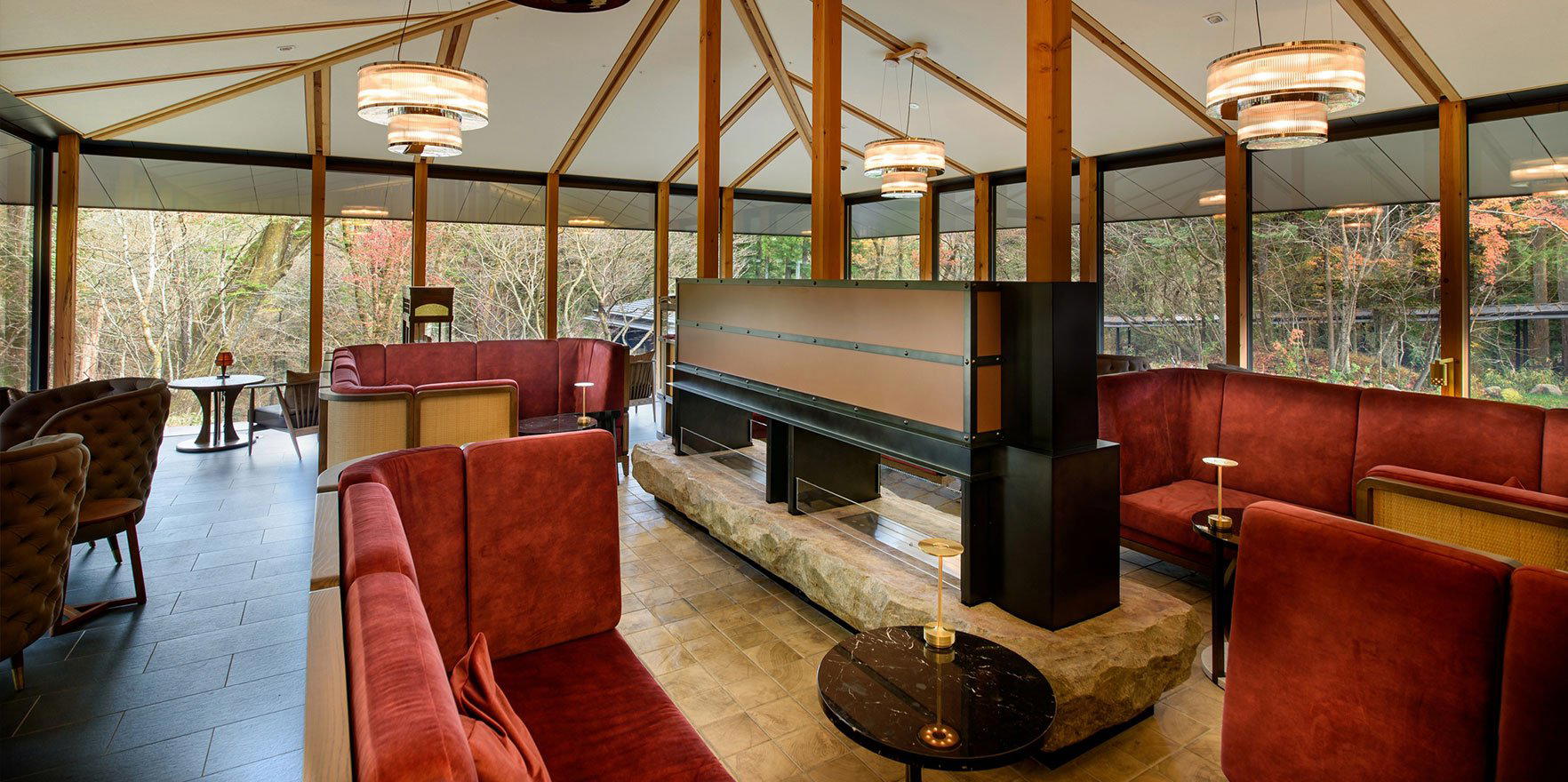
Hotels in Nasushiobara
Browse all →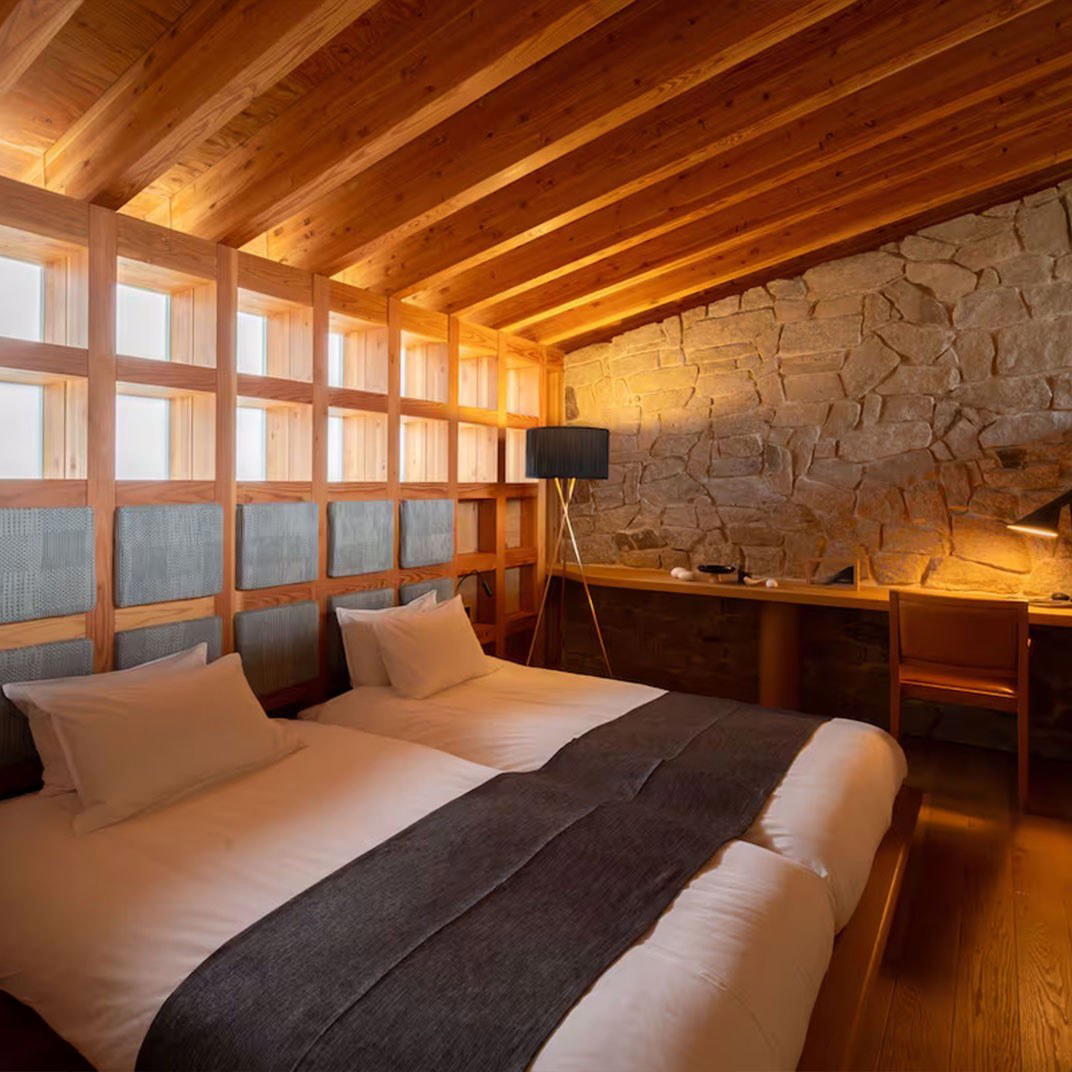
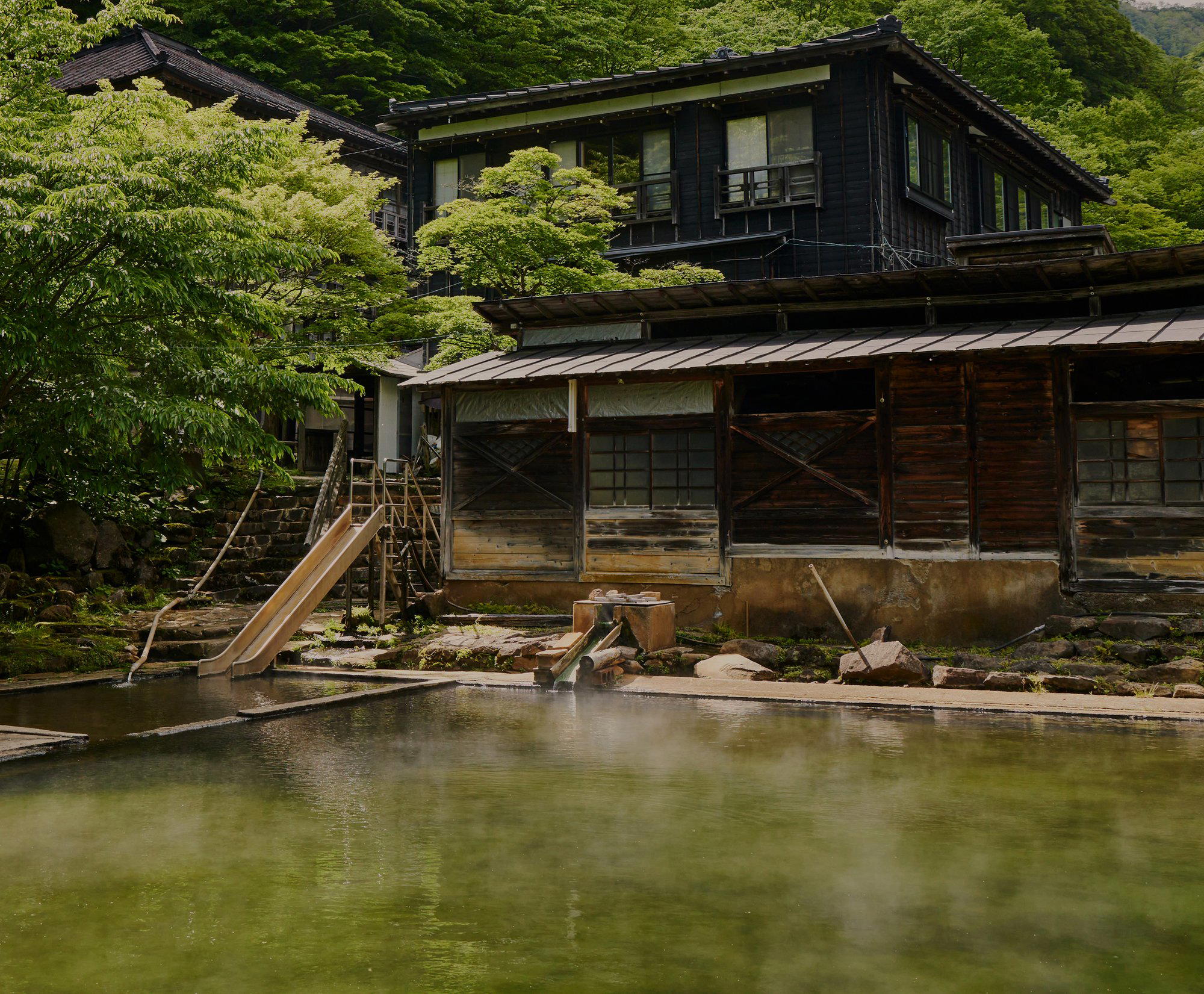
At a Glance
- Cozy
- Lively
- Classic
- Solo
- Family
- Casual Hangout
- Standalone
Current opening hours
- Monday
- 11 AM–3 PM
- Tuesday
- Closed
- Wednesday
- 11 AM–3 PM
- Thursday
- 11 AM–3 PM
- Friday
- 11 AM–3 PM
- Saturday
- 11 AM–3 PM
- Sunday
- 11 AM–3 PM
Hours can change for holidays and private events. Last verified .
A small, house‑like ramen shop with an informal, bustling atmosphere centered on the open preparation of hand‑made noodles; it feels like a cozy local favorite rather than a polished designer space.
Know Before You Go
- Reservations
- Walk in friendly
- Dress code
- Casual
- Getting there
- 374-2 Kamiatsusaki, Nasushiobara, Tochigi 325-0026, Japan