
Lanxi Gourmet holds a 2025 Michelin Bib Gourmand for its Zhejiang cooking in Hangzhou's Xihu district, priced at the accessible ¥¥ tier. The kitchen draws on the classical Zhejiang canon, the same tradition behind the city's most celebrated tables, without the premium pricing that defines the Ru Yuan or Hangzhou House tier. A reliable address for regional cooking in a city where serious dining often commands serious prices.
Pearl is the En Primeur Club membership app — saves, bookings, and concierge access live there. Same editors, same standards.
- Address
- China, Zhejiang, Hangzhou, Xihu, 古墩路梅园路 邮政编码: 310012
- Phone
- +86 180 6988 0295
- Directions
- Get directions
 Saves & bookings on Pearl
Where the Zhejiang Canon Holds Its Ground
Walk the streets around Gǔdūn Road in Hangzhou's Xihu district and the dining scene reads in layers. The boulevard itself is lined with the kind of neighbourhood restaurants that Hangzhou residents actually use, practical, unshowy, built around the food rather than around the room. Lanxi Gourmet occupies this register. The address, at the junction of Gǔdūn Road and Méiyuán Road, places it inside a residential and commercial mix that keeps the clientele local, and where the test of a kitchen is consistency across ordinary weekday lunches, not only showcase dinners.
That context matters because Michelin's 2025 Bib Gourmand award is a mark of quality cooking at accessible prices. The Bib Gourmand designation signals value and reliability. In a city where Zhejiang fine dining at the ¥¥¥¥ tier, represented by addresses like Ru Yuan, and the ¥¥¥ bracket occupied by places like Guiyu (Xihu), Jie Xiang Lou, and Hangzhou House, the ¥¥ tier with Michelin validation is a meaningful position to hold.
Reading the Menu as a Document of Zhejiang Tradition
Zhejiang cuisine is one of the eight recognized schools of Chinese cooking, and its identity is built around freshwater ingredients, light seasoning, and a preference for technique that coaxes natural flavour rather than adding layers of heat or spice. The province's geography does most of the explanatory work: the Grand Canal, West Lake, the Qiantang River estuary, and the coastal shelf north of Ningbo all feed into a regional pantry defined by freshwater fish, seasonal vegetables, bamboo shoots, and cured pork. Vinegar and rice wine are the seasoning architecture; slow braises and careful steaming are the dominant techniques.
At restaurants operating in this tradition, the menu's structure tends to reflect that seasonal and ingredient-led logic. A well-organized Zhejiang menu moves through cold starters, where pickled and preserved items establish the kitchen's relationship with fermentation and curing, into hot dishes arranged by protein category, and then into braised or slow-cooked preparations that are often the technically demanding. The rice or noodle component arrives last, a structural convention that differs from Western sequencing but aligns with the pacing of a Chinese shared-table meal. How a kitchen handles this sequencing, and how closely the dish list tracks what is actually in season, tells you more about its seriousness than any single dish can.
Lanxi Gourmet's ¥¥ pricing across this format positions it differently from the city's more formal expressions of the same tradition. At Longjing Manor, the Zhejiang menu is framed by scenery and ceremony; at Ru Yuan, it is framed by premium ingredients and extended service. Here, the frame is the food itself. The Bib Gourmand classification implies that the kitchen works the same culinary vocabulary at a tighter price point.
Zhejiang Cooking Beyond Hangzhou
Understanding Lanxi Gourmet's position in the Hangzhou dining structure is easier when you map the Zhejiang tradition across the cities where it appears at different registers. Zhejiang Heen in Hong Kong represents the cuisine translated for an international luxury market, where ingredient sourcing and room quality price it several multiples above what Hangzhou's mid-tier delivers. Rong Rong Yuan in Taipei offers another external reading of the same tradition. Back on the mainland, the broader East China fine dining circuit, which includes addresses like 102 House in Shanghai and the Taizhou-rooted Xin Rong Ji (Xinyuan South Road) in Beijing and Xin Rong Ji in Chengdu, illustrates how East China coastal cooking scales in prestige and price when removed from its home territory.
The more useful comparison for the restaurant, however, is within Hangzhou itself. The city's Michelin selection spans a range from starred rooms like those at the summit of the Xihu dining tier down to Bib Gourmand addresses that serve the same culinary tradition at a fraction of the cost. Michelin's 2025 guide placed the restaurant in this bracket, confirming consistent quality in a city that takes regional cooking seriously.
The Practical Case for the ¥¥ Tier
For travellers whose Hangzhou itinerary already includes one or two meals at the ¥¥¥ or ¥¥¥¥ level, the Bib Gourmand tier serves a different scheduling purpose. It is where you eat when you want to understand what the city's cooking looks like without the formal dining apparatus, and where the comparison with higher-priced peers is most instructive. Eating both registers in a single trip, at a significant price gap, is one of the more efficient ways to calibrate what premium Zhejiang cooking is actually buying you beyond the baseline.
The restaurant's Xihu district location places it within reach of the West Lake area and the broader Gǔdūn Road corridor, a stretch that has a denser concentration of working neighbourhood restaurants than the more tourist-facing streets closer to the lake. The ¥¥ price band means a shared meal for two typically runs well below the threshold of the city's formal Zhejiang rooms. Confirm service times before visiting, particularly for lunch.
For regional Chinese cooking at the higher end across other cities, Chef Tam's Seasons in Macau, Imperial Treasure Fine Chinese Cuisine in Guangzhou, and Dai Yuet Heen in Nanjing offer useful points of comparison across formats and price tiers.
Cost Snapshot
Comparable venues nearby, for context on price, style, and recognition.
| Venue | Cuisine | Price | Awards | Notes |
|---|---|---|---|---|
| Lanxi GourmetThis venue — the venue you are viewing | Hangzhoushi, Zhejiang Cuisine | $$ | Bib Gourmand | Not listed |
| Nan Feng Fan Dian | Yuhangxian, Authentic Xiaoshan Cuisine | $$ | Bib Gourmand | Not listed |
| Qing Tao | Not listed | $$ | Bib Gourmand | Hangzhoushi, Modern Zhejiang (Jiangnan) Cuisine |
| Hang's Delicacy (Xihu) | Yuhangxian, Hangzhou Cuisine | $$ | Michelin Plate | Not listed |
| Fang Lao Da (Shangcheng) | Hangzhoushi, Hangzhou-Style Noodles | $$ | Bib Gourmand | Not listed |
| Kui Yuan Guan (Jiefang Road) | Hangzhoushi, Hangzhou-style Noodles | $$ | Michelin Plate | Not listed |
Recognition history
Dated appearances from independent guides and award organizations, with the underlying list record or original source where available.
Michelin Bib Gourmand
Michelin
At a Glance
- Elegant
- Cozy
- Sophisticated
- Business Dinner
- Special Occasion
- Standalone
- Local Sourcing
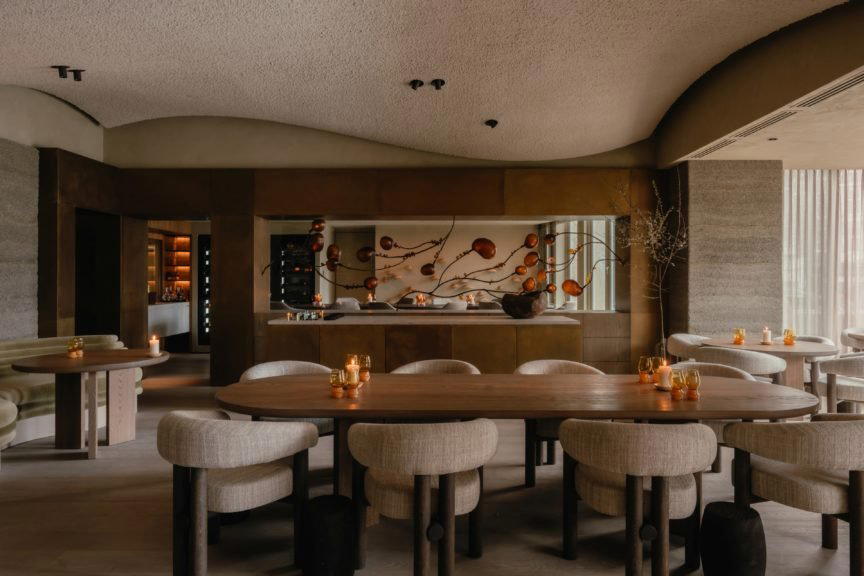
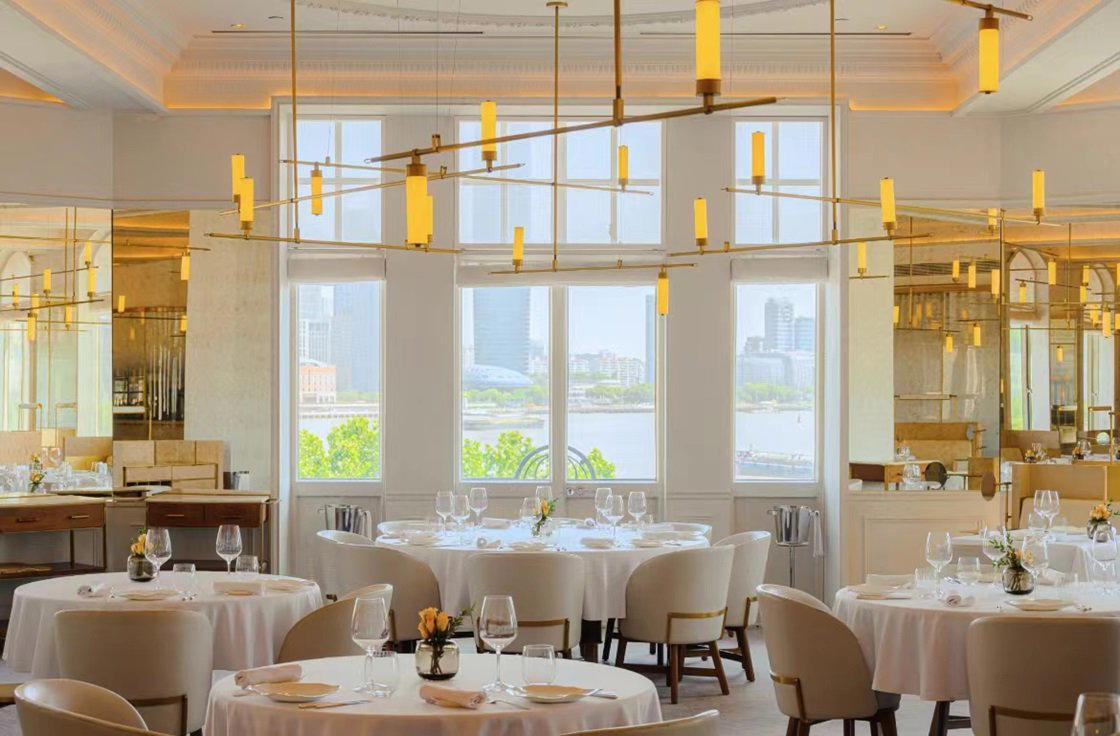
Clean lines, tactile materials, and softly lit palette creating hushed exclusivity.