Labirintus Étterem
Our verdict
Labirintus Étterem runs Traditional Hungarian cooking on Bogdányi út in Szentendre, with an extensive wine list and a wine cellar that suit lunch or dinner.

Pearl is the En Primeur Club membership app — saves, bookings, and concierge access live there. Same editors, same standards.
- Address
- Szentendre, Bogdányi út 10, 2000 Hungary
- Phone
- +3626317054
- Hours
- Daily 10 AM–8 PM
- Website
- bor-kor.hu
- Directions
- Get directions
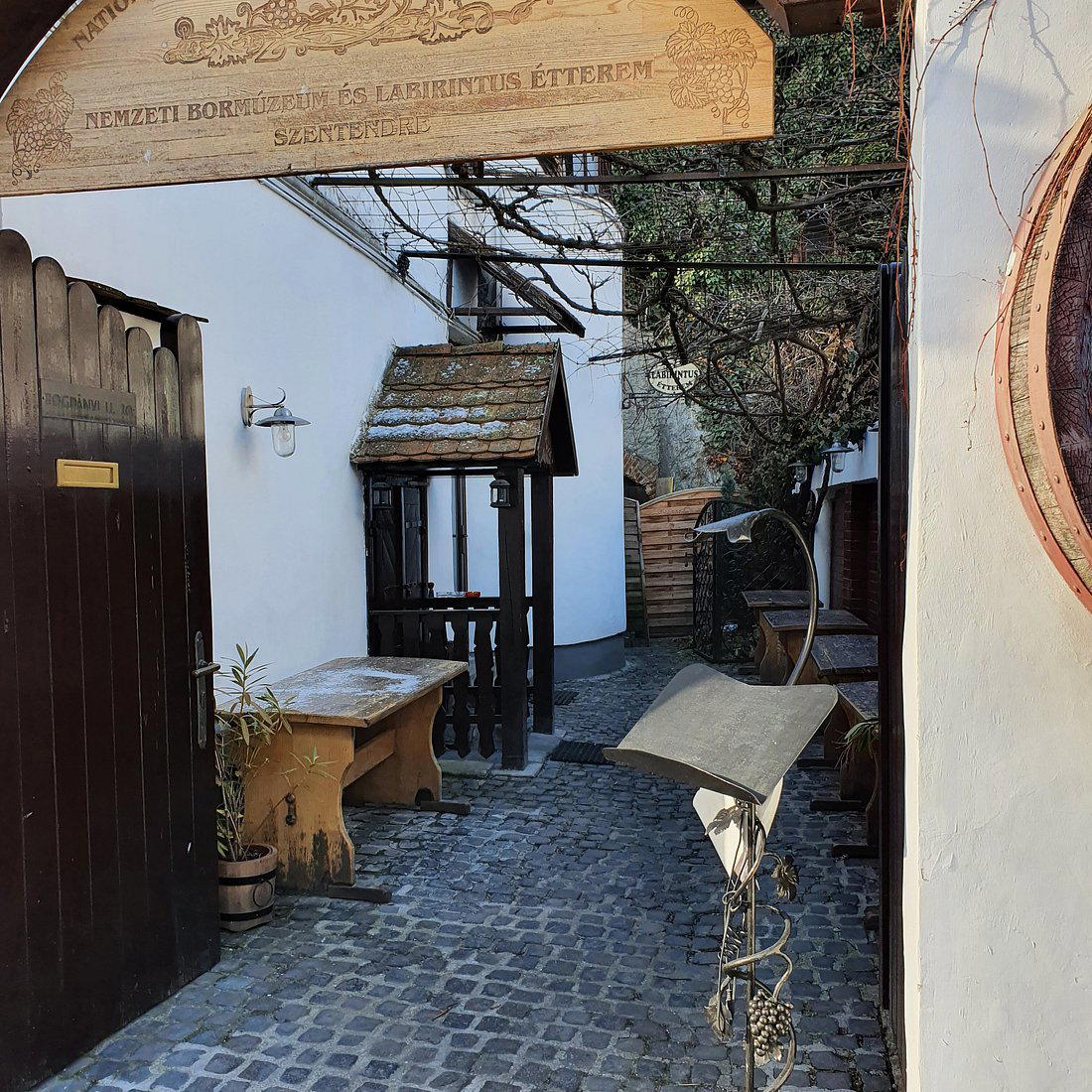
Bogdányi út and the Szentendre Dining Tradition
Bogdányi út is the artery that draws visitors deeper into Szentendre once they have cleared the market stalls and souvenir shops near the Danube embankment. Along this stretch, the built environment shifts from baroque civic architecture into something more residential and quieter, and the restaurants that occupy it tend to attract a different crowd than the terrace-facing places on Fő tér. Labirintus Étterem sits at number 10 on this street, and its position on that gradient matters. It is far enough from the tourist centre to feel deliberate, close enough to remain accessible on foot from the ferry landing. In a town whose restaurant scene has historically split between places serving the day-tripper coach trade and a smaller set of kitchens with more considered ambitions, that address signals something about which category the kitchen is aiming for.
Szentendre's dining character is shaped by its dual identity as a historic artists' colony and Budapest's most visited day-trip destination, roughly forty minutes by HÉV suburban rail from Batthyány tér. That proximity creates both an audience and a problem: the volume of visitors passing through on summer weekends rewards speed and volume over care, which pushes serious kitchens either toward tighter reservations models or toward positioning slightly off the main circuit. The comparison set for a restaurant on Bogdányi út includes Aranysárkány Vendéglő and Teyföl (€€ · Hungarian), both of which occupy the town's more settled, neighbourhood-facing tier rather than the high-turnover terrace format. For the broader Szentendre picture, our full Szentendre restaurants guide maps the options across price tiers and neighbourhoods.
The Sourcing Context: Hungarian Provincial Kitchens and What They Draw From
The editorial angle that matters most when assessing a restaurant like Labirintus is ingredient origin rather than technique alone. Hungarian provincial kitchens sit at a genuinely interesting crossroads. The Danube Bend region around Szentendre has market gardening heritage, particularly in soft fruits, paprika varieties, and river fish that once defined the local diet before industrial distribution homogenised supply chains. Whether a kitchen in this area is drawing from that proximate agricultural base or sourcing conventionally from Budapest wholesale markets is the question that separates kitchens with a rooted character from those that happen to occupy a pretty building in a photogenic town.
Across Hungary's better regional restaurants, this sourcing distinction has become more visible over the past decade. Pajta in Őriszentpéter built its reputation in part on the specificity of its western-Transdanubian sourcing. Platán Gourmet in Tata operates within a similar logic of local and regional provenance. In Budapest, the conversation is framed differently: Stand has demonstrated how Hungarian ingredients can anchor a kitchen at high price points, while BoriMami in Gyöngyös shows how the same principle works at a more accessible register. The question for Labirintus, as with any Szentendre kitchen operating between those poles, is which of those models its sourcing more closely resembles.
Labirintus Étterem does not appear in any of the major award databases at the time of writing: no Michelin recognition, no inclusion in the Dining Guide Hungary rankings that serve as the domestic benchmark for serious kitchens. That absence is not automatically a verdict. Many of Hungary's most consistent regional restaurants operate beneath the recognition threshold, particularly outside Budapest and the major wine regions. Forst-Ház Étterem és Kávézó in Eger and Apicius Étterem és Kávéház in Herend both demonstrate that regional credibility and institutional recognition travel on different tracks. Almalomb in Hosszúhetény is another data point in the same argument.
It sits in the category of restaurants where local knowledge and timing matter more than external validation. The Bogdányi út address is publicly confirmed; beyond that, the kitchen's current output, pricing, and format are leading verified directly before committing to a reservation.
Where Labirintus Sits in the Wider Hungarian Restaurant Picture
For context, the Budapest comparison set operates at considerably higher price points and with more formal infrastructure. Borkonyha Winekitchen (€€€), Costes (€€€€), and Rumour by Rácz Jenő (€€€€) define the upper end of Hungarian fine dining. Stand25 Bisztró (€€) and Bilanx (€€€) represent the modern bistro middle ground. Labirintus, based on its Szentendre location and the general economics of the town's restaurant market, almost certainly prices below all of those benchmarks. For international reference, the gap in formality and ambition between a day-trip-town provincial restaurant and the kind of kitchen represented by Le Bernardin in New York City or Atomix in New York City is structural, not merely a matter of execution quality.
That framing is not a criticism. Provincial restaurants in European historic towns serve a different function from destination fine dining, and the leading ones do it with a consistency and a sense of place that more prestigious addresses often sacrifice for ambition. Halasi Pince Panzió in Villány is a useful regional parallel: a wine-country property that operates confidently within its context without aspiring to the Budapest fine-dining tier. Classic Grill Serbian Restaurant Underground in Szeged and Guri Serház Szombathely in Szombathely represent a similar mode in their respective cities. Fiume Étterem in Békéscsaba District, Astro Tea & Kávéház in Győr, and La Pizza Del Lupo in Onga each show how regional restaurants build authority without metropolitan scale.
Planning a Visit
Labirintus Étterem is located at Bogdányi út 10 in Szentendre, a short walk north from the main town square along the street that runs roughly parallel to the Danube. Szentendre itself is reached most efficiently by HÉV line H5 from Batthyány tér in Budapest, with the journey running approximately forty to forty-five minutes depending on the service. Summer and early autumn weekends bring significant visitor volume to the town, so arriving on a weekday or during shoulder periods generally means a quieter approach.
Frequently asked questions
Is Labirintus Étterem good for families?
Szentendre is a town that draws families on day trips from Budapest, and Bogdányi út has a relaxed, unhurried pace that suits mixed groups. Labirintus Étterem's address at number 10 places it along a residential stretch of that street, away from the most congested souvenir zones.
How would you describe the vibe at Labirintus Étterem?
Bogdányi út functions as Szentendre's quieter northern artery, distinct from the Danube embankment's heavier foot traffic. Restaurants along this street tend to operate at a pace shaped by the town rather than by tourism volume. Labirintus holds no current Michelin recognition or formal award listing, which places it firmly in the local dining category rather than the destination-dining circuit.
How does dining at Labirintus Étterem in Szentendre compare to eating out in Budapest?
Szentendre sits roughly 20 kilometres north of Budapest along the Danube, and the restaurant ecosystem there operates on a different scale: fewer covers, less competition for reservations, and pricing that reflects a provincial town rather than a capital city. Labirintus Étterem at Bogdányi út 10 holds no current award listings, which puts it outside the formal comparison set that includes Michelin-recognised Budapest addresses.
What's the signature dish at Labirintus Étterem?
No specific dish data is documented for Labirintus Étterem at this time. Hungarian provincial kitchens in the Danube Bend region typically draw from seasonal, locally sourced ingredients, with preparations rooted in Central European tradition. For confirmed menu detail, contacting the restaurant directly before visiting is the practical approach.
What's the address for Labirintus Étterem?
Labirintus Étterem is located at Szentendre, Bogdányi út 10, 2000 Hungary, Szentendre.
Can I walk in to Labirintus Étterem?
Szentendre attracts significant day-trip volume from Budapest, particularly on weekends, which means walk-in availability at local restaurants can vary sharply between a Tuesday afternoon and a Saturday lunch. Arriving with a reservation, or contacting the restaurant ahead, reduces that uncertainty at Bogdányi út 10.
What's Labirintus Étterem best at?
Based on its position in Szentendre rather than Budapest, Labirintus operates closer to the ingredient sources of the Danube Bend and away from the pricing infrastructure of the capital's formal dining scene. That positioning tends to favour honest, regionally grounded cooking over the performance-oriented formats common in Budapest comparators such as Borkonyha. Specific dish strengths are not documented, but the local context shapes the offer more than any award or press cycle.
How It Stacks Up
Comparable venues nearby, for context on price, style, and recognition.
| Venue | Cuisine | Price | Awards | Notes |
|---|---|---|---|---|
| Labirintus ÉtteremThis venue — the venue you are viewing | Traditional Hungarian | $20–30 | Not listed | Not listed |
| Aranysárkány Vendéglő | Traditional Hungarian with Contemporary Techniques | $20–30 | Not listed | Szentendre |
| Teyföl | Modern Hungarian Bistro | $30–50 | Michelin Plate | Old Town |
| Kispiac | Traditional Hungarian Bistro | $30–50 | Not listed | Terézváros |
| Horizont | Modern Brunch Cafe | $10–20 | Not listed | Terézváros |
| MoszkvaTér | Authentic Russian Bistro | $20–30 | Michelin Plate | Varhegy |
Continue exploring
More in Szentendre
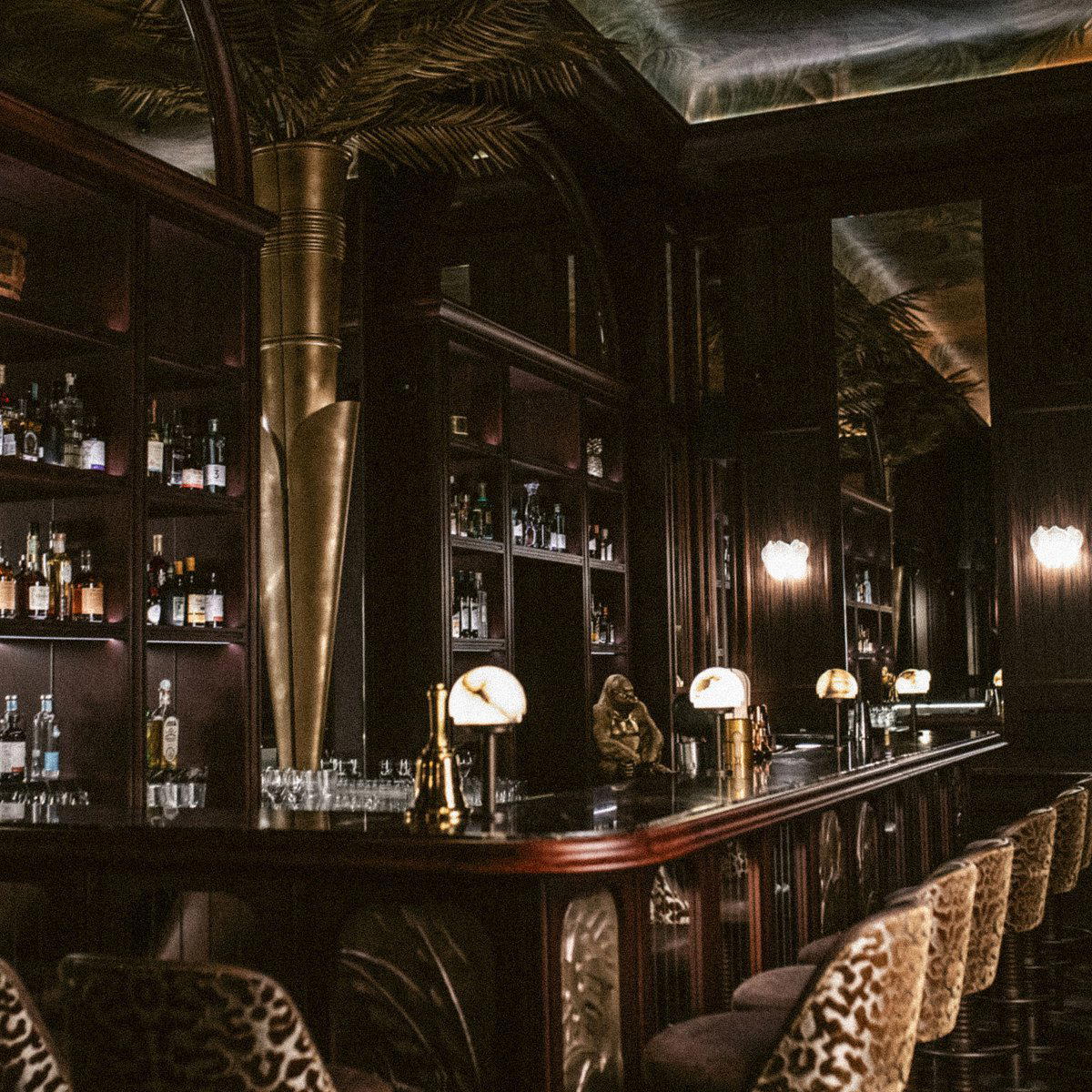
Restaurants in Szentendre
Browse all →
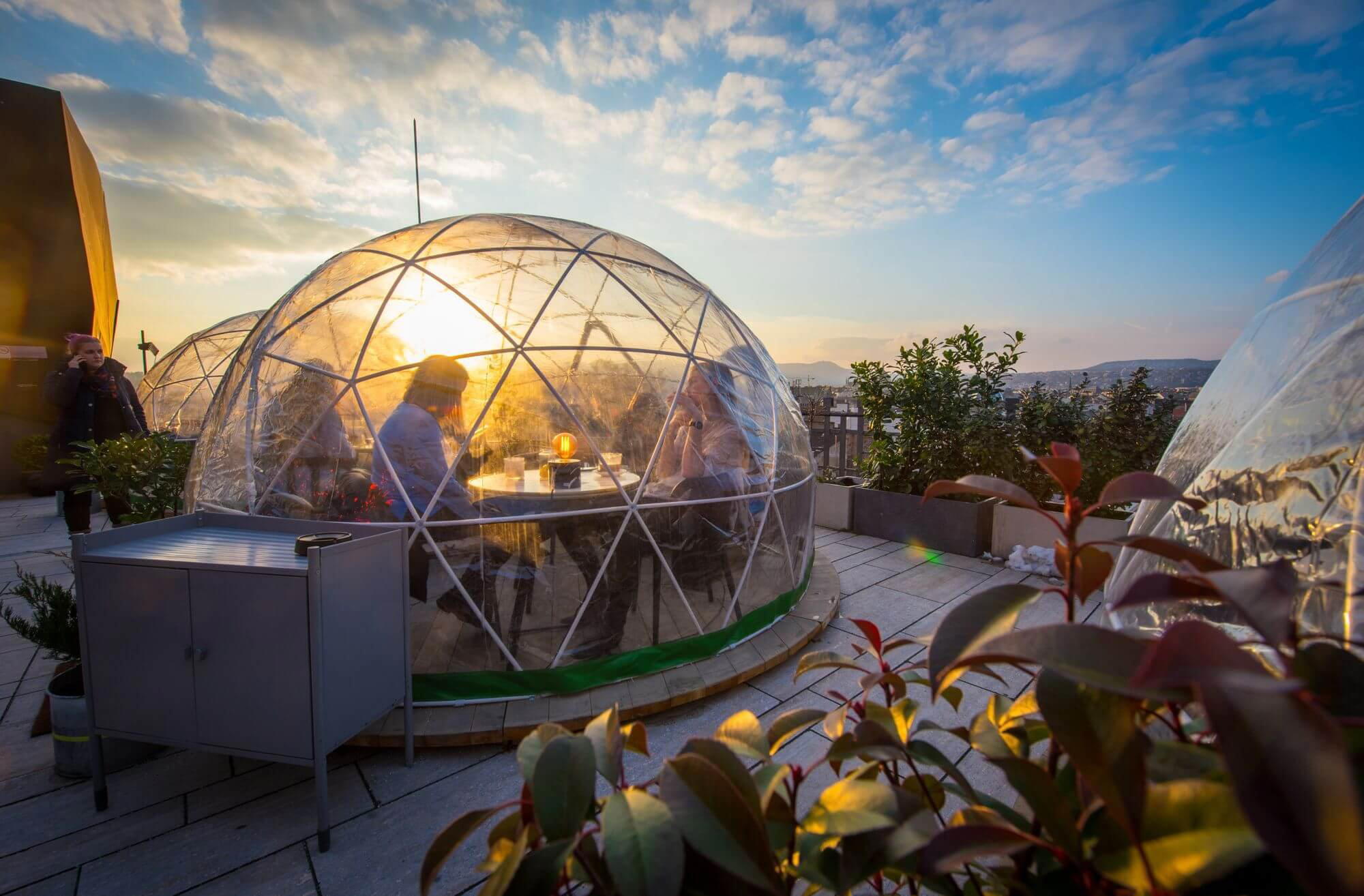
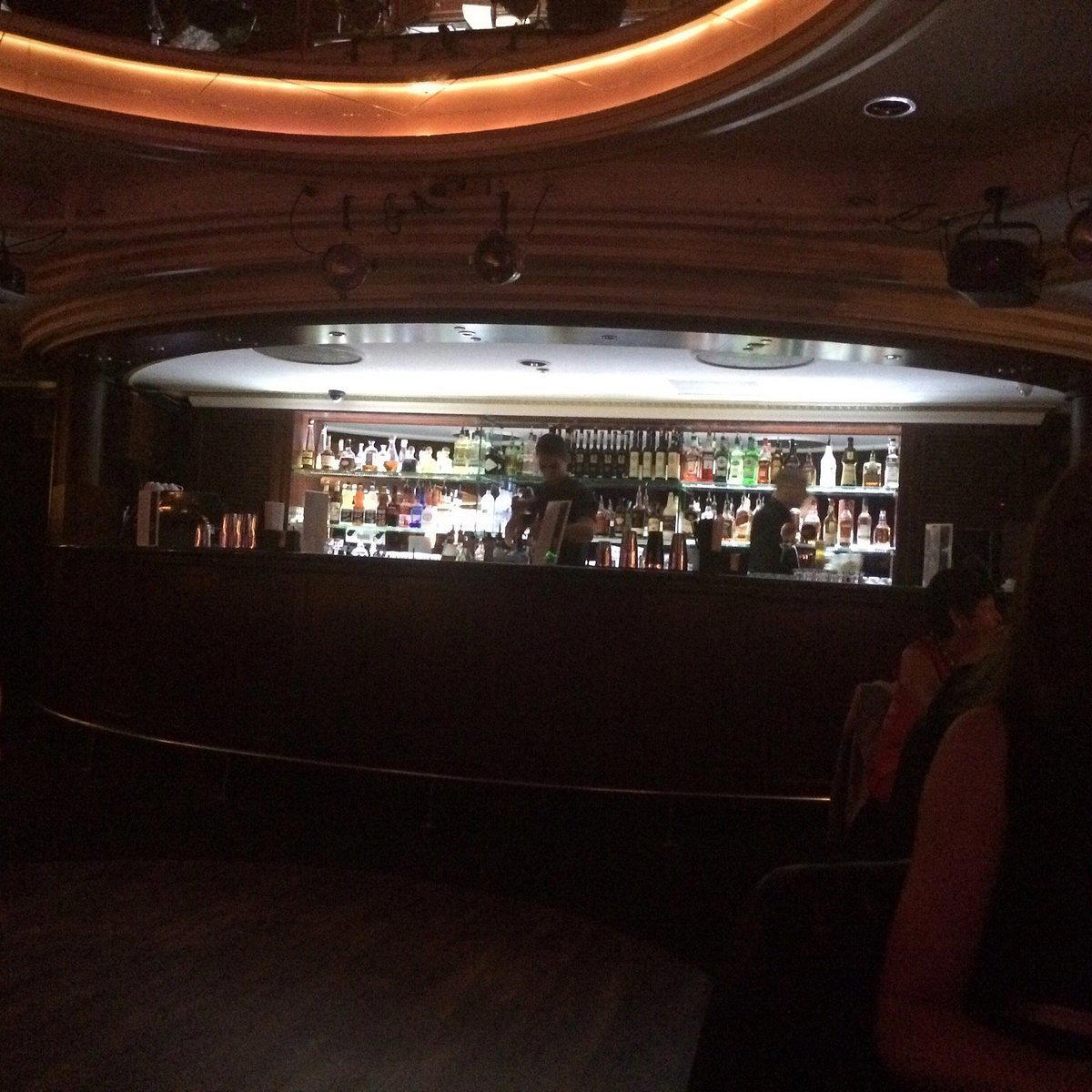
Bars in Szentendre
Browse all →
Hotels in Szentendre
Browse all →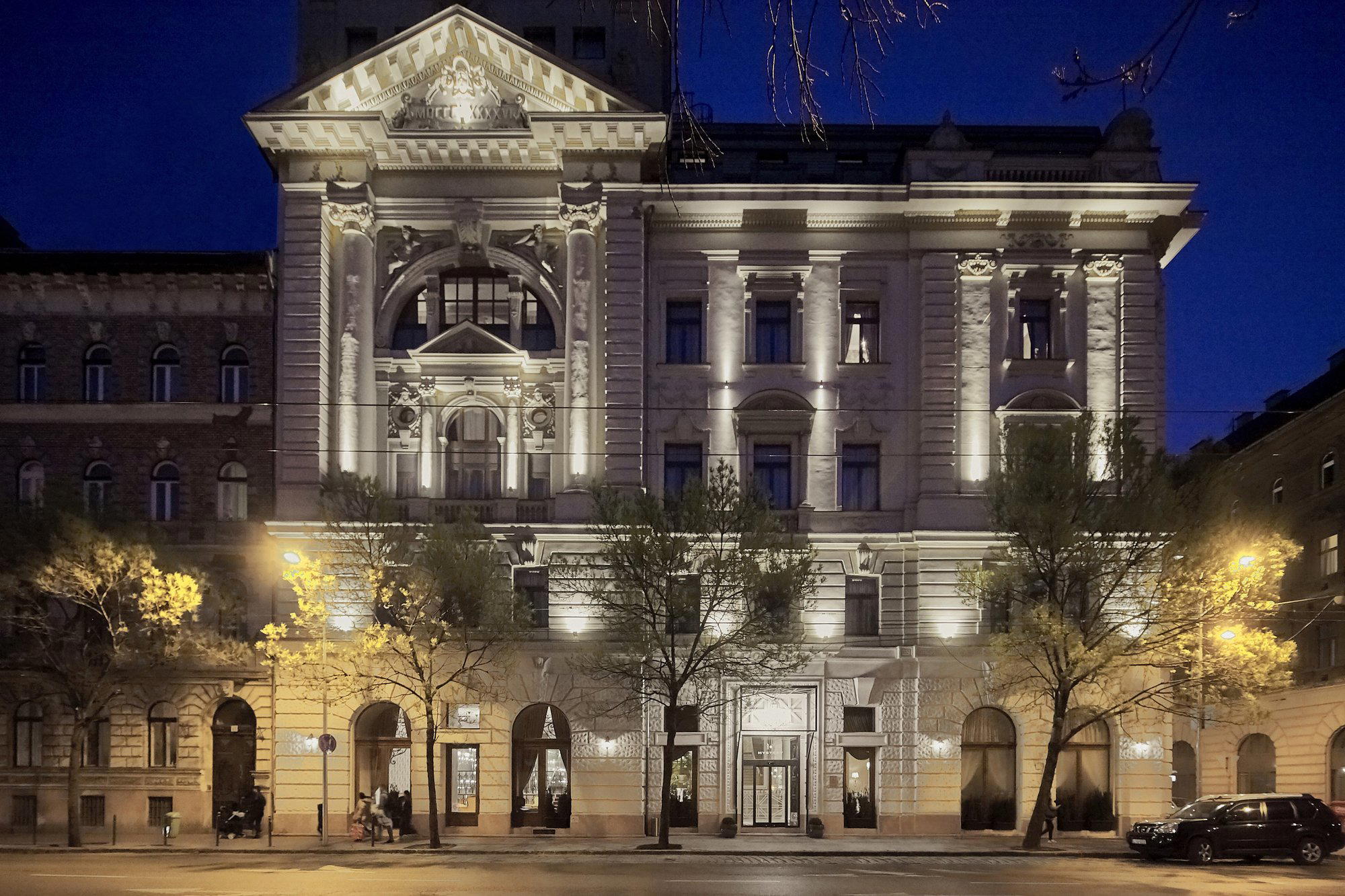
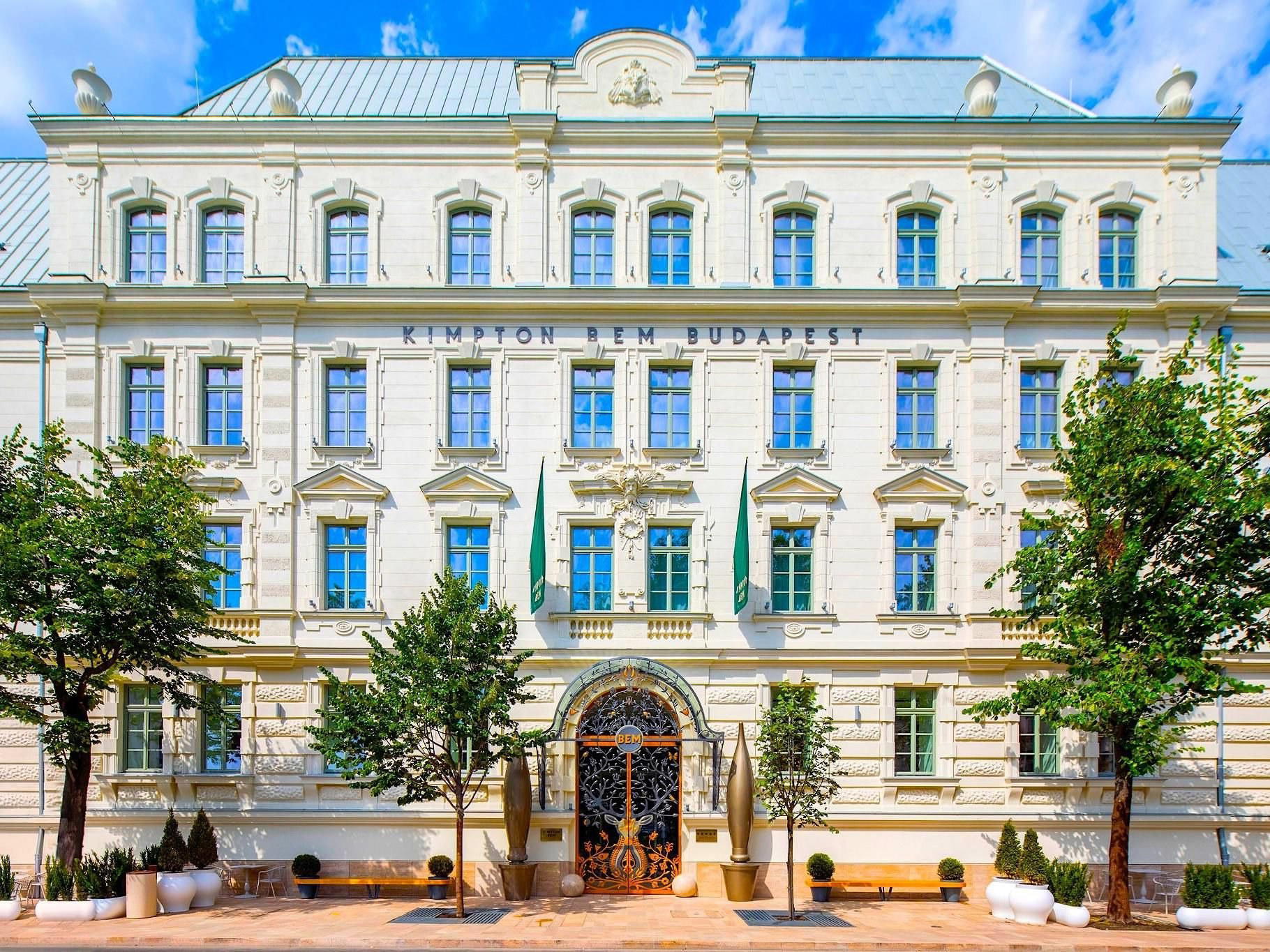
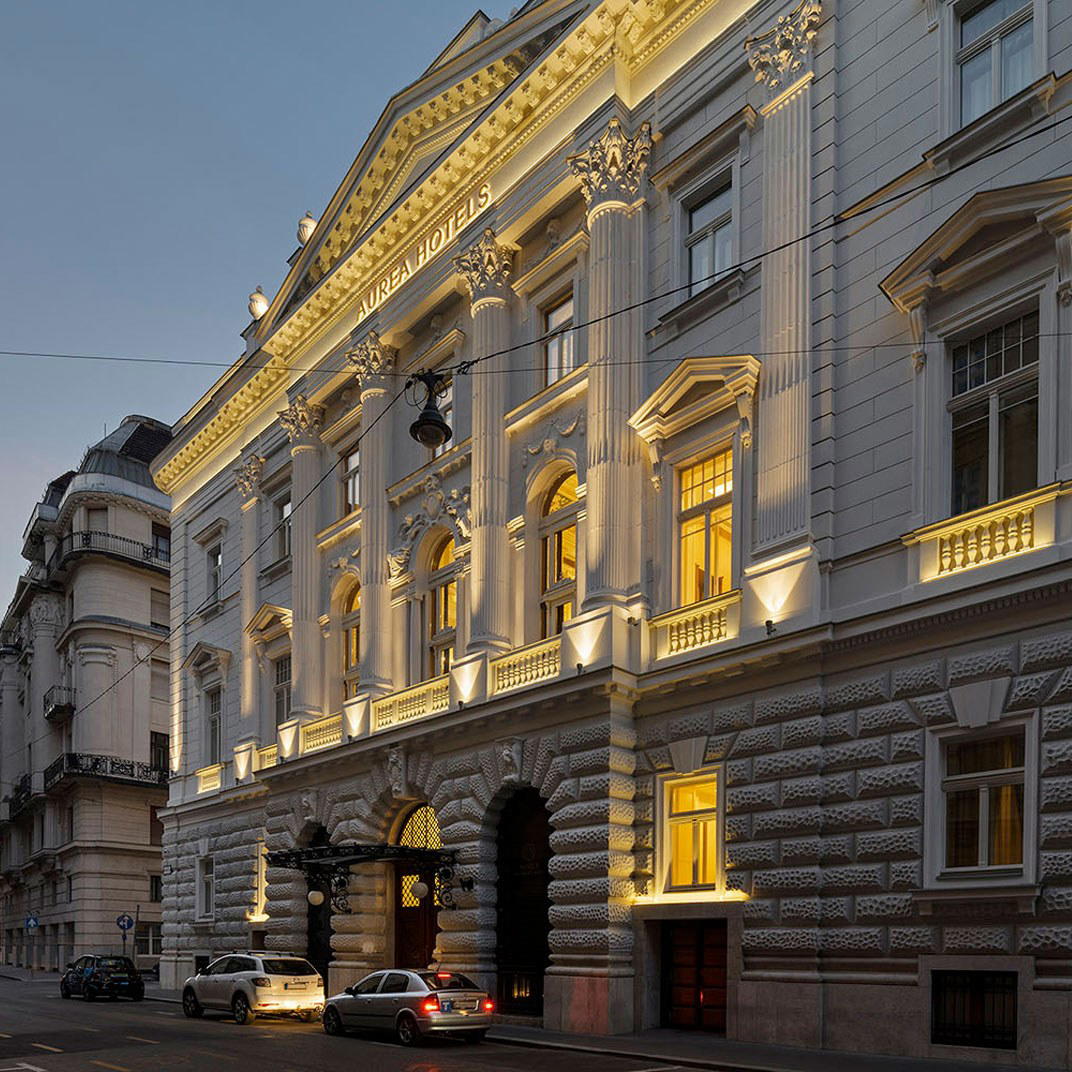
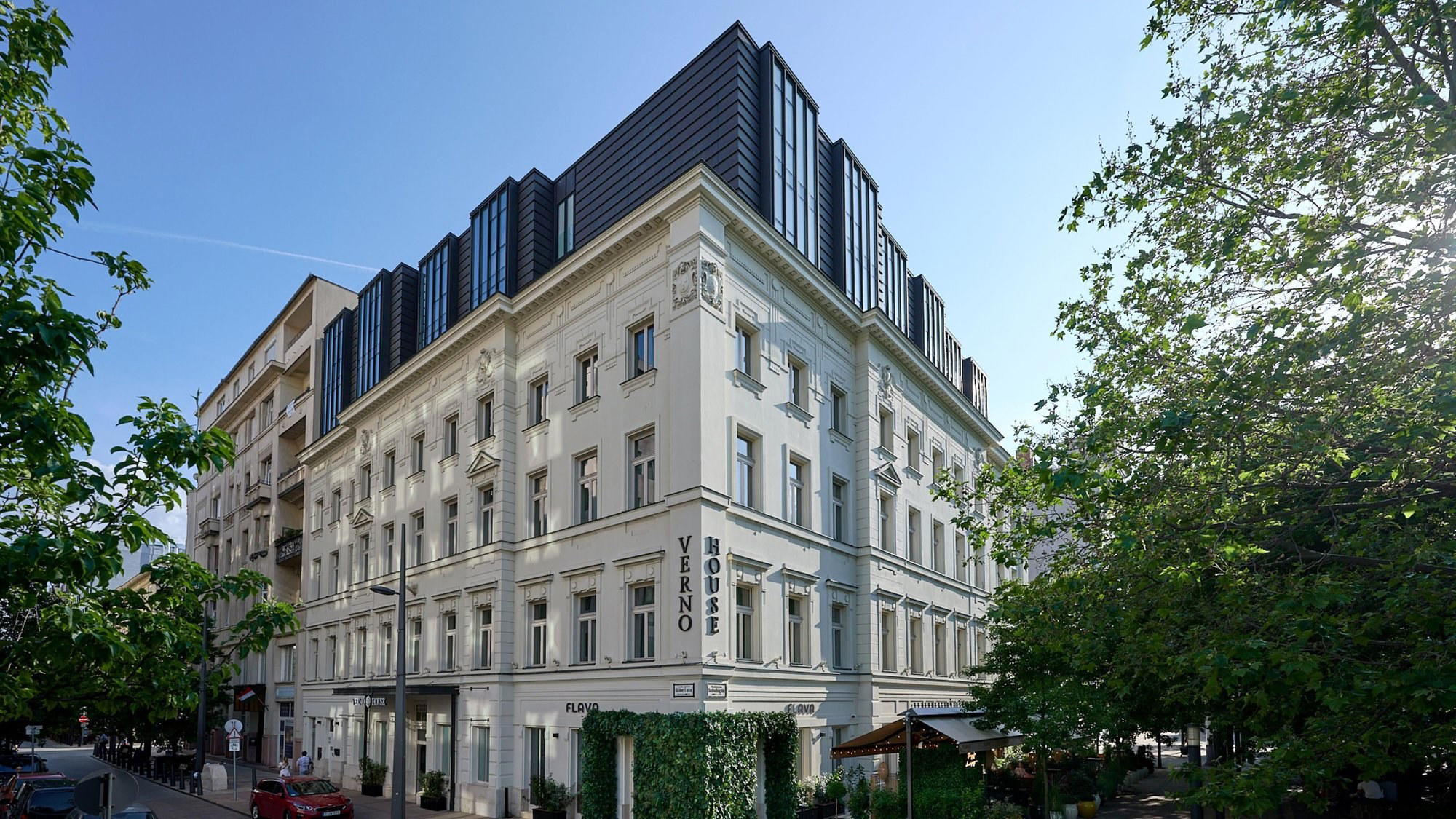
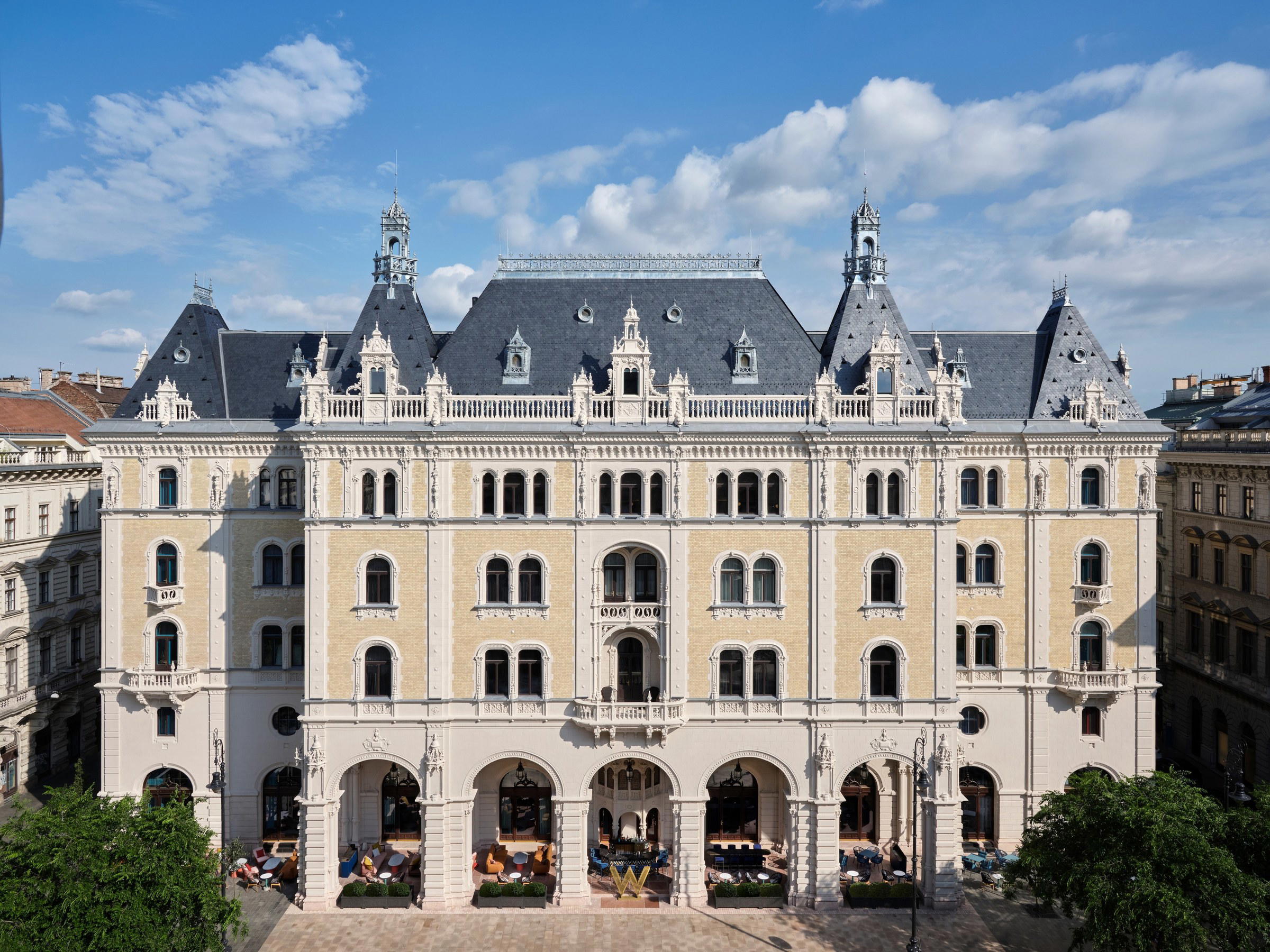

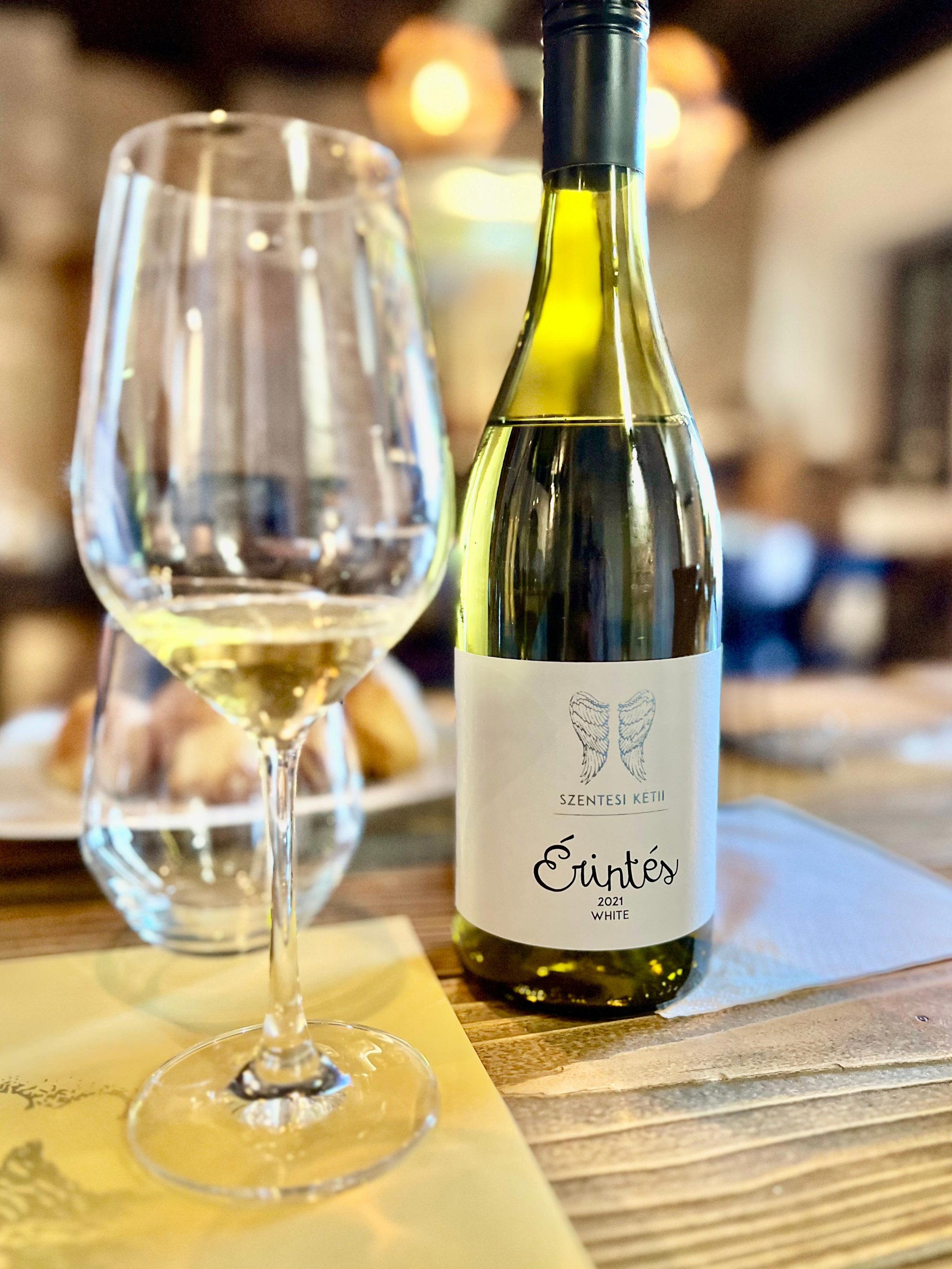
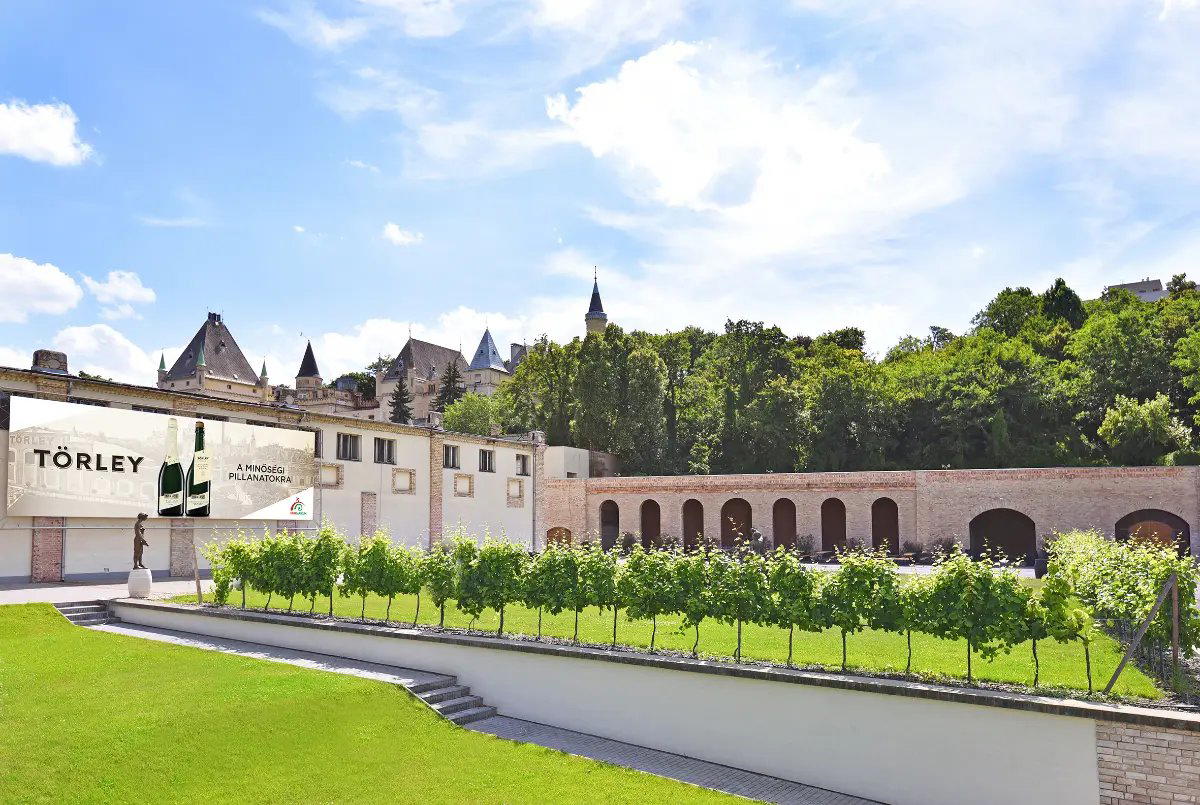
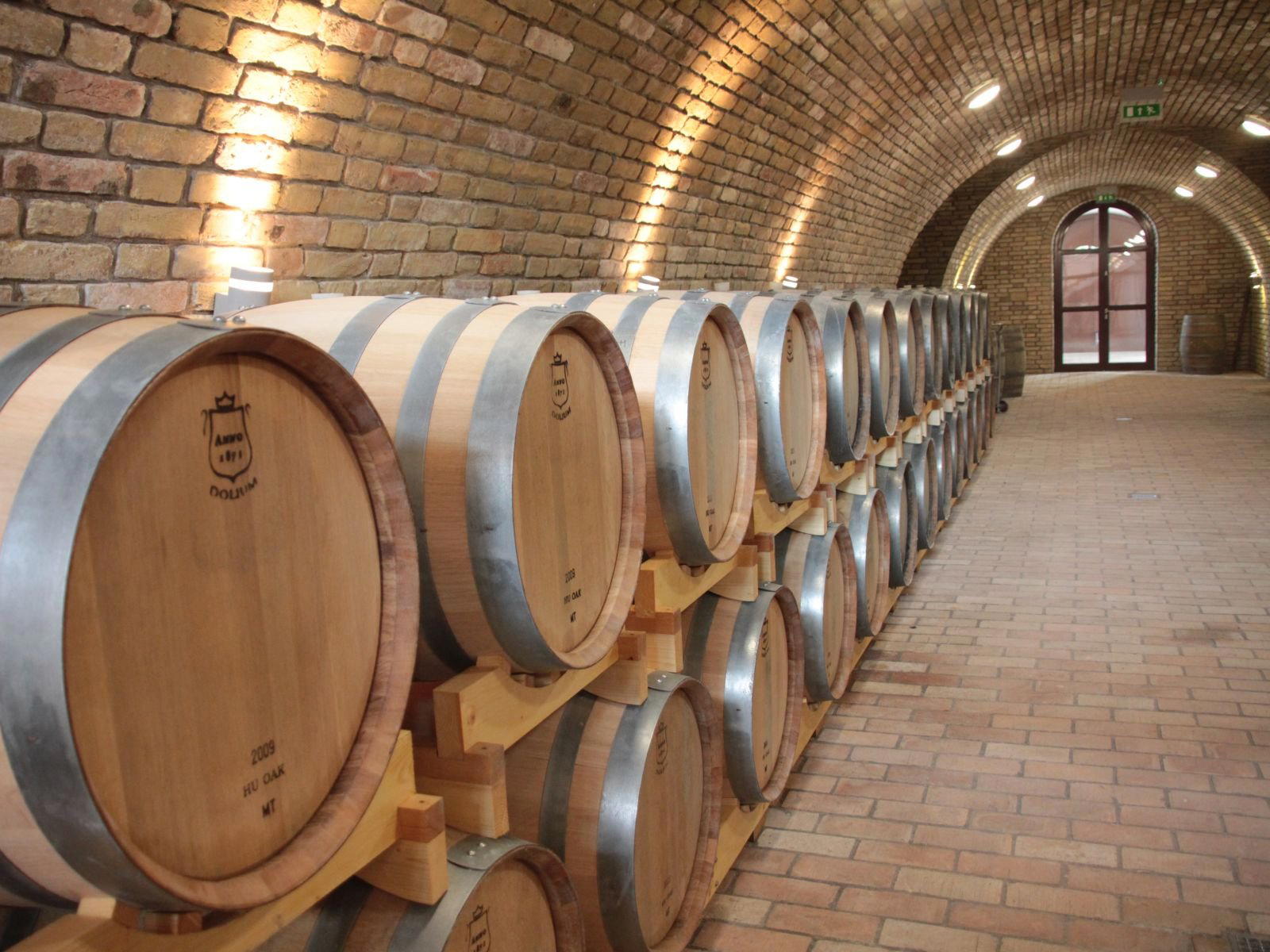
Labirintus Étterem
The wine
- Wine program
- Curated wine list
- Extensive wine list
Details
- Cozy
- Intimate
- Date Night
- Family
- Group Dining
- Wine Cellar
- Extensive Wine List
- A La Carte
Current opening hours
- Monday
- 10 AM–8 PM
- Tuesday
- 10 AM–8 PM
- Wednesday
- 10 AM–8 PM
- Thursday
- 10 AM–8 PM
- Friday
- 10 AM–8 PM
- Saturday
- 10 AM–8 PM
- Sunday
- 10 AM–8 PM
Hours can change for holidays and private events. Last verified .
Cozy and atmospheric with seating in the wine cellar, courtyard, and indoor rooms, praised for its intimate and comfortable feel.