La Tomate
On the Connecticut Avenue corridor where Dupont Circle shades into Kalorama, La Tomate occupies a stretch of D.C. that has long favored the kind of neighborhood dining room that outlasts trends. The address at 1701 Connecticut Ave NW places it within easy reach of several of Washington's more serious restaurant conversations, making it a point of reference for how the city's mid-tier Italian tradition holds its ground against a new generation of high-concept arrivals.
Pearl is the En Primeur Club membership app — saves, bookings, and concierge access live there. Same editors, same standards.
- Address
- 1701 Connecticut Ave NW, Washington, DC 20009
- Phone
- +12026675505
- Website
- latomatebistro.com
- Directions
- Get directions
 Saves & bookings on Pearl
Connecticut Avenue and the Quiet Persistence of the Neighborhood Italian
There is a particular type of restaurant that Washington, D.C. has always needed but never quite celebrated loudly enough: the reliable, neighborhood-anchored dining room that neither chases awards nor retreats into mediocrity. On Connecticut Avenue NW, as Dupont Circle gives way to Kalorama, La Tomate sits in that tradition. The stretch of avenue outside is broad and tree-lined, the kind of address that signals a certain domestic seriousness rather than the performative energy of a newer restaurant corridor. You arrive expecting a room, not a spectacle, and that is the point.
Washington's restaurant scene has changed considerably in the past decade. Against that backdrop, a long-established Italian address on Connecticut Avenue operates as a counterweight: it answers a different question about what a city's dining culture is actually for.
Sourcing, Seasonality, and the Italian Tradition of Not Wasting Anything
Italian cuisine, at its structural core, was built around the ethics of waste reduction long before that phrase entered the restaurant lexicon. The cucina povera tradition, which shaped the cooking of southern and central Italy across centuries, demanded that every part of the animal, every seasonal vegetable, every leftover bread end find a use. That frugality was not about constraint; it produced the ragus, the ribollitas, the panzanellas that now appear on menus at ambitious restaurants across the world. An Italian kitchen that takes its culinary reference points seriously is, almost by definition, already working within a framework of minimal waste.
In Washington specifically, that tradition intersects with a city that has developed genuine infrastructure for ethical sourcing. The proximity of the Chesapeake Bay watershed, the farm networks of the Shenandoah Valley, and the mid-Atlantic growing season collectively make D.C. well supplied for kitchens that want to source close to home. Italian technique applied to mid-Atlantic produce, which is an approach several serious D.C. kitchens have adopted in different ways, is less a novelty than a logical alignment between tradition and geography.
Blue Hill at Stone Barns in Tarrytown built its reputation on making the farm the protagonist of the plate. Single Thread Farm in Healdsburg integrated agricultural sourcing into a multi-course format. In D.C. Oyster Oyster has taken a more overtly political stance toward sustainability, pricing its menu at $$$ while keeping sourcing commitments that more expensive rooms often only approximate. These are the reference points against which any D.C. kitchen's approach to ethical sourcing gets measured.
The Connecticut Avenue Corridor in Context
The 1701 Connecticut Ave NW address places La Tomate at a particular node in D.C.'s restaurant geography. Dupont Circle proper has historically been one of the city's more active dining neighborhoods, with a density of independent restaurants that has held up better than many comparable urban corridors. The blocks between P Street and S Street on Connecticut have housed restaurants that attracted both neighborhood regulars and destination diners, often without the kind of marketing infrastructure that newer high-profile openings now deploy routinely.
That geographic positioning matters because it shapes the competitive set. La Tomate does not compete directly with the tasting-menu tier represented by Jônt or with the high-concept Peruvian format of Causa. Its peer group is the Italian and European neighborhood restaurant that Washington has supported for decades. The Inn at Little Washington, in Virginia, emerged from that same era and cultural moment, though it quickly moved into a different category entirely.
For comparison within a broader American context: Italian neighborhood restaurants that have maintained relevance over decades tend to do so by committing to a specific regional identity rather than defaulting to a generic red-sauce menu. The ones that survive are the ones that treat their cuisine as a discipline. Le Bernardin in New York City offers a useful parallel in French cooking: it has held its position for decades by deepening its commitment to a single tradition rather than broadening into trend-chasing. The Italian equivalent in Washington's neighborhood tier is a more modest proposition, but the structural argument is the same.
Where La Tomate Sits in the D.C. Dining Conversation
Washington's more ambitious kitchens have, in recent years, moved toward formats that demand significant planning from the diner: advance reservations, fixed menus, occasion-sized price points. Albi operates at $$$$, as does Causa, both offering highly composed experiences that reward preparation. The space that remains for the walk-in-friendly, mid-week, bring-a-colleague dinner has not disappeared, but fewer restaurants are occupying it with genuine kitchen seriousness.
That gap is where a long-running Italian address on Connecticut Avenue has its clearest value. The sustainability argument for this tier of restaurant is, in some ways, more structurally sound than the one made by destination-level tasting menus: a kitchen that cooks volume, uses a concise menu, and sources seasonally from regional farms can minimize waste more efficiently than a thirty-course format built around rare ingredients. For readers interested in how D.C.'s dining culture handles daily-use restaurants and ethical sourcing commitments, this corridor deserves attention.
Planning Your Visit
The restaurant is located at 1701 Connecticut Ave NW, within walking distance of the Dupont Circle Metro station on the Red Line. The Dupont Circle neighborhood is well-served by public transit and rideshare, and the Connecticut Avenue address is direct to reach from most central D.C. hotels. As with many established neighborhood restaurants in this corridor, the room tends to fill from Thursday through Saturday; weeknight visits often offer a more relaxed pace.
Style and Standing
Comparable venues nearby, for context on price, style, and recognition.
| Venue | Cuisine | Price | Notes |
|---|---|---|---|
| La TomateThis venue — the venue you are viewing | Regional Italian Bistro | $$ | Not listed |
| Angolo Ristorante | Traditional Italian Trattoria | $$ | East Village Georgetown |
| Sette Osteria | Authentic Italian Osteria | $$ | Logan Circle |
| Al Dente | Modern Italian with Neapolitan Pizza | $$ | Wesley Heights |
| Slice & Pie | Neapolitan-Style Pizza | $$ | Cardozo |
| DuPont Italian Kitchen | Classic Italian Trattoria | $$ | Dupont Circle |
Continue exploring
More in Washington DC
Restaurants in Washington DC
Browse all →
Bars in Washington DC
Browse all →
Hotels in Washington DC
Browse all →

At a Glance
- Cozy
- Classic
- Warm
- Date Night
- Casual Hangout
- Brunch
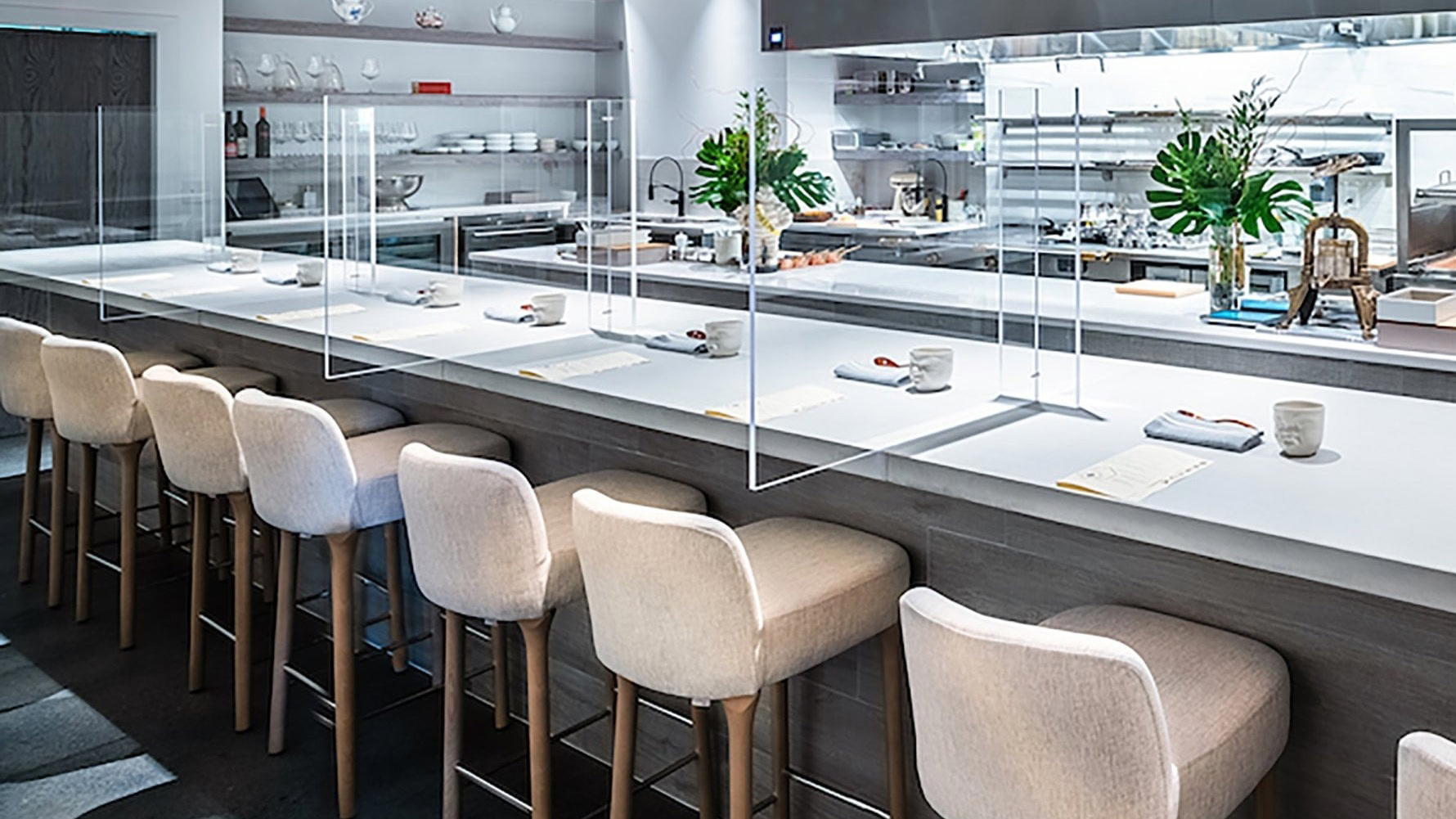
- Open Kitchen
- Local Sourcing
- Street Scene
Current opening hours
- Monday
- 11:30 AM–9:30 PM
- Tuesday
- 11:30 AM–9:30 PM
- Wednesday
- 11:30 AM–9:30 PM
- Thursday
- 11:30 AM–9:30 PM
- Friday
- 11:30 AM–10 PM
- Saturday
- 11:30 AM–10 PM
- Sunday
- 11:30 AM–9 PM
Hours can change for holidays and private events. Last verified .
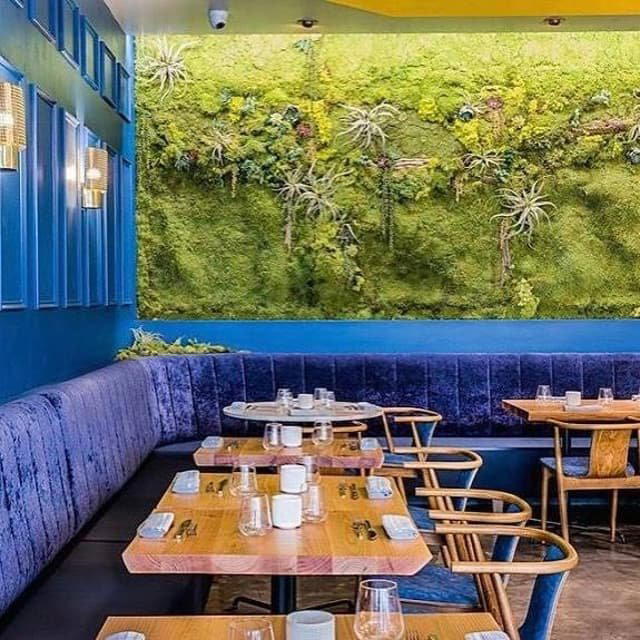
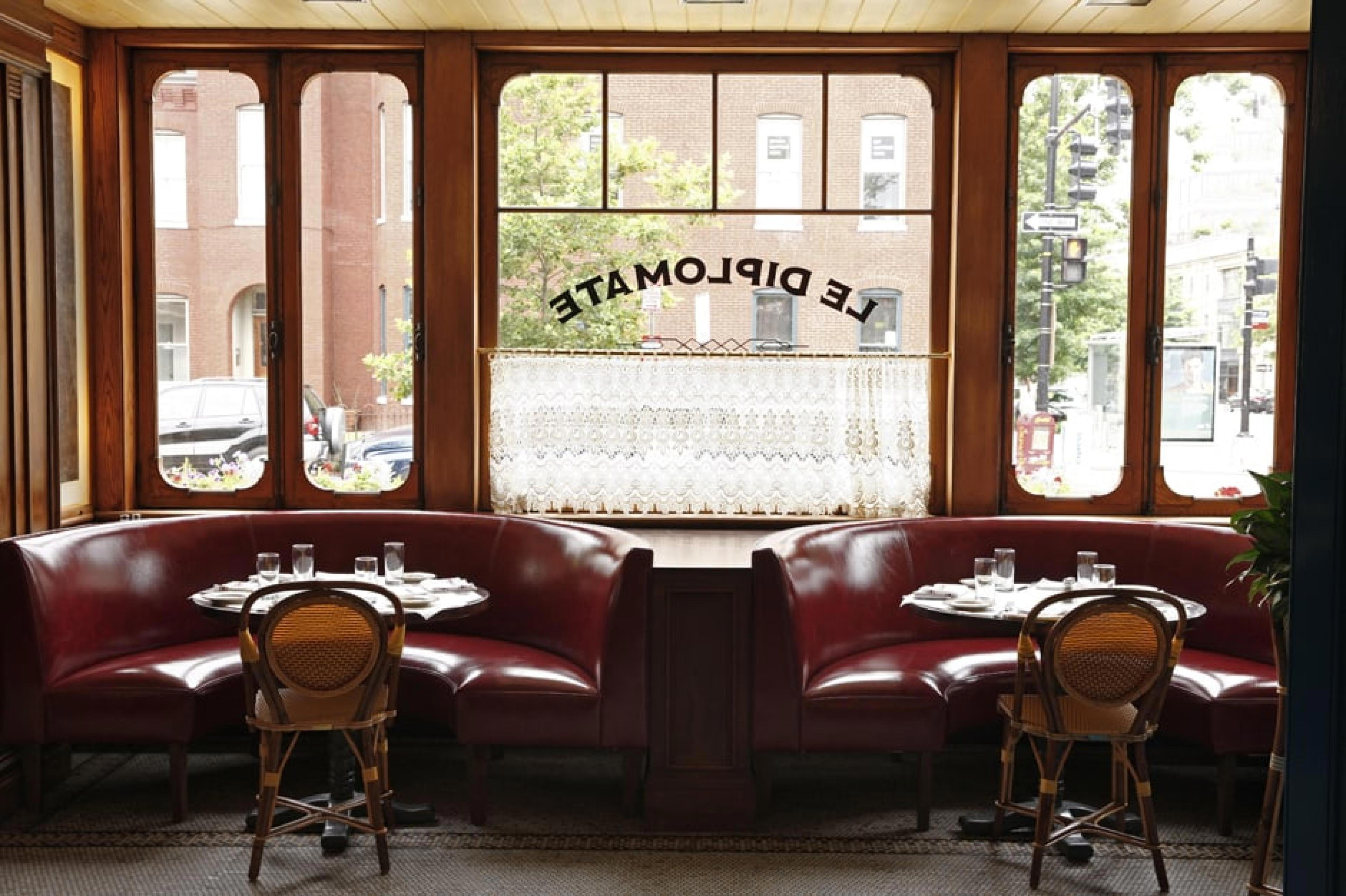
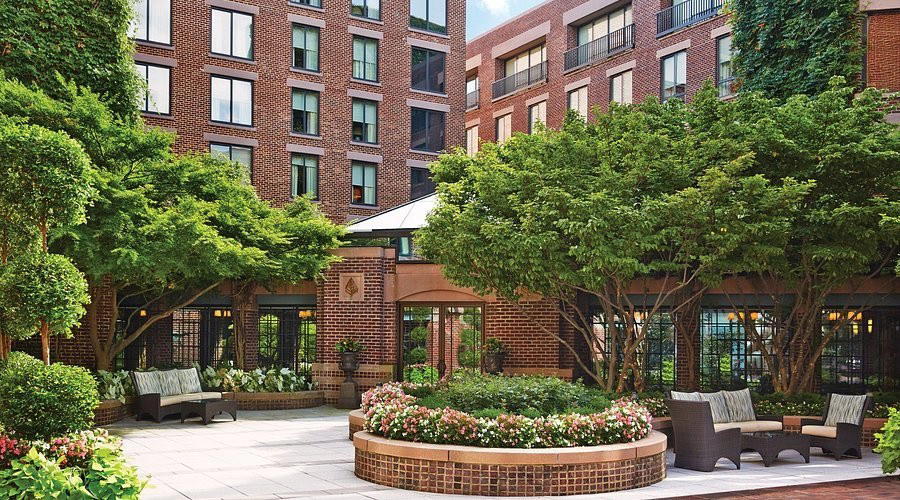
Warm and inviting with window-clad bar and dining room providing panoramic avenue views, complemented by a lush outdoor patio.