Al Dente
Al Dente occupies a quiet stretch of upper Northwest D.C. at 3201 New Mexico Avenue, where Italian-rooted cooking meets a residential neighbourhood that tends to reward those who seek it out. The address places it outside the Capitol Hill and downtown corridors where most of the city's dining conversation clusters, which tells you something about the kind of regulars it attracts and the pace at which it operates.
Pearl is the En Primeur Club membership app — saves, bookings, and concierge access live there. Same editors, same standards.
- Address
- 3201 New Mexico Ave NW, Washington, DC 20016
- Phone
- +12022442223
- Website
- aldentedc.com
- Directions
- Get directions
 Saves & bookings on Pearl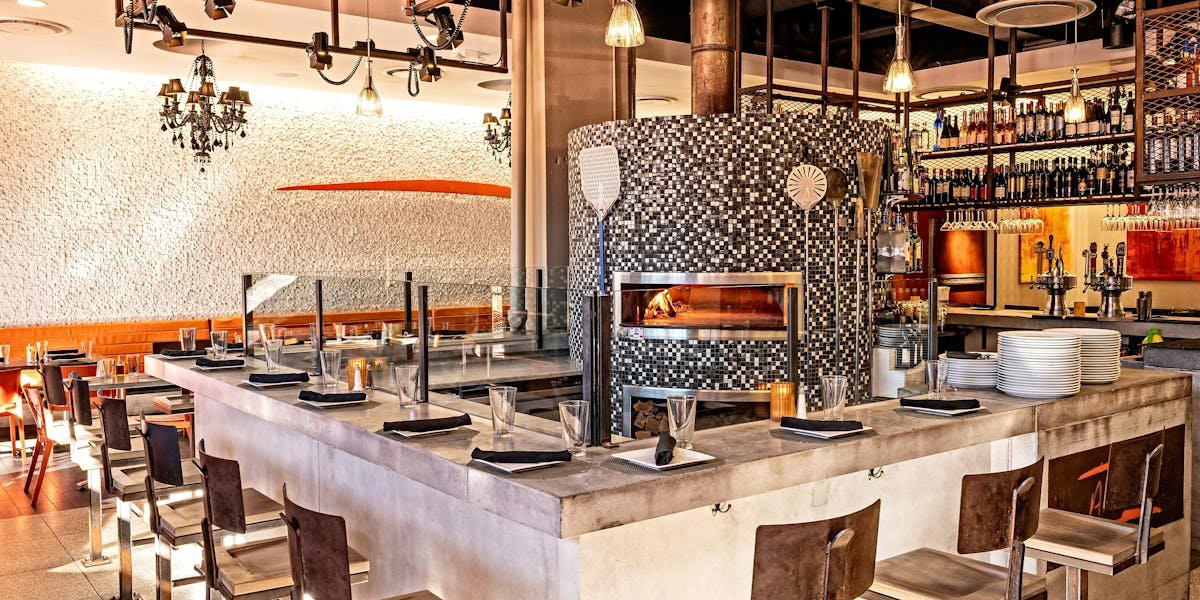
Upper Northwest, Off the Main Circuit
Washington's dining conversation tends to concentrate along a handful of corridors: 14th Street, Penn Quarter, the H Street stretch, and, more recently, Navy Yard. The New Mexico Avenue address at 3201 NW sits at a deliberate remove from all of them, in a part of the city where embassies share streets with old-money rowhouses and the foot traffic is almost entirely residential. Restaurants that succeed in upper Northwest do so because the neighbourhood comes to them, not because walk-in tourists stumble past. That dynamic shapes the room before a plate arrives: the pace is unhurried, the tables are held by people who live nearby, and the noise level reflects a room built around conversation rather than spectacle.
This geographic positioning puts Al Dente in a comparable set that differs from the high-volume destination restaurants that anchor D.C.'s more central blocks. Compare it to the tasting-menu format of Jônt or the molecular precision of minibar, and the contrast in scale and intention is immediate. Those rooms are destinations engineered for occasion dining. The New Mexico Avenue address suggests something closer to the kind of Italian neighbourhood trattoria that has always operated on a different register: regular rather than revelatory, authoritative rather than theatrical.
Italian Cooking in the American Capital
Italian cuisine occupies a complicated position in American fine dining. At the casual end, it has been so thoroughly domesticated that most Americans grew up eating a version of it. At the serious end, a small tier of kitchens has spent decades working to present Italian cooking on its own terms: seasonal, regional, ingredient-specific, resistant to the cream-heavy shortcuts that defined mid-century Italian-American restaurants. The name Al Dente signals intent immediately. The phrase, describing pasta cooked to the point of slight resistance rather than softness, is used in Italian kitchens as shorthand for a particular standard of attention and discipline. It is not the kind of name chosen by accident.
Italian cooking's regional specificity is one of its defining characteristics and also one of its most frequently ignored ones. The cuisines of Emilia-Romagna, Sicily, Campania, Piedmont, and Veneto differ as dramatically from each other as French regional cooking does, and particularly serious Italian restaurants in American cities tend to anchor themselves to a specific geography rather than presenting a pan-Italian menu. That regional specificity, when applied rigorously, is what separates a kitchen treating Italian cooking as a cultural practice from one treating it as a category. For the city's broader Italian dining context, our full Washington, D.C. restaurants guide maps the field across price tiers and neighbourhood clusters.
Where Al Dente Sits in the D.C. Scene
D.C.'s restaurant scene has matured substantially over the past decade and now holds its own against the cities that traditionally defined American fine dining. Le Bernardin in New York City, The French Laundry in Napa, and Smyth in Chicago represent the benchmark tier in their respective cities; D.C. now has its own cluster of destination-level addresses that draw comparisons to those rooms. But the city's dining ecology also includes a quieter middle register of serious, focused restaurants that operate without the ceremony of a tasting-menu format or the visibility of a Michelin spotlight. Al Dente belongs to that register.
Within the D.C. scene specifically, the comparison set shifts depending on what lens you apply. On cuisine terms, it sits in a different category from the Middle Eastern-rooted cooking at Albi, the Peruvian sourcing at Causa, or the sustainable New American approach at Oyster Oyster. Those rooms are all working with cuisines that carry a certain novelty premium in the American market. Italian cooking, by contrast, requires a kitchen to win on discipline and sourcing rather than on the unfamiliarity of the ingredient. That is a harder brief, and a more honest one.
Nationally, the Italian fine dining conversation runs through a handful of rooms: Providence in Los Angeles works adjacent territory in seafood-forward California cooking, while Blue Hill at Stone Barns in Tarrytown represents the farm-to-table seriousness that the leading Italian kitchens share by default. Further afield, Atelier Moessmer Norbert Niederkofler in Brunico exemplifies the Alpine-Italian approach where sourcing specificity is the entire editorial point. These comparisons are useful because they illustrate the range of ways serious cooking can sit inside or adjacent to Italian culinary tradition.
Approaching a Reservation
The New Mexico Avenue address in upper Northwest D.C. is most practically reached by car or rideshare; the walk from the nearest Metro station is not short, and the neighbourhood is not one that rewards wandering on foot in the way that Shaw or Capitol Hill might. The surrounding blocks are quiet in the evenings, which means arriving and leaving is easier than at restaurants inside the denser urban core. For specific booking availability, hours, or current menu format, check the restaurant directly before visiting.
What the Address Tells You
A restaurant on New Mexico Avenue NW is making a statement by its location as much as by its menu. The city's most photographed and most-reviewed rooms cluster closer to the Mall and the major Metro lines; a kitchen at this address is betting that the quality of the cooking will bring its audience to it rather than relying on foot traffic or tourist visibility. That is a bet that tends to filter a room toward regulars, toward people who already know what they are coming for, and toward a pace of service calibrated around return visits rather than first impressions designed to generate social media reach.
That filtering effect is worth naming because it changes the experience from the ground up. Rooms built for regulars operate differently from rooms built for destination diners. The former rewards familiarity; the staff knows what you drink, the menu evolves around what is good that week rather than what photographs well, and the energy of the room comes from the accumulated relationship between kitchen and neighbourhood rather than from the novelty of a reservation secured months in advance. Other restaurants that operate in this register, in other cities, include Lazy Bear in San Francisco, Single Thread Farm in Healdsburg, Addison in San Diego, Emeril's in New Orleans, and Atomix in New York City, each of which has built a loyal core that sustains the room through seasons rather than through viral moments.
Similar Picks
Comparable venues nearby, for context on price, style, and recognition.
| Venue | Cuisine | Price | Notes |
|---|---|---|---|
| Al DenteThis venue — the venue you are viewing | Modern Italian with Neapolitan Pizza | $$ | Not listed |
| Lupo Verde | Rustic Italian Osteria | $$ | Cardozo |
| We, The Pizza | New York-Style Pizza | $$ | Eastern Market |
| Menomale | Authentic Neapolitan Pizza & Italian | $$ | Brookland |
| Sette Osteria | Authentic Italian Osteria | $$ | Logan Circle |
| Alta Strada Embassy Row | Authentic Italian Trattoria | $$$ | Dupont Circle |
Continue exploring
More in Washington DC
Restaurants in Washington DC
Browse all →
Bars in Washington DC
Browse all →
Hotels in Washington DC
Browse all →
At a Glance
- Modern
- Lively
- Group Dining
- Casual Hangout
- Brunch
- Open Kitchen
- Craft Cocktails
Current opening hours
- Monday
- 11:30 AM–8:30 PM
- Tuesday
- 11:30 AM–8:30 PM
- Wednesday
- 11:30 AM–8:30 PM
- Thursday
- 11:30 AM–8:30 PM
- Friday
- 11:30 AM–9:30 PM
- Saturday
- 11:30 AM–9:30 PM
- Sunday
- 11:30 AM–8:30 PM
Hours can change for holidays and private events. Last verified .
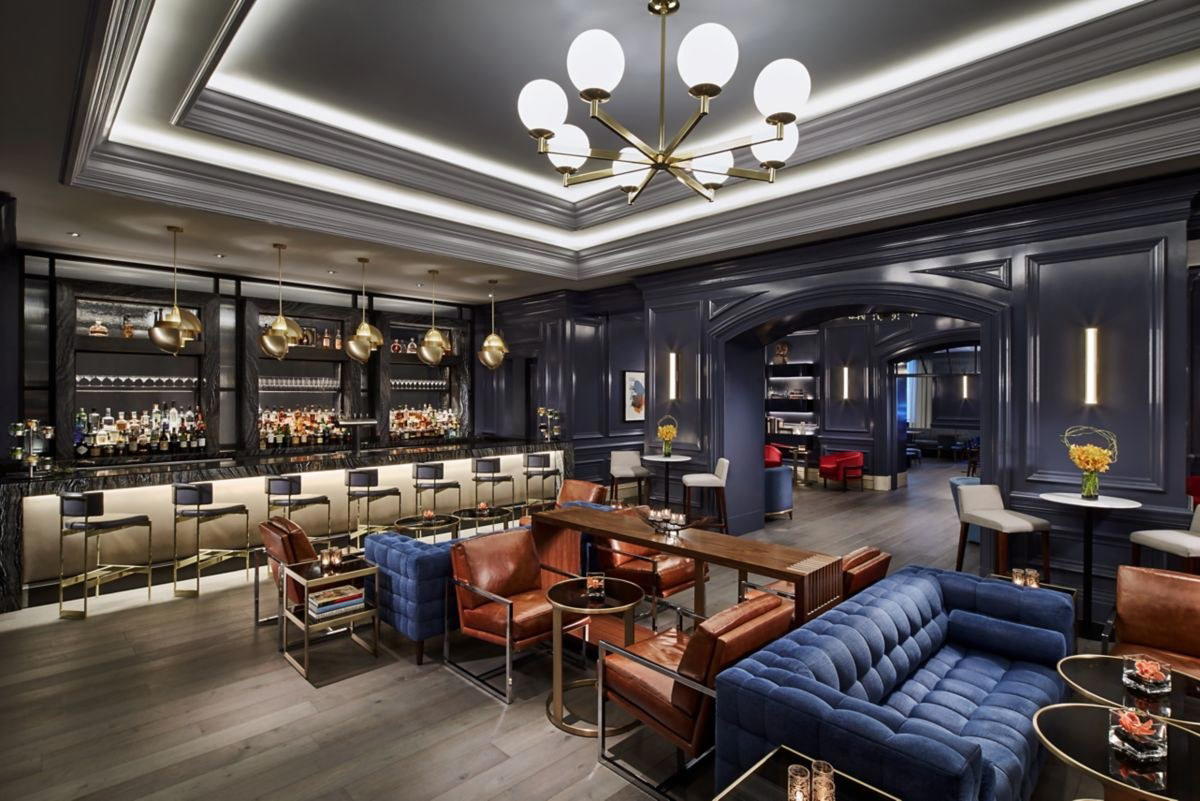
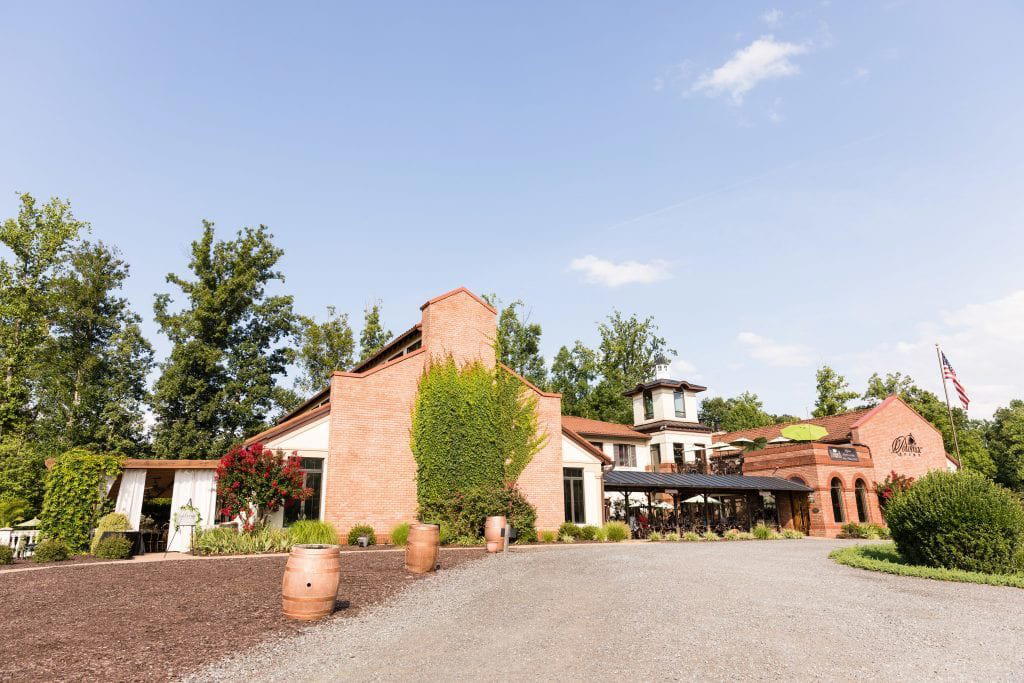
Modern urban atmosphere with over-the-top decor, featuring a lively centerpiece oven.