


1 Michelin Star · James Beard Award Semi Finalist · Wine Spectator Award of Excellence
Our verdict
Mita brings a tasting-menu format to plant-based Latin American cooking in Washington D.C.'s Shaw neighborhood, earning a Michelin star in 2024 and a ranking of #118 on Opinionated About Dining's 2025 global list. Chefs Miguel Guerra and Tatiana Mora work across Brazilian, Bolivian, and Colombian reference points, with fermentation, umami layering, and bold acid at the center of their approach. The wine list runs 300 bottles deep, with particular strength in France and Champagne.

Pearl is the En Primeur Club membership app — saves, bookings, and concierge access live there. Same editors, same standards.
- Address
- 804 V St NW, Washington, DC 20001
- Phone
- (202) 929-7792
- Hours
- Mon ClosedTue–Sat 5–10 PMSun Closed
- Website
- mitadc.com
- Directions
- Get directions
- Booking
- Book on OpenTable
What Shaw Looks Like When the Vegetables Are Running the Kitchen
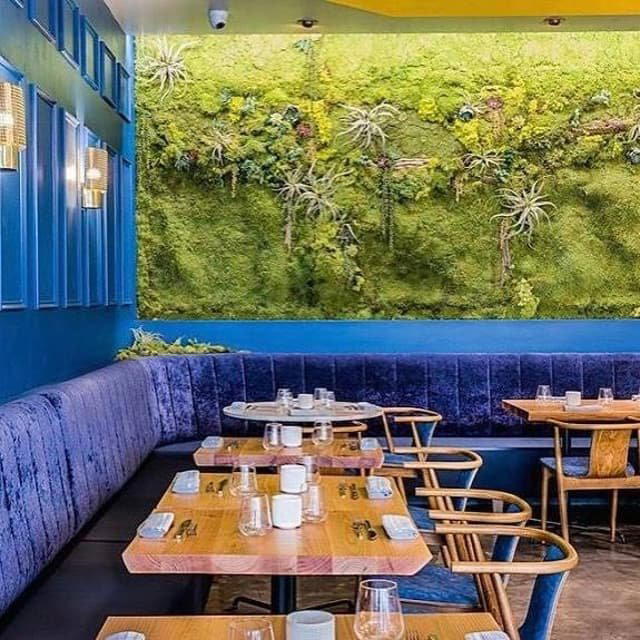
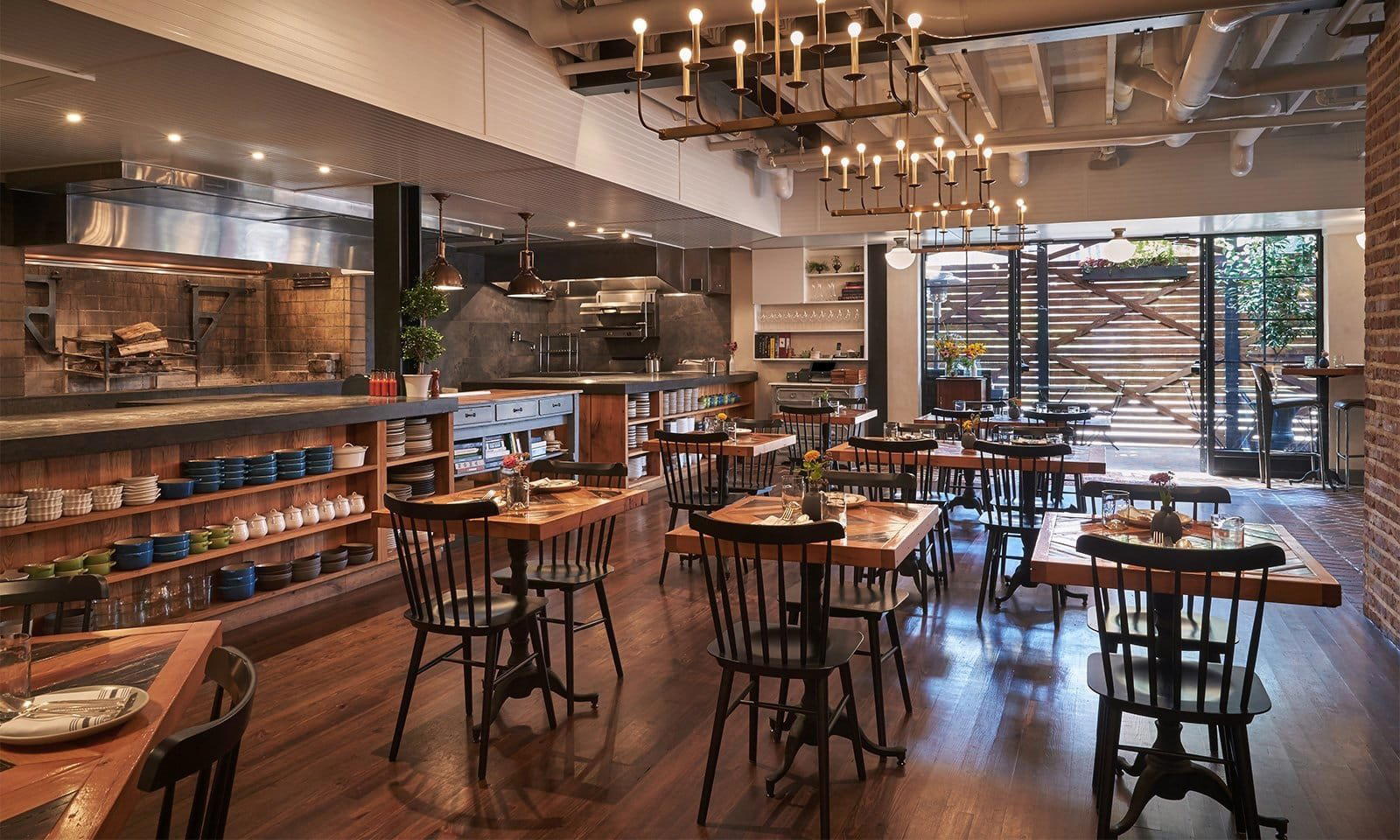
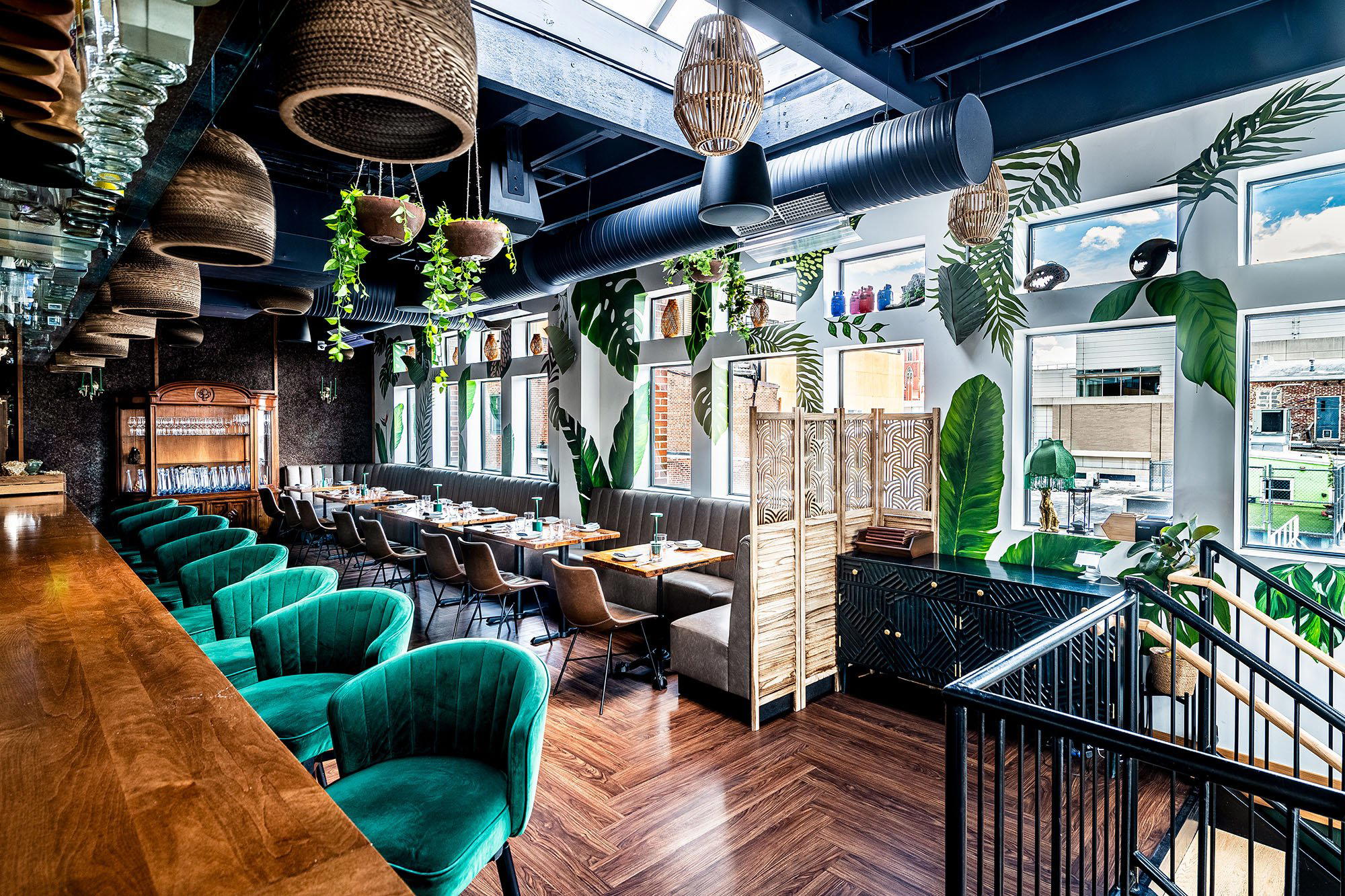
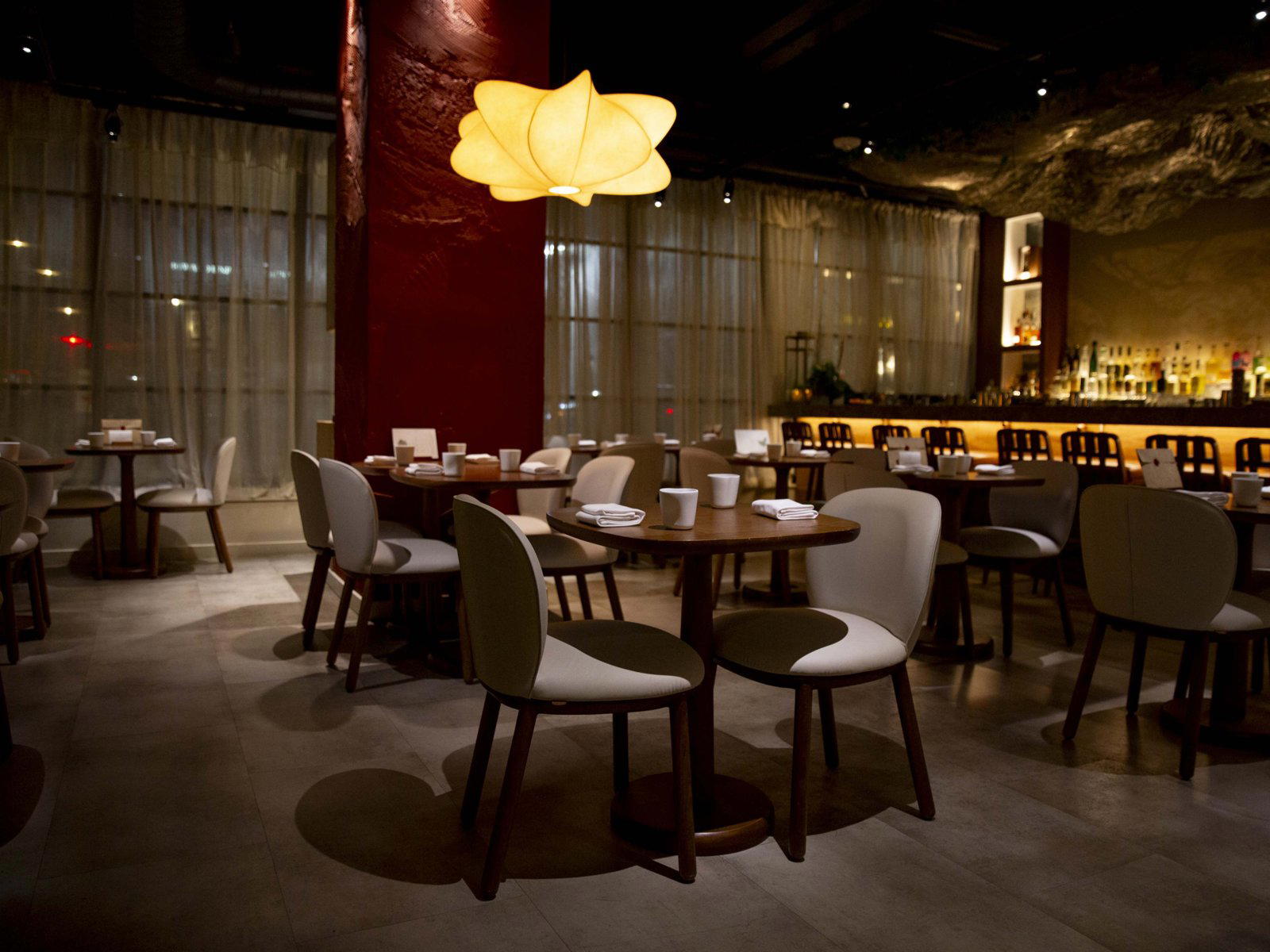
V Street NW in Shaw has developed into one of Washington D.C.'s more interesting restaurant corridors, where converted rowhouses and former industrial spaces host a range of formats that would look at home in any serious American dining city. The neighborhood sits between the denser energy of U Street and the residential blocks of Columbia Heights, and the restaurants here tend to reflect that in-between quality: serious enough to draw destination diners, grounded enough to avoid the self-consciousness that can blunt cooking downtown. It is in this context that Mita operates, occupying a contemporary space at 804 V St NW that reads simply and without theater from the outside.
Inside, the premise is direct: Latin American cooking, entirely plant-based, served as a tasting menu. There is a short format and a long one, which accommodates different levels of commitment without sacrificing the kitchen's control over the arc of the meal. This is the kind of format that tends to attract comparison to the broader American tasting-menu tier, where venues like Jônt and minibar in D.C. itself set a high technical bar, and nationally, the ambitions of Alinea or The French Laundry define the upper ceiling. Mita plays in this format for different reasons. The distinction is not primarily technical spectacle; it is the coherence of a cuisine argument: that the cooking traditions running from the Andes to the Amazon, translated through an entirely plant-based lens, constitute a program with its own internal logic.
How the Cooking Works: Technique as the Engine of Flavor
The editorial angle that matters most at Mita is not what is absent from the plate but what the kitchen does in place of it. Contemporary plant-based restaurants at the serious end of the market have largely moved past the substitution model, where the goal was to approximate the flavor profile of meat-based dishes. What replaces it, at the highest level, is a cooking approach where fermentation, acid, and transformative heat do the structural work that protein once did. Mita operates in this mode.
Fermentation is a recurring tool. The watermelon crudo with fermented carrot in a cucumber leche de tigre sauce demonstrates this with precision: leche de tigre, the citrus-based Peruvian curing liquid classically used in ceviche, is here reconstructed around cucumber and fermented carrot, which shifts the acid profile from the sharp brightness of citrus toward something more complex and bacterial. The result is described as inventive and bold, and that framing is accurate in a specific way: it is not bold for its volume of flavor but for the number of fermentation decisions embedded in a single sauce. The technique connects directly to the Peruvian tradition that also underpins Causa, another D.C. restaurant working in Latin American reference points, though Causa operates without the plant-based constraint.
Umami construction is the other thread. The mushroom terrine, wrapped in greens with layers of potato, lands as an umami-dense preparation that delivers repeatedly across the slice, not front-loaded and then absent. Building that depth without animal-based glutamates requires layering: the greens contribute chlorophyll bitterness that frames the umami rather than competing with it, and the potato provides a starchy neutrality that extends the finish. This is cooking that requires the kitchen to think in long sequences rather than single high notes, which is part of what makes the tasting-menu format the right vehicle for it.
The arepa basket, positioned as a fun course featuring a variety of textures and sauces including guasacaca, cashew sour cream with chili oil, and chontaduro butter, works differently. It operates as a textural and regional survey rather than a single technique statement. Guasacaca is Venezuelan; chontaduro is a palm fruit with significant presence in Colombian and Ecuadorian cooking; the cashew base nods to the broader Amazonian pantry. The course is less about transformation and more about geography, placing Brazil and Bolivia and Colombia on the table at once. This is where Chefs Tatiana Mora and Miguel Guerra's pan-Latin reference frame becomes most legible.
Where Mita Sits in the Broader Plant-Based Scene
The Michelin star awarded to Mita in 2024 places it in a small cohort globally. Plant-based restaurants at Michelin-recognized level remain a niche even as the category has grown considerably over the past decade. In Asia, Fu He Hui in Shanghai and Lamdre in Beijing have established that serious vegetarian fine dining has deep traction in cities with Buddhist culinary traditions behind it. In the United States, the achievement is built on different foundations: there is no equivalent longstanding cultural tradition to draw on, which means the case has to be made entirely through the cooking. Mita's 2024 star is recognition that the case holds.
Opinionated About Dining ranking of #118 in 2025 adds a second data point. OAD rankings aggregate the opinions of experienced diners and critics rather than a single inspection body, so the two recognitions together suggest consistency across evaluator types. Within D.C. Oyster Oyster occupies the adjacent sustainable-vegetarian space at a lower price point (the $$$ tier versus Mita's $$$$), and the two restaurants serve different audience segments: Oyster Oyster for the more accessible end of plant-forward dining, Mita for the tasting-menu tier that expects the level of preparation its price implies.
Closest regional peer in terms of cuisine ambition and Latin American framework may be Albi, though Albi works in Middle Eastern traditions rather than Latin ones and does not restrict itself to plant-based cooking. The comparison is structural: both restaurants operate at the $$$$ tier and both are building a serious cuisine argument around a specific cultural geography. That D.C. can sustain multiple restaurants of this type signals something about how the city's dining has shifted since the period when it was primarily understood as a government-capital food market rather than a destination dining city.
The Wine Program
Wine list at Mita carries 300 bottles across 135 selections, with France and Champagne as the primary strengths. The corkage fee is $60, and pricing is in the $$$ tier, meaning a significant portion of the list sits at $100 and above. For a plant-based tasting menu, the Champagne emphasis is a coherent choice: high-acid sparkling wine has broad compatibility with fermented and acid-forward vegetable preparations, and the autolytic character of aged Champagne has enough textural weight to hold alongside umami-dense courses. The French regional depth presumably extends into Loire and Burgundy territory, which offer the mineral-driven and low-intervention profiles that tend to work leading with cooking at this level of vegetable specificity. This is a more considered wine program than most plant-based restaurants at this price point maintain, and it signals that the kitchen expects guests to use the list seriously rather than as a formality.
For broader reference on where Mita sits within Washington D.C.'s full restaurant picture, see our full Washington D.C. restaurants guide. For hotels, bars, wineries, and experiences in the city, the EP Club also maintains guides at Washington D.C. hotels, bars, wineries, and experiences. For comparison to plant-based tasting-menu formats in other American cities, Lazy Bear in San Francisco and Single Thread Farm in Healdsburg offer useful reference points on how the format operates at the serious end of the West Coast market, as does Le Bernardin in New York City for the Northeast fine-dining tier. Emeril's in New Orleans represents a different American fine-dining tradition for further contrast.
Know Before You Go
- Address: 804 V St NW, Washington, DC 20001
- Neighborhood: Shaw
- Cuisine: Plant-based Latin American, tasting menu only (short and long formats available)
- Cuisine pricing: $$$ (two-course equivalent $66+)
- Wine list: 135 selections, 300 bottles; France and Champagne strengths; $$$ pricing
- Corkage fee: $60
- Service: Dinner only
- Recognition: Michelin 1 Star (2024); Opinionated About Dining #118 (2025)
Frequently asked questions
What's the must-try dish at Mita?
Based on the kitchen's use of fermentation and layered acid, the watermelon crudo with fermented carrot in a cucumber leche de tigre sauce is the course that most clearly demonstrates what the cooking here is doing technically. The mushroom terrine, with its sustained umami across multiple bites, is the second-strongest argument for the kitchen's depth. Both are available within the tasting-menu format, and both reference the Michelin-recognized approach that earned the restaurant its 2024 star and its OAD ranking of #118 in 2025.
Where It Fits
| Venue | Cuisine | Price | Awards | Notes |
|---|---|---|---|---|
| MitaThis venue — the venue you are viewing | Modern Plant-Based Latin American | $100–150 | 1 Michelin Star · James Beard Award Semi Finalist | Not listed |
| Albi | Modern Levantine Fine Dining | $300–500 | 1 Michelin Star · World's 50 Best #6 | United States, Middle Eastern |
| Causa | Modern Peruvian Fine Dining | $150–200 | 1 Michelin Star · James Beard Award Best Chef: Mid-Atlantic | Peruvian |
| Oyster Oyster | Modern Vegetable-Focused Tasting Menu | Not listed | 1 Michelin Star · James Beard Award Outstanding Chef #1 | New American, Vegetarian, Vegetarian (Sustainable) |
| Bresca | Modern French Bistronomy | $150–200 | 1 Michelin Star · James Beard Award Semi Finalist | Modern French, Contemporary |
| Gravitas | Modern American Fine Dining | $150–200 | 1 Michelin Star | New American, Contemporary |
Recognition history
Dated appearances from independent guides and award organizations, with the underlying list record or original source where available.
Michelin 1 Star
Michelin
James Beard Award Semi Finalist
James Beard Award
Opinionated About Dining Top Restaurants in North America Recommended
Opinionated About Dining
Wine Spectator Award of Excellence
Wine Spectator
Wine Enthusiast Best Wine Restaurants
Wine Enthusiast
Full recognition history (9 entries)
James Beard Award Semi Finalist
James Beard Award
Opinionated About Dining Top Restaurants in Japan Ranked #118
Opinionated About Dining
Wine Spectator Award of Excellence
Wine Spectator
Michelin 1 Star
Michelin