DuPont Italian Kitchen
A neighborhood Italian kitchen on 17th Street NW in Washington's DuPont Circle, where the menu reads as a tour through regional Italian cooking rather than a highlights reel of crowd-pleasers. The format suits the area's mix of after-work regulars and weekend diners looking for something more considered than the typical Capitol Hill Italian. Positioned in the mid-range of D.C.'s Italian dining tier.
Pearl is the En Primeur Club membership app — saves, bookings, and concierge access live there. Same editors, same standards.
- Address
- 1637 17th St NW, Washington, DC 20009
- Phone
- +12023283222
- Website
- dupontitaliankitchen.com
- Directions
- Get directions
 Saves & bookings on Pearl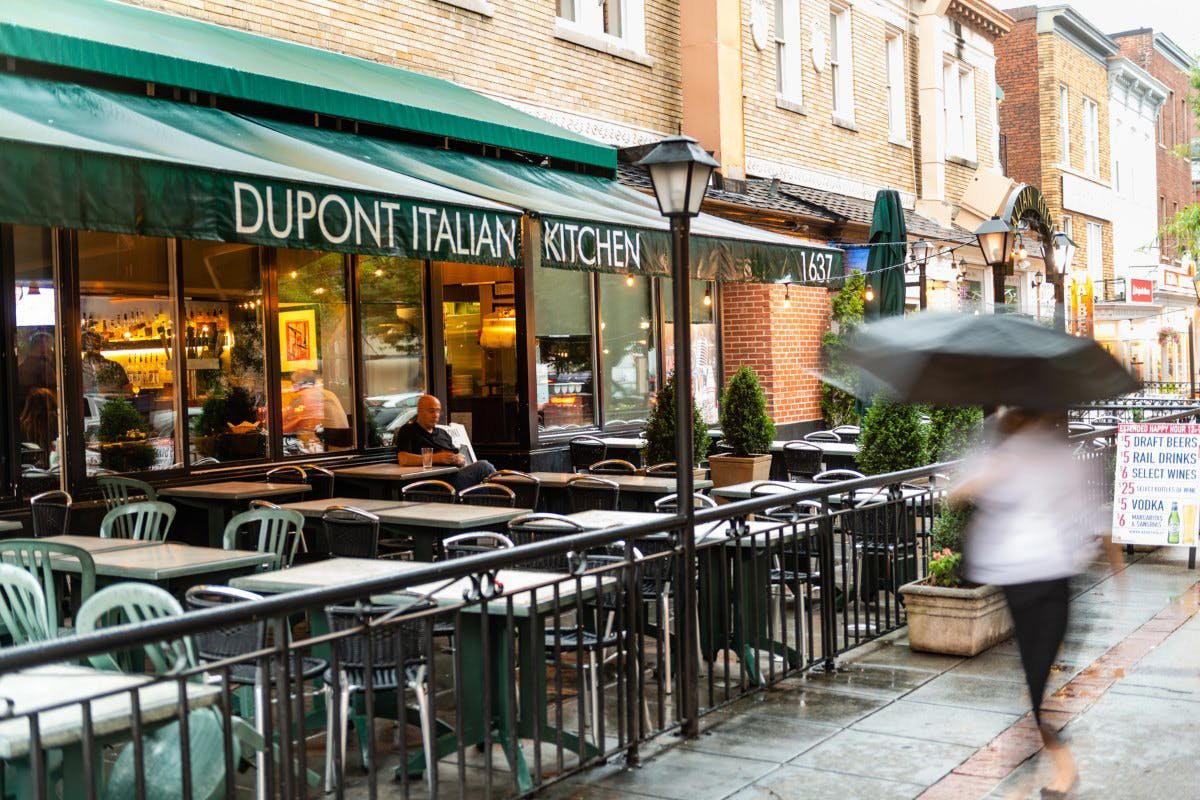
17th Street and the Italian Neighborhood Restaurant
DuPont Italian Kitchen is a restaurant at 1637 17th St NW in Washington, D.C. serving classic Italian trattoria cooking. The blocks between P Street and R Street hold a particular mix: long-running independents, a few newer concepts, and several Italian kitchens that depend less on destination traffic and more on returning locals. DuPont Italian Kitchen at 1637 17th St NW sits squarely in that category. The building's position on this stretch places it in easy walking distance of Dupont's residential core, which shapes both the pace of service and the way the menu is constructed.
The broader Italian dining category in Washington has split in recent years. On one end, a handful of higher-investment Italian restaurants compete with the city's tasting-menu tier, where venues like Jônt and minibar set a benchmark for composed, technically precise cooking. On the other end, neighborhood trattoria-style kitchens serve the function that casual Italian has always served in American cities: a place where the decision to eat out does not require planning weeks in advance. DuPont Italian Kitchen belongs to the latter category, though the name signals something more specific than a generic red-sauce house.
How the Menu Is Built, and What That Reveals
Italian restaurant menus in the United States carry significant structural choices. A kitchen that organizes its offerings around antipasti, primi, and secondi is making an argument about authenticity and sequence. A kitchen that flattens everything into a single list of shareable plates is making a different argument, one about accessibility and American dining habits. Both are legitimate, but they attract different diners and create different experiences at the table.
The name "Italian Kitchen" rather than "Italian restaurant" or "Italian bistro" tends to signal a menu organized around familiarity and execution rather than novelty. In the mid-market Italian tier, this often means pasta is the anchor, with proteins and sides playing a supporting role. That structure reflects how Italians actually eat, where a well-made bowl of pasta is not a starter but the main event. For diners accustomed to Italian-American formats where pasta arrives alongside proteins, the kitchen's organizational logic is worth paying attention to before ordering.
In D.C.'s current dining environment, this structural clarity is a differentiator. The city's most-discussed restaurants trend toward tasting menus and chef-driven concept formats. Causa operates a Peruvian tasting format; Oyster Oyster pursues a sustainability-led New American approach; Albi takes Middle Eastern cooking into premium territory. Against that backdrop, a neighborhood Italian kitchen with a readable, section-by-section menu offers something the city's refined tier does not: the ability to eat without a plan.
The DuPont Circle Context
Neighborhood matters in Washington more than in some American cities because the District's dining culture is unusually neighborhood-segmented. Shaw, Logan Circle, Capitol Hill, and DuPont each have a distinct dining character. DuPont has historically attracted a mix of embassies, long-term residents, and a professional demographic that expects reliable quality without theater. The neighborhood supports restaurants that return value over time rather than generating a single viral moment.
For Italian kitchens, this is a favorable environment. The format's repeatability is its strength. A diner who goes once for pasta and finds it done well has a reason to return the following month, and the month after that. The economics of a neighborhood Italian kitchen in DuPont depend on that cycle in a way that a destination restaurant, pulling from across the metro area, does not. This is the operating logic behind most successful neighborhood Italian kitchens in American cities, from the West Village in Manhattan to Noe Valley in San Francisco.
Where This Sits Relative to D.C.'s Italian Tier
Washington's Italian restaurants occupy a wider range than the city's Italian reputation might suggest. At the upper end, some kitchens compete with the precision and sourcing discipline you find at restaurants like The Inn at Little Washington in the broader D.C. metro region, or that defines nationally recognized kitchens such as Le Bernardin in New York City, The French Laundry in Napa, or Smyth in Chicago. The restaurant does not position itself in that tier, nor does it need to.
The mid-market Italian category in American cities has faced pressure from fast-casual concepts below and ambitious chef-driven Italians above. The kitchens that survive and build regulars tend to do so through consistency: the same pasta texture on a Tuesday in February as on a Saturday in October. That kind of execution is harder than it looks and is the real benchmark for a neighborhood restaurant over a tasting-menu concept where each visit is a different performance.
Know Before You Go
Address: 1637 17th St NW, Washington, DC 20009
Neighborhood: DuPont Circle
Format: Neighborhood Italian kitchen, walk-in and table dining
Price tier: Mid-market
Reservations: Recommended
Regular opening hours: Mon: 3-10 PM; Tue: 11:30 AM-10 PM; Wed: 11:30 AM-10 PM; Thu: 11:30 AM-10 PM; Fri: 11:30 AM-10:30 PM; Sat: 10:30 AM-10:30 PM; Sun: 10:30 AM-10 PM
Getting there: Dupont Circle Metro station (Red Line) is within walking distance of the 17th Street corridor
Comparable Venues
Comparable venues nearby, for context on price, style, and recognition.
| Venue | Cuisine | Price | Notes |
|---|---|---|---|
| DuPont Italian KitchenThis venue — the venue you are viewing | Classic Italian Trattoria | $$ | Not listed |
| Tortino | Authentic Northern Italian | $$ | Logan Circle |
| i Ricchi | Authentic Tuscan Trattoria | $$$ | Dupont Circle |
| Angolo Ristorante | Traditional Italian Trattoria | $$ | East Village Georgetown |
| La Tomate | Regional Italian Bistro | $$ | Dupont Circle |
| LiLLiES Italian | Farm-Fresh Italian & Mediterranean | $$ | National Zoological Park |
Continue exploring
More in Washington DC
Restaurants in Washington DC
Browse all →
Bars in Washington DC
Browse all →
Hotels in Washington DC
Browse all →

At a Glance
- Cozy
- Classic
- Casual Hangout
- Brunch
- Group Dining
- Private Dining
- Craft Cocktails
Current opening hours
- Monday
- 3–10 PM
- Tuesday
- 11:30 AM–10 PM
- Wednesday
- 11:30 AM–10 PM
- Thursday
- 11:30 AM–10 PM
- Friday
- 11:30 AM–10:30 PM
- Saturday
- 10:30 AM–10:30 PM
- Sunday
- 10:30 AM–10 PM
Hours can change for holidays and private events. Last verified .
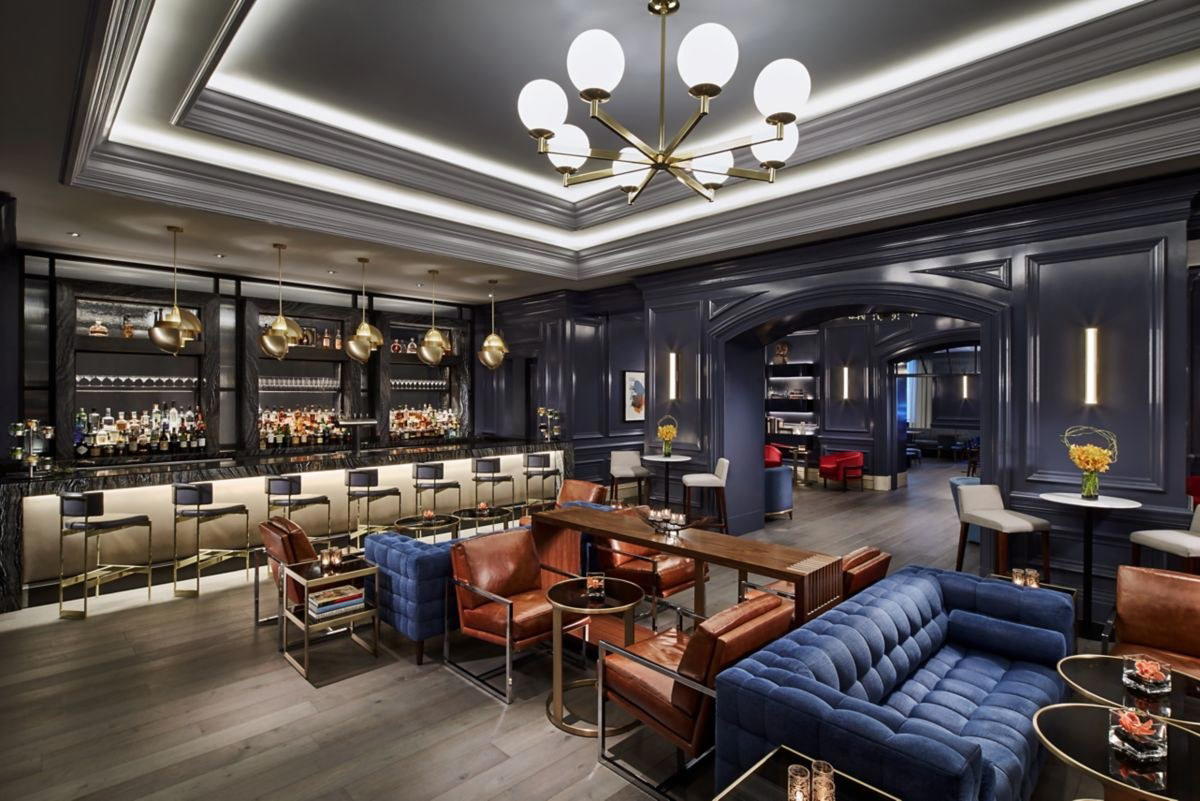
Warm and welcoming neighborhood atmosphere with cozy classic Italian charm.