La Taverne Du Dauphin
La Taverne Du Dauphin sits on Rue Belyoutjt in Casablanca, a city where French colonial dining culture and Moroccan culinary tradition have long negotiated the same table. The address places it within the older, denser commercial fabric of the city, where neighbourhood restaurants carry more institutional weight than their storefronts suggest. Visitors seeking Casablanca's mid-century brasserie character will find this address worth investigating.
 Discover on Pearl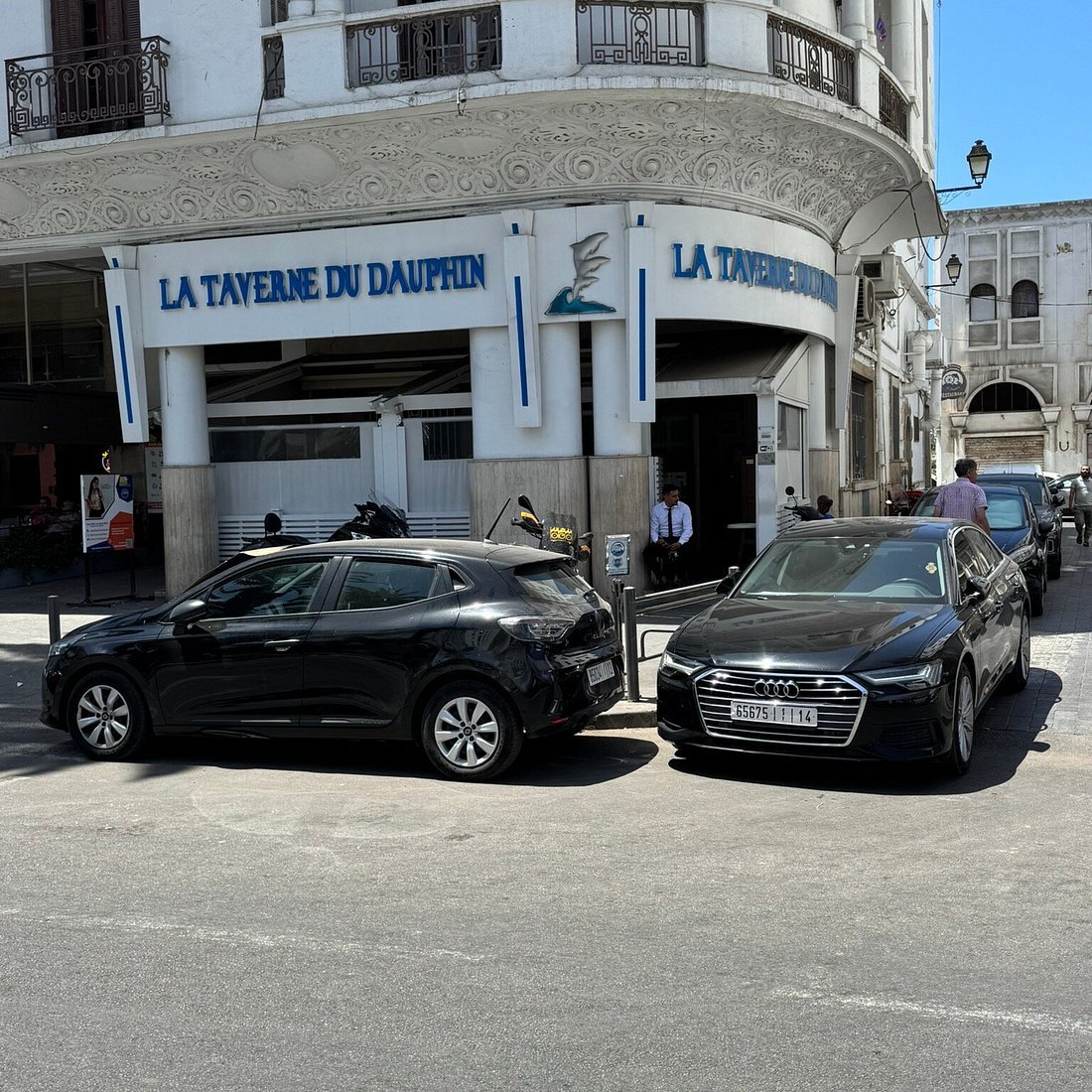
Where French Brasserie Culture Meets Casablanca's Commercial Core
Casablanca's relationship with French dining formats runs deeper than colonial inheritance. Across the 20th century, the city developed a distinct restaurant culture that absorbed brasserie conventions — tiled floors, banquette seating, long counters, and menus that acknowledged both European and Moroccan appetites — and made them its own. By the time Morocco gained independence in 1956, these establishments had already become fixtures of urban professional life, not symbols of foreign culture but of the city itself. La Taverne Du Dauphin, on Rue Belyoutjt, occupies precisely that tradition. The street runs through one of Casablanca's older commercial districts, the kind of address where a restaurant earns its reputation through decades of consistent service to a neighbourhood rather than through seasonal press cycles or award citations.
Approaching the address, the surrounding urban fabric tells you something about what to expect inside. This is not the polished corridor of the Corniche, nor the reclaimed-industrial dining zones that have emerged in newer parts of the city. Rue Belyoutjt sits closer to the older commercial and residential layers of central Casablanca, where the city's working and professional classes have eaten and met for generations. Restaurants in this register tend to resist reinvention because their clientele does not require it , they return for continuity, for the particular logic of a room that has settled into itself.
The shortlist, unlocked.
Hard-to-book tables, cellar releases, and concierge-planned trips.
Get Exclusive Access →Casablanca's Dining Register and Where This Address Fits
Morocco's restaurant scene has diversified sharply over the past decade. Marrakesh has absorbed international investment into its high-end riad dining format, with properties like Le Palace in Marrakech and La Grande Brasserie by Helene Darroze in Marrakesh positioning themselves for an international traveller audience. Casablanca operates differently. As Morocco's commercial capital, it runs on a mix of corporate dining, long-standing neighbourhood institutions, and a growing contemporary food scene , but the city has not pivoted its entire restaurant culture toward tourism in the way that Fes's medina dining or Essaouira's seafront addresses have. For comparison, Heure Bleue Palais in Essaouira trades heavily on coastal atmosphere and a tourist-facing proposition, while Casablanca addresses like La Taverne Du Dauphin draw from a different, more locally embedded logic.
Within Casablanca itself, the spectrum runs from the medina-adjacent café tradition represented by La Sqala: Café Maure , which occupies the fortified walls of an 18th-century bastion and trades on that architectural drama , to the contemporary café formats of Cocoa Café in Casablanca. La Taverne Du Dauphin sits in a different register from both: the neighbourhood taverne, a format with specifically French-Moroccan urban roots, where the proposition is less about spectacle and more about the accretion of repeat custom. See our full Casablanca restaurants guide for a broader map of where this address sits within the city's dining geography.
The French-Moroccan Taverne as Cultural Form
The word taverne carries specific cultural weight in Morocco's French-influenced cities. These are not wine bars in the Parisian sense, nor traditional Moroccan dining rooms. They emerged from the colonial period as hybrid spaces , serving alcohol where Moroccan law permitted, maintaining menus that moved between French café standards and local flavour , and survived independence by becoming, in many cases, more Moroccan than their founders intended. In cities like Casablanca, Rabat, and Fes, the older tavernes function as unofficial social institutions. Their regulars are not tourists consulting a guidebook but locals who have been coming for years, sometimes decades.
This format has direct parallels in other cities with French colonial dining histories. Across North Africa, Algeria, and parts of sub-Saharan Africa where French administrative culture took root, similar establishments developed similar characters: slightly worn, deeply functional, more interested in conversation than in presentation. The cooking in these places tends to sit at the intersection of French bistro logic and local ingredient availability , fish from Atlantic Moroccan waters, lamb from the interior, spices that have moved through the cuisine regardless of the French format nominally governing the menu. For a sense of how this dynamic plays out in the country's interior, Berrada in Fes and Dar Tagine in Fès offer useful comparison points, though both lean more explicitly Moroccan in format.
Morocco's coastal regions add another layer to this picture. The Atlantic seaboard, running from Tangier south through Casablanca, Oualidia, and Agadir, has produced a distinct tradition of seafood-centred dining that cuts across Moroccan and French culinary categories. L'Araignée Gourmande in Oualidia represents the rural coastal version of this tradition; Casablanca's urban tavernes occupy the city equivalent, where Atlantic fish arrives through the commercial port infrastructure that defines the city's economic geography. Azurita in Tangier similarly reflects this northern coastal character.
The Wider Moroccan Table
For visitors building a broader picture of Moroccan dining, the country's restaurant geography rewards attention to regional specificity. The French-Moroccan synthesis visible in Casablanca's taverne tradition sits alongside quite different culinary frameworks elsewhere in the country. Dar Dada in Sidi Belyout and BÔ ZIN in Tassoultante represent more contemporary or resort-adjacent propositions, while L'Oliveraie in El Hajeb reflects the agricultural interior. Château Roslane in Icr Iqaddar engages with Morocco's growing wine production tradition. Café Enjoy Agadir in Agadir covers the southern Atlantic end of the coast. None of these addresses overlap significantly with the urban brasserie-taverne tradition that La Taverne Du Dauphin represents , which is part of what makes the format worth understanding on its own terms.
Planning Your Visit
La Taverne Du Dauphin is located on Rue Belyoutjt in Casablanca, within the older commercial fabric of the city centre. The address is accessible by taxi from most central Casablanca hotels, and the surrounding district is walkable for visitors staying in the downtown or Habous areas. Because verified booking contact, hours, and pricing data are not available through EP Club's current database record, visitors should confirm operating details directly on arrival or through local concierge contacts. This kind of neighbourhood institution in Casablanca typically operates on lunch and dinner service with reduced hours on Sundays, but that pattern should be verified before visiting. No dress code data is confirmed in the EP Club record; the taverne format in Casablanca generally runs toward smart-casual norms rather than formal requirements.
The shortlist, unlocked.
Hard-to-book tables, cellar releases, and concierge-planned trips.
Get Exclusive Access →Frequently Asked Questions
Budget and Context
A fast peer set for context, pulled from similar venues in our database.
| Venue | Price | Awards | Notes |
|---|---|---|---|
| La Taverne Du Dauphin | This venue | ||
| La Grande Table Marocaine - Royal Mansour | World's 50 Best | Moroccan Cuisine | |
| Château Roslane | French Moroccan | ||
| Heure Bleue Palais | Moroccan Coastal | ||
| L’Italien par Jean-Georges | French Moroccan | ||
| La Grande Table Marocaine - Royal Mansour Casablanca | Moroccan Fine |
Need a table?
Our members enjoy priority alerts and concierge-led booking support for the world's most difficult tables.
Get Exclusive AccessThe shortlist, unlocked.
Hard-to-book tables, cellar releases, and concierge-planned trips.
Get Exclusive Access →