
La Ripadoro sits within a working agriturismo in the medieval hilltop village of Rivalto, serving traditional Tuscan dishes built almost entirely from produce grown on the property. The charcoal grill is the kitchen's anchor, used for ribollita-adjacent classics and the wood-fired ribeye that defines the menu. A Michelin Plate in 2025 confirms its place among the region's most credible farm-to-table addresses.
Pearl is the En Primeur Club membership app — saves, bookings, and concierge access live there. Same editors, same standards.
- Address
- Via Amerigo Vespucci, 22, 56034 Rivalto PI, Italy
- Phone
- +39 347 626 5919
- Website
- laripadoro.it
- Directions
- Get directions
 Saves & bookings on Pearl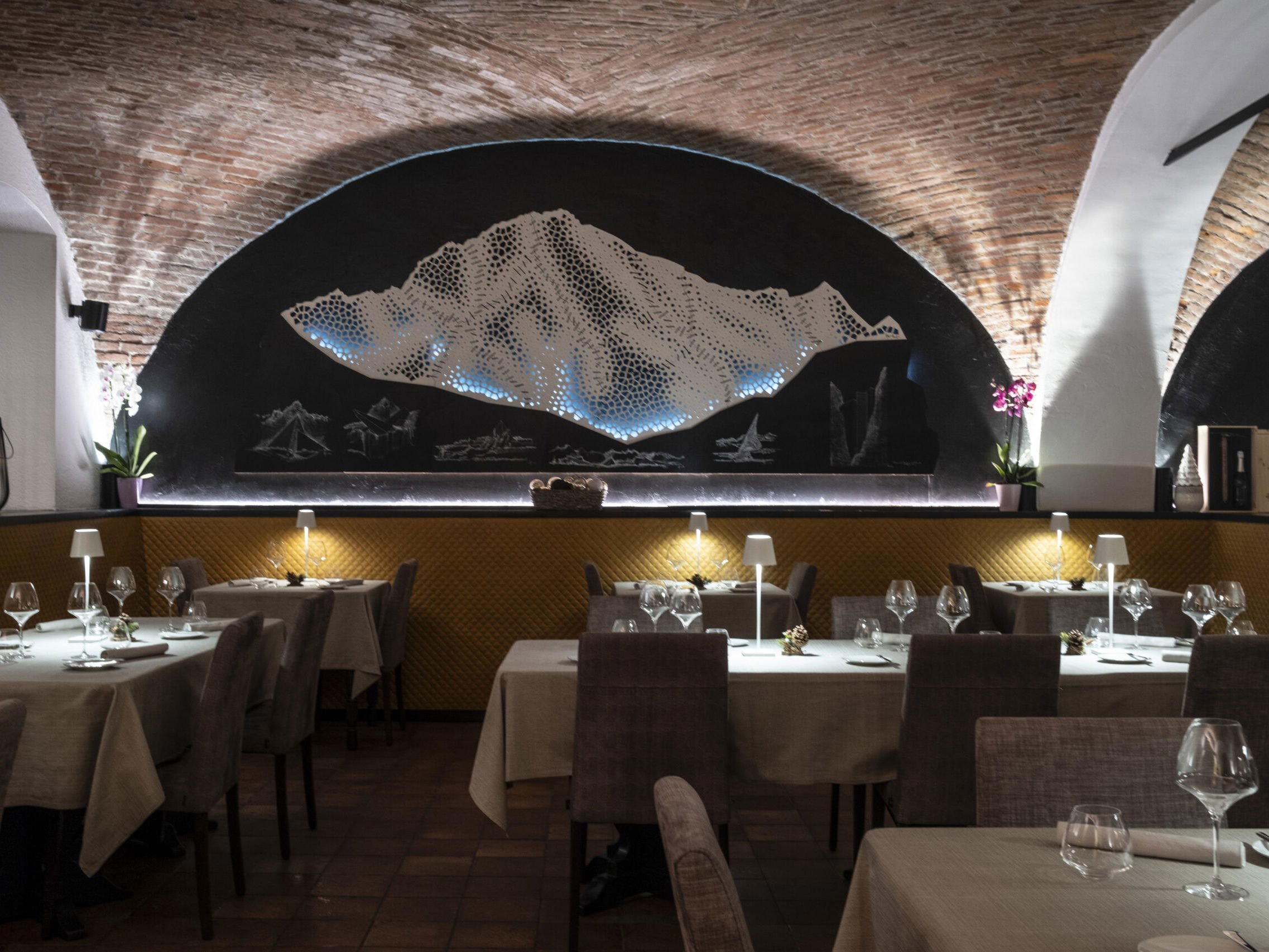
Where the Farm Defines the Menu
The agriturismo model has been central to Tuscan hospitality for decades, but not every farm-restaurant earns recognition that separates a working kitchen from a tourist trap. In the Pisan hills, that distinction rests heavily on whether the kitchen is actually connected to the land surrounding it. At La Ripadoro, in the small medieval village of Rivalto, the answer is structural rather than decorative: the produce on your plate is grown on the property, and the cooking method most central to the experience, an authentic charcoal grill, has no interest in trend-chasing. This recognition confirms the kitchen meets a threshold that many farm restaurants in the region do not.
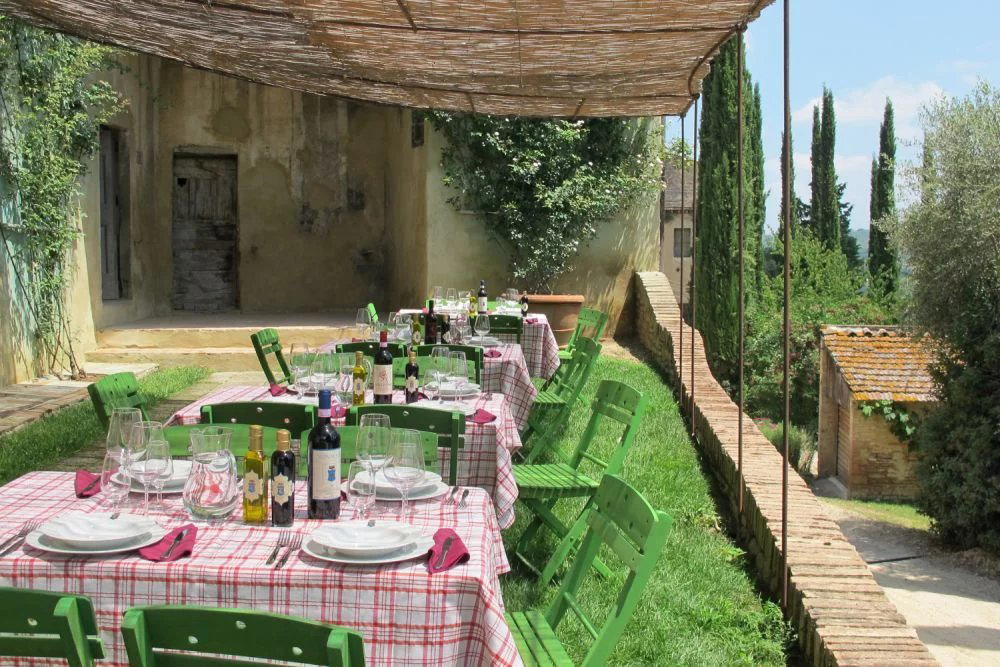
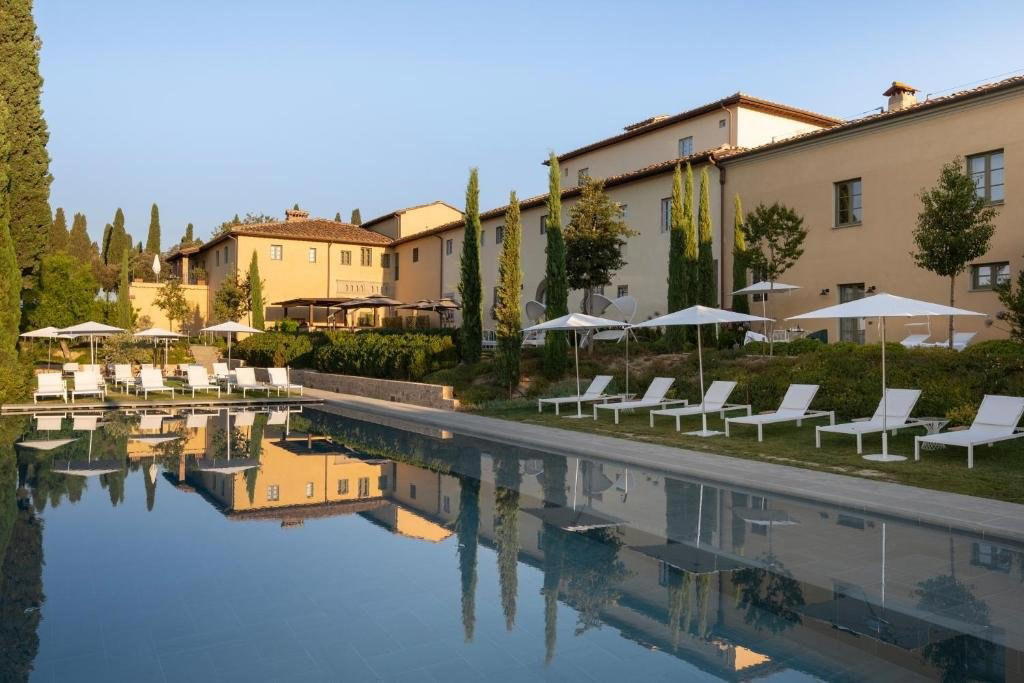
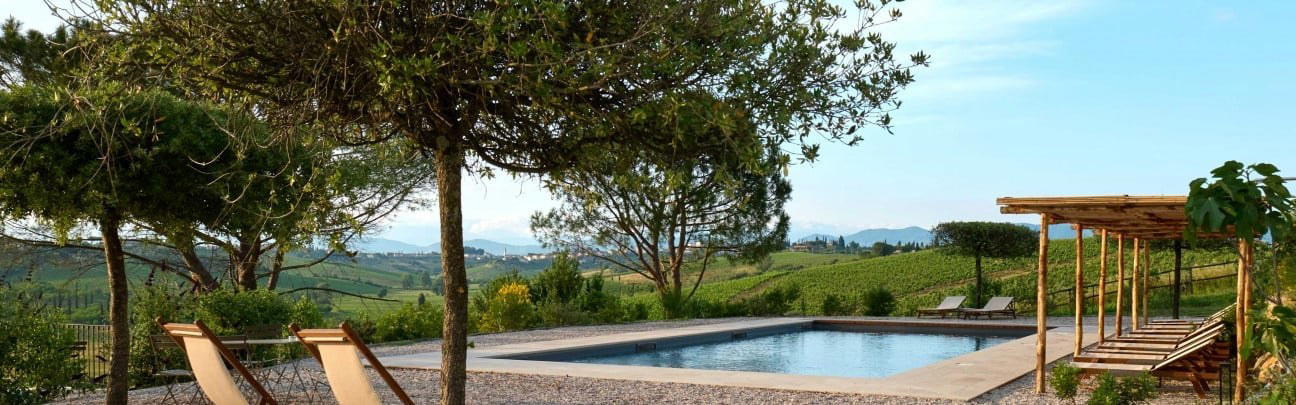
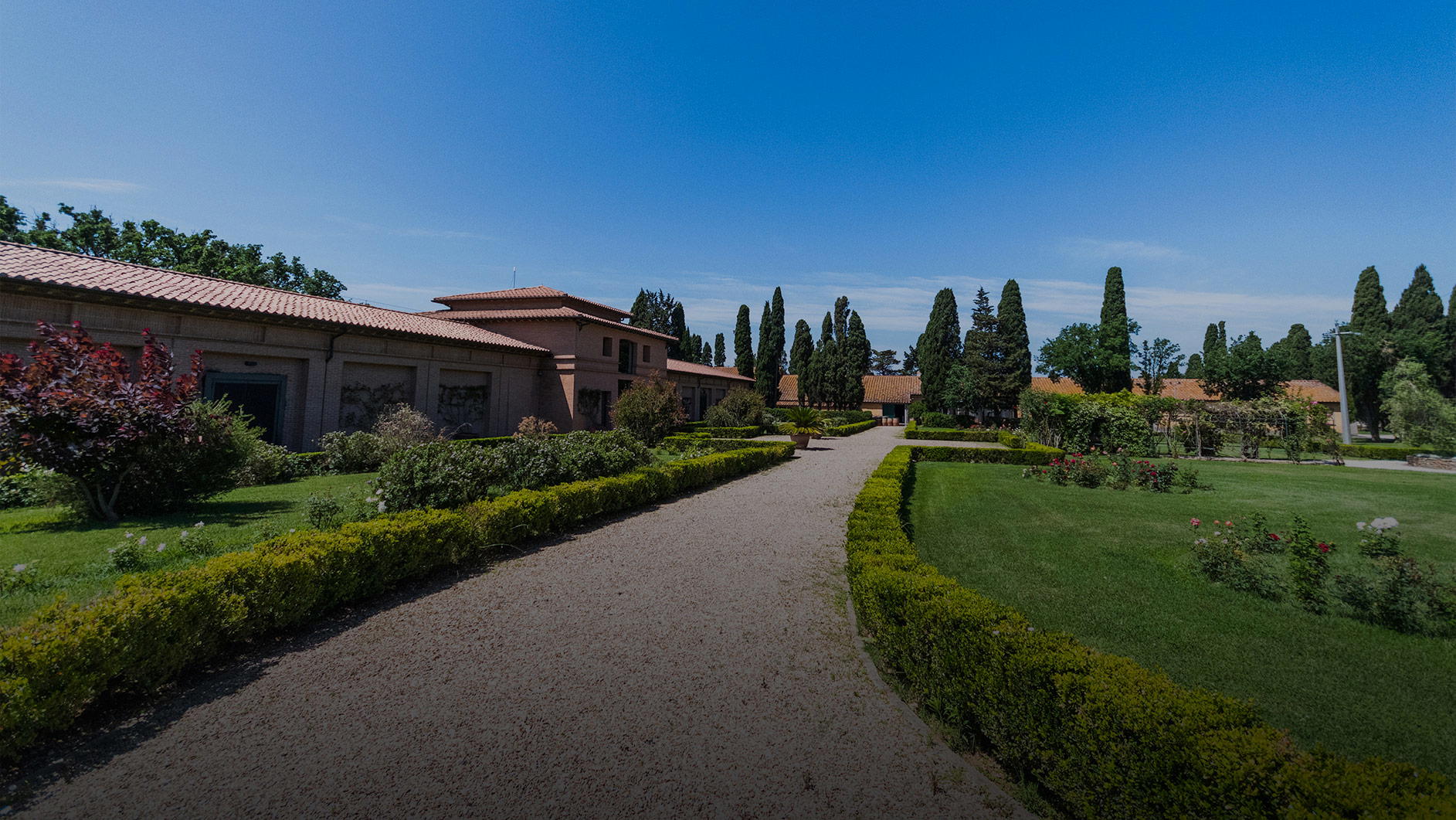
The village of Rivalto sits in the Pisan countryside, part of the broader swath of interior Tuscany that lies between the more heavily trafficked wine corridors of Chianti and the coastal Maremma. This is not an area that generates significant dining press, which makes independently verified recognition more meaningful here than in cities where critics arrive by default. The surrounding Tuscan hills frame the property's dining terrace, and in summer the outdoor tables sit beneath large lime trees, a setting that requires no editorial embellishment.
Sourcing as Kitchen Logic, Not Marketing
Agriturismo format, when it functions correctly, closes the loop between land and plate in a way that few urban restaurants can replicate regardless of their supply chains. At La Ripadoro, the farm-sourced model is the operational premise of the menu, not a positioning statement. Traditional Tuscan dishes are constructed from what the property grows, which imposes a discipline on the kitchen that seasonal menus elsewhere often only approximate. This is the kind of constraint that produces coherent cooking rather than ambitious sprawl.
That discipline is most visible in the two preparations that anchor the grill menu. The ribeye cooked over charcoal follows the Florentine bistecca tradition, in which breed selection, aging, and fire management matter far more than sauce or garnish. The second signature, the girarrosto of boned pigeon and quail, is a more technically demanding offering: deboning birds before spit-roasting them speaks to classical preparation standards that sit above the typical agriturismo repertoire. The accompaniments, potato rosti, yellow carrots with ginger, and Jerusalem artichokes cooked in foil, are composed with enough specificity to suggest a kitchen paying attention to contrast and texture rather than defaulting to safe contorni.
This places La Ripadoro in an interesting position within the Italian farm-restaurant category. The agriturismo tier in Tuscany ranges from family tables where you eat what was cooked that morning to polished rural restaurants with serious wine lists and trained kitchens. The restaurant sits toward the latter end of that spectrum, at a price range of €€€, without abandoning the authenticity markers, fire cooking, estate produce, and a sense of place that give the format its credibility. Compare this to the approach of properties like Enoteca Pinchiorri in Florence or Osteria Francescana in Modena, where innovation and technical elaboration are the currency. The restaurant operates on entirely different terms: tradition and provenance do the work here, not reinvention.
The Charcoal Grill as Centrepiece
Open-fire and charcoal cooking have seen a global re-evaluation over the past decade, but in Tuscany the wood and charcoal grill never required rehabilitation. It remained the legitimate centre of the regional table, particularly for meat. What distinguishes kitchens working in this tradition is the quality of the raw material and the patience of the cook, not equipment novelty. A farm that raises or sources its own animals and poultry for the grill has a structural advantage over a restaurant buying in from a third party and calling it farm-fresh.
The girarrosto technique specifically, spit-roasting deboned birds, is an older method that produces a different result from simply grilling a whole quail or pigeon. The fat bastes the meat from within as it rotates, the cooking is more even, and the presentation is cleaner. That this technique appears on the menu of a rural agriturismo rather than a metropolitan trattoria says something about the kitchen's seriousness.
For those travelling through interior Tuscany with an interest in the region's farm-rooted cooking tradition, the Tuscan addresses worth cross-referencing include Caino in Montemerano and L'Asinello in Castelnuovo Berardenga, both operating in the same broadly rural Tuscan register. Further afield, Italian restaurants working in the farm-connected, regionally anchored mode at higher price tiers include Dal Pescatore in Runate, Reale in Castel di Sangro, and Piazza Duomo in Alba, each of which roots its cooking in specific place and produce. At the creative end of Italy's ingredient-led tradition, Atelier Moessmer Norbert Niederkofler in Brunico takes a mountain-sourcing philosophy to its logical extreme, while Uliassi in Senigallia applies the same rigour to Adriatic seafood. Italian kitchens less defined by place and more by chef-driven creativity, including Enrico Bartolini in Milan, Le Calandre in Rubano, Quattro Passi in Marina del Cantone, and Casa Perbellini 12 Apostoli in Verona, represent a different axis of the country's dining conversation entirely.
Planning a Visit
The restaurant is located at Via Amerigo Vespucci, 22, in Rivalto, a small village in the province of Pisa. The address is rural, and a car is the practical choice for getting there from the main towns of the province. At a price range of €€€, the kitchen sits above casual trattoria territory, so this is a meal worth planning rather than a drop-in option. Booking ahead is advisable, particularly for summer visits when the outdoor terrace under the lime trees is the obvious choice: securing a table there adds a dimension to the meal that the interior, however considered, cannot replicate.
Quick Comparison
Comparable venues nearby, for context on price, style, and recognition.
| Venue | Cuisine | Price | Awards | Notes |
|---|---|---|---|---|
| La RipadoroThis venue — the venue you are viewing | Modern Tuscan Farm-to-Table | $$$ | Michelin Plate | Not listed |
| Locanda Sant'Agata | Contemporary Tuscan Fine Dining | $$$ | Michelin Plate | San Giuliano Terme |
| Il Doretto | Italian Seafood in Farmhouse Setting | $$$ | Michelin Plate | Cecina |
| Il Sale | Coastal Tuscan Seafood | $$$ | Michelin Plate | San Vincenzo |
| Alex | Italian Seafood Enoteca | $$$ | Michelin Plate | Marina di Pietrasanta |
| Buca di Sant'Antonio | Traditional Tuscan Trattoria | $$$ | Michelin Plate | center |
Recognition history
Dated appearances from independent guides and award organizations, with the underlying list record or original source where available.
Michelin Plate
Michelin
Michelin Plate
Michelin
Continue exploring
More in Rivalto
Restaurants in Rivalto
Browse all →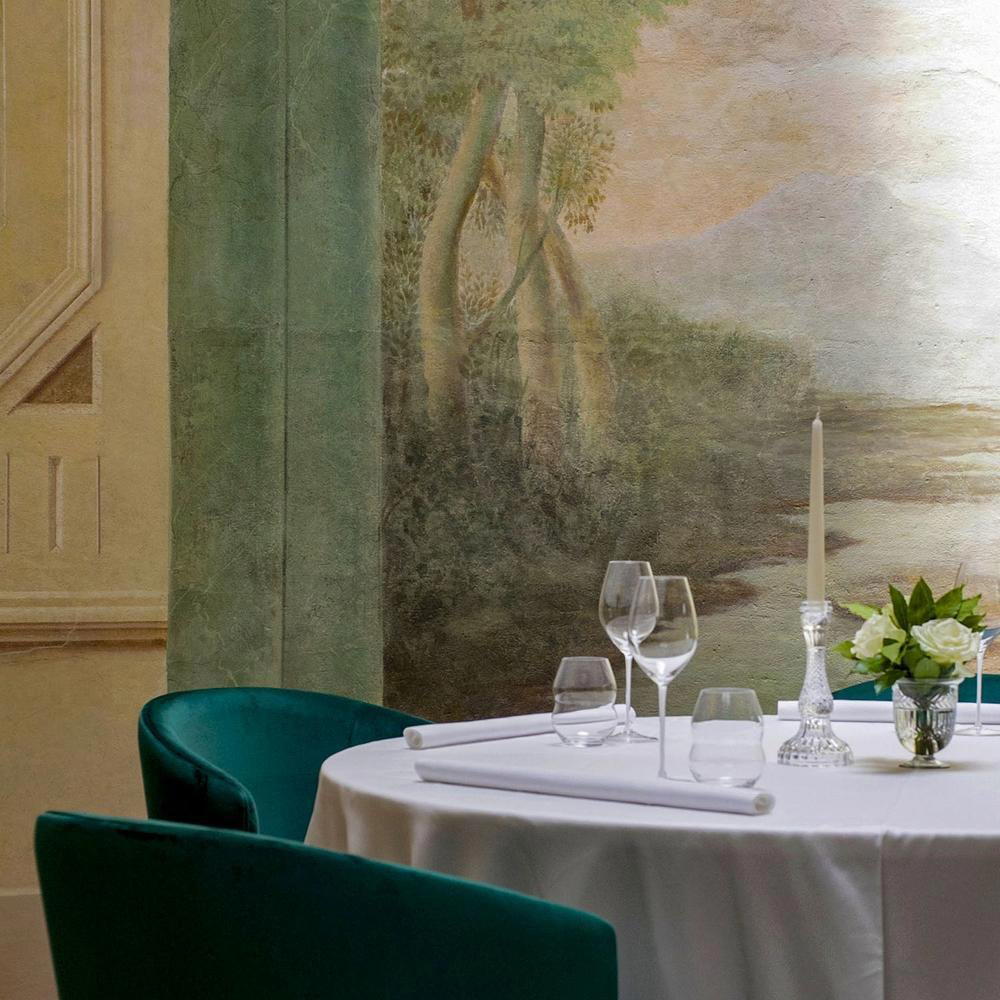
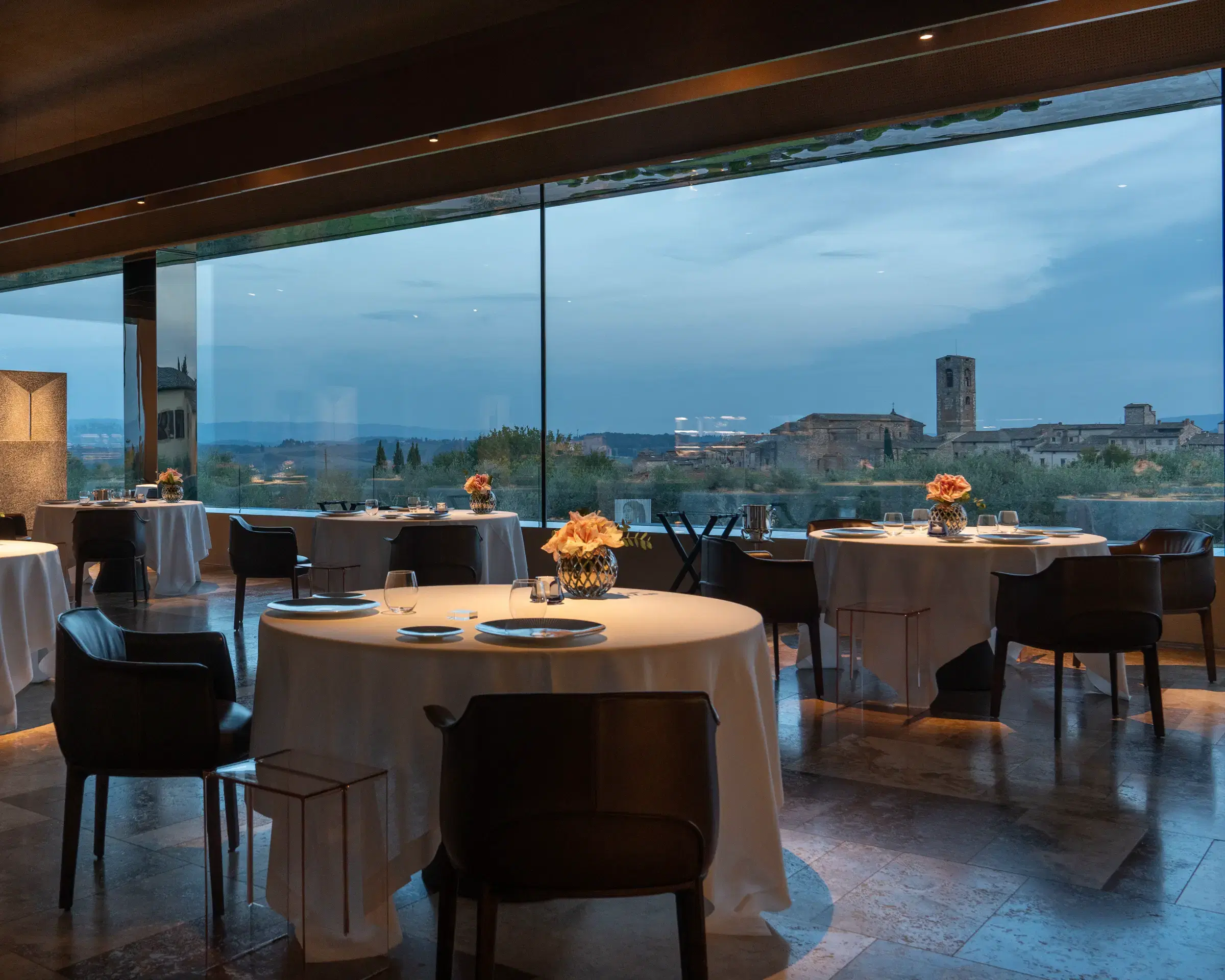
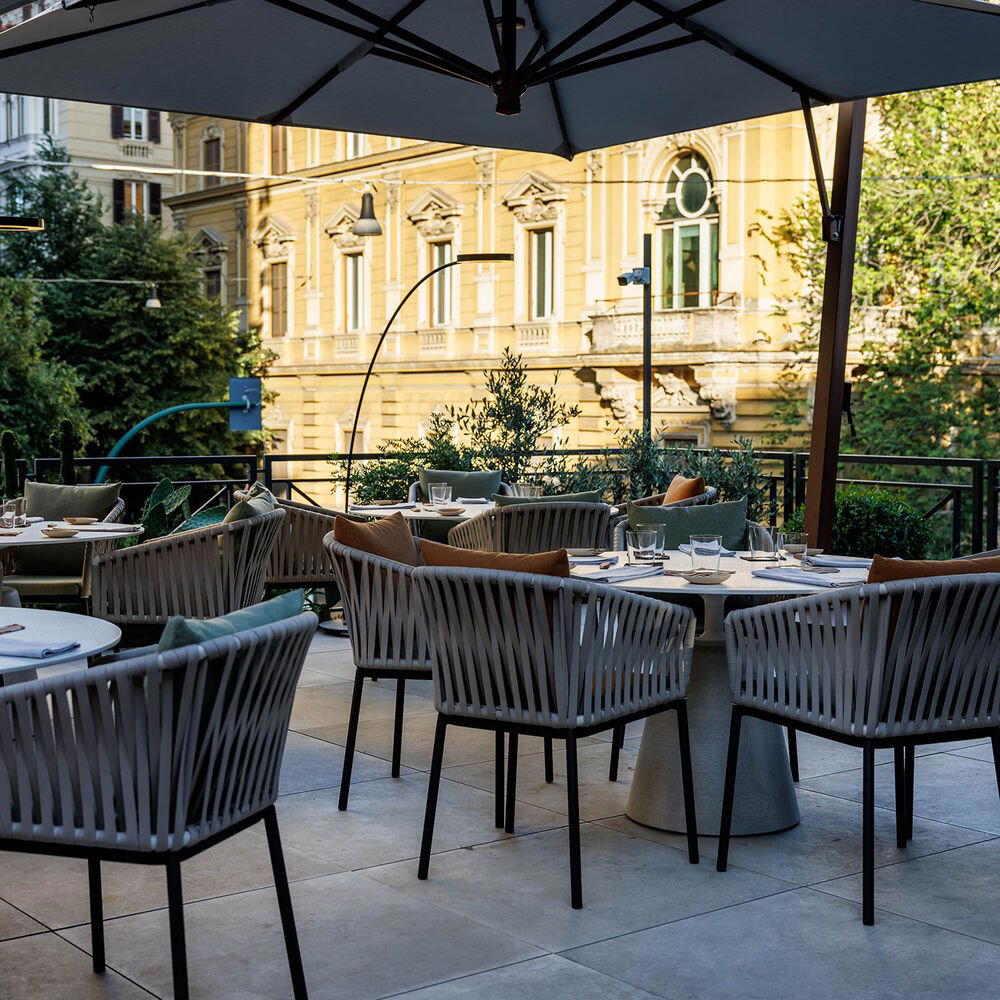
Bars in Rivalto
Browse all →
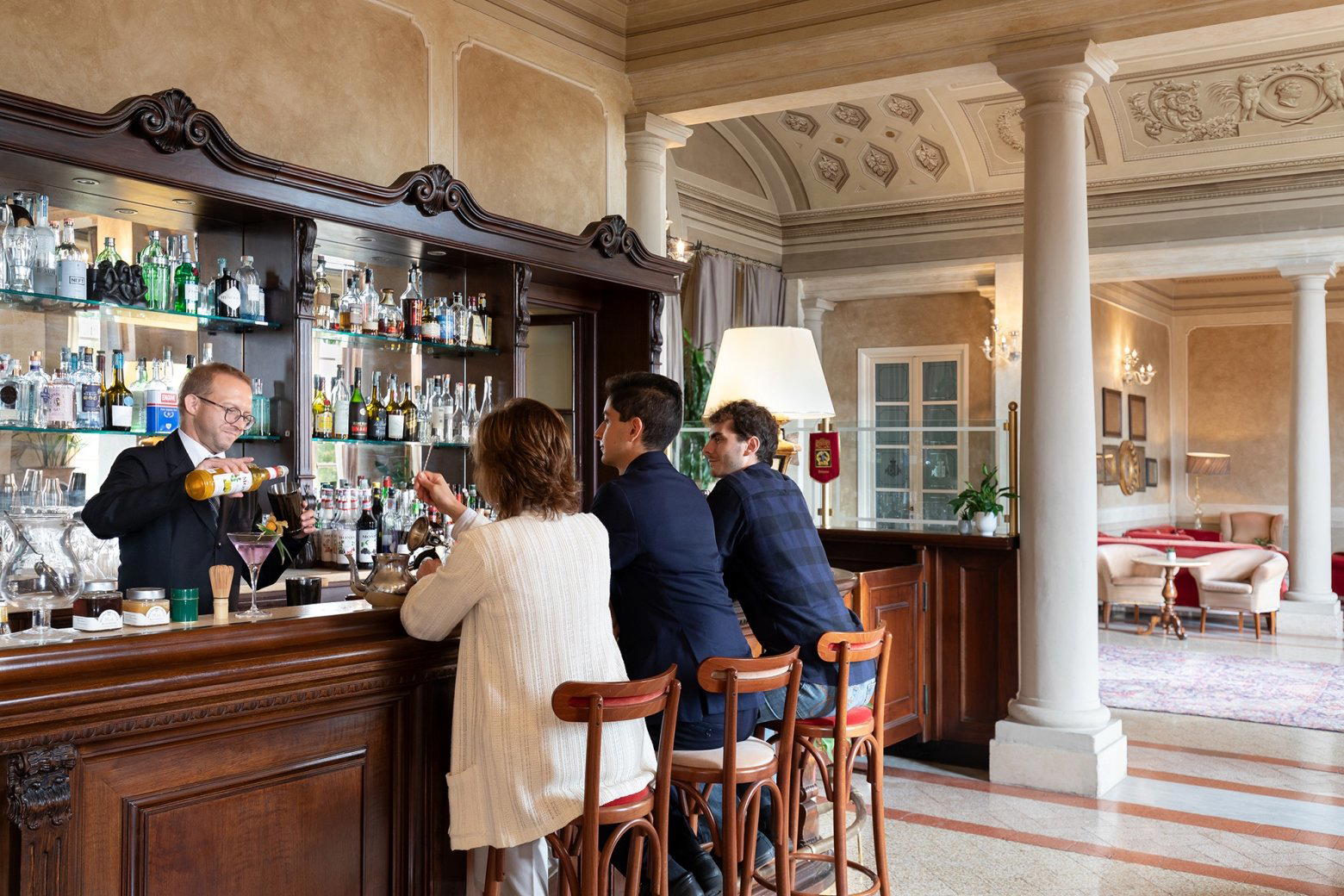
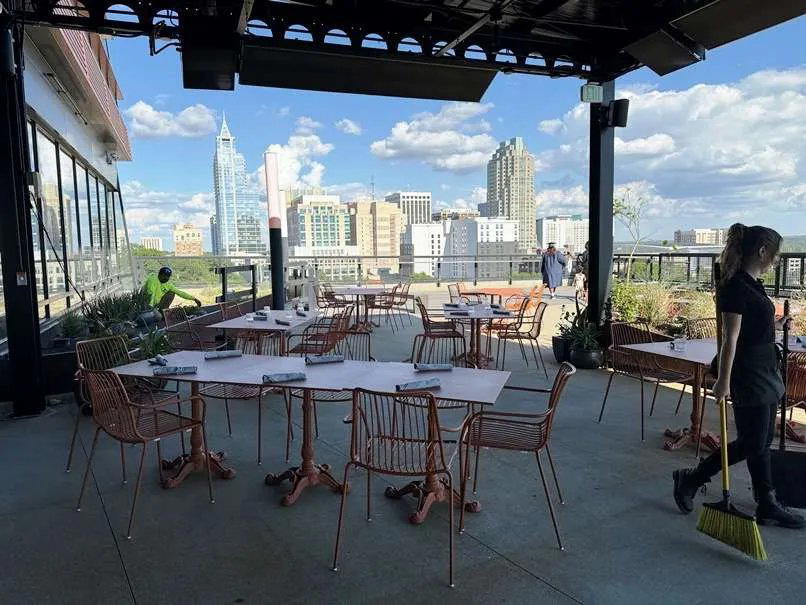
Hotels in Rivalto
Browse all →

At a Glance
- Rustic
- Elegant
- Cozy
- Scenic
- Date Night
- Special Occasion
- Garden
- Open Kitchen
- Terrace
- Extensive Wine List
- Farm To Table
- Local Sourcing
- Mountain
- Garden
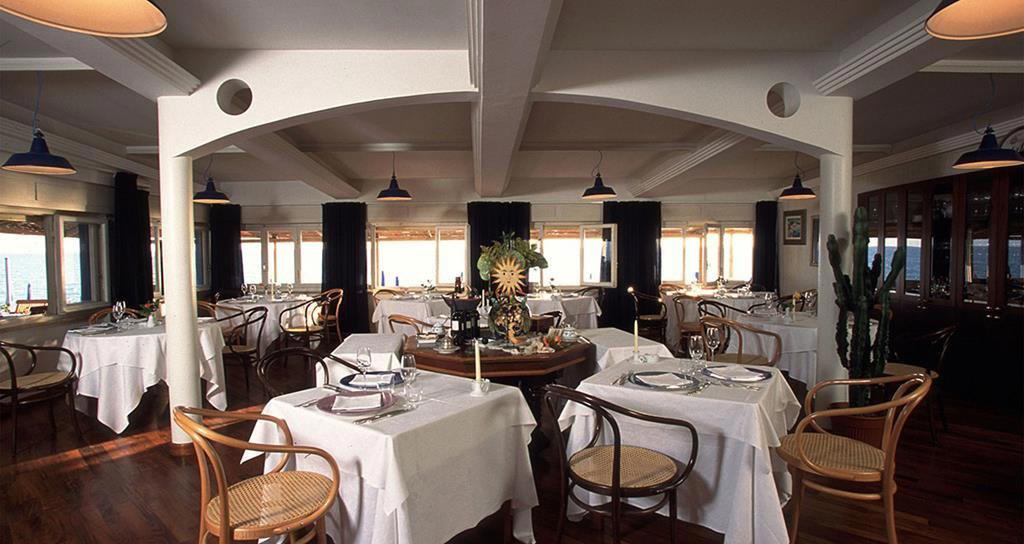
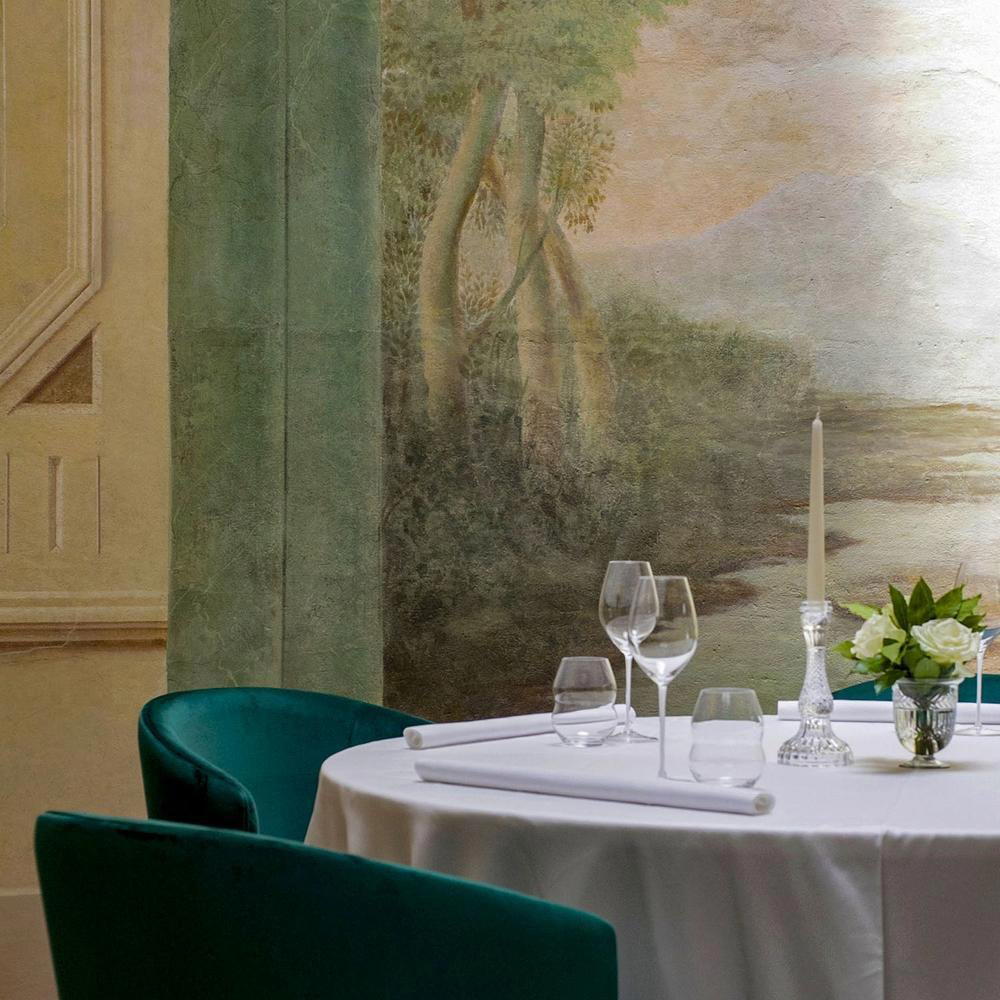
Relaxed and quiet atmosphere with tasteful decor, charming interiors, and garden terrace offering dramatic Tuscan hill views.