La Mar
Our verdict
La Mar sits on Arévalo 2024 in Palermo, where Lima's ceviche tradition meets Buenos Aires's appetite for precise, seafood-forward cooking. The address places it in one of the city's most active dining corridors, where Nikkei and coastal Peruvian techniques have found a receptive audience. For a city that defaults to beef, this is a deliberate counter-position.

Pearl is the En Primeur Club membership app — saves, bookings, and concierge access live there. Same editors, same standards.
- Address
- Arévalo 2024, C1414 Cdad. Autónoma de Buenos Aires, Argentina
- Phone
- +5491139559600
- Hours
- Mon–Thu 7 PM–12 AMFri 7 PM–12:30 AMSat 12:30 PM–12:30 AMSun 12:30 PM–12 AM
- Website
- lamarcebicheria.com
- Directions
- Get directions
- Booking
- Book on the venue's website
The menu
What to order
- Clásico ceviche
- Marcona ceviche
- Tiradito
- La gran chalana La Mar
Palermo's Peruvian Counter-Argument
Buenos Aires has long organised its dining identity around the parilla. The city's most decorated tables — from Don Julio in Palermo to the creative beef-forward tasting menus at Aramburu — reflect a cuisine built on land rather than water. Against that backdrop, the serious Peruvian seafood table occupies a distinct and purposeful niche. Lima's cevicheria tradition, with its cold citrus technique, its leche de tigre acidities, and its Japanese-inflected tiradito cuts, demands a different kind of kitchen discipline: one where the cold chain, the acid balance, and the speed of service carry the same weight that fire and resting time do at a steakhouse.
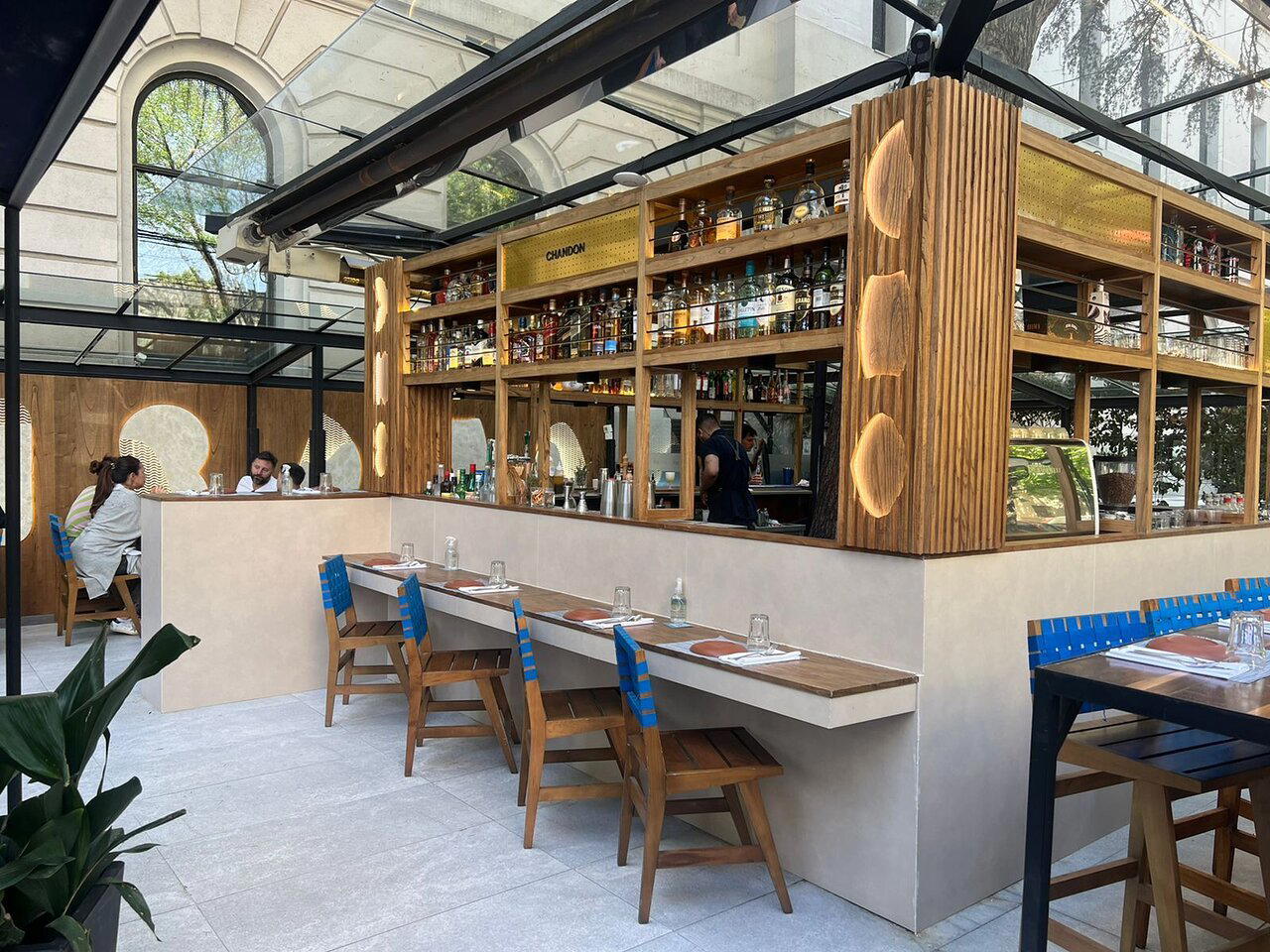
La Mar, at Arévalo 2024 in Palermo, operates within that Peruvian-inflected format. The address sits in a block that has accumulated some of the neighbourhood's more considered restaurant openings over the past decade, and the surrounding streets feed foot traffic from one of Buenos Aires's densest concentrations of mid-to-premium dining. The physical approach is low-key by the standards of the area: a Palermo storefront that gives little away from the street, which is consistent with how Lima's better cevicherias tend to present themselves, the seriousness is inside, not signposted.
The Logic of the Room
Peruvian coastal restaurants, at their more serious end, are built around a particular kind of service rhythm. The cold preparations, ceviches, tiraditos, causas, move fast and depend on front-of-house knowing the right moment to pace a table through them before moving to warmer plates. The sommelier or drinks lead carries equivalent weight: pisco-based cocktails and the lighter wine selections that pair with high-acid preparations require the same technical fluency that a wine program at a beef-focused table demands of a Malbec list. At venues where this team dynamic is calibrated well, the result is a meal that reads as coherent rather than assembled from separate components.
That collaboration between kitchen timing, floor pacing, and drinks selection is the structural logic behind why Nikkei and Peruvian seafood formats tend to reward return visits. The menu at this category of restaurant rewards diners who let the floor lead, who take the recommendation on which leche de tigre base is sharper that week, or which pisco variant the bar has been working with. Venues like Crizia and Anafe have built their own versions of this collaborative floor dynamic in Buenos Aires; the Peruvian seafood format adds an additional layer of technique-specificity that makes the front-of-house role more consequential.
Buenos Aires and the Nikkei Question
Lima's Nikkei cuisine, the fusion that emerged from Japanese immigration into Peru across the twentieth century, has exported successfully to several South American cities, but Buenos Aires receives it with a particular appetite. The city already has a developed palate for Japanese technique through its own sushi scene, and a long familiarity with Peruvian cooking via community restaurants across the city. The premium Nikkei format, which applies Japanese knife discipline and temperature control to Peruvian ingredient frameworks, finds a dining public here that can read both reference points.
For context, the Kaia Omakase Nikkei Experience in Villa Rosa demonstrates how far the Nikkei format has travelled into the Argentine dining circuit beyond the capital. Within Buenos Aires itself, the format is concentrated in Palermo and Recoleta, where the customer base for this price tier is densest. Internationally, the seafood-precision model has reached its most technically demanding expression at counters like Le Bernardin in New York, where the discipline around fish cookery, temperature, acid, rest time, has been refined over decades. The Buenos Aires version operates in a different register, but the underlying insistence on cold-chain integrity and acid calibration is shared.
Where La Mar Sits in the City's Current Hierarchy
Buenos Aires's dining tier structure has compressed at the leading end. The highest-recognition tables, Trescha with its contemporary tasting format, Aramburu with its modernist Argentinian approach, occupy a small bracket defined by international award cycles and long booking windows. The Peruvian seafood format sits in a parallel tier: less frequently decorated by the major award bodies, but with a loyal and repeat-heavy clientele that tends to book on shorter windows and visit more frequently. This is a different kind of restaurant relationship than the annual tasting menu experience.
For context on how the city distributes its dining energy, our full Buenos Aires restaurants guide maps the neighbourhoods and price tiers in more detail. Palermo alone spans multiple sub-neighbourhoods, each with a distinct dining character; the Arévalo corridor where La Mar sits skews toward mid-to-upper casual rather than formal tasting.
Beyond the Capital: Argentina's Wider Table
Travellers using Buenos Aires as a base for wider Argentine exploration will find that the country's dining geography extends well beyond the capital's ceviche and steakhouse axis. In wine country, Azafrán in Mendoza and Bodega Caelum in Lujan De Cuyo anchor a different kind of table, built around regional produce and vineyard proximity. Further south, Alto el Fuego in Bariloche applies open-fire technique to Patagonian ingredients in a register that is closer to the capital's asado tradition but in a landscape context. Coastal eating finds its own character at Camarón Bombay in Puerto Madryn, where Patagonian seafood is the primary material.
For regional dining of a more casual and community-rooted character, Deli Arepa Food in Godoy Cruz, Casa de Campo in General Ortega, Casa del Visitante in Fray Luis Beltran, Belgrano & Perú in Las Heras, and Cerveza Patagonia Refugio in Bahía Blanca each represent the texture of eating outside the capital's premium corridor.
Planning a Visit
La Mar is located at Arévalo 2024 in Palermo, a neighbourhood well served by both remise and rideshare from central Buenos Aires and Recoleta. Palermo's dining streets are walkable once you are in the area, and the Arévalo block is reachable on foot from the Scalabrini Ortiz or Palermo stations. The Peruvian seafood format peaks at lunch and early dinner, when the cold preparations are at their freshest and the room is at its most energetic, which is consistent with how Lima's cevicherias operate on their home turf. For international comparison in the precision seafood category, Atomix in New York demonstrates how technically demanding multi-course seafood service operates at its most refined end globally.
Frequently asked questions
What's La Mar's location?
La Mar is located at Arévalo 2024, C1414 Cdad. Autónoma de Buenos Aires, Argentina, Buenos Aires.
How does La Mar in Buenos Aires fit into the broader Nikkei dining scene in South America?
Lima's Nikkei tradition, which emerged from Japanese immigration into Peru through the twentieth century, has travelled selectively to other capitals, and Buenos Aires represents one of its more established South American outposts outside Lima itself. La Mar at Arévalo 2024 in Palermo operates within a small peer group of Peruvian coastal and Nikkei addresses in the city, a category distinct from Buenos Aires's dominant steakhouse and modern Argentine tasting-menu tier. That narrowness of competition gives the format unusual definition in a market where most international cuisines have a crowded field.
What dish is La Mar famous for?
La Mar is built around Lima's cevicheria tradition, with cold citrus-cured fish preparations at the centre of the menu. Ceviche, tiradito, and leche de tigre represent the format's core disciplines — techniques that originated in coastal Peruvian cooking and arrived in Buenos Aires via the Lima original. The kitchen's approach to cold acid-cured seafood sets it apart from the capital's predominantly fire-driven dining culture.
Is La Mar reservation-only?
Palermo's Arévalo corridor draws consistent demand on weekends, and addresses with La Mar's profile typically operate on a reservation basis for dinner service. Walk-in availability is more realistic at lunch or on weekday evenings. Checking directly with the restaurant at Arévalo 2024 before visiting is advisable, particularly for groups or Friday and Saturday sittings.
Cost Snapshot
Comparable venues nearby, for context on price, style, and recognition.
| Venue | Cuisine | Price | Awards | Notes |
|---|---|---|---|---|
| La MarThis venue — the venue you are viewing | Peruvian Cebichería with Nikkei Fusion | $50–100 | Not listed | Not listed |
| Iñaki Restaurante | Mediterranean Spanish Seafood | $30–50 | Not listed | Retiro, Mediterranean Spanish Seafood |
| Vini | Natural Wine Bar with Small Plates | $20–30 | Star Wine List | Palermo, Natural Wine Bar with Small Plates |
| Osaka | Nikkei Peruvian-Japanese Fusion | $30–50 | Not listed | Palermo, Nikkei Peruvian-Japanese Fusion |
| L'Adesso | Modern Italian | $20–30 | Not listed | Palermo, Modern Italian |
| Aldo’s Palermo | Modern Argentine with Italian influences | $30–50 | Star Wine List | Palermo, Modern Argentine with Italian influences |
Continue exploring
More in Buenos Aires
Restaurants in Buenos Aires
Browse all →
Bars in Buenos Aires
Browse all →
Hotels in Buenos Aires
Browse all →
Wineries in Buenos Aires
Browse all →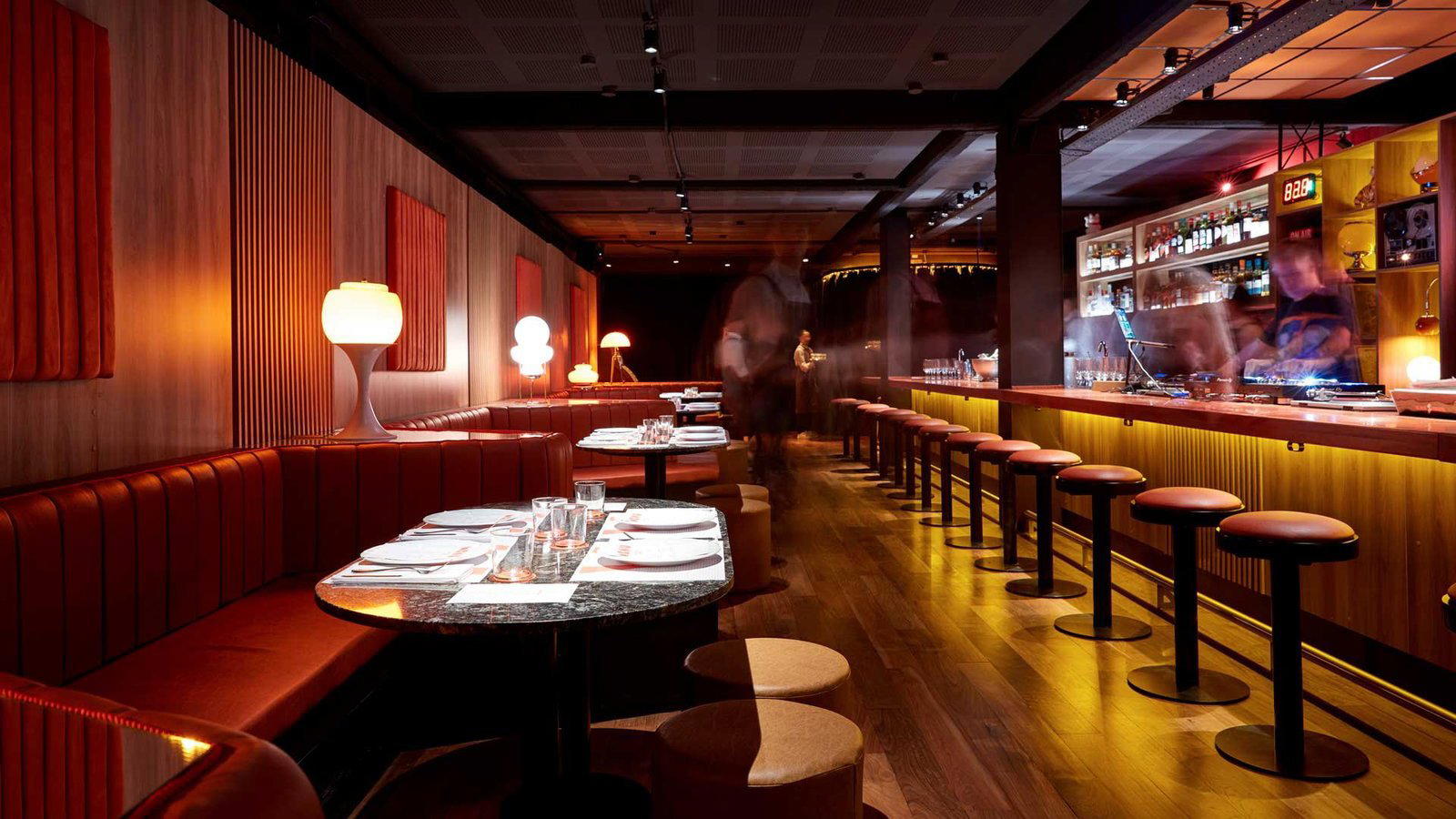
Details
- Elegant
- Lively
- Trendy
- Group Dining
- Celebration
- Open Kitchen
- Sustainable Seafood
- Local Sourcing
- A La Carte
- Small Plates
- Vegetarian Friendly
- Gluten Free Options
Current opening hours
- Monday
- 7 PM–12 AM
- Tuesday
- 7 PM–12 AM
- Wednesday
- 7 PM–12 AM
- Thursday
- 7 PM–12 AM
- Friday
- 7 PM–12:30 AM
- Saturday
- 12:30 PM–12:30 AM
- Sunday
- 12:30 PM–12 AM
Hours can change for holidays and private events. Last verified .
Elegant and fresh atmosphere celebrating Peruvian marine cuisine with a lively vibe.