Our verdict
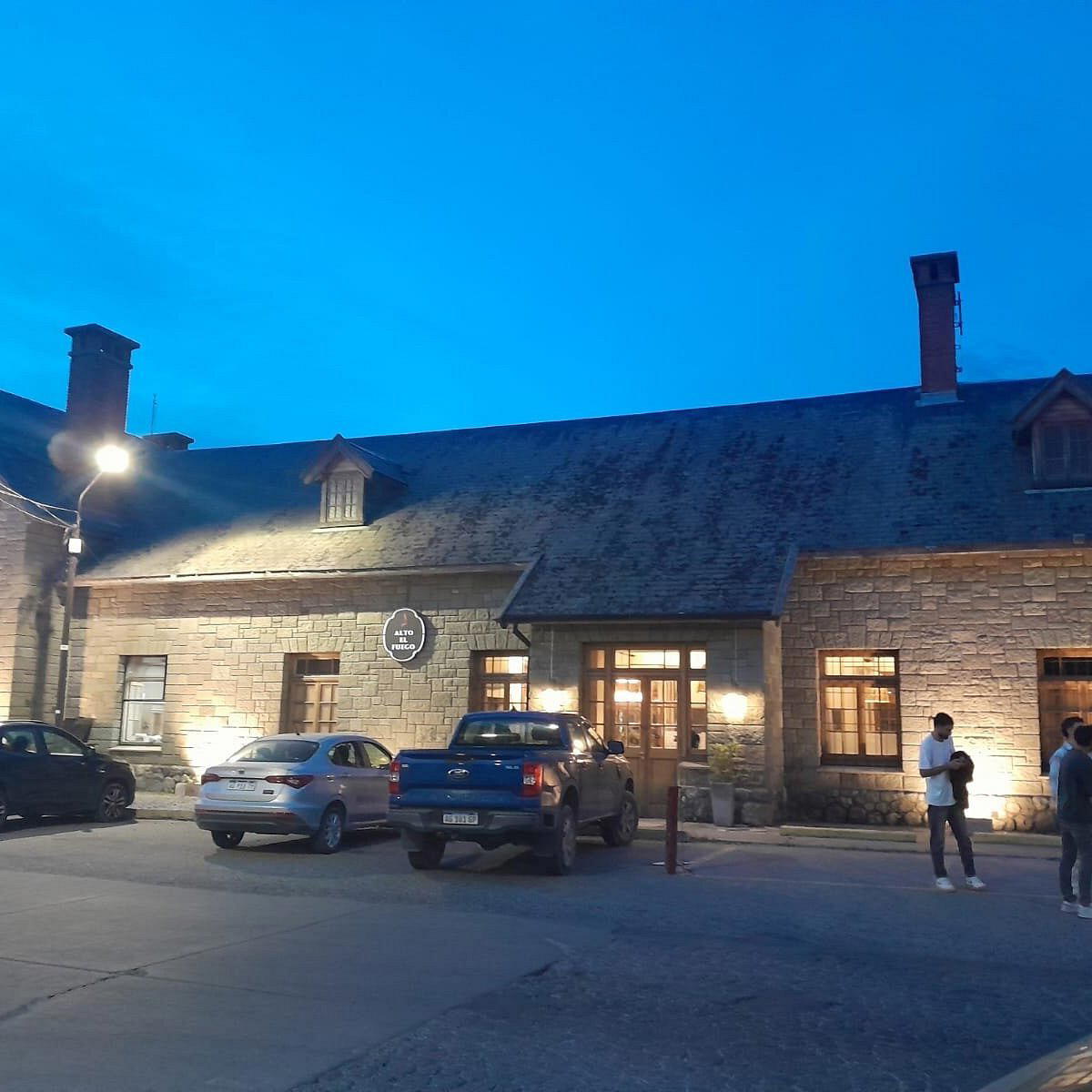
Alto el Fuego - Estación de Tren occupies a former railway station on Av. 12 de Octubre in Bariloche, placing Patagonian fire-cooking traditions inside one of the region's most atmospheric settings. The address alone signals what the kitchen is doing: sourcing from a landscape where lamb grazes on Andean steppe grasses and lake fish run cold and clean. For a fuller picture of where this fits in Bariloche's dining scene, see our full Bariloche restaurants guide.

Pearl is the En Primeur Club membership app, where members save venues, book tables and use the concierge.
The menu
What to order
- Patagonian lamb
- Rib eye
- Braided skirt steak
- Sweetbreads
- Denver steak
- Entraña
Where the Train Used to Stop, the Fire Still Burns
Bariloche's relationship with fire cooking is older than any restaurant in the city. Long before Argentine asado became an international shorthand for national identity, Patagonian communities were slow-roasting lamb over open embers in a tradition shaped by Mapuche technique and the practical realities of life at the edge of the Andes. Alto el Fuego - Estación de Tren sits inside that lineage, operating from the shell of a former train station on Av. 12 de Octubre. The building carries its own freight: railway architecture in Argentine Patagonia is inseparable from the late-nineteenth and early-twentieth century expansion that opened the lake district to settlement, trade, and eventually tourism. Eating here means eating inside a piece of that history, which the kitchen appears to take seriously as context rather than decoration.
The physical approach matters. The station's bones, high ceilings, structural ironwork, and the particular quality of light that comes through industrial-scale windows, establish a register that few purpose-built restaurants in the region can match. This is not a space that was designed to feel atmospheric. It already was atmospheric, and the restaurant inherited that quality without needing to manufacture it. For those arriving from the city centre, the address on Av. 12 de Octubre places it within reasonable reach of the main visitor corridor, close enough to be convenient, far enough that it doesn't read as a tourist trap propped up by foot traffic.
Patagonia on the Plate: The Case for Sourcing as Argument
In Argentine fire-cooking, the ingredient question is never far from the surface. The quality of a parrilla depends less on technique alone than on what the technique is applied to, and in Patagonia, that question has a more specific answer than it does in Buenos Aires or Mendoza. Bariloche sits inside a production zone defined by altitude, glacial water, and short growing seasons. Patagonian lamb, raised on open steppe with little supplemental feed, develops a flavour profile that differs markedly from lowland equivalents. Lake Nahuel Huapi and its connected waterways produce trout and other coldwater species under conditions that Buenos Aires restaurants import at considerable cost and compromise. The supply chains that Patagonian restaurants can access locally are, by default, shorter and more transparent than those available to their counterparts in the capital.
Alto el Fuego's name, meaning roughly "high fire" or "the fire above," signals the kitchen's orientation toward live-fire methods, a category that in Argentina runs a spectrum from the rustic to the technically precise. The broader Argentine asado tradition, well represented at the leading end by places like Don Julio in Buenos Aires, depends on a command of heat, timing, and resting that is not incidental to the result. At the regional level, Patagonian kitchens add a further variable: the specific fauna and flora available in the southern Andes produce results that cannot be replicated simply by importing southern cuts to a Buenos Aires parrilla. The altitude affects texture, the cold affects fat distribution, and the feed affects flavour in ways that make provenance a technical as much as an ethical argument.
This places Alto el Fuego in a different competitive conversation than urban Argentine steakhouses. The comparison set is not Don Julio or the modern creative registers explored at places like Azafrán in Mendoza. It is rather the smaller tier of Patagonian destination restaurants where the sourcing radius is genuinely short and the cooking is calibrated to what that radius produces. Within Bariloche itself, Caliú Bariloche occupies a similar orientation toward regional identity expressed through fire and local produce.
The Railway Building as Frame
Station buildings in provincial Argentine cities occupy a particular cultural position. Many were constructed during the peak of the national rail network in the early twentieth century, built to project permanence and civic ambition, and then left stranded by the network's contraction in the latter half of the century. Converting them into restaurants or cultural venues has become a pattern across the country, but the quality of the conversion varies considerably. At its worst, the approach produces a heritage shell with no connection between the building's history and what happens inside it. At its more considered end, the physical character of the space informs the tone of the experience: the scale, the acoustics, the materiality all push back against anything too fussy or too small-scaled.
Fire cooking, particularly the Argentine tradition of unhurried parrilla work, suits a station building well. Both operate on timescales that resist acceleration. The architecture implies a certain patience, and a kitchen working live fire requires the same. What is clear is that the setting offers a frame that most restaurants in the city cannot access.
Planning a Visit
Alto el Fuego - Estación de Tren is located at Av. 12 de Octubre in the R8400 postcode of San Carlos de Bariloche, Río Negro province. Given that Bariloche is a seasonal city with strong summer (December to February) and winter (June to August) peaks driven respectively by lake tourism and ski traffic at Cerro Catedral, timing affects both availability and atmosphere. The shoulder months of March-April and September-October typically offer a more local, less pressured dining environment. Booking in advance during peak season is advisable for any restaurant operating in a fixed, heritage building where capacity is constrained by the structure itself. For broader context on where this sits among Bariloche's dining options, the EP Club Bariloche restaurants guide maps the full scene by neighbourhood and price tier. Elsewhere in Argentina, travellers covering the wine regions should consider Angélica Cocina Maestra in Agrelo and Casa Vigil in Villa Seca for comparably considered regional sourcing programs. Those moving through the Patagonian coast will find the seafood-led approach at Camarón Bombay in Puerto Madryn a useful counterpoint to inland fire cooking.
Frequently asked questions
Is Alto el Fuego - Estación de Tren suitable for children?
A converted railway station on Av. 12 de Octubre gives the space physical room to breathe, which generally works in favour of families. Argentine parrilla formats, built around shared cuts and communal pacing, tend to accommodate younger diners more naturally than tasting-menu formats. That said, confirm hours and seating directly before visiting, as Bariloche's dining rhythm skews late by northern hemisphere standards.
What's the vibe at Alto el Fuego - Estación de Tren?
The setting is the former train station on Av. 12 de Octubre in central Bariloche, a building type that in Argentina carries the architectural weight of the national rail era, high ceilings, worn materials, a sense of civic history. That framing sits alongside the immediate sensory fact of live fire, which gives the room both warmth and a working-kitchen presence. It reads as unhurried rather than formal.
Why is Alto el Fuego - Estación de Tren located in a train station, and does that affect the dining experience?
The venue occupies a historic railway building in San Carlos de Bariloche, Río Negro province, at Av. 12 de Octubre, a site that dates to the period when Argentina's national rail network connected Patagonian towns to Buenos Aires. Station buildings of this era were built for scale and civic visibility, so the architecture gives the dining room a spatial character that a purpose-built restaurant on the same street would not replicate. In Bariloche specifically, where the railway connection shaped the town's early growth, the address is less a decorative choice than a site with documented historical weight.
What should I eat at Alto el Fuego - Estación de Tren?
The kitchen operates within the Argentine fire-cooking tradition, where the argument for what to order usually starts with sourcing: Patagonia's grass-fed beef and Río Negro lamb are the regional benchmarks that a parrilla of this type is positioned to showcase. Ask staff what provenance the kitchen is working with on the day, at this latitude, seasonal and regional availability genuinely shifts the answer.
Where is Alto el Fuego - Estación de Tren located?
Alto el Fuego - Estación de Tren is located at Av. 12 de Octubre, R8400 San Carlos de Bariloche, Río Negro, Argentina, Bariloche.
Quick Comparison
Comparable venues nearby, for context on price, style, and recognition.
| Venue | Cuisine | Price | Awards | Notes |
|---|---|---|---|---|
| Alto el Fuego - Estación de TrenThis venue (the venue you are viewing) | Argentine Asado & Patagonian Grill | $30–50 | Not listed | Not listed |
| Caliú Bariloche | Mediterranean with Argentine influences | Not listed | Not listed | Centro |
| Chuchú | International | Not listed | Michelin Bib Gourmand | Retiro |
| Las Balsas Restaurant | Patagonian Fine Dining | $50–100 | Relais Chateaux Award | Villa La Angostura |
| Chila | Modern New Argentine Fine Dining | Not listed | Not listed | Puerto Madero |
| Alcahuete | Porteña Pizza | Not listed | Not listed | Palermo |
Continue exploring
More in Bariloche
Restaurants in Bariloche
All restaurants in Bariloche →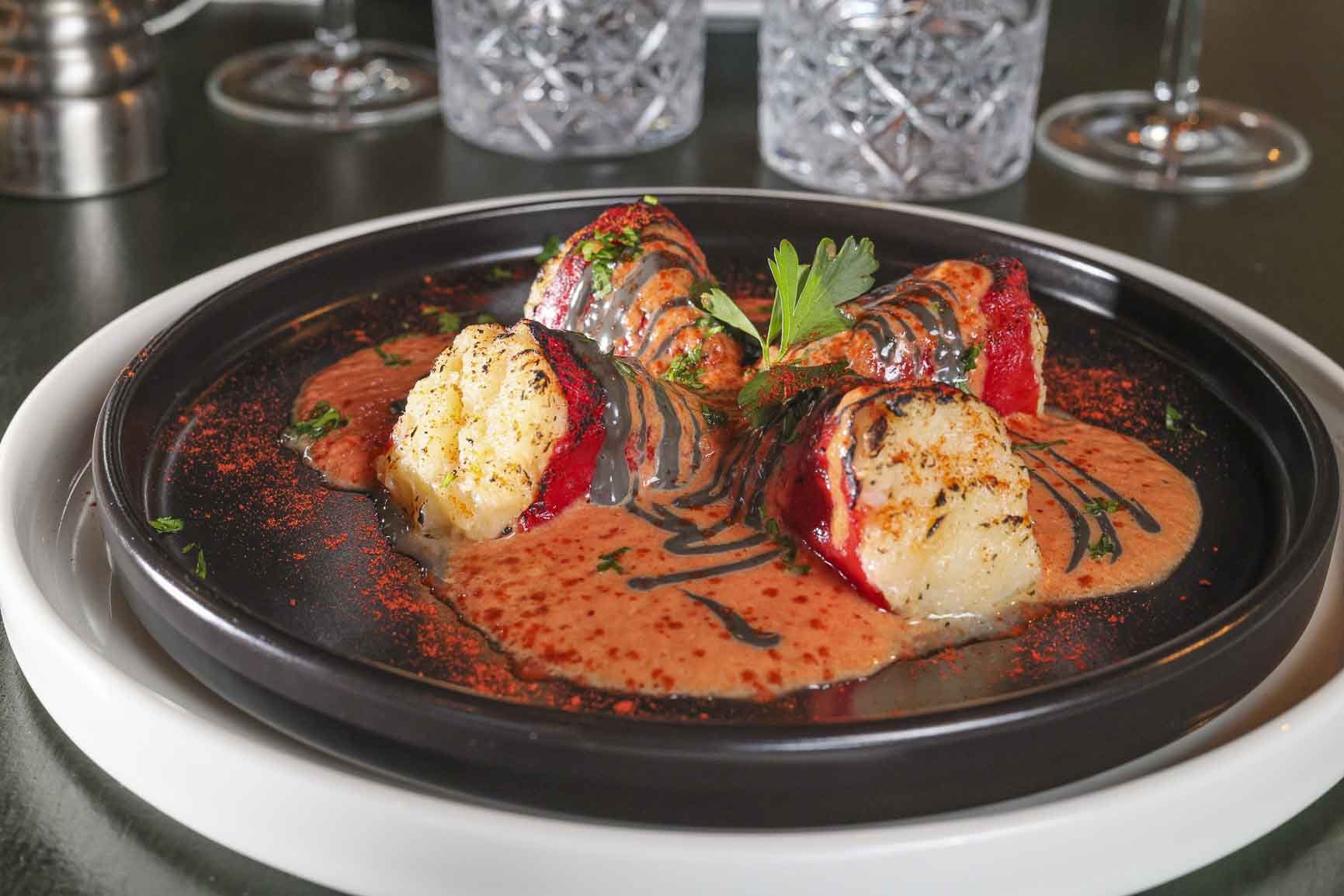
Details
- Well Known
- Rustic
- Classic
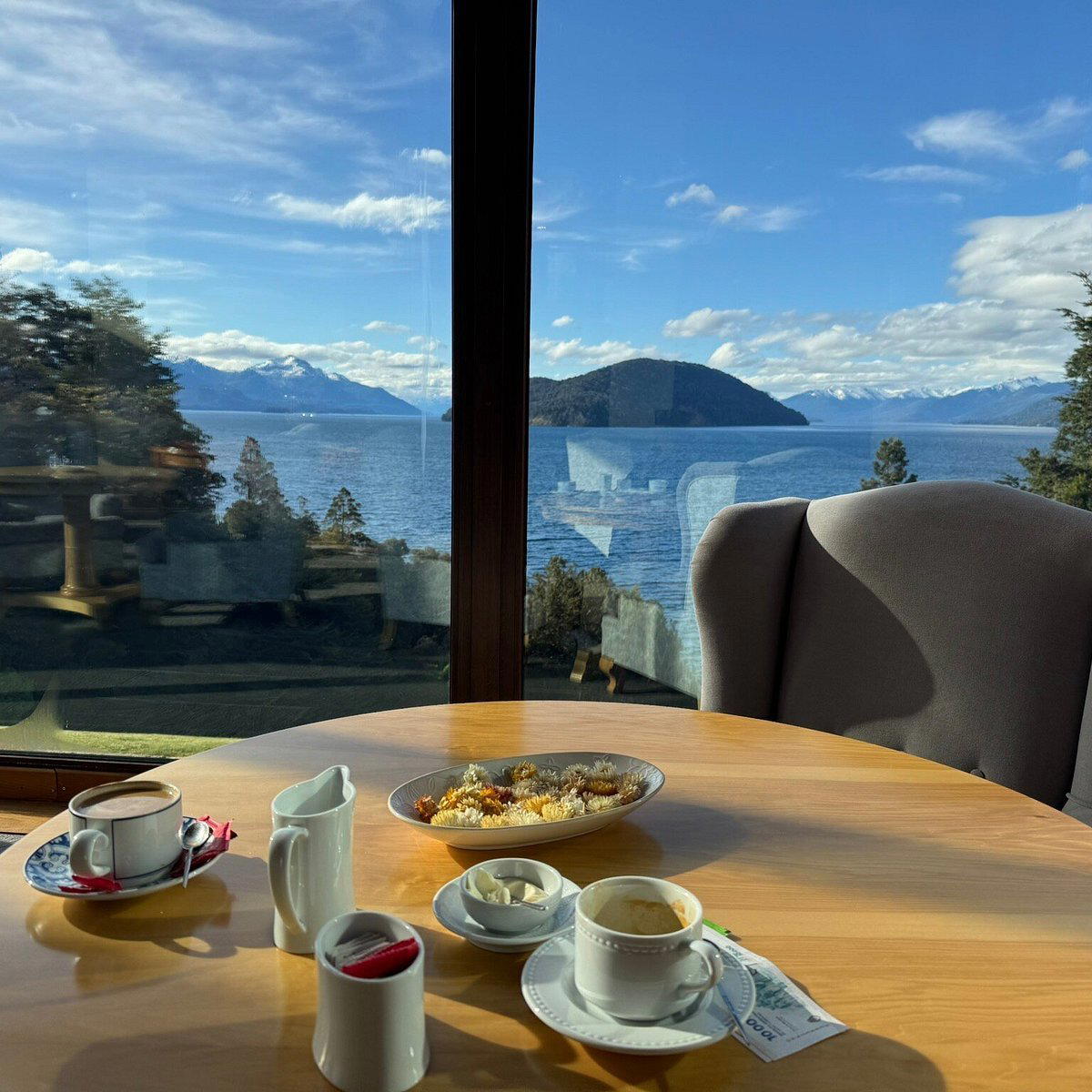
- Scenic
- Group Dining
- Celebration
- Special Occasion
- Casual Hangout
- Historic Building
- Open Kitchen
- Terrace
- Panoramic View
- Beer Program
- Local Sourcing
- Mountain
- Street Scene
- A La Carte
- Craft Beer
- Wine
- Gluten Free Options
Current opening hours
- Monday
- 7:30–11:30 PM
- Tuesday
- 12–3:30 PM, 7:30–11:30 PM
- Wednesday
- 12–3:30 PM, 7:30–11:30 PM
- Thursday
- 12–3:30 PM, 7:30–11:30 PM
- Friday
- 12–3:30 PM, 7:30–11:30 PM
- Saturday
- 12–3:30 PM, 7:30–11:30 PM
- Sunday
- Closed
Hours can change for holidays and private events. Hours as of .
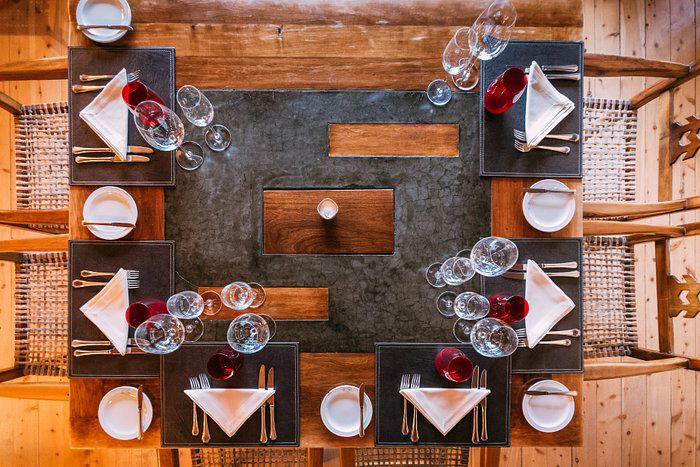
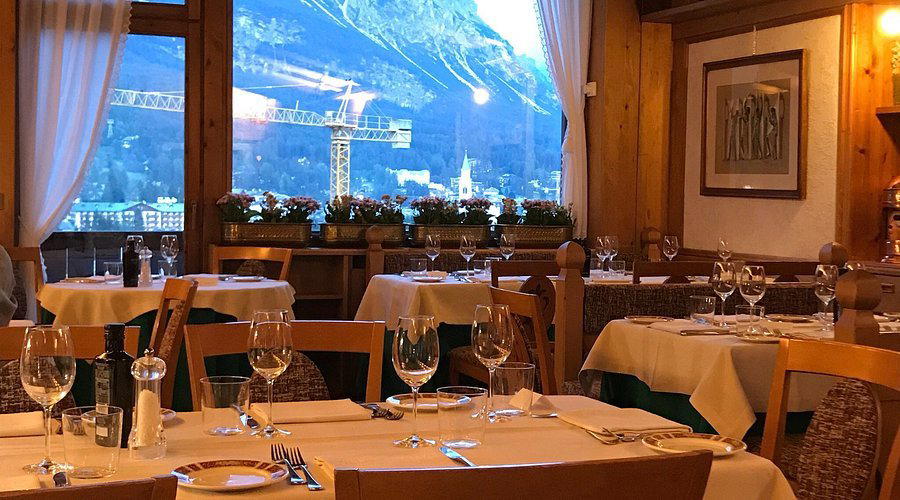
Warm and minimalist atmosphere with an open grill visible upon entry, combining rustic charm with modern comfort in a beautifully restored wooden building.