Cerveza Patagonia - Refugio Bahía Blanca
Cerveza Patagonia's Refugio outpost on Avenida Alem brings the brand's Patagonian craft beer identity into Bahía Blanca's social dining scene. The format sits at the casual end of the city's eating and drinking spectrum, pairing regional lager and ale styles with food in a setting that references the southern Argentine wilderness. For visitors working through the city's options, it anchors the more relaxed, beer-forward side of the local offer.
Pearl is the En Primeur Club membership app — saves, bookings, and concierge access live there. Same editors, same standards.
- Address
- Av. Leandro Niceforo Alem 563, B8000 Bahía Blanca, Provincia de Buenos Aires, Argentina
- Phone
- +542914185555
- Website
- cervezapatagonia.com.ar
- Directions
- Get directions
 Saves & bookings on Pearl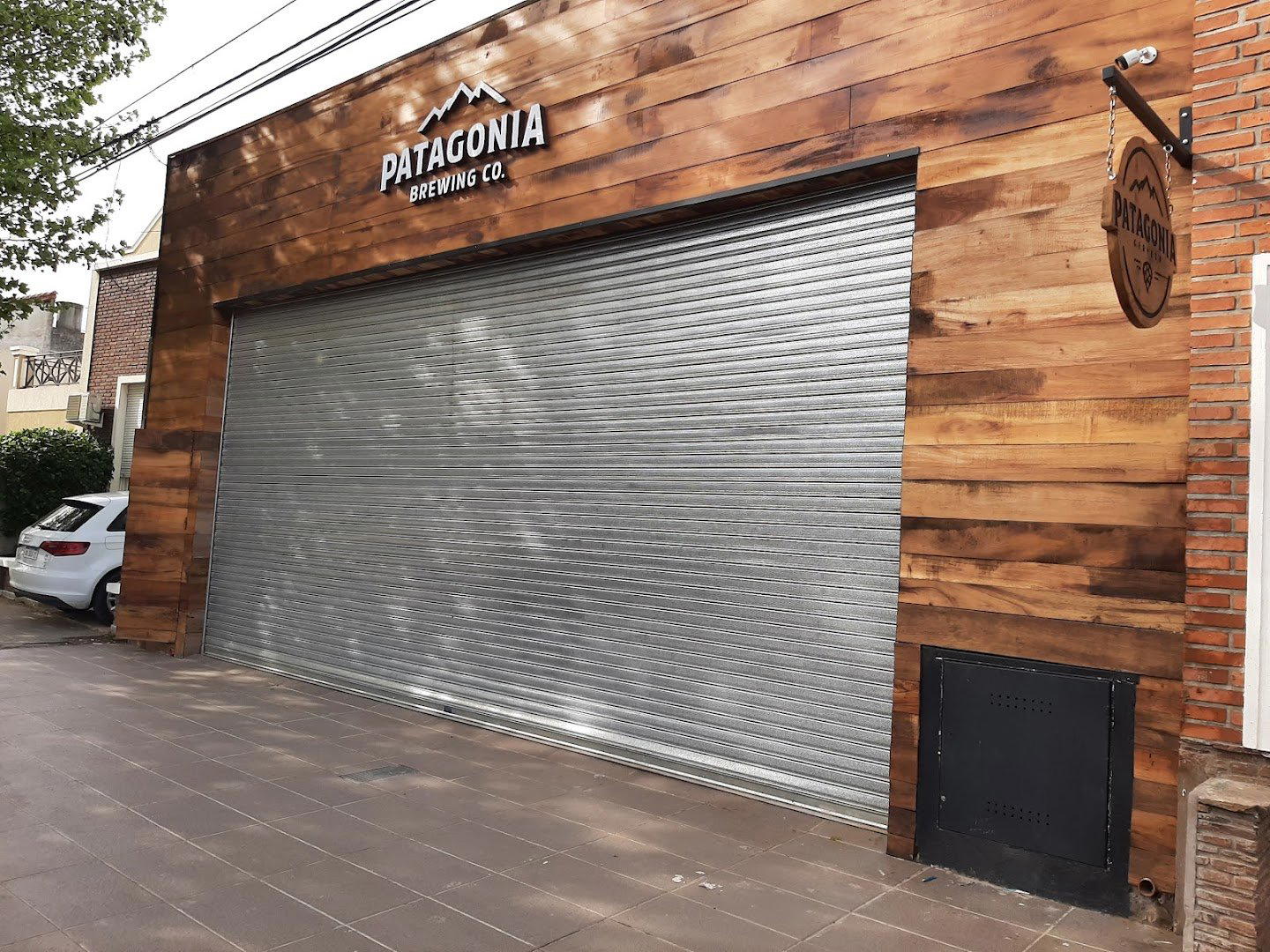
Patagonian Beer Culture Meets the Pampas Port City
Argentina's craft and regional beer movement has followed a different arc from its wine industry. Where Malbec built its premium reputation through export recognition and a concentrated geographic identity in Mendoza, the country's beer culture developed closer to the consumer, in brewery taprooms, urban refugios, and roadside parrillas where cold lager has always competed with Malbec for the table. Cerveza Patagonia, the brand behind this Bahía Blanca location, occupies a specific position in that story: a commercialized but regionally anchored label that draws on the imagery and brewing traditions of Argentina's deep south.
The Refugio format leans into that Patagonian reference deliberately. The concept stages a version of the southern Argentine outdoors, rough timber, open fire associations, the aesthetic grammar of a mountain refuge, inside an urban dining room. It is a format that has worked in Buenos Aires and other Argentine cities because it taps into something genuine: the southern provinces carry real cultural weight for Argentines, and Patagonia as an idea carries a specific romance that translates well to a hospitality setting.
Bahía Blanca is a useful city for understanding how these formats travel. Positioned roughly halfway between Buenos Aires and the Patagonian provinces, it is a port and agricultural hub rather than a tourist destination, which means its food and drink scene is shaped by local demand rather than visitor expectation. Venues here compete for repeat local customers, which tends to keep formats honest. A Refugio concept that survives in this context is doing something functionally right, not just trading on novelty.
The Beer-First Format in a Wine-Dominant Country
To understand what a venue like this represents in the Argentine dining context, it helps to hold it against the country's dominant drinking culture. Argentina remains one of the world's largest per-capita wine consumers, and its premium restaurant scene, from Don Julio in Buenos Aires to Azafrán in Mendoza, is built around the pairing of food with wine, particularly Malbec. The wine estate experience extends to properties like Cavas Wine Lodge in Alto Agrelo and Entre Cielos in Luján de Cuyo, where the drink is as much the destination as the food.
Beer-led venues operate in a different register entirely. They are social spaces first, dining rooms second, and they compete on atmosphere and accessibility rather than on the depth of a wine list or the credentials of a kitchen. The Refugio format positions itself at the more considered end of that beer-venue spectrum: the setting is designed, the brand narrative is coherent, and the offering is meant to feel complete rather than incidental. For travellers used to the density of Buenos Aires's dining options or the wine-country seriousness of Agrelo in Luján de Cuyo, this represents a deliberate gear change.
Bahía Blanca's Dining Character
The city's food scene doesn't generate the editorial attention that Buenos Aires or Mendoza attract, but it has a coherent local identity. Grilled meat, regional produce from the surrounding pampas, and a pragmatic attitude toward eating out define the mainstream offer. There is a younger, more informal tier of venues, including operations like Carioca Food Truck, that reflects how Argentine casual dining has evolved in secondary cities: faster formats, stronger visual identity, and a willingness to borrow from Buenos Aires trends without replicating them exactly.
The Refugio sits in this informal tier. It is the kind of venue where Bahía Blanca residents go for a relaxed evening rather than an occasion dinner, and that positioning is intentional. The Patagonian brand aesthetic gives it a visual identity that distinguishes it from a generic parrilla or bar, without pushing it into the price or formality bracket of a fine dining room.
Argentina's Regional Beer Tradition
Brewing culture that Cerveza Patagonia references is real, even if the brand's scale has moved it beyond artisanal territory. Patagonia's German and Welsh immigrant communities established brewing traditions in the late nineteenth century, and towns like Bariloche and El Bolsón built identities partly around local cervecería culture long before craft beer became a global trend. That heritage gives the regional branding a factual foundation that more generic beer marketing lacks.
In that sense, the Refugio format is doing something culturally coherent: it is translating a genuine regional drinking tradition into a hospitality format that urban Argentine audiences can access without travelling south. The parallel exists in how Patagonian lodge experiences have been replicated in hospitality settings elsewhere in Argentina, venues like EOLO in El Calafate or Las Balsas in Villa La Angostura do this at the luxury end; the Refugio does it at the accessible everyday end.
Planning a Visit
The venue is located at Av. Leandro Niceforo Alem 563 in Bahía Blanca. Because this is a casual, walk-in format, advance booking is unlikely to be required for most visits. Given the informal nature of the format, dress expectations are relaxed.
Travellers moving through the broader Argentine circuit can use venues like La Bamba de Areco or Awasi Iguazú as reference points for the premium end of the spectrum. For the Bahía Blanca visit itself, pairing the Refugio with a meal at a local parrilla gives a useful read on the city's food culture.
Budget Reality Check
Comparable venues nearby, for context on price, style, and recognition.
| Venue | Cuisine | Price | Notes |
|---|---|---|---|
| Cerveza Patagonia - Refugio Bahía BlancaThis venue — the venue you are viewing | Bahía Blanca, Craft Beer Hall | $$ | Not listed |
| Carioca Food Truck | Centro, Smoked Meats & Gourmet Burgers | $$ | Not listed |
| Chila | Not listed | $$$$ | Puerto Madero, Modern New Argentine Fine Dining |
| Hierbabuena | Not listed | $$ | Barracas, Healthy Vegetarian Garden-Inspired |
| La Cocina | Not listed | $ | Recoleta, Authentic Catamarqueña Empanadas |
| Chuchú | Retiro, International | $$ | Not listed |
Continue exploring
More in Bahia Blanca
Restaurants in Bahia Blanca
Browse all →
At a Glance
- Lively
- Cozy
- Casual Hangout
- After Work
- Beer Program
Current opening hours
- Monday
- 6:30 PM–12:30 AM
- Tuesday
- 6:30 PM–12:30 AM
- Wednesday
- 6:30 PM–1 AM
- Thursday
- 6:30 PM–1:30 AM
- Friday
- 6:30 PM–3 AM
- Saturday
- 6:30 PM–3 AM
- Sunday
- 6:30 PM–1:30 AM
Hours can change for holidays and private events. Last verified .
Relaxed and lively beer hall atmosphere with friendly service and comfortable seating options including balcony tables.