Crizia





Crizia holds a Michelin star in a city where beef still dominates most conversations about dining. The Palermo Hollywood address is the first signal that something different is happening: this is a fish-and-seafood-led kitchen working with seasonal Argentine products, open fire, and a wine programme that has drawn serious attention for its depth in whites and older vintages.
Pearl is the En Primeur Club membership app — saves, bookings, and concierge access live there. Same editors, same standards.
- Address
- Fitz Roy 1819, C1414 Cdad. Autónoma de Buenos Aires, Argentina
- Phone
- +54 11 4776-5005
- Website
- crizia.com.ar
- Directions
- Get directions
 Saves & bookings on Pearl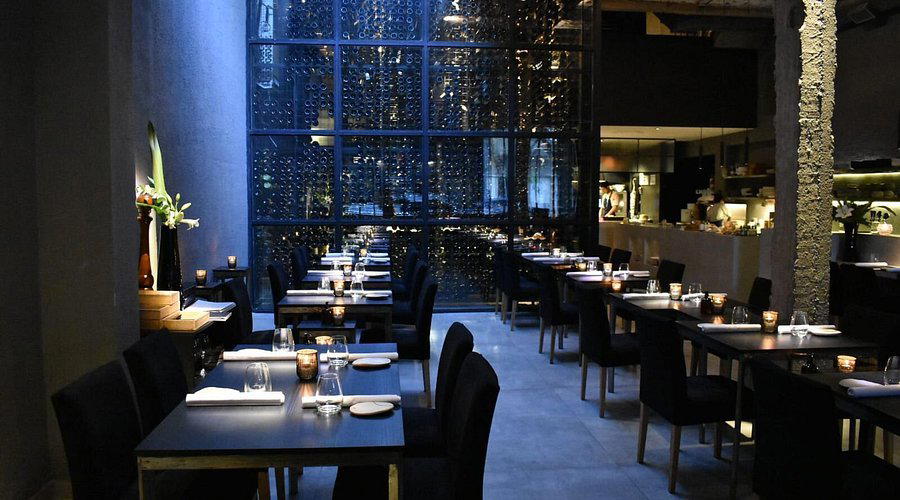
Sea, Fire, and the Case Against the Parilla Default
Buenos Aires dines on land. The cultural weight of beef, the asado ritual, and the dominance of Argentinian steakhouses like Anafe and the city's celebrated parrillas shape both the restaurant market and its dining expectations. Into that context, Palermo Hollywood's Crizia operates as a deliberate counterpoint: a fish-and-seafood-led kitchen that has earned a Michelin star in Buenos Aires.
The address on Fitz Roy places Crizia in Palermo Hollywood. That neighbourhood positioning matters for understanding the room's register: the design-architecture framing that the kitchen describes as integral to its offer is consistent with Palermo Hollywood's broader aesthetic identity, where interiors tend to be deliberate and specific rather than conventionally grand.
What the Kitchen Is Actually Doing
Contemporary kitchens working with seasonal products and open fire exist across South America, but the Argentine version of that format carries specific regional meaning. The country's biodiversity runs from Patagonian cold-water species to the subtropical rivers of the north, and a kitchen that commits to seasonal Argentine products faces a sourcing challenge that is also a sourcing opportunity. Where most Buenos Aires restaurants outsource their ethical sourcing narrative to the beef supply chain, a seafood-led kitchen has to construct its provenance story from scratch, working with suppliers and seasonal windows that the broader dining market has not yet codified.
Chef Gabriel Oggero's kitchen combines land, sea, and fire with a design-architecture framework. This approach has precedent in contemporary Latin American dining: at Jungsik in Seoul and César in New York, kitchens working at this register treat the room's architecture as active rather than passive, and the plate as the conclusion of an environmental argument. Crizia's framing follows that logic inside an Argentine idiom.
Sustainability as Operating Principle, Not Decoration
The ethical weight of a seafood-forward kitchen in Argentina is worth stating plainly. The country's fishing industry faces the pressures that affect artisanal and commercial fishing globally: by-catch, seasonal depletion, and the logistical difficulty of getting fresh non-beef product to a landlocked capital in reliable condition. A restaurant that builds its identity around Argentine marine and river species is, implicitly, making an argument about those supply chains every time it opens its doors.
The commitment to seasonal Argentine products positions Crizia inside a tier of Buenos Aires kitchens that treat sourcing as a structural constraint rather than a marketing footnote. Elsewhere in the Argentine dining scene, properties like Awasi Iguazu in Puerto Iguazu and EOLO in El Calafate have built similar frameworks around hyper-local and seasonal sourcing in their respective ecosystems. Crizia's version of that argument plays out in Buenos Aires, where the logistics of seasonal seafood sourcing are less picturesque but more demanding.
Open fire as a cooking medium adds another dimension to the sustainability calculation. Fire-based kitchens have lower energy footprints than those reliant on gas or electric equipment at scale, and the technique connects to a deep Argentine tradition while serving a kitchen that would otherwise risk appearing to appropriate a beef-cooking method for non-beef ends. Here it reads as honest rather than performative: fire is the cooking technology that makes sense for the products and the context.
The Wine Programme and Why It Matters
Buenos Aires's upper-end restaurant wine programmes have historically tracked the country's red wine export narrative: Malbec-heavy, Mendoza-centric, with gestures toward Torrontés and Patagonian Pinot Noir as supporting acts. Crizia's programme has moved in a different direction. The cellar holds a significant whites collection alongside a range of older vintages, a configuration that aligns more with how serious European or Chilean wine programmes approach the question of what belongs on a list.
For a seafood-led kitchen, this is the logical choice rather than an eccentric one. The Argentine white wine category has expanded considerably over the past decade, with high-altitude Chardonnay, Semillon, and Chenin from producers across Mendoza and Patagonia offering genuine complexity at serious price points. A list built around those bottles serves the food in a way that a Malbec-weighted programme simply cannot. The accumulation of older vintages suggests the programme is being managed as a long-term asset, with bottles being held rather than turned over immediately, which requires both capital commitment and confident editorial direction.
For context on what serious Argentine wine can do in a restaurant setting, the Cavas Wine Lodge in Alto Agrelo and Azafrán in Mendoza offer useful reference points from wine country itself. Crizia's achievement is building a comparable depth of programme in the capital, without proximity to the vineyards as a logistical shortcut.
Where Crizia Sits in Buenos Aires's Starred Tier
Michelin's Buenos Aires selection is still taking shape, and the relationship between the starred venues reflects interesting competitive groupings. Aramburu holds two stars for its modern creative approach; Don Julio holds one for its steakhouse execution. Crizia's single star at the seafood-contemporary end of the market places it in a distinct sub-category where peer comparison requires looking outside the immediate city: to Anchoíta for a different approach to Argentine product, to 4ta Pared and A Fuego Fuerte for contrasting readings of how fire and season interact in a Buenos Aires kitchen.
At the $$$$ price tier, Crizia prices against the city's other starred tables.
The comparison set also extends regionally. Alcanfor and La Bamba de Areco occupy different ends of the tradition-versus-contemporary spectrum that defines Argentine dining's current moment. El Colibri in Santa Catalina demonstrates how far the country's contemporary kitchen sensibility has spread beyond Buenos Aires. Crizia's position within that wider map is as the capital's most formally recognised argument for seafood as the primary medium for Argentine contemporary cooking.
Planning a Visit
Fitz Roy 1819 in Palermo Hollywood is reachable by taxi or ride-share from most Buenos Aires neighbourhoods in under twenty minutes, and the area has enough independent bars and wine-focused spots to make an evening of it. A reservation is essential; the combination of a small dining room designed around an architectural experience means walk-in availability is unlikely during peak evening service. The $$$$ price bracket puts a full dinner with wine in line with what comparable tasting-format tables charge in Santiago or São Paulo.
- oysters
- beef tartare
- duck
- black seafood rice
- scallops and shrimp
- ojo de bife
Comparable Spots, Quickly
Comparable venues nearby, for context on price, style, and recognition.
| Venue | Cuisine | Price | Awards | Notes |
|---|---|---|---|---|
| CriziaThis venue — the venue you are viewing | Contemporary Argentine Seafood | $$$$ | Michelin 1 Star | Not listed |
| Trescha | Modern Argentine Fine Dining | $$$$ | Michelin 1 Star | Villa Crespo |
| Don Julio | Argentinian Parrilla Steakhouse | $$$$ | Michelin 1 Star | Palermo |
| El Mercado | Contemporary Argentine Steakhouse | $$$ | World's 50 Best #27 | Piñeyro |
| El Preferido de Palermo | Classic Italian Bodegón | $$$ | Michelin Plate, World's 50 Best #24 | Palermo |
| Niño Gordo | Asian-Argentine Fusion Grill | $$$ | Michelin Plate, World's 50 Best #21 | Palermo |
Recognition history
Dated appearances from independent guides and award organizations, with the underlying list record or original source where available.
Michelin 1 Star
Michelin
Opinionated About Dining Top Restaurants in South America Ranked #75
Opinionated About Dining
Star Wine List
Star Wine List
Michelin 1 Star
Michelin
The Best Chef Two Knives
The Best Chef
World's 50 Best Latin America's Best Restaurants #40
World's 50 Best
Michelin Plate
Michelin
Continue exploring
More in Buenos Aires
Restaurants in Buenos Aires
Browse all →
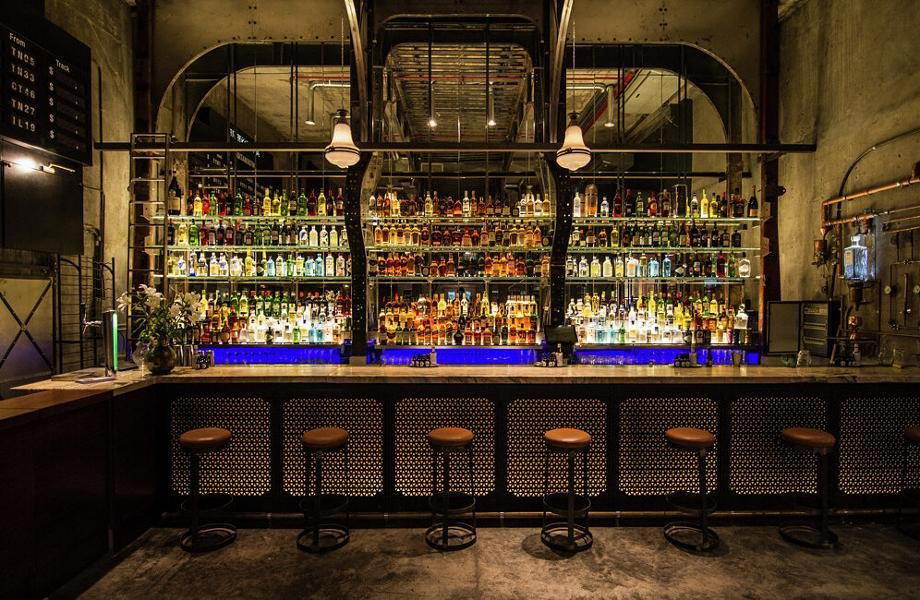
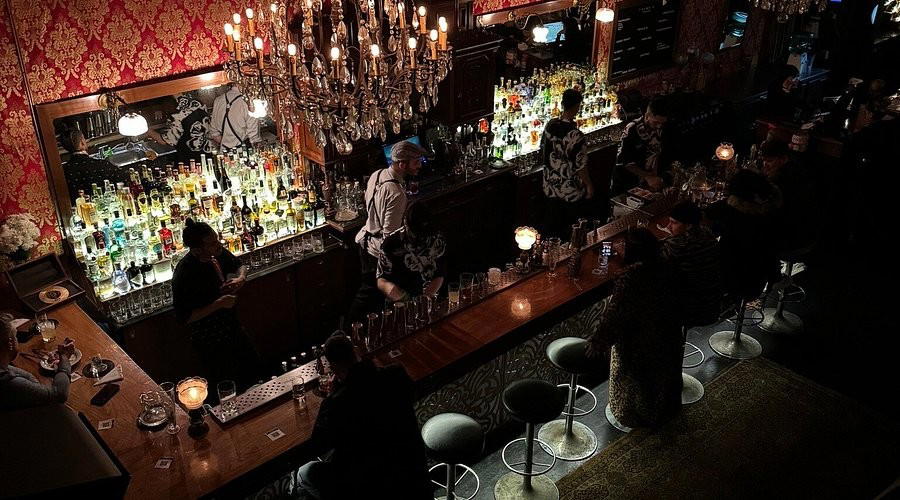
Bars in Buenos Aires
Browse all →
Hotels in Buenos Aires
Browse all →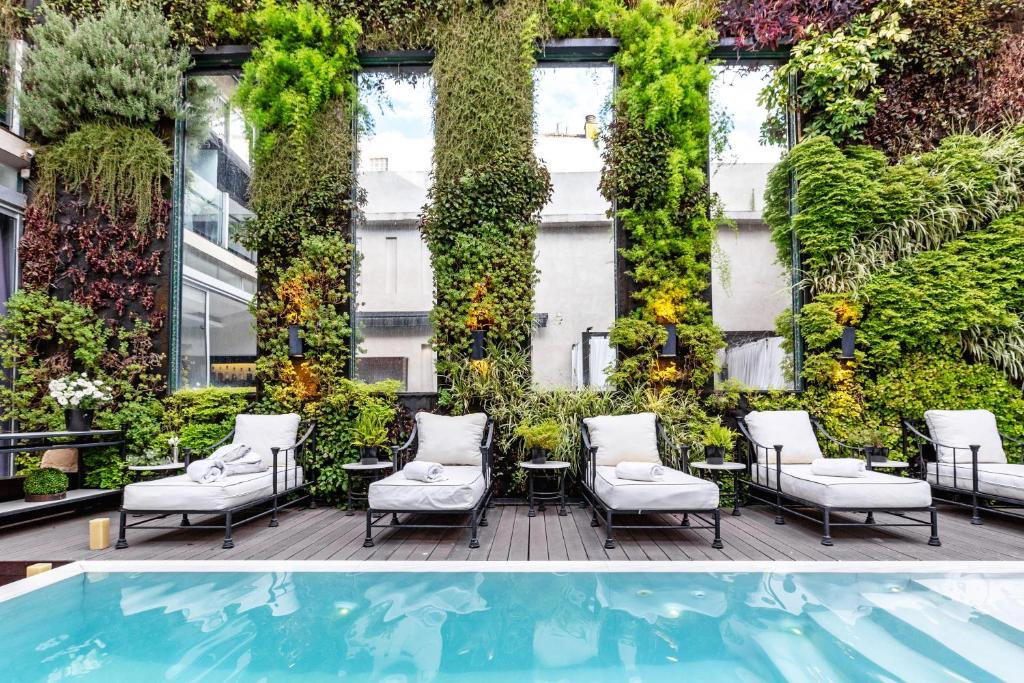
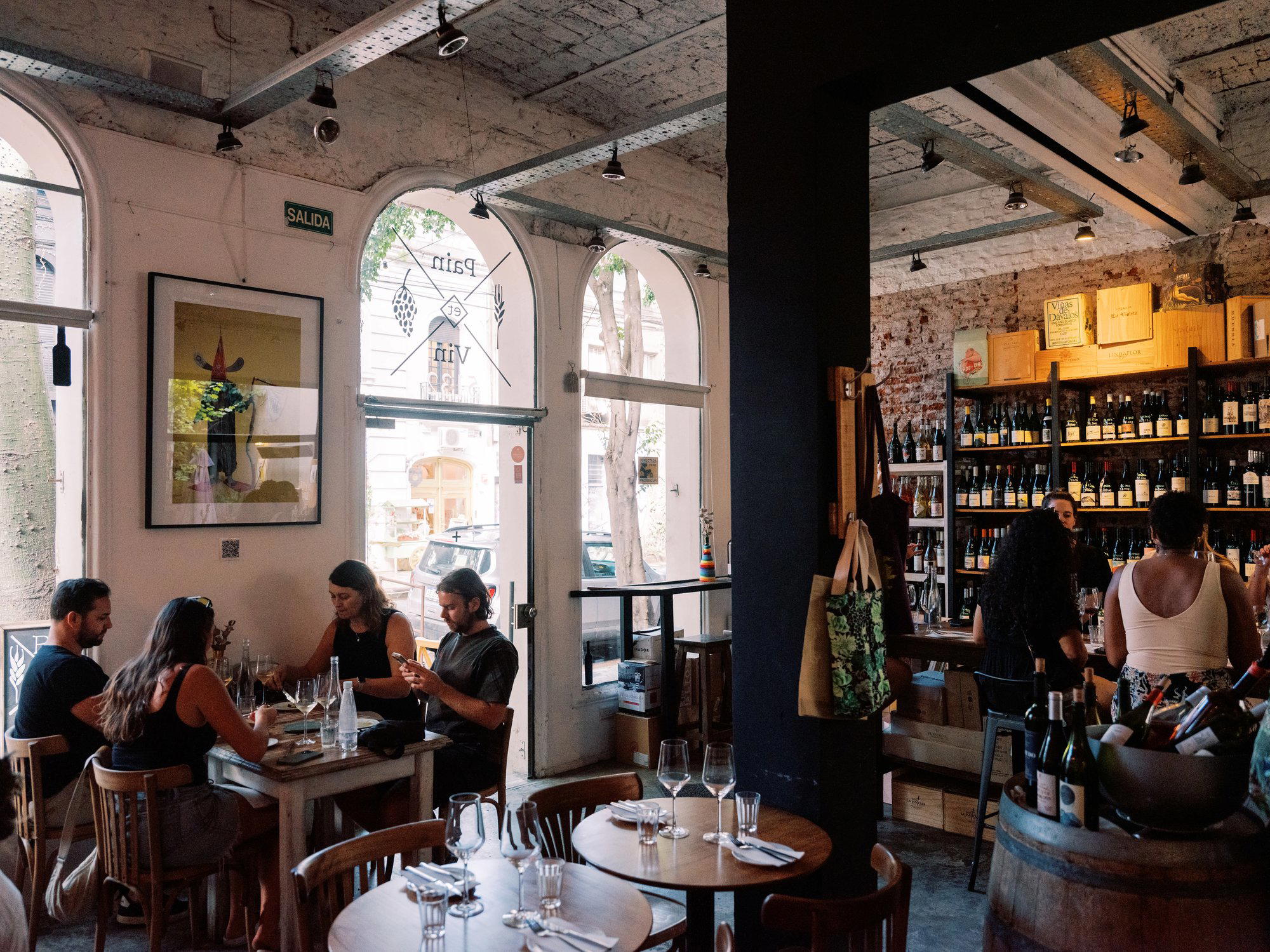
Wineries in Buenos Aires
Browse all →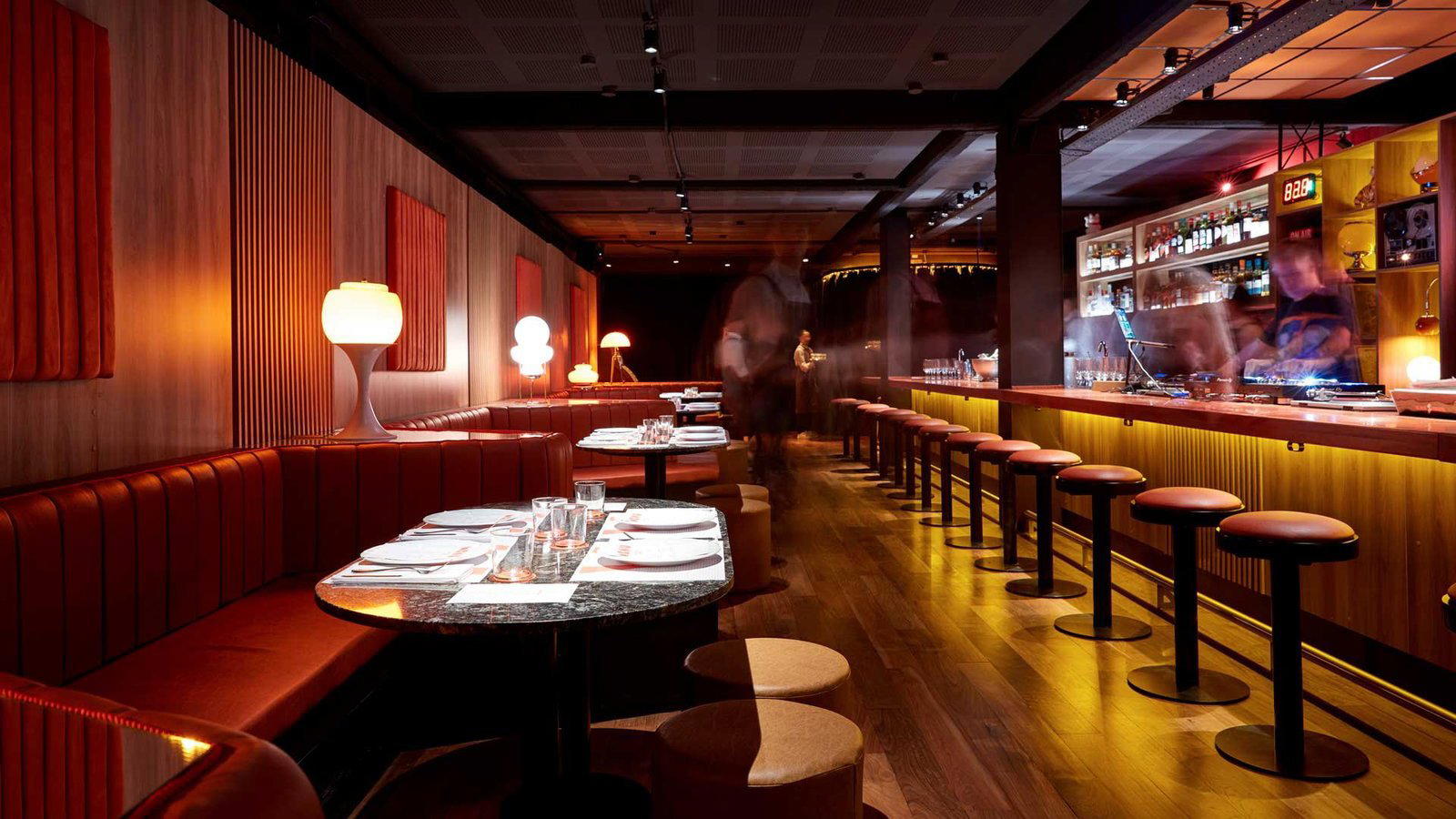
At a Glance
- Elegant
- Sophisticated
- Romantic
- Modern
- Date Night
- Special Occasion
- Celebration
- Open Kitchen
- Wine Cellar
- Chefs Counter
- Design Destination
- Extensive Wine List
- Craft Cocktails
- Sommelier Led
- Farm To Table
- Local Sourcing
- Sustainable Seafood
- Street Scene
Current opening hours
- Monday
- 7–11 PM
- Tuesday
- 7–11 PM
- Wednesday
- 7–11 PM
- Thursday
- 7–11 PM
- Friday
- 7–11 PM
- Saturday
- 7–11 PM
- Sunday
- Closed
Hours can change for holidays and private events. Last verified .
Contemporary loft-style dining room with intimate candlelit tables, dim lighting, local artwork on walls, and a dramatic central wine cellar; sophisticated yet warm atmosphere.