Don Julio






Don Julio holds a Michelin star and a top-ten World's 50 Best ranking, placing it at the apex of Buenos Aires' parrilla tradition. Booking two months ahead is standard; walk-in queues form close to opening time. The wine cellar runs to 60,000 bottles, and the beef, Aberdeen Angus and Hereford, dry-aged in-house, is sourced from the restaurant's own regenerative farm outside the city.
Pearl is the En Primeur Club membership app — saves, bookings, and concierge access live there. Same editors, same standards.
- Address
- Guatemala 4699, C1425 Cdad. Autónoma de Buenos Aires, Argentina
- Phone
- +54 11 4831-9564
- Website
- parrilladonjulio.com
- Directions
- Get directions
 Saves & bookings on Pearl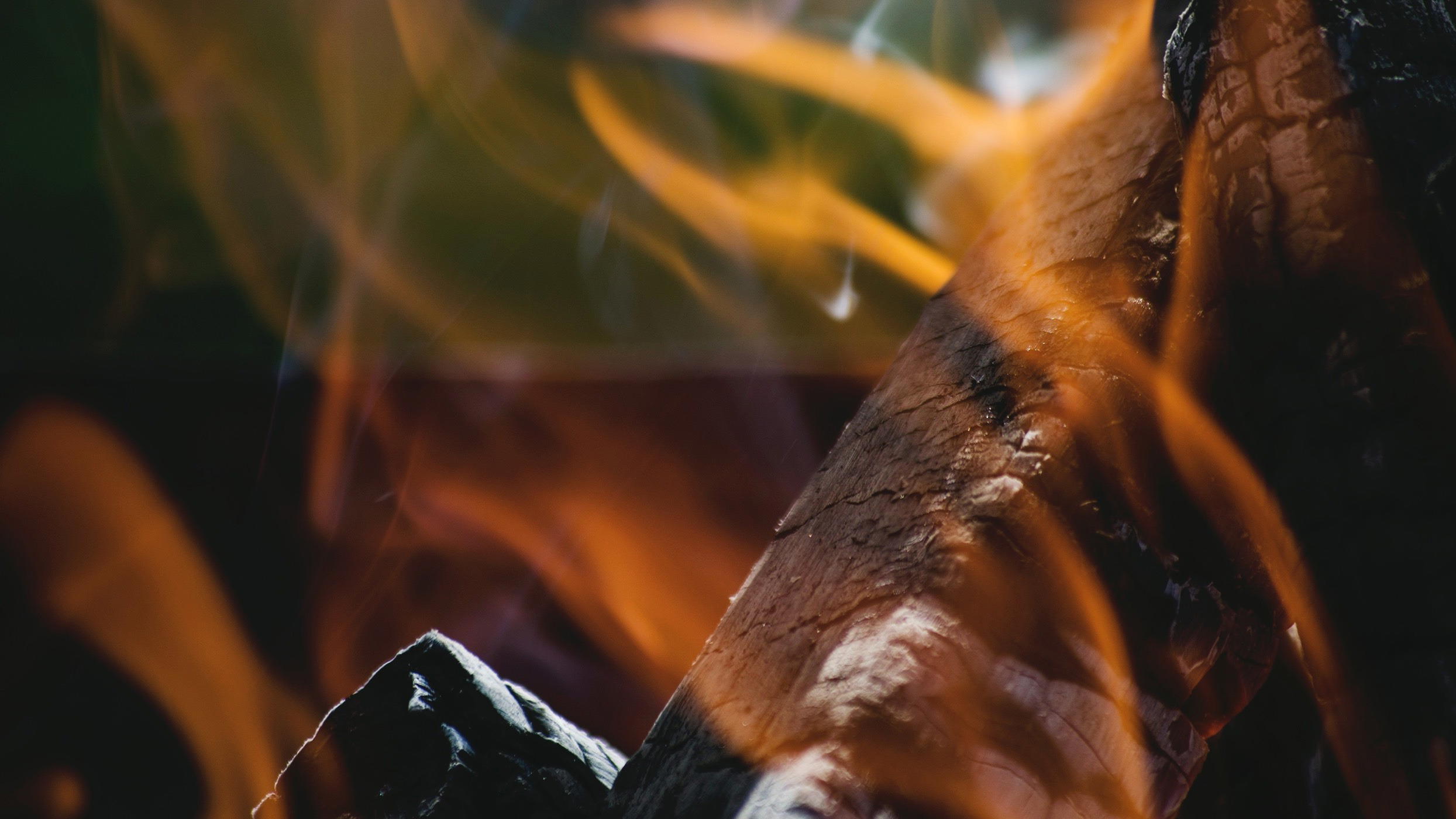
Getting a Table at Don Julio: What to Know Before You Try
Don Julio is a Michelin-starred Argentinian parrilla steakhouse in Buenos Aires at Guatemala 4699, with a World’s 50 Best ranking of No. 3 and an average spend of about USD 140 per person. On any given evening, a queue forms outside Don Julio well before service begins, made up of travellers who either missed the booking window or are testing their luck. That queue is not incidental, it is part of the experience. It is a small but telling detail: the hospitality starts before you sit down.
The reservation picture is direct by the numbers but demanding in practice. Booking well in advance is strongly recommended. Don Julio holds one Michelin star and ranks No. 3 on the World's 50 Best Restaurants list. That trajectory of recognition has made it one of the hardest bookings in the city, sitting in a different demand tier from comparably priced peers like La Brigada or La Cabrera.
For those without a reservation, the practical advice is to arrive near lunch opening or just before dinner service begins. The restaurant runs split sessions seven days a week, closing between 4 pm and 7 pm. Both sittings draw queues, but the lunch service tends to be marginally less competitive than prime dinner hours on weekends.
The Fire and the Room
Entering the restaurant, the first thing that registers is not the décor but the grill. The open wood fire sits at the centre of the room's logic, and executive chef Guido Tassi's team works across a bespoke multi-level wood grill that allows different heat zones for different cuts. The smell of wood smoke and rendering fat is immediate. The walls around the dining room are lined with wine bottles carrying handwritten messages from previous guests, an accumulation of years rather than a designed feature, forming something closer to a guest book rendered in glass and label.
The space runs across two floors. Downstairs, the energy clusters around the grill and the open kitchen; upstairs is quieter, marginally more composed. Service is considered and knowledgeable, particularly around the wine list.
The Beef: From Farm to Grill
Argentina's parrilla culture is built on the assumption that good beef, open fire, and sufficient time produce something that requires little intervention. The restaurant operates within that tradition but adds a layer of vertical integration that separates it from most of its peers. The Aberdeen Angus and Hereford cattle are raised on the restaurant's own farm outside Buenos Aires, using regenerative farming practices. Butchering and dry-aging happen in-house, with a standard aging period of 21 days. The adjacent butcher's shop is open to visitors and sits alongside a biodynamic garden that supplies seasonal produce to the kitchen.
That degree of supply-chain control is uncommon even at this price tier in Buenos Aires. It places the restaurant in a different conversation from steakhouses that source from third-party suppliers, however reputable. The cuts available span the standard Argentine repertoire, rib-eye, T-bone, skirt steak, alongside the restaurant's own spiral sausage. The heirloom tomato salad and grilled seasonal vegetables, grown on the farm and finished on the wood fire, are frequently cited alongside the beef as ordering priorities.
For context within the Buenos Aires dining scene, the approach here sits between the traditional parrilla format, where the beef is the whole story, and the produce-driven modern Argentine kitchens represented by places like Aramburu (two Michelin stars) or Trescha. The restaurant is not a tasting-menu restaurant, but its sourcing rigour brings it closer to that world than a standard neighbourhood parrilla.
The Wine Programme
Buenos Aires' leading dining rooms have increasingly treated the wine list as a serious competitive variable, and the restaurant's cellar is among the more substantial in the country. The 60,000-bottle collection is organised to cover Argentina's producing regions comprehensively, with depth in Malbec and Torrontés alongside less common varieties. The programme is curated to pair with wood-grilled, dry-aged beef. A tour of the cellar is available and worth factoring into the visit.
The wine programme is one of the signals that places the restaurant in a peer group that extends beyond Argentina. Its cellar and curation register as a distinct differentiator. For comparison, Crizia and other Buenos Aires contemporaries operate wine programmes of genuine quality, but none at this scale or depth of Argentine regional coverage.
Those interested in exploring Argentina's wine culture beyond Buenos Aires will find relevant context in Azafrán in Mendoza, Siete Fuegos in Mendoza, and Cavas Wine Lodge in Alto Agrelo, each of which approaches Argentine terroir from a different angle.
Where Don Julio Sits in the Buenos Aires Parrilla Hierarchy
Buenos Aires' steakhouse market spans an unusually wide range. At the lower end, neighbourhood parrillas operate with modest price points and no reservation system. In the mid-range, places like La Carniceria ($$ price tier) and El Preferido de Palermo ($$ price tier) offer serious cooking without the international profile. At the leading, a small number of restaurants have accumulated the kind of sustained global recognition that attracts a significant proportion of international visitors alongside the local clientele.
The restaurant sits near the upper end of that structure by price, award count, reservation difficulty, and supply-chain investment. Its closest Buenos Aires competitors in the international-profile steakhouse tier are limited; Elena ($$$, South American steakhouse) sits at a different price point and draws a slightly different crowd. Its World's 50 Best position sets it apart from most Palermo neighbours.
For visitors building a wider Argentina itinerary, the parrilla tradition extends well beyond Buenos Aires. La Bamba de Areco in San Antonio de Areco offers a gaucho-country context, while El Colibri in Santa Catalina and EOLO in El Calafate place Argentine beef in dramatically different landscapes. The Argentine steakhouse tradition has also travelled internationally: Kutral por Martin Abramzon in Ronda is one example of the format transplanted to Europe. And for those whose Argentina trip includes the north, Awasi Iguazu in Puerto Iguazu offers a high-end dining reference point in a different regional context.
Planning the Visit
The restaurant is located at Guatemala 4699 in Palermo, accessible on foot from most of the neighbourhood's hotels and well-served by rideshare from elsewhere in the city. The price tier ($$$$) places it at the higher end of Buenos Aires dining;
The full experience, including the cellar tour, butcher's shop, and biodynamic garden, takes longer than a standard dinner service. The restaurant opens daily for lunch from 11:30 am to 4 pm and for dinner from 7 pm to 1 am. The late closing means the restaurant can absorb Buenos Aires' characteristically late dining culture without pressure.
What People Recommend at Don Julio
The cuts most frequently referenced by diners and critics are the skirt steak (a house favourite in the Argentine parrilla canon), the rib-eye, and the T-bone, all sourced from the restaurant's own Aberdeen Angus and Hereford cattle, dry-aged for 21 days in-house. The spiral sausage is regularly cited as a starting point. On the vegetable side, the heirloom tomato salad and grilled seasonal produce from the farm are treated as ordering priorities rather than supporting dishes. The wine list, curated by owner Pablo Rivero and covering 60,000 bottles across Argentine regions, draws specific mention from those who engage with it seriously. The restaurant holds a Michelin star (2024 and 2025) and ranked tenth in the World's 50 Best Restaurants in 2024, credentials that align with the kitchen's direction under executive chef Guido Tassi, whose focus is on butchery precision and the specific qualities that wood-fire aging brings to beef.
Price Lens
Comparable venues nearby, for context on price, style, and recognition.
| Venue | Cuisine | Price | Awards | Notes |
|---|---|---|---|---|
| Don JulioThis venue — the venue you are viewing | Palermo, Argentinian Parrilla Steakhouse | $$$$ | Michelin 1 Star | Not listed |
| Crizia | Palermo, Contemporary Argentine Seafood | $$$$ | Michelin 1 Star | Not listed |
| Aramburu | Recoleta, Modern Argentine Haute Cuisine | $$$$ | Michelin 2 Star | Not listed |
| Trescha | Not listed | $$$$ | Michelin 1 Star | Villa Crespo, Modern Argentine Fine Dining |
| El Preferido de Palermo | Palermo, Classic Italian Bodegón | $$$ | Michelin Plate, World's 50 Best #24 | Not listed |
| Niño Gordo | Palermo, Asian-Argentine Fusion Grill | $$$ | Michelin Plate, World's 50 Best #21 | Not listed |
Recognition history
Dated appearances from independent guides and award organizations, with the underlying list record or original source where available.
La Liste Top Restaurants
La Liste
Michelin 1 Star
Michelin
Opinionated About Dining Top Restaurants in South America Ranked #8
Opinionated About Dining
Star Wine List
Star Wine List
La Liste Top Restaurants
La Liste
Michelin 1 Star
Michelin
Opinionated About Dining Top Restaurants in South America Ranked #4
Opinionated About Dining
World's 50 Best Best Restaurants #10
World's 50 Best
World's 50 Best Latin America's Best Restaurants #3
World's 50 Best
World's Best Steaks 101 Best Steak Restaurants #1
World's Best Steaks
Michelin 1 Star
Michelin
Opinionated About Dining Top Restaurants in South America Ranked #3
Opinionated About Dining
World's 50 Best Best Restaurants #10
World's 50 Best
Opinionated About Dining Top Restaurants in South America Ranked #3
Opinionated About Dining
World's 50 Best Best Restaurants #19
World's 50 Best
World's 50 Best Best Restaurants #14
World's 50 Best
World's 50 Best Best Restaurants #13
World's 50 Best
World's 50 Best Best Restaurants #34
World's 50 Best
Continue exploring
More in Buenos Aires
Restaurants in Buenos Aires
Browse all →
Bars in Buenos Aires
Browse all →
Hotels in Buenos Aires
Browse all →
Wineries in Buenos Aires
Browse all →
At a Glance
- Well Known
- Elegant
- Rustic
- Cozy
- Special Occasion
- Date Night
- Business Dinner
- Celebration
- Open Kitchen
- Extensive Wine List
- Local Sourcing
- Organic
- Street Scene
Current opening hours
- Monday
- 11:30 AM–4 PM, 7 PM–1 AM
- Tuesday
- 11:30 AM–4 PM, 7 PM–1 AM
- Wednesday
- 11:30 AM–4 PM, 7 PM–1 AM
- Thursday
- 11:30 AM–4 PM, 7 PM–1 AM
- Friday
- 11:30 AM–4 PM, 7 PM–1 AM
- Saturday
- 11:30 AM–4 PM, 7 PM–1 AM
- Sunday
- 11:30 AM–4 PM, 7 PM–1 AM
Hours can change for holidays and private events. Last verified .
Cozy and elegant with an open grill as the focal point, wagon wheel lamps, and a warm atmosphere praised for its inviting yet sophisticated feel.