Aramburu









Argentina's only two-Michelin-starred restaurant occupies a quietly tucked passage in Recoleta, where Gonzalo Aramburu's 18-course tasting menu reframes the country's ingredients through rigorous technique. Ranked in La Liste's global top 100 and a member of Relais & Châteaux, it represents the furthest point on Buenos Aires's fine-dining spectrum, and the clearest argument that Argentine cuisine extends well beyond the grill.
Pearl is the En Primeur Club membership app — saves, bookings, and concierge access live there. Same editors, same standards.
- Address
- Pasaje del Correo, Vicente López 1661, C1103ACY Cdad. Autónoma de Buenos Aires, Argentina
- Phone
- +54 11 4811-1414
- Website
- arambururesto.com.ar
- Directions
- Get directions
 Saves & bookings on Pearl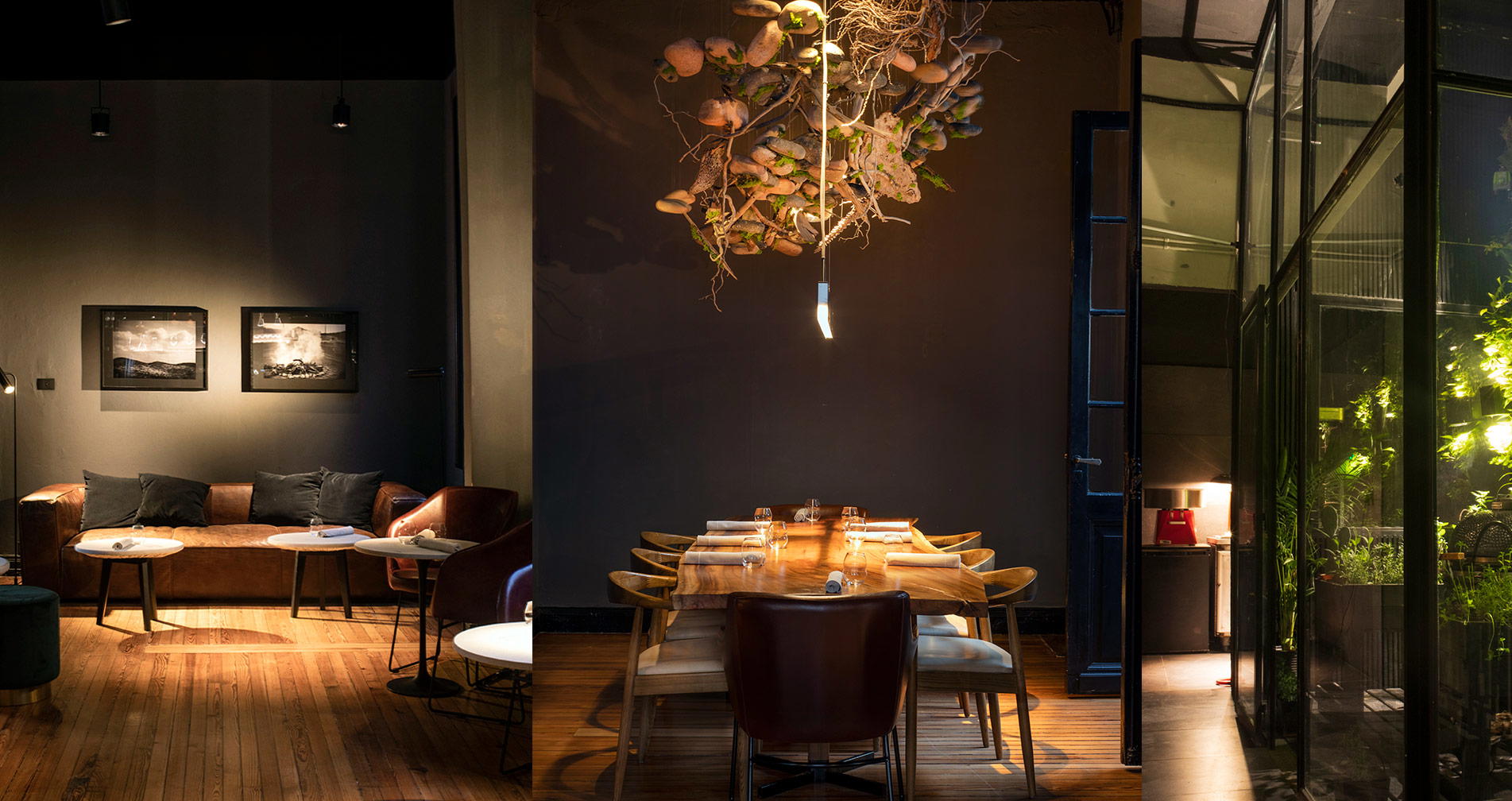
Where Argentine Fine Dining Sets Its Own Terms
Aramburu is a two-Michelin-star restaurant in Buenos Aires, led by Gonzalo Aramburu, with a price tier of $$$$. Pasaje del Correo is the kind of address that rewards those who look past Recoleta's more obvious avenues. The covered passage, with its European-inflected ironwork and low foot traffic, frames the approach to Aramburu in a way that signals intent: this is not a restaurant competing for visibility on a busy corner. The format here is fixed and deliberate, an 18-course tasting menu that runs Tuesday through Saturday, evenings only, drawing a room that tends toward the well-travelled and well-briefed.
Buenos Aires carries a dining identity shaped overwhelmingly by the parrilla tradition, fire, beef, and a certain proud informality that runs from neighbourhood asados to celebrated steakhouses like Don Julio. Aramburu occupies a different register entirely. It is the city's, and Argentina's, only two-Michelin-starred restaurant, a status awarded in both 2024 and 2025 that places it outside any direct local peer comparison and into conversation with two-star counters in São Paulo, Mexico City, or Lima.
The Shape of an 18-Course Menu
Tasting-menu restaurants in South America's major cities have divided into two broad camps over the past decade: those that use European technique as the primary lens and treat local ingredients as raw material, and those that begin from Argentine or regional tradition and apply precision as a tool rather than an identity. Aramburu sits clearly in the latter. The 18-course format, expanded from the 16 courses referenced in earlier programme descriptions, draws from ingredients sourced across Argentina's considerable geographic range, from Patagonian waters to the northwest's high-altitude produce.
The editorial angle that matters here is not the course count but what those courses collectively argue about Argentine cuisine. The sweet passages in a long tasting menu reveal a kitchen's relationship with tradition most clearly. Argentina's dessert canon is specific and deeply embedded: dulce de leche in its many forms, alfajores, facturas from the corner panadería, medialunas at a Sunday café table, the tres leches logic that runs through home kitchens across the country. A kitchen reinterpreting Argentine culture at this level of technique will find its most instructive moments where those reference points surface, transformed but traceable. The menu's handling of the country's sweet and confectionery traditions, within the arc of a long progression, is where the kitchen's argument becomes most legible.
Aramburu holds membership in Relais & Châteaux, positioning the Aramburu Relais & Châteaux menu within a global network of properties committed to culinary excellence and a defined sense of place. That membership, alongside the Les Grandes Tables du Monde award received in 2025, locates the restaurant in a comparable set that includes some of Europe's most formally regarded tables, a context that shapes how the room functions and how reservations are managed.
Buenos Aires's Creative Tier and Where Aramburu Sits
The city's creative-cuisine tier has grown considerably since the mid-2010s. Restaurants like Trescha and Crizia have staked out positions in the contemporary end of the spectrum, while Anafe and El Preferido de Palermo hold different positions, one forward-looking, one anchored in traditional forms. The spread of serious restaurants across the city now means that a visitor with five nights in Buenos Aires can move between registers without repeating a culinary logic. Aramburu represents the upper bound of that range.
Opinionated About Dining, which draws rankings from a large pool of experienced restaurant professionals, has placed Aramburu at number 14 in South America (2023), number 28 (2024), and number 18 (2025), movements that reflect the normal fluctuation of a competitive regional field rather than any decline in standing. La Liste, which aggregates global critical sources, scored the restaurant at 83 points in 2025 and 82 in 2026. Google's review aggregate, drawn from over 1,000 responses, sits at 4.6 out of 5, a figure that, at that volume, carries more weight than a smaller sample would.
For comparison within the broader Argentina fine-dining conversation, properties affiliated with destination hospitality, such as Cavas Wine Lodge in Mendoza's Alto Agrelo, Azafrán in Mendoza, Awasi Iguazu, EOLO in Patagonia, La Bamba de Areco, and El Colibri, offer their own interpretations of Argentine cuisine in regional settings. Aramburu's position is distinct: it operates not as a destination-resort dining experience but as a pure urban restaurant, where the kitchen's argument stands without landscape as supporting context.
At the global level, the relevant comparison set for a double-starred tasting-menu restaurant with a strong national-identity focus includes rooms like Atomix in New York, which applies Korean culinary logic through a highly technical format, or the seafood-anchored precision of Le Bernardin. The common thread is a kitchen that has found a specific cultural argument and built its entire programme around it.
The Practical Frame
Aramburu is at Pasaje del Correo, Vicente López 1661, Cdad. Autónoma de Buenos Aires, Argentina. The restaurant is open Tuesday through Saturday, 5 to 11 PM, and is closed Sunday and Monday. The format is dinner-only and tasting-menu-only, which should orient planning: this is a three-hour commitment at minimum, best positioned as the evening's sole agenda item.
At the $$$$ price tier, the cost sits at the ceiling of Buenos Aires dining. Reservations are essential.
Those planning a broader Buenos Aires dining itinerary can reference our full Buenos Aires restaurants guide, alongside our Buenos Aires hotels guide, bars guide, wineries guide, and experiences guide for a fuller picture of the city.
Style and Standing
Comparable venues nearby, for context on price, style, and recognition.
| Venue | Cuisine | Price | Awards | Notes |
|---|---|---|---|---|
| AramburuThis venue — the venue you are viewing | Modern Argentine Haute Cuisine | $$$$ | Michelin 2 Star | Not listed |
| Don Julio | Argentinian Parrilla Steakhouse | $$$$ | Michelin 1 Star | Palermo |
| Trescha | Modern Argentine Fine Dining | $$$$ | Michelin 1 Star | Villa Crespo |
| Crizia | Contemporary Argentine Seafood | $$$$ | Michelin 1 Star | Palermo |
| Mishiguene | Modern Jewish Immigrant Cuisine | $$$ | Michelin Plate, World's 50 Best #69 | Palermo |
| El Preferido de Palermo | Classic Italian Bodegón | $$$ | Michelin Plate, World's 50 Best #24 | Palermo |
Recognition history
Dated appearances from independent guides and award organizations, with the underlying list record or original source where available.
La Liste Top Restaurants
La Liste
Les Grandes Tables du Monde Member
Les Grandes Tables du Monde
Michelin 2 Stars
Michelin
Opinionated About Dining Top Restaurants in South America Ranked #22
Opinionated About Dining
Relais Chateaux Award
Relais Chateaux
Star Wine List
Star Wine List
La Liste Top Restaurants
La Liste
Michelin 2 Stars
Michelin
Opinionated About Dining Top Restaurants in South America Ranked #18
Opinionated About Dining
Relais Chateaux Award
Relais Chateaux
The Best Chef Three Knives
The Best Chef
World Culinary Awards Argentina's Best Restaurant 2025 #1
World Culinary Awards
World's 50 Best Latin America's Best Restaurants #35
World's 50 Best
Michelin 2 Stars
Michelin
Opinionated About Dining Top Restaurants in South America Ranked #28
Opinionated About Dining
Opinionated About Dining Top Restaurants in South America Ranked #14
Opinionated About Dining
Continue exploring
More in Buenos Aires
Restaurants in Buenos Aires
Browse all →
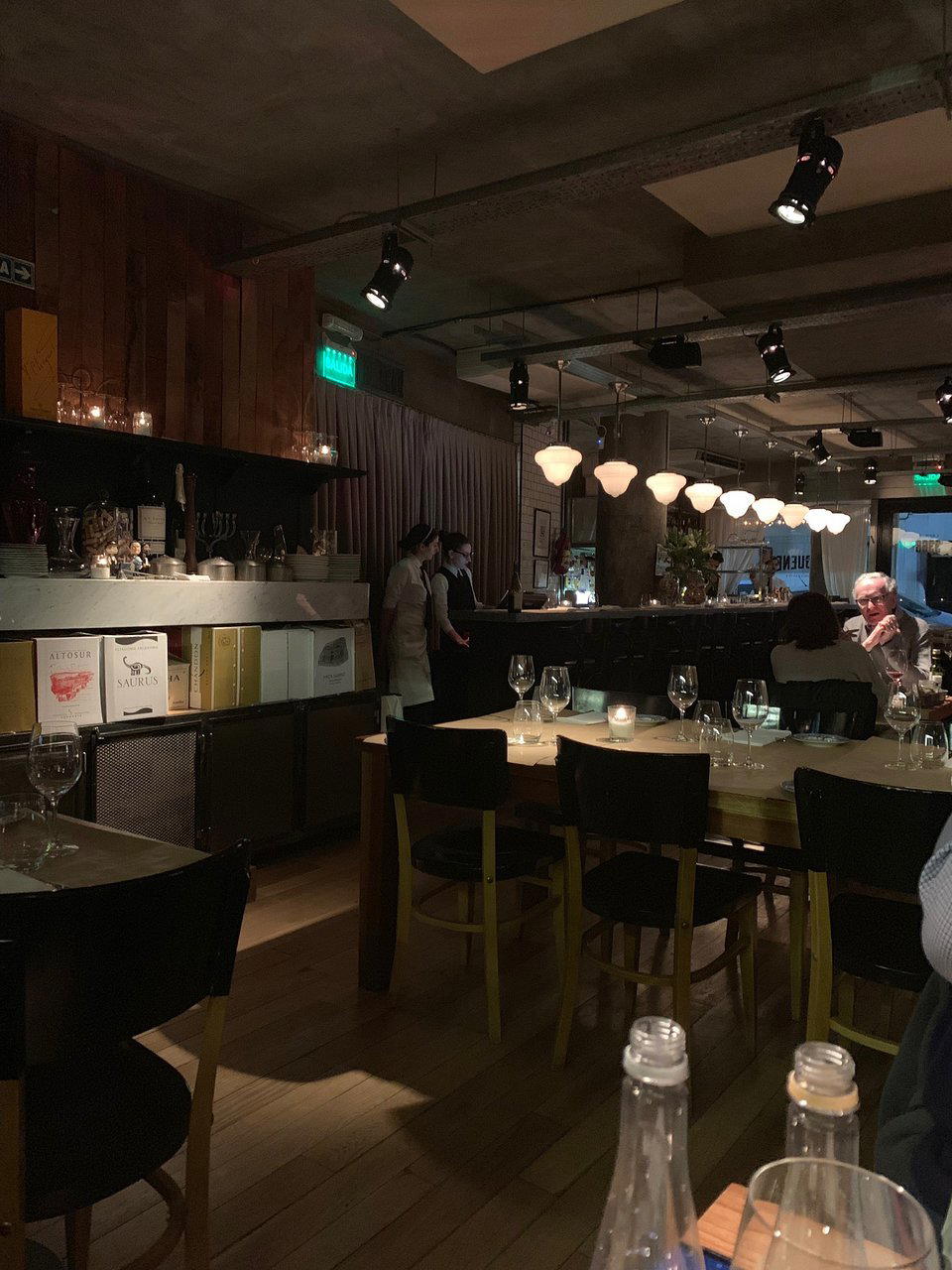
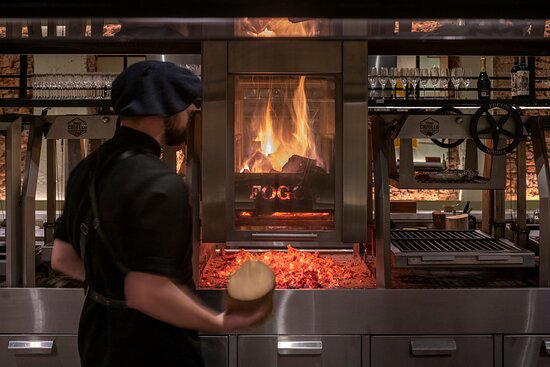
Bars in Buenos Aires
Browse all →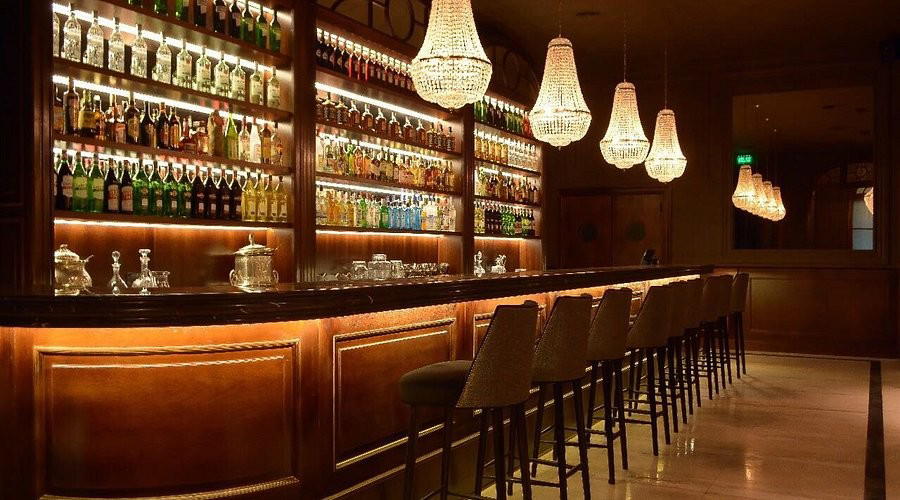
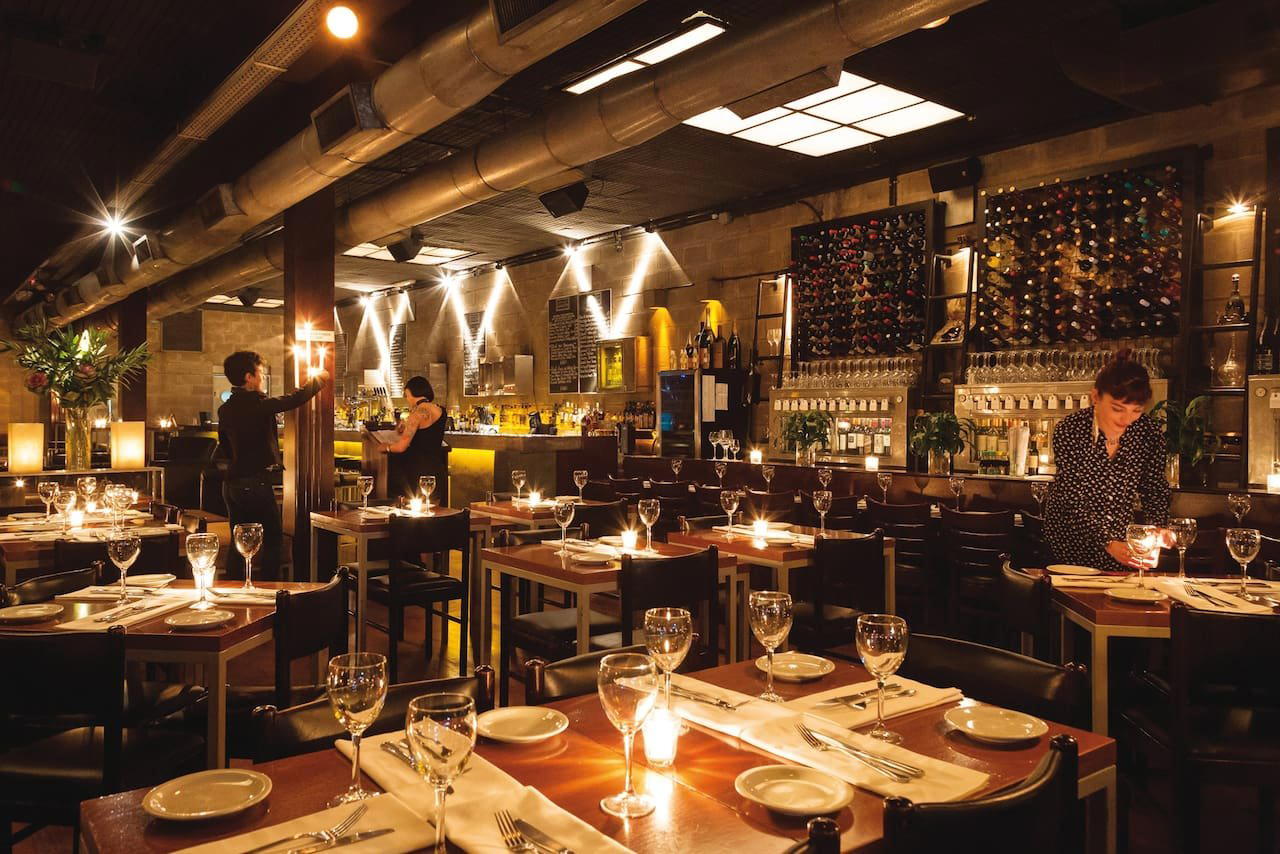
Hotels in Buenos Aires
Browse all →
Wineries in Buenos Aires
Browse all →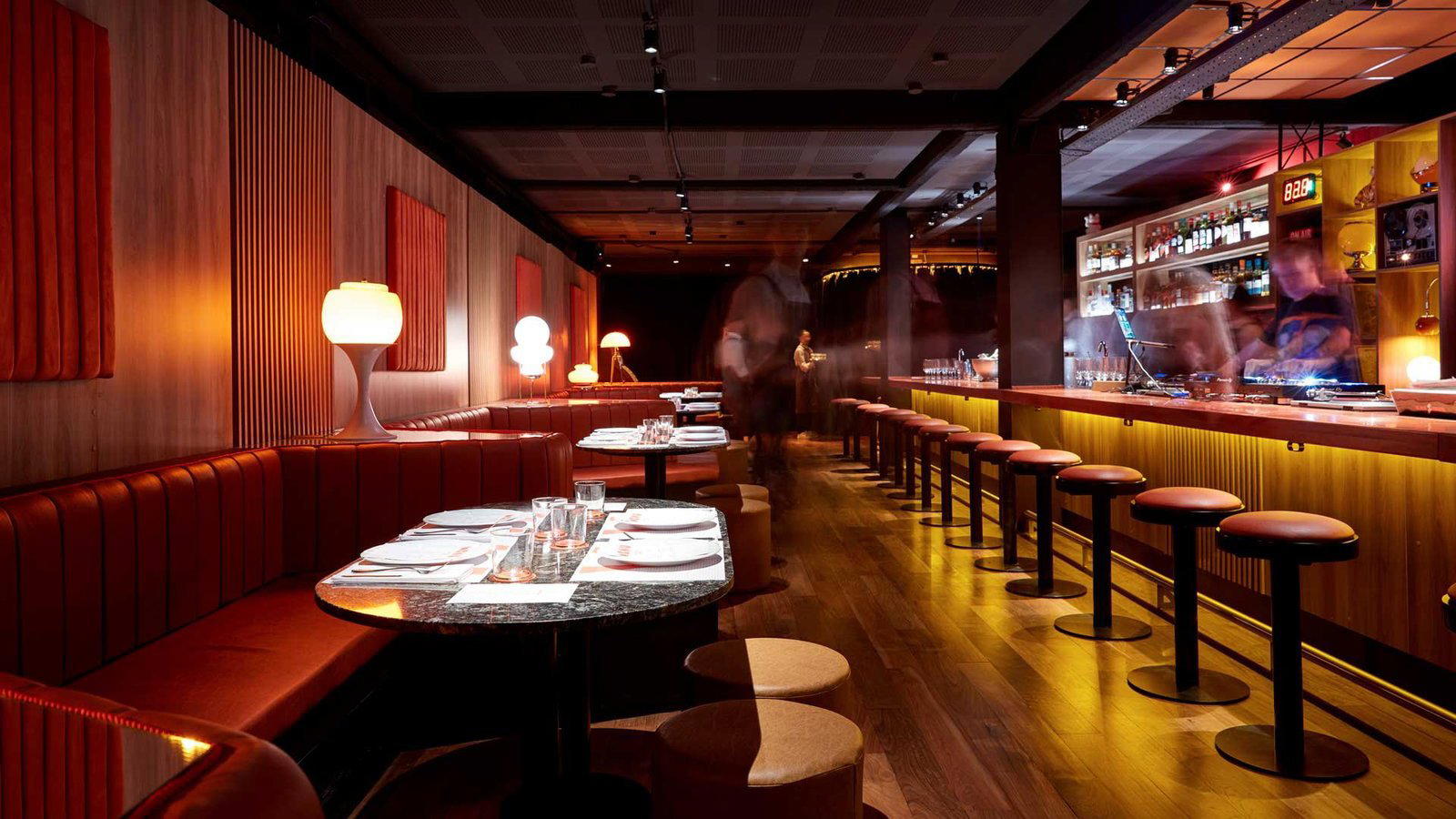
At a Glance
- Elegant
- Sophisticated
- Intimate
- Modern
- Date Night
- Special Occasion
- Celebration
- Open Kitchen
- Private Dining
- Design Destination
- Extensive Wine List
- Sommelier Led
- Local Sourcing
Current opening hours
- Monday
- Closed
- Tuesday
- 5–11 PM
- Wednesday
- 5–11 PM
- Thursday
- 5–11 PM
- Friday
- 5–11 PM
- Saturday
- 5–11 PM
- Sunday
- Closed
Hours can change for holidays and private events. Last verified .
Elegant and intimate with dark dining room lit by narrow spotlights illuminating each table like sculptures; fully visible open kitchen allows guests to watch chefs meticulously assemble dishes.